The world is quietly running dry. Not in some distant, abstract future – it is happening right now, in some of the most beloved and visited places on the planet. From sun-soaked Mediterranean coastlines to ancient Himalayan mountain towns, the taps are running low, the reservoirs are shrinking, and millions of tourists keep arriving with bags packed and showers running.
According to the first edition of the World Bank’s Global Water Monitoring Report, released in November 2025, the world is losing 324 billion cubic meters of freshwater every year – enough to supply the needs of 280 million people annually. That is a number so staggering it is hard to even picture. Think of it this way: it is like draining a city the size of New York every few weeks, permanently. The destinations below are already living that reality. Let’s dive in.
1. Spain: Europe’s Most Sun-Drenched and Water-Stressed Holiday Hotspot
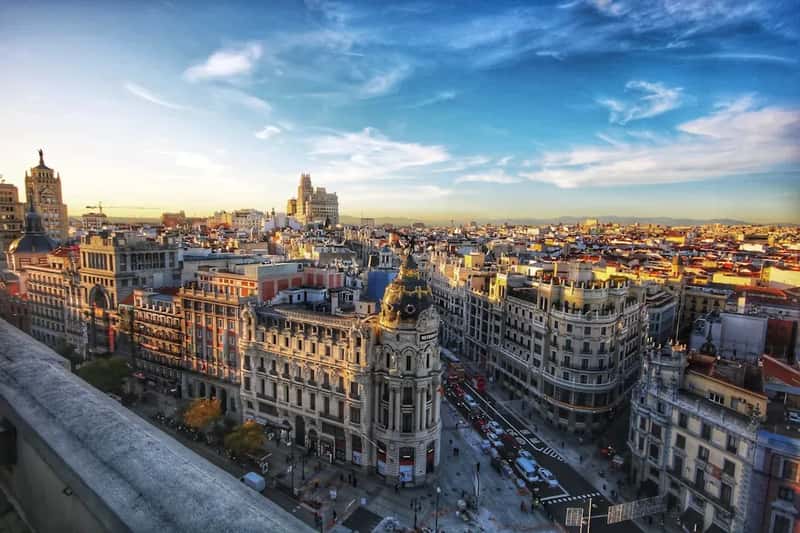
If you have been dreaming of tapas and flamenco under the Andalusian sun, here is something nobody in the travel brochures mentions. A single number tells the real story of Spain’s water crisis in 2025: 63.9%. That was the critically low average level of Spain’s water reservoirs as of mid-August. In a country that welcomes tens of millions of visitors every single year, that figure should be impossible to ignore.
Tourism itself exists in a painful paradox here: the sun that attracts millions of visitors is a symptom of the very drought threatening the industry. A tourist in Spain can use up to three times more water than a local resident. The pressure on an already strained system is immense.
In response, authorities in the worst-hit areas have had to ban the filling of private swimming pools, shut off beach showers, and reduce water pressure at night. Iconic wetlands like Doñana National Park are drying up, and the risk of catastrophic wildfires increases exponentially as forests turn to tinderboxes, accelerating desertification. Honestly, it is hard to picture a more telling sign that a crisis has truly arrived.
2. Mexico City, Mexico: A Megalopolis on the Edge

Mexico City is one of the largest urban areas on Earth, home to over 21 million people – and it is sinking, quite literally, while simultaneously running out of water. The city depends on the extraction of aquifers for roughly 60 percent of its water supply, and this extraction has caused the city’s gradual sinking. That is not a metaphor. The ground beneath the city is caving in.
Mismanagement and aging infrastructure play a massive role in the current crisis – the city loses roughly 40 percent of its water supply due to leaks in the pipes. In some parts of the city, water is so precious that armed guards accompany water tanks to make sure they aren’t stolen. That is the kind of detail that should stop you cold.
Despite the water crisis, Mexico remains a wildly popular tourism destination. In 2022, tourism employed 2.8 million people – over 7 percent of the Mexican workforce – who served over 38 million visitors. By 2023, Mexico ranked fourth in the world as a tourist destination, welcoming over 42 million tourists. The tourism industry, in other words, keeps pouring water into a bucket that is already cracked at the bottom.
3. Cape Town, South Africa: The City That Nearly Lost It All

Cape Town’s story is one of the most dramatic water warnings in modern history. The Cape Town water crisis was a multi-year period from 2015 to 2020 of water shortage in the Western Cape region. Dam water levels began decreasing in 2015, and the crisis peaked during mid-2017 to mid-2018 when water levels hovered between just 14 and 29 percent of total dam capacity.
In late 2017 and early 2018, the city was threatened by an unprecedented water scarcity crisis known as “Day Zero,” triggered by an exceptional three-year rainfall deficit. This event was characterized by the lowest river flows recorded since 1904 in the Sonderend River and drained the largest reservoir, Theewaterskloof, to critical levels.
The crisis highlighted the need for longer-term planning in a city where climate change will continue to exacerbate challenges. The combination of climate change and population increase means other cities may face similar severe droughts and may need to consider alternative methods of obtaining water. Cape Town averted total disaster – but research in Nature Communications published in 2025 warns that “Day Zero” events are coming for more cities, with consistent hotspots emerging across the Mediterranean, southern Africa, and parts of North America.
4. Bali, Indonesia: Paradise Drying From Within
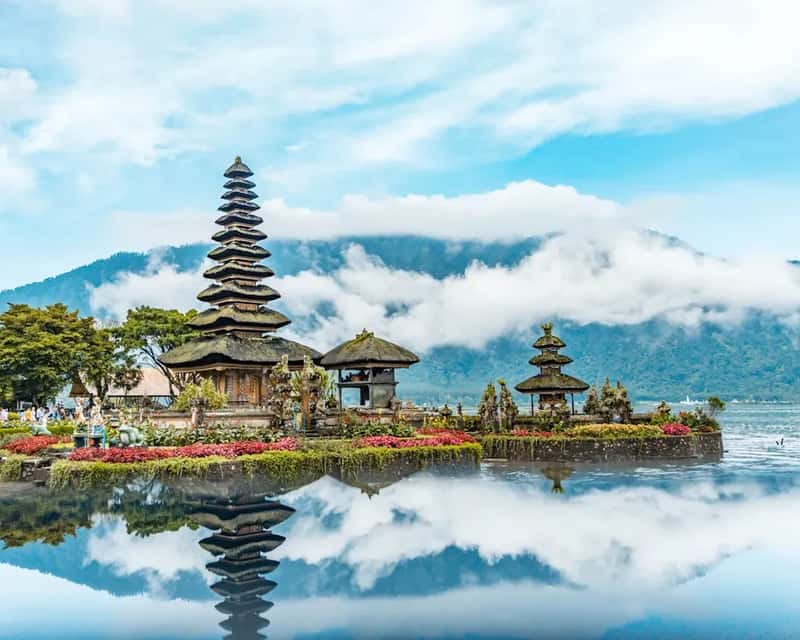
Bali is a dream destination for millions of travelers every year, with its lush rice terraces, turquoise waters, and spiritual tranquility. Yet behind that postcard image, a very different story is unfolding. Tourist destinations like Bali in Indonesia are increasingly facing water crises, particularly during peak tourist seasons.
In most of these tourist cities, the scarcity is not due to absolute hydrological factors but to a sudden surge in demand following an increase in tourist influx. This scenario leads to infrastructure stress and inequitable water allocation among different stakeholders. Think of it like flooding a small pond with ten times the usual traffic – the ecosystem simply cannot cope.
While Bali is one of the world’s favourite tropical escapes, the island is in the midst of a serious water crisis. The water crisis here becomes less an ecological inevitability than a governance outcome shaped by the political economy of tourism-led urban development. That is an important distinction. This is not just nature’s fault. It is a man-made problem, driven by the relentless machine of mass tourism.
5. Morocco: Seven Consecutive Years of Drought
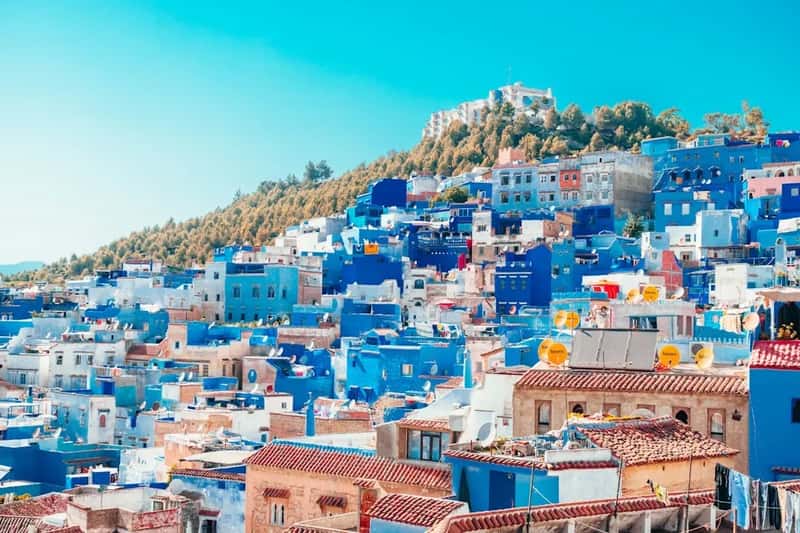
Morocco is one of Africa’s most visited countries, drawing travelers to Marrakech’s medinas, the Sahara dunes, and the Atlantic coastline. But the numbers behind the beauty are alarming. Morocco has been experiencing a particularly severe period of water scarcity and drought. Drought is no longer just a cyclical phenomenon; it has become a permanent fixture. Morocco has entered its seventh consecutive year of drought.
The average available water has dropped drastically: while the average in 1960 was 2,000 cubic meters per capita, it is now around 600 cubic meters – roughly a quarter of what it was just 40 years ago. That kind of collapse in available freshwater in a single lifetime is almost incomprehensible. It is like watching a swimming pool slowly drain and never being refilled.
Facing its sixth year of drought in early 2024, Moroccan officials restricted the use of traditional public baths and popular car wash street businesses across the country, as supplies diminished in important dams like the Al Massira. Water scarcity in Morocco is not only a biological and ecological issue but also a socio-political one, influencing who gets access to the remaining resources, with metropolitan cities like Rabat and Casablanca, as well as those further north, such as Tangier, still receiving potable water without restrictions.
6. The Himalayas, India: Mountain Towns Buckling Under Tourist Pressure
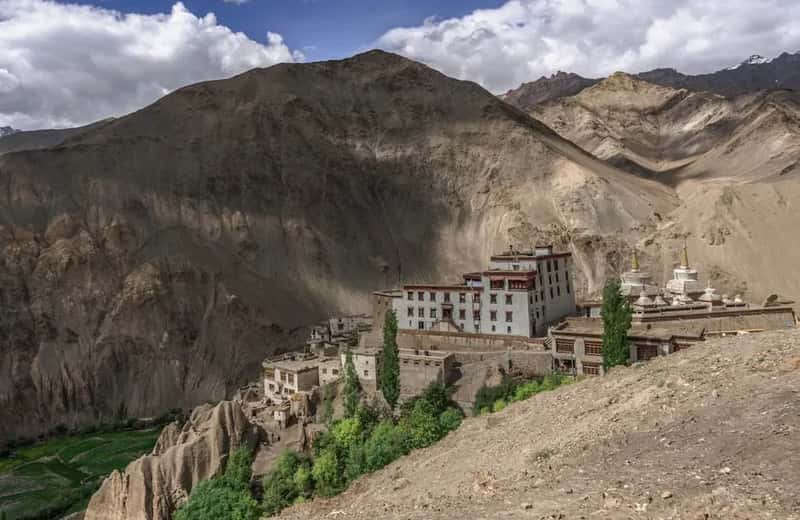
It is hard to say for sure which image most people associate with the Himalayas – peaceful monasteries, snow-capped peaks, or serene trekking paths. Water shortages rarely come to mind. Yet the data tells a very different story. Between January 2022 and March 2025, the Indian Himalayan states experienced extreme weather events on 822 of 1,186 days, resulting in the deaths of 2,863 people. Meanwhile, tourism continued to rise, with Himachal Pradesh alone hosting nearly 20 million visitors annually, placing pressure on the state’s water supply services.
The total water supply capacity in Leh is 6.07 million liters per day, while the total water demand stands at 7.5 million liters per day. The floating population of tourists, workers, migrant laborers, and defense forces further widens this gap. Over 80 percent of current water needs are met through groundwater.
In Gangtok, the capital of Sikkim, people receive as little as 60 to 70 liters of water per person per day – significantly less than the recommended standard of 135 liters set by the Central Public Health and Environmental Engineering Organisation. Sikkim recorded its highest-ever domestic tourist arrivals in the January to May 2025 period, with 843,231 visitors. More visitors arriving while locals already receive below the safe minimum. That tension will not resolve itself quietly.
7. Barcelona, Spain: When Tourists and Locals Compete for the Same Tap
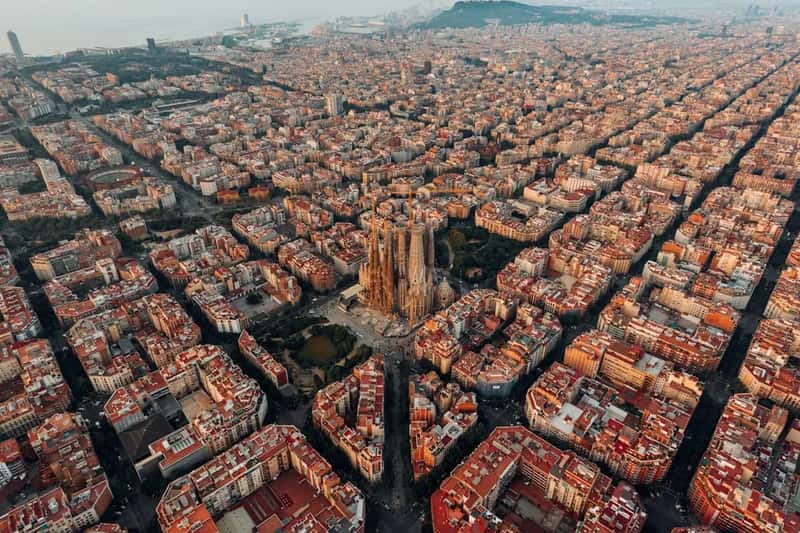
While Spain’s water crisis as a whole was covered earlier, Barcelona deserves its own spotlight. The city is in a league of its own when it comes to the collision of mass tourism and dwindling water supplies. The tourist mecca of Barcelona devolved into serious conflict as dwindling water supplies pitted visitors against locals. In early 2024, following three years of drought, levels in the Ter-Llobregat water system hit an all-time low, below 15 percent, triggering emergency water restrictions.
While the city’s nearly two million residents were limited to 53 gallons of water per day, the tourism industry did not face the same restrictions. Let’s be real – that kind of disparity breeds deep resentment, and it should. Locals rationing their own showers while hotels run normally is a recipe for social fracture.
This is not just a local inconvenience. Global water use has risen 25 percent since 2000, with a third of that increase occurring in areas already drying out – including areas already facing freshwater scarcity such as Central America, a large swath of Eastern Europe, and northern India. Barcelona is part of a global pattern that is accelerating, not slowing down.
8. Cyprus: A Tourist Island Running on Desalination
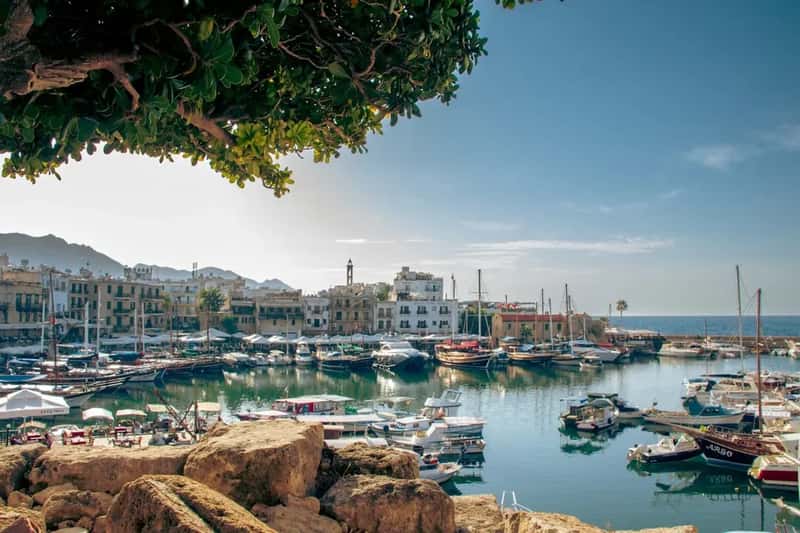
Cyprus is a tiny island in the Eastern Mediterranean, beloved for its clear beaches, ancient ruins, and warm climate. It is also, as of the most recent global water stress rankings, one of the most water-stressed places on earth. Cyprus holds the number two spot on the Water Stress Rank. As a small island with hot, dry summers and limited rainfall, fresh water is always in short supply. To keep up with demand from both locals and tourists, Cyprus relies heavily on desalination plants and recycled water. These systems help keep taps running and crops growing, but the country still faces serious challenges, especially during long dry spells.
Here is the thing: desalination is a technological lifeline, but it is also enormously energy-intensive and expensive. It is a stopgap, not a solution. For billions of people, mountain meltwater is essential for drinking water, but as the world warms, glaciers are melting faster than ever, making the water cycle more unpredictable and extreme. Because of glacial retreat, floods, droughts, landslides, and sea-level rise are intensifying, with devastating consequences for people and nature.
Data from the World Resources Institute’s Aqueduct Water Risk Atlas shows that 25 countries – housing one-quarter of the global population – face extremely high water stress each year, regularly using up almost their entire available water supply. Cyprus sits right at the center of that map, a tiny island trying to hold the line against an enormous global force.
9. Los Angeles, USA: The City That Imports Its Water From Hundreds of Miles Away
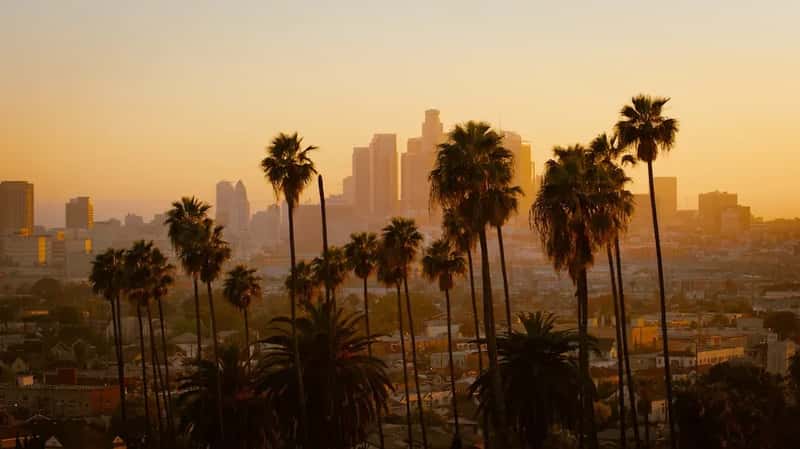
Los Angeles seems an unlikely entry on this list for many travelers. It is sleek, modern, glossy. It is Hollywood. Yet its water situation is, in some ways, one of the most structurally fragile of any major tourist city in the world. Los Angeles’ reliance on imported water and an aging distribution system became more apparent after the 2025 Palisades fire revealed gaps in emergency water-flow capacity. Los Angeles, a city of around 3.88 million people, relies heavily on water imported from hundreds of miles away and water from the Colorado River, which is running dry from overextraction and climate change.
Water levels in Lake Powell, one of the main water storage reservoirs for the Colorado River Basin, could fall low enough to stop hydropower generation at the reservoir by December 2026. The Colorado River Basin lost about 27.8 million acre-feet of groundwater between 2002 and 2024 – roughly equal to the storage capacity of Lake Mead. That is not a small number. That is a catastrophic, decade-long depletion of one of America’s most critical water systems.
City officials have been promoting water reuse, including recycling wastewater for drinking, with the long-term goal of scaling up the Hyperion Water Reclamation Plant in Playa Del Rey – a project expected to be completed only in 2056. That is thirty years away. Meanwhile, the Colorado keeps shrinking, the fires keep coming, and the tourists keep arriving. The gap between the scale of the problem and the pace of the solution is, to put it mildly, concerning.
A Crisis That Doesn’t Wait for Travelers to Notice
The scale of what is happening across these nine destinations is not something that unfolds over centuries. It is happening now, in real time, measured in shrinking reservoirs, emergency restrictions, and residents rationing their morning showers. Nearly two-thirds of the world’s population experience acute water scarcity for at least one month per year. Around 700 million people are likely to be displaced by intense water shortage stress by 2030.
According to the UN, one in three people worldwide do not have access to safe drinking water, and by 2030, demand for water could exceed supply by 40 percent. That is not a distant warning. That is four years from now. The destinations in this article are early signals of a larger global reckoning with how we use, waste, and distribute one of the only things human life literally cannot exist without.
Travelers are not just passive observers in this story. These losses are driven by worsening droughts and unsustainable land and water practices, including poor pricing policies, weak coordination, deforestation, wetland degradation, and excessive irrigation. Every hotel room, every resort pool, every long shower in a tourist destination adds to a ledger that locals are ultimately left to balance. The next time you book a trip to one of these places, it might be worth asking yourself: what kind of footprint am I leaving behind, beyond the carbon kind?