Europe has a way of making you stop mid-step, camera forgotten in your pocket, just staring. Maybe it’s the light hitting a canal at golden hour, or a skyline of spires that hasn’t changed much in five hundred years. Ranking beauty is a subjective exercise and no two travelers will ever fully agree, but some cities keep showing up on every list, in every era, for good reason.
This countdown pulls together nine European cities that consistently earn their reputation, from fairy-tale old towns to sun-bleached island villages. We start at number nine and work our way to the city many consider the most romantic and visually stunning place on the continent.
9. Bruges, Belgium
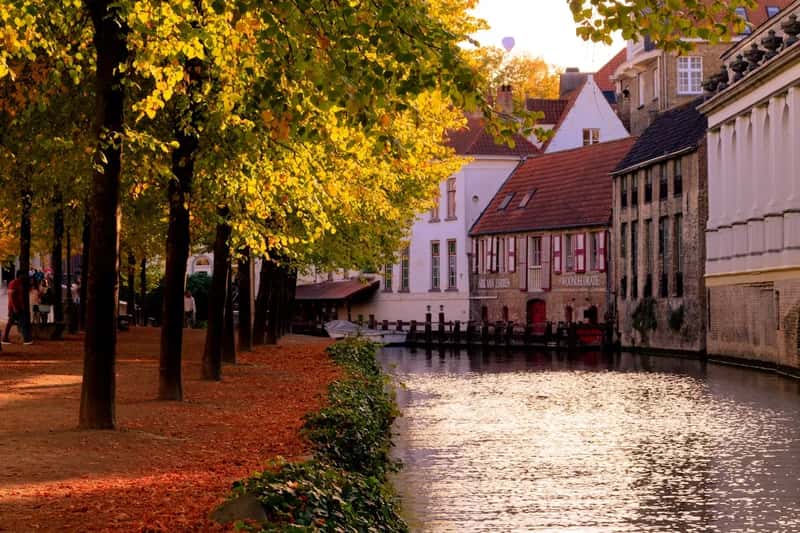
Bruges feels like someone pressed pause on the Middle Ages and never hit play again. Cobblestone lanes wind past stepped gable houses, chocolate shops, and a network of canals so picturesque that locals have long nicknamed the city the Venice of the North. The entire medieval center was declared a UNESCO World Heritage Site in 2000, and walking it at dawn before the day-trippers arrive feels like stepping into an oil painting.
What makes Bruges special is its compactness. You can cross the whole historic core on foot in under an hour, yet every turn reveals another postcard scene, whether it’s the Markt square with its soaring belfry or the quiet Beguinage courtyard. Boat rides along the canals remain one of the simplest, most romantic ways to see the city, especially in the soft evening light when the crowds thin out.
8. Edinburgh, Scotland
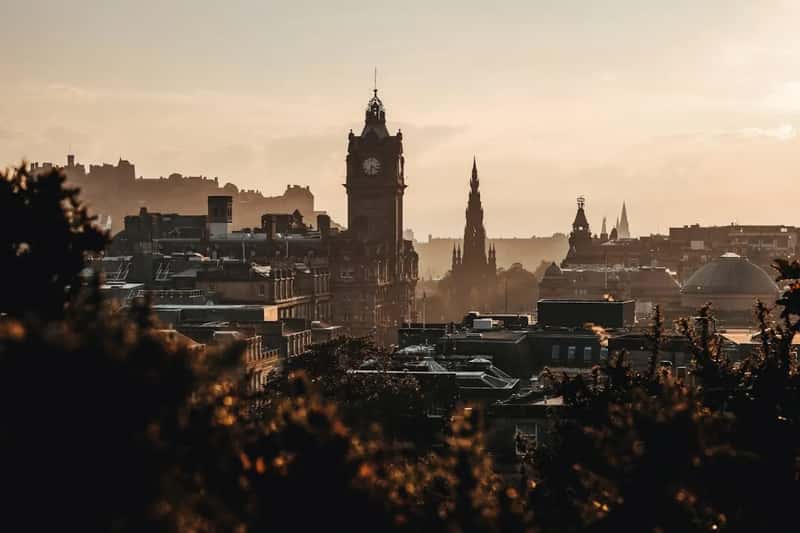
Edinburgh splits neatly into two personalities, and both are gorgeous. The Old Town climbs a rocky ridge toward its castle, all narrow closes and dark stone tenements, while the Georgian New Town spreads out in elegant, orderly crescents below. Together they form a UNESCO World Heritage Site, a rare case of two contrasting architectural eras sitting side by side without clashing.
Arthur’s Seat, an extinct volcano within the city limits, gives visitors a rare chance to hike for panoramic views without ever leaving the urban core. Add in the moody Scottish weather, the pipes of a busker echoing off stone walls, and the world’s largest arts festival taking over every stage and pub each August, and Edinburgh earns its reputation as one of the most atmospheric cities on the continent.
7. Budapest, Hungary
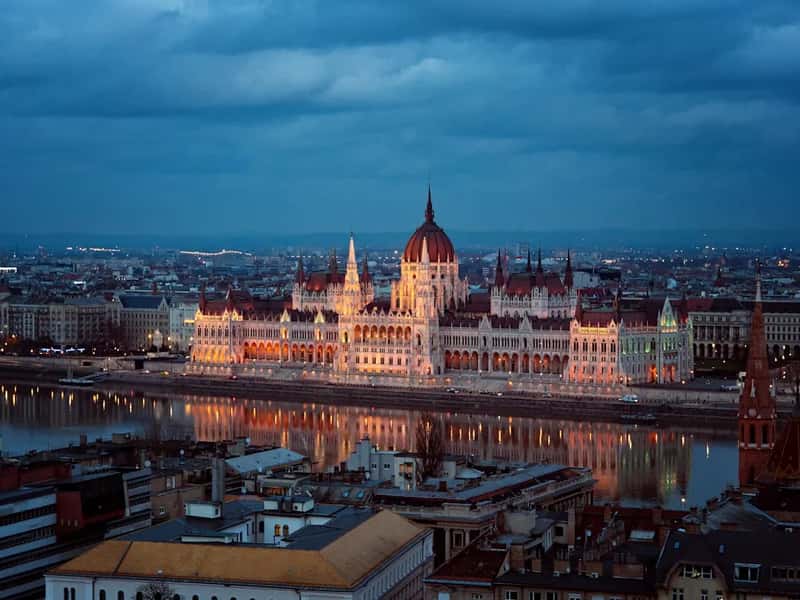
Split by the Danube into hilly Buda and flat, grand Pest, Budapest is often called the Paris of the East, though it really doesn’t need the comparison. The Hungarian Parliament Building glows along the riverbank at night, its neo-Gothic spires reflected in the water, while Buda Castle and Fisherman’s Bastion look down from across the river like something out of a storybook.
Budapest’s thermal baths add a layer no other city on this list can match. Soaking in the outdoor pools of Széchenyi Baths, steam rising against a backdrop of yellow Baroque architecture, is a uniquely Hungarian experience rooted in centuries of thermal spa culture. The city’s banks of the Danube, along with the Buda Castle Quarter and Andrássy Avenue, are collectively protected as UNESCO World Heritage.
6. Florence, Italy
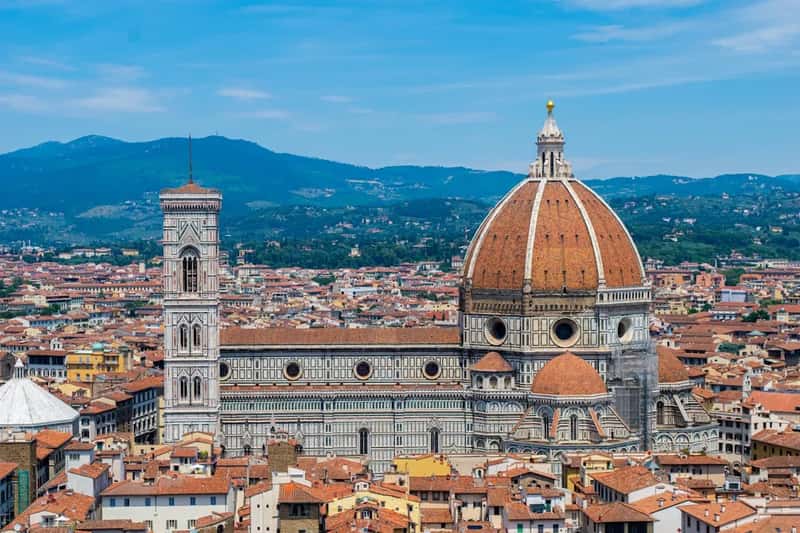
Florence is where the Renaissance essentially began, and it shows in every direction you look. The Duomo’s terracotta dome still dominates the skyline exactly as Brunelleschi intended when he engineered it in the 15th century, and the Ponte Vecchio remains the only bridge over the Arno that survived World War Two bombing intact.
Climb to Piazzale Michelangelo at sunset and the entire city unfolds below in a wash of orange rooftops and church domes. Florence’s historic center has been a UNESCO World Heritage Site since 1982, recognized for a concentration of art and architecture that shaped Western civilization. It’s a smaller city than Rome or Milan, which somehow makes its beauty feel more intimate and walkable.
5. Prague, Czech Republic
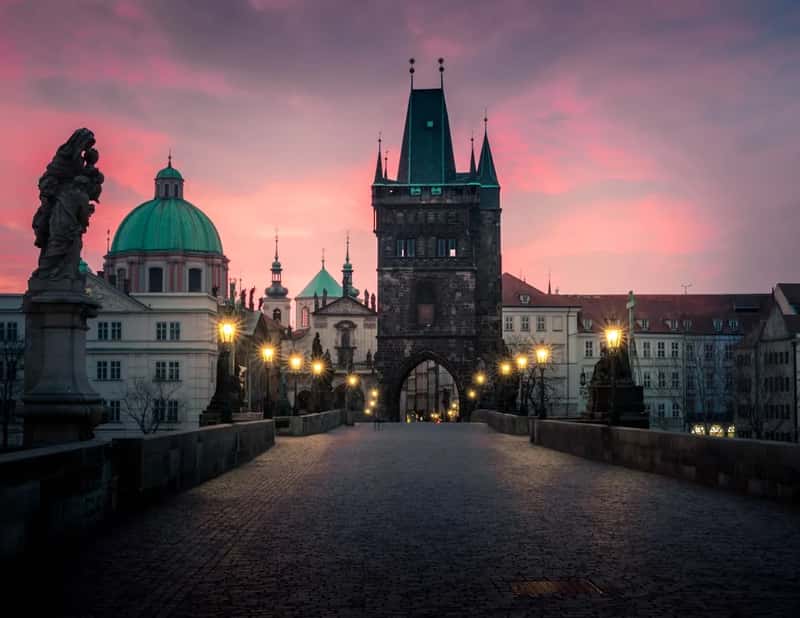
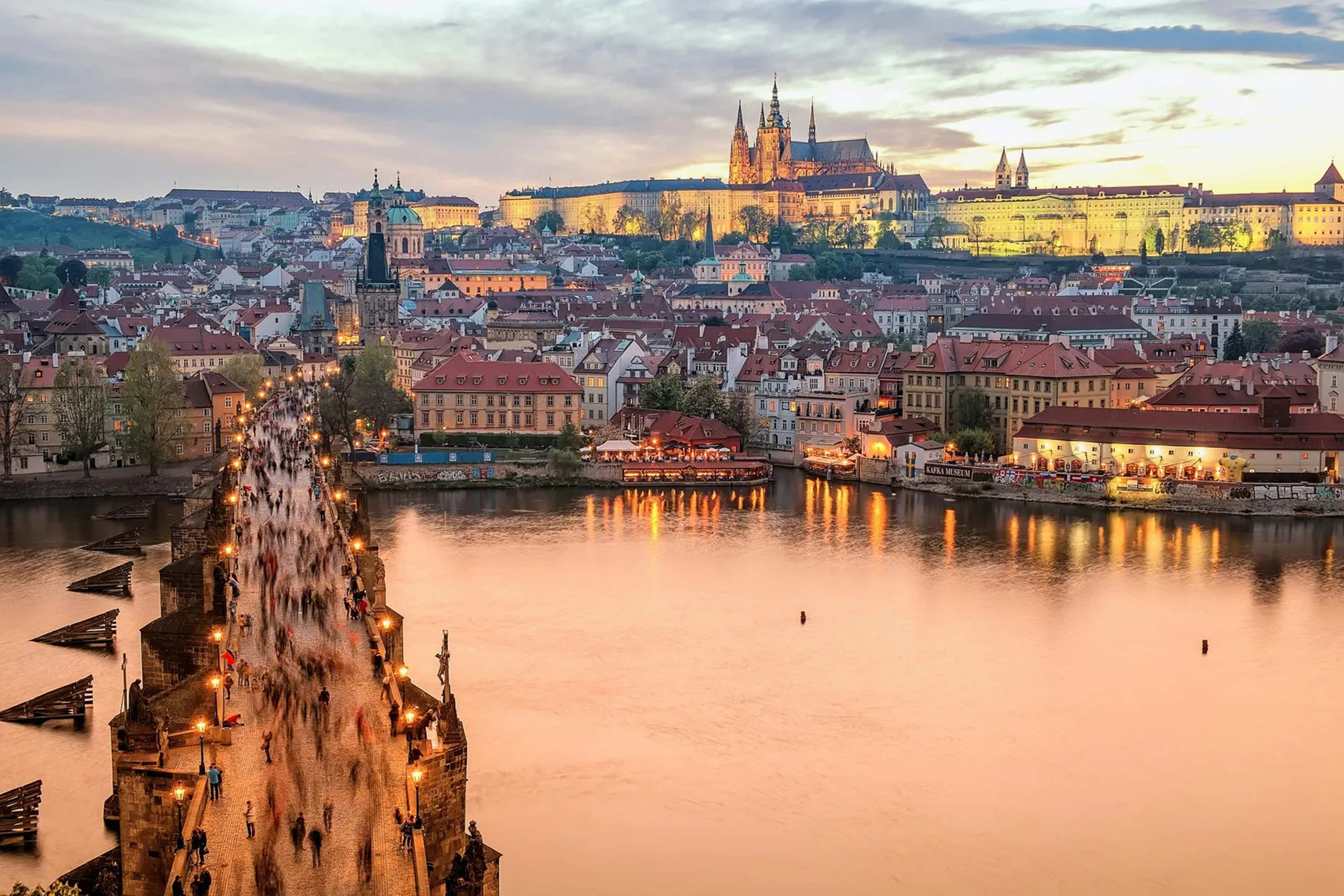
Prague’s historic center is one of the few cities in Europe to survive largely intact from the Middle Ages, with layers of Gothic, Baroque, and later architecture stacked on top of one another across a thousand years of continuous development. Prague’s historic center is one of few cities in Europe to survive from the Middle Ages, and from that time to the present, it has exhibited continuous urban development. The Old Town, Lesser Town, and New Town together were inscribed as UNESCO World Heritage in 1992, and they speak of the great architectural and cultural influence enjoyed by this city since the Middle Ages.
Charles Bridge at sunrise, before the tour groups arrive, is one of the great quiet moments in European travel, statues silhouetted against the Vltava mist. Prague Castle, St. Vitus Cathedral, and the winding lanes of Malá Strana round out a cityscape that feels genuinely medieval rather than reconstructed. The city is also investing in its infrastructure heading into 2026, with a new bridge across the Vltava and reopened funicular lines making it even easier to explore on foot.
4. Dubrovnik, Croatia
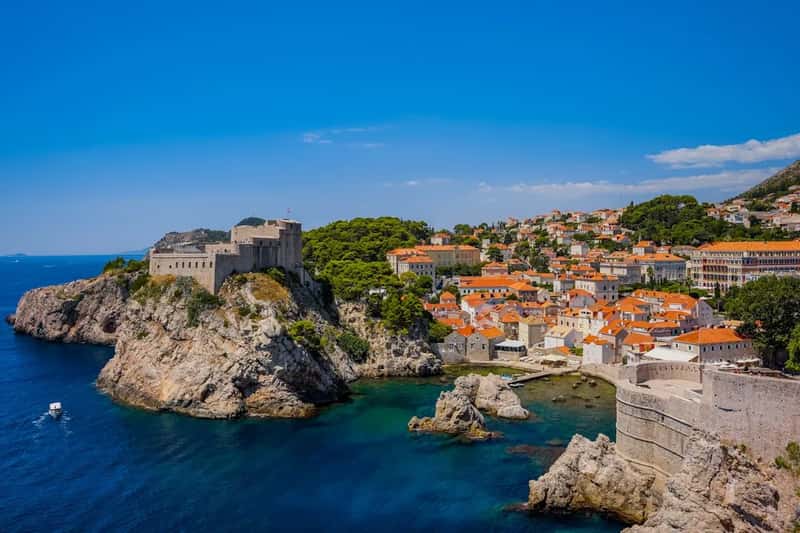
Dubrovnik’s honey-colored walls, encircling a compact Old Town of marble streets and terracotta roofs, drop straight into the deep blue Adriatic in a way that photographs simply cannot fully capture. The Old Town is a UNESCO World Heritage Site, and its fame only grew after it stood in for King’s Landing in a certain fantasy television series, drawing a new generation of visitors eager to walk the same ramparts.
That popularity has come at a cost, and Dubrovnik has spent the last several years actively managing the crowds it attracts. The “Respect the City” initiative, launched in partnership with the Cruise Lines International Association, limits cruise ship arrivals to two per day, with a daily cap of around 4,000 disembarking passengers. Looking ahead, by 2026, entrance to Dubrovnik’s famed city walls is expected to require timed advance booking, a first for one of the city’s most visited attractions. Visit early in the morning or in shoulder season, and the beauty of the walls and the glittering sea below is still every bit as striking as the photos promise.
3. Santorini, Greece
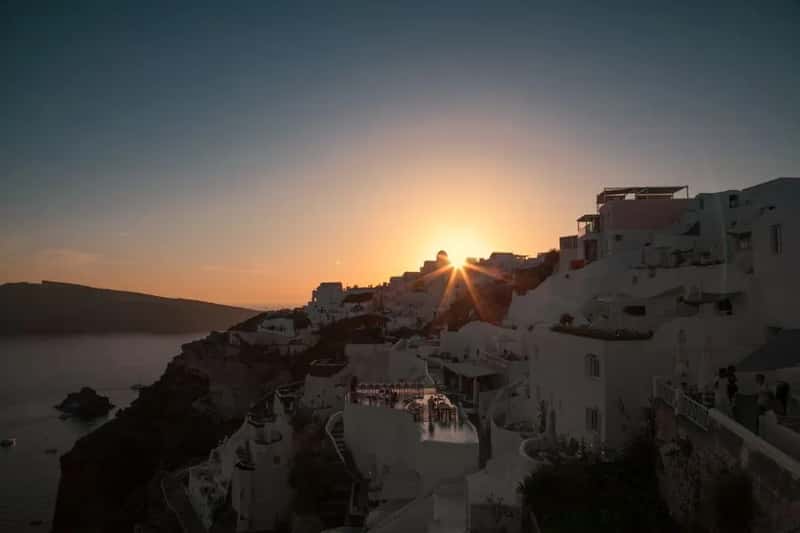
Few places on earth look quite like Santorini, with its whitewashed cube houses and blue-domed churches clinging to the rim of a volcanic caldera. Oia’s sunset has become almost mythical in travel photography, the whole village turning gold as the sun drops into the Aegean, and for good reason: the contrast of white walls, dark cliffs, and endless sea genuinely earns the hype.
Santorini has also become a case study in managing extreme popularity. Santorini set a strict 8,000-passenger cap to help control the crowds on the in-demand Greek isle, which previously saw as many as 17,000 passengers flooding the island per day during peak season. For 2026 the rules have tightened further, since passenger loads are now calculated at 100 percent occupancy rather than the 80 percent assumption used in 2025, meaning a ship with 3,000-passenger capacity counts as 3,000 against the daily limit rather than 2,400. Travelers who come by ferry or plane rather than cruise ship, or who visit in the shoulder months of May and October, tend to find the island calmer and closer to the postcard version everyone imagines.
2. Venice, Italy
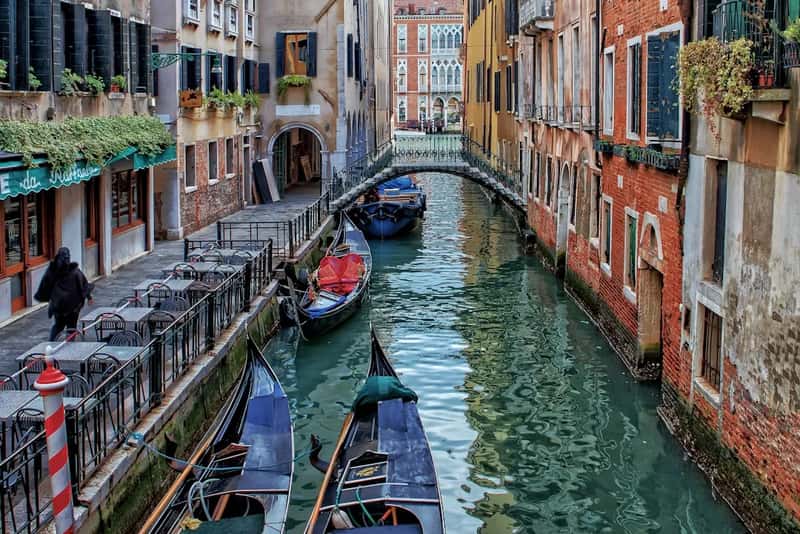
Venice remains unlike anywhere else on the planet, a city built entirely on water, threaded by canals instead of roads, where gondolas glide past palazzos that have been sinking gracefully for centuries. St. Mark’s Square, the Rialto Bridge, and the labyrinth of alleys behind them make it one of the most photographed places in Europe, and rightly so.
Venice’s fragility is part of its story now, too. Activists sounded a warning last summer when the number of tourist beds officially overtook the number of residents, which has dwindled to under 50,000 in a trend that has now been going on for decades. In response, the city brought back its day-tripper access fee for 2026, and the mandatory ticket to access Venice is valid on 60 days in 2026, from April 3 to July 26, running from 8:30 AM to 4:00 PM. The fee itself is modest, since the payment for the Access Contribution to the city of Venice is set at 10.00 euros, or 5.00 euros with advance booking. None of this diminishes the magic of a quiet early morning vaporetto ride down the Grand Canal, still one of the most beautiful views in the world.
1. Paris, France
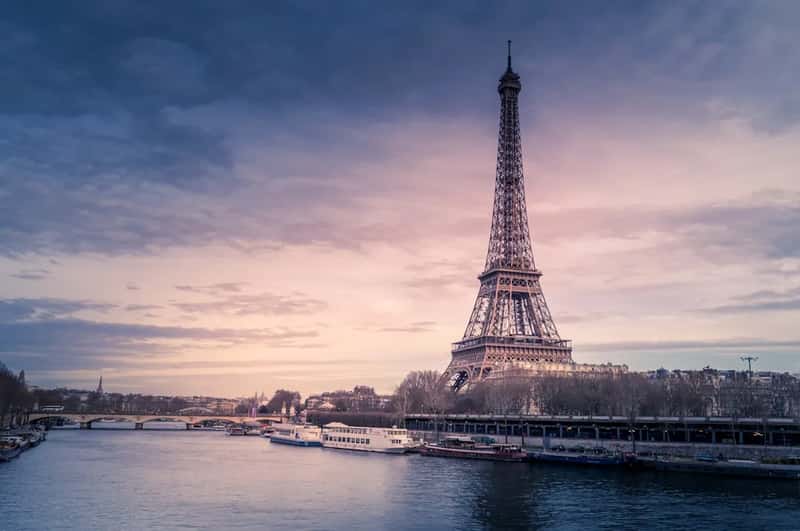
It had to be Paris. The City of Light earns the top spot not for a single monument but for the sheer density of beauty packed into one place: the Eiffel Tower catching the last sun of the day, the Seine curling past Notre-Dame, the wide boulevards Haussmann carved out in the 19th century, and neighborhoods like Montmartre that still feel like a village within the capital. Notre-Dame’s reopening in December 2024, after the devastating 2019 fire, gave the city one more reason for the world to fall back in love with it.
Paris rewards slow wandering more than almost any other city on this list. Sit at a café on a side street in the Marais, walk the gardens of the Luxembourg or the Tuileries, or simply cross a bridge over the Seine at dusk, and it becomes obvious why painters, poets, and photographers have obsessed over this city for centuries. It isn’t a flawless place, and overtourism pressures exist here too, but Paris still manages to feel both grand and intimate at once, which is a rare combination.
Choosing Your Own Favorite
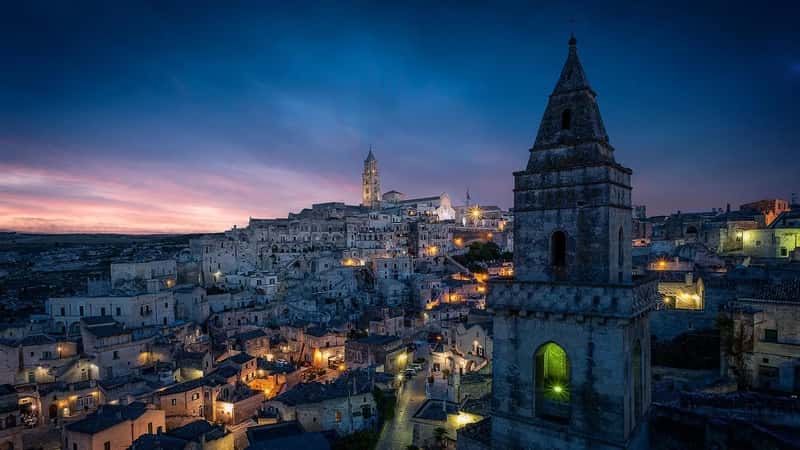
Rankings like this one are always a little unfair, since comparing a whitewashed Greek island to a Gothic Central European capital is close to comparing apples and seashells. Still, what unites all nine of these cities is a sense of place so strong that a single photograph is instantly recognizable anywhere in the world.
The best approach is to treat this list as a starting point rather than a verdict. Visit in the shoulder seasons when possible, wake up early to see these places before the crowds do, and stay open to the idea that your own personal number one might be a city that didn’t even make this list. Europe has a habit of surprising people that way.