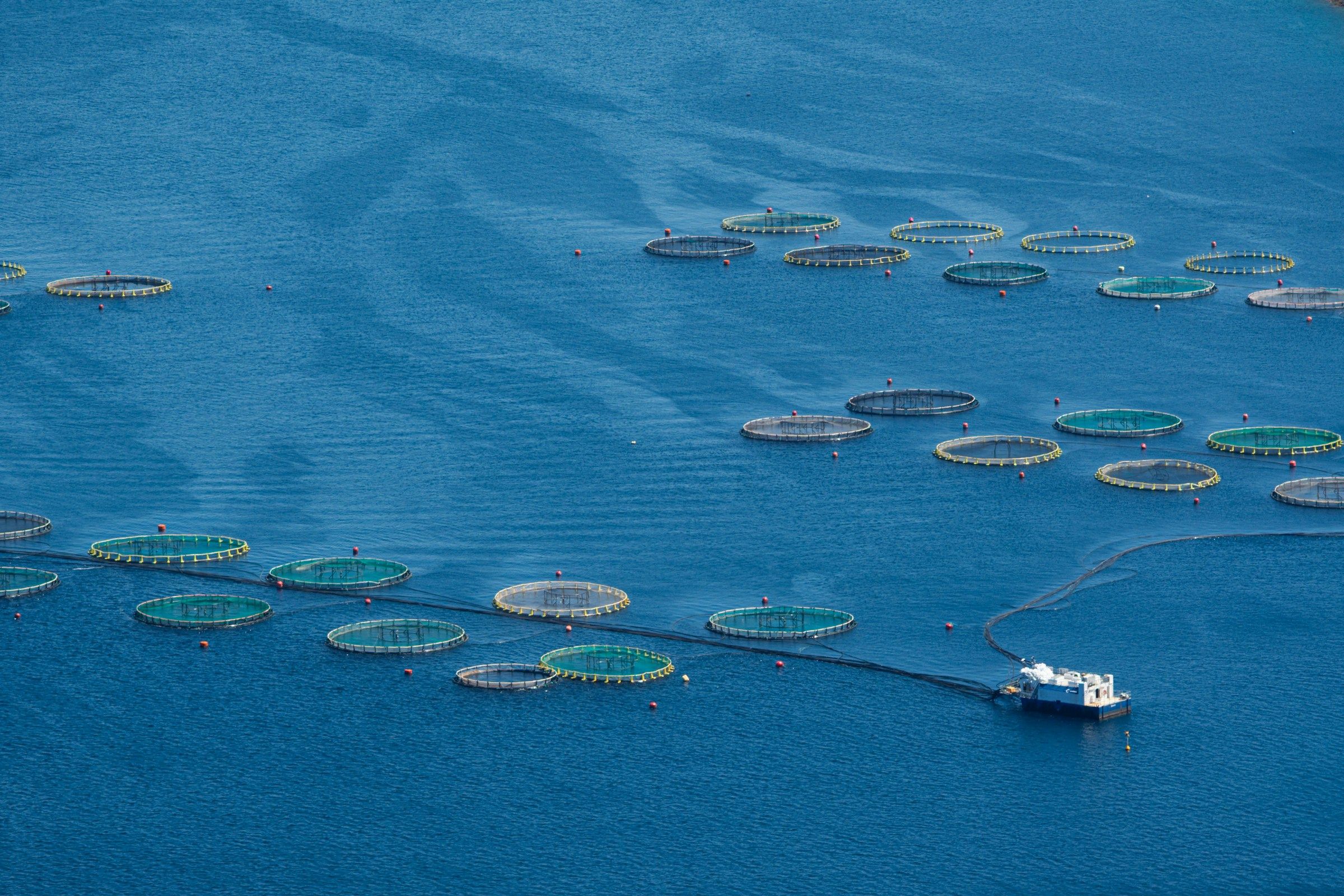
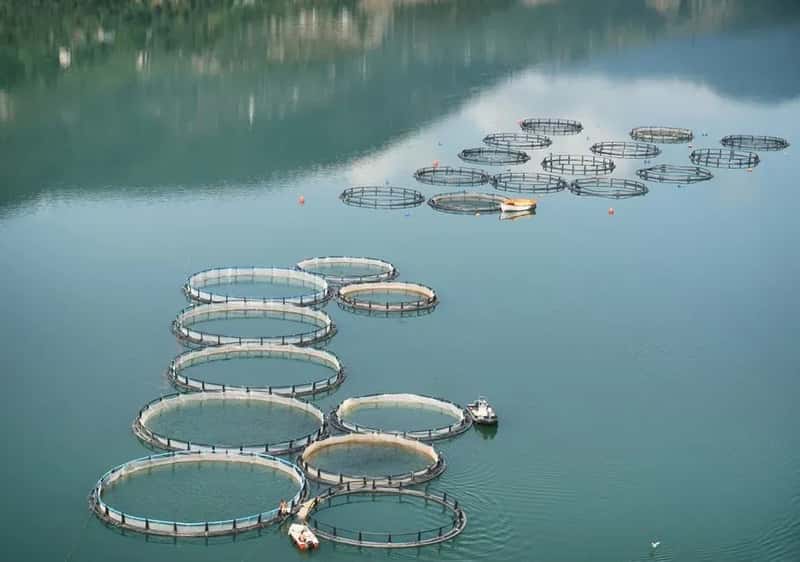
For the first time in recorded history, the world’s fish farms have produced more than 100 million tons of aquatic animals in a single year. According to the United Nations Food and Agriculture Organization’s newest biennial report, this milestone arrived quietly in 2024, yet its implications ripple across global food security, trade and environmental policy. It’s the kind of number that sneaks up on you until you realize just how much of the fish, shrimp and shellfish on dinner plates worldwide now comes from ponds, pens and tanks rather than the open ocean.
The achievement caps decades of steady, almost relentless growth in an industry that barely existed at scale two generations ago. What makes this moment particularly notable isn’t just the raw tonnage, it’s what that tonnage represents for how humanity feeds itself in an era of shrinking wild fish stocks and rising demand.
A Milestone Decades in the Making
FAO’s SOFIA 2026 report highlights a historic milestone as global aquaculture production surpasses 100 million tonnes for the first time. The report was launched at the 11th Our Ocean Conference in Mombasa, Kenya, presenting updated global fisheries and aquaculture statistics. It’s not an overnight jump either; aquaculture has been quietly climbing for years, edging closer to this threshold with each passing production cycle.
What’s striking is the pace of this growth over the long haul. While wild fisheries have largely stabilized, reflecting ecological limits and effective management of some fishery stocks, aquatic animal production has continued to grow, averaging 3.2 percent annually since the 1950s. That kind of sustained expansion, decade after decade, is rare in any food production sector, let alone one tied so closely to natural ecosystems and water resources.
Breaking Down the SOFIA 2026 Numbers
The precise figures tell a compelling story. Aquaculture aquatic animal production topped 100 million tonnes for the first time in 2024, reaching 103 million tonnes, and aquaculture now provides 53 percent of total aquatic animal production and over 59 percent of aquatic animal food output. When algae is factored in alongside farmed fish and shellfish, the totals climb even higher.
Looking at the broader picture, including algae, aquaculture produced 141 million tonnes valued at 391 billion dollars. That valuation isn’t a minor detail. It underscores just how much economic weight this sector now carries, rivaling major agricultural commodities in scale and reach across dozens of national economies.
Wild Catch Fisheries Hold Steady

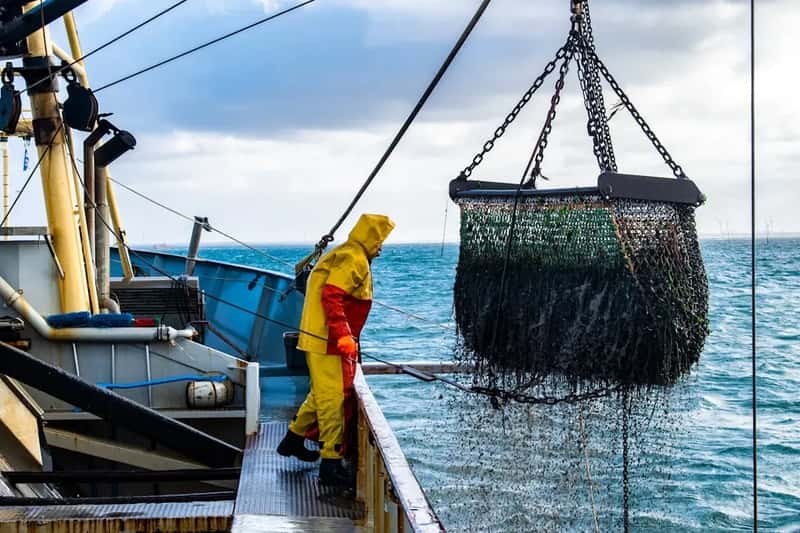
While aquaculture has surged, ocean and inland capture fisheries have essentially plateaued, which is itself a meaningful part of this story. Capture fisheries production remained broadly stable at 92 million tonnes of aquatic animals in 2024, continuing a long-term pattern of fluctuation between 86 million tonnes and 94 million tonnes since the late 1980s. This stability suggests that natural limits on wild fish populations have largely been reached, at least under current management practices.
Interestingly, one part of the wild catch story bucked the trend. Marine capture fisheries accounted for around 80 million tonnes, while inland fisheries reached a record 12.3 million tonnes. FAO said inland fisheries growth was driven partly by better data collection and reporting, as well as higher production in countries where the subsector plays an important food security role. So some of that “growth” reflects improved counting rather than purely new fish in the water, a nuance worth keeping in mind.
Asia’s Unmatched Dominance in Fish Farming
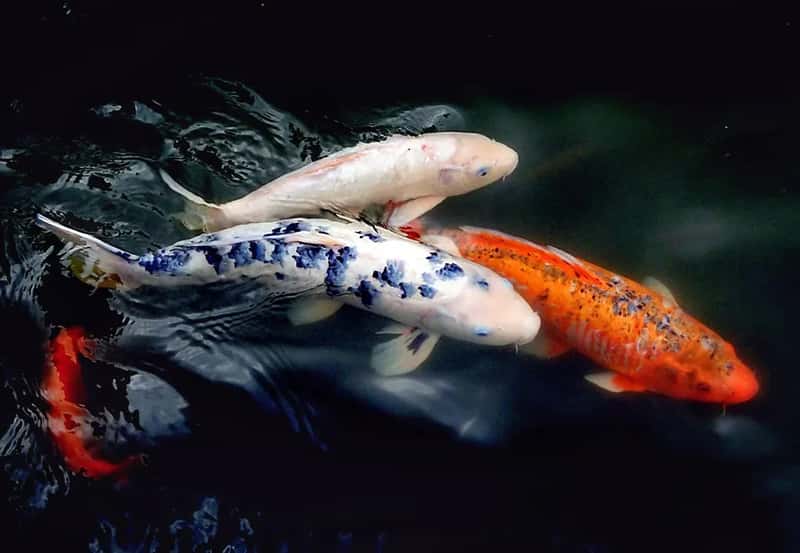
No discussion of farmed seafood is complete without acknowledging just how concentrated the industry remains geographically. Asia continues to dominate the aquaculture sector, producing around 89% of all farmed aquatic animals and 92% of total aquaculture products, but 47 countries now produce more through aquaculture than through capture, or wild, fisheries. That last detail is worth pausing on: nearly four dozen nations have effectively transitioned from a fishing identity to a farming one when it comes to their aquatic food systems.
Where did most of the recent growth actually happen? Around 7.8 million MT (or 97.7 percent) of the increase over 2022 totals was seen in Asia, with much smaller gains recorded in Latin America and the Caribbean (125,000 MT, 1.6 percent), sub-Saharan Africa (104,800 MT, 1.3 percent), and Northern Africa (47,800 MT, 0.6 percent). Meanwhile, several wealthier regions actually saw slight declines, a reminder that this boom isn’t universal even as global totals climb.
The Trade and Economic Ripple Effects
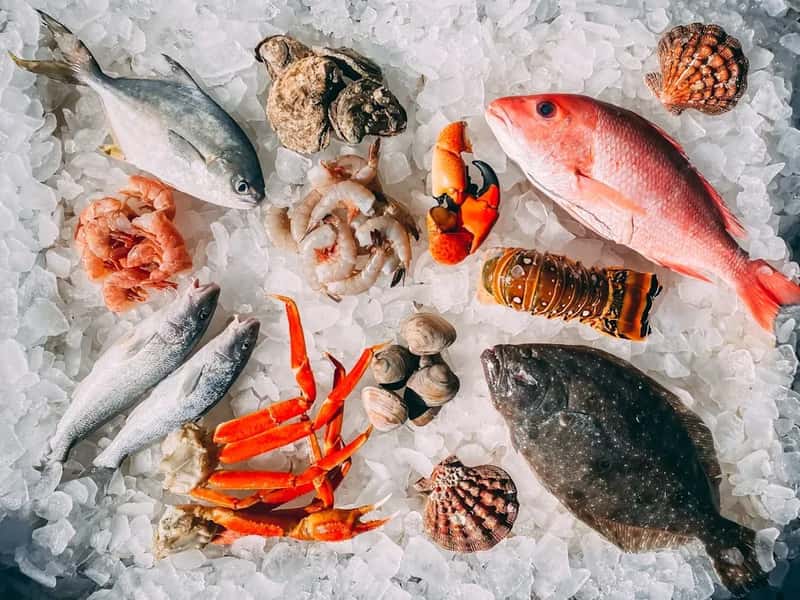
Beyond production volumes, the trade side of this story is just as remarkable. At 184 billion dollars, aquatic animal trade now rivals terrestrial meat trade, with over one-third of production traded internationally. That’s a striking comparison, placing seafood commerce on nearly equal footing with the global meat trade in monetary terms.
This didn’t happen overnight either. Between 1976 and 2024, export value rose more than twenty-threefold, nearly sixfold in real terms, in line with global trade in goods. Growth reflects higher production, improved logistics and processing, competitive pricing and trade liberalization, with products often crossing multiple borders before reaching consumers as part of complex supply chains. A shrimp farmed in Vietnam might pass through several processing hubs before it lands on a plate in Europe or North America.
Feeding Billions: The Food Security Angle
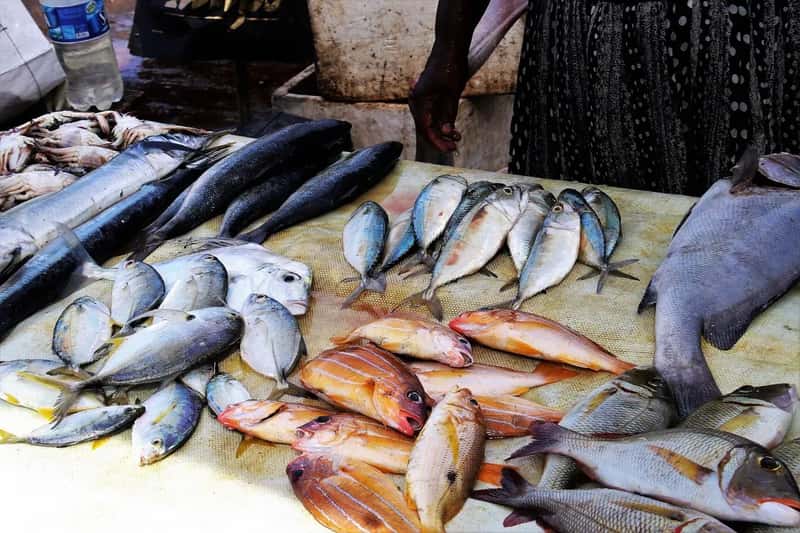
At its core, this milestone matters because of what it means for global nutrition. Global availability of aquatic animal foods amounted to 171 million MT in 2023, bringing average annual growth to 3 percent per year since 1961 and exceeding the availability of all terrestrial meats combined. That’s a remarkable statistic when you consider how central beef, pork and poultry have traditionally been to global diets.
Per person, the trend is equally clear. Per capita availability increased from 9.2 kilograms per year in 1961 to 21.1 kilograms per year in 2023, with the report attributing much of the growth to spikes in aquaculture production and a greater proportion of capture fisheries production being used directly as food. Aquatic foods also punch above their weight nutritionally, as aquatic animal foods contributed 15% of global animal protein availability and at least 20% of animal protein availability for more than 40% of the world’s population in 2023.
Livelihoods and Jobs Across the Sector
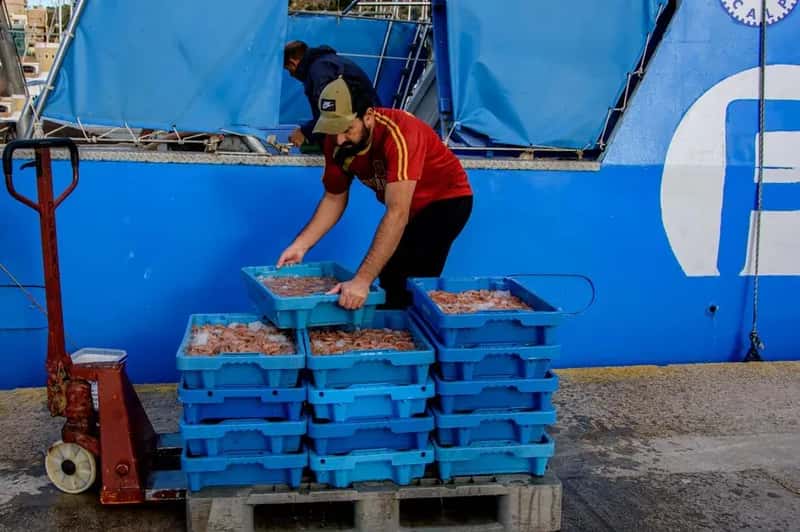
This isn’t just about fish, it’s about people too. In 2024, an estimated 65 million people were employed in the primary fisheries and aquaculture sector, excluding subsistence activities. Of these, aquaculture accounted for 35% of these workers, while capture fisheries accounted for 56%. Fish farming has become a genuine employment pillar in many coastal and inland communities.
The full economic footprint stretches even wider than direct employment figures suggest. The wider fisheries and aquaculture sector supports more than 600 million livelihoods when subsistence and secondary sector workers, and their dependents, are included. That’s a staggering number, roughly one in thirteen people on Earth connected in some way to this industry’s fortunes.
Persistent Inequality and Sustainability Concerns
Despite the celebratory tone around this milestone, FAO’s report doesn’t shy away from the uneven distribution of these gains. Despite rising availability, benefits remain uneven, with per capita aquatic animal food supply, particularly in Africa, lagging well below the global average, underscoring the need for targeted policies. Growth on paper doesn’t automatically translate into better diets for everyone, especially in regions where population growth is outpacing supply.
There are also warning signs on the wild fisheries side that shouldn’t be overlooked. The share of the world’s marine fishery stocks fished within biologically sustainable levels declined to 62.4% in 2023, down from 64.5% in 2021. Still, there’s some nuance here, since when considered by volume, 72.6% of landings from assessed stocks monitored by FAO were estimated to come from sustainably fished stocks, suggesting that larger and more abundant stocks tend to be better managed.
What Comes Next: Looking Toward 2034
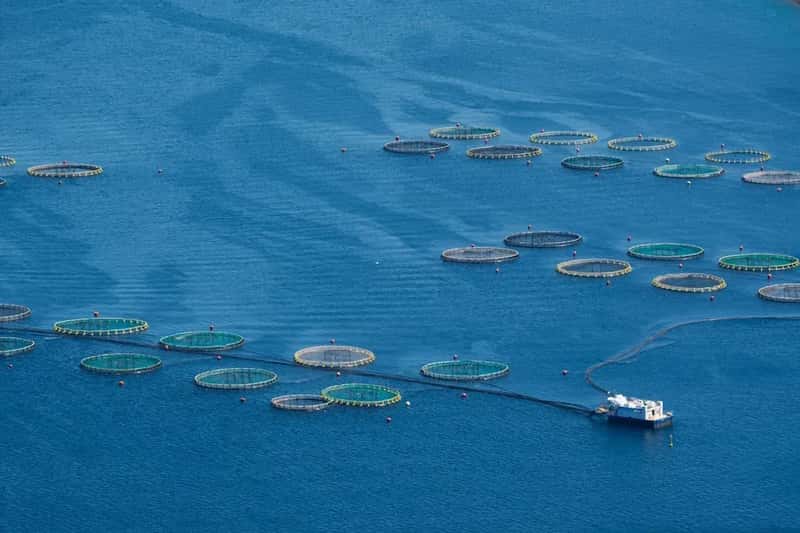
FAO’s projections suggest the growth story isn’t finished, though it may slow from the breakneck pace of previous decades. FAO expects aquatic animal production to reach 214 million tonnes by 2034, with aquaculture projected to rise to 119 million tonnes and capture fisheries to around 95 million tonnes. By that point, aquaculture is expected to account for 62% of aquatic animal food availability by 2034.
Climate change looms large over these forecasts, adding a layer of uncertainty to any long-term planning. Climate change, environmental degradation, economic shocks and geopolitical shifts are affecting performance and sustainability, and under high emissions scenarios, exploitable fish biomass is projected to decline by over 10 percent by 2050 in several regions. That’s a sobering counterpoint to today’s record-breaking headlines, a reminder that tomorrow’s fish supply depends on choices being made right now.
A Turning Point Worth Watching
Crossing the 100 million ton threshold isn’t just a statistical curiosity, it’s a signal of how fundamentally the world’s relationship with seafood has shifted. Fish farming, once a niche practice, has become the backbone of global aquatic food supply, feeding hundreds of millions of people and supporting livelihoods on a scale few industries can match. Yet as the numbers climb, so do the questions about equity, sustainability and climate resilience that will shape whether this growth can continue responsibly.
The record set in 2024 will likely be remembered as a genuine inflection point, the moment farmed seafood definitively overtook its wild counterpart as the dominant source of aquatic protein on the planet. Whether that shift ultimately benefits the communities and ecosystems most in need remains the open question for the decade ahead.