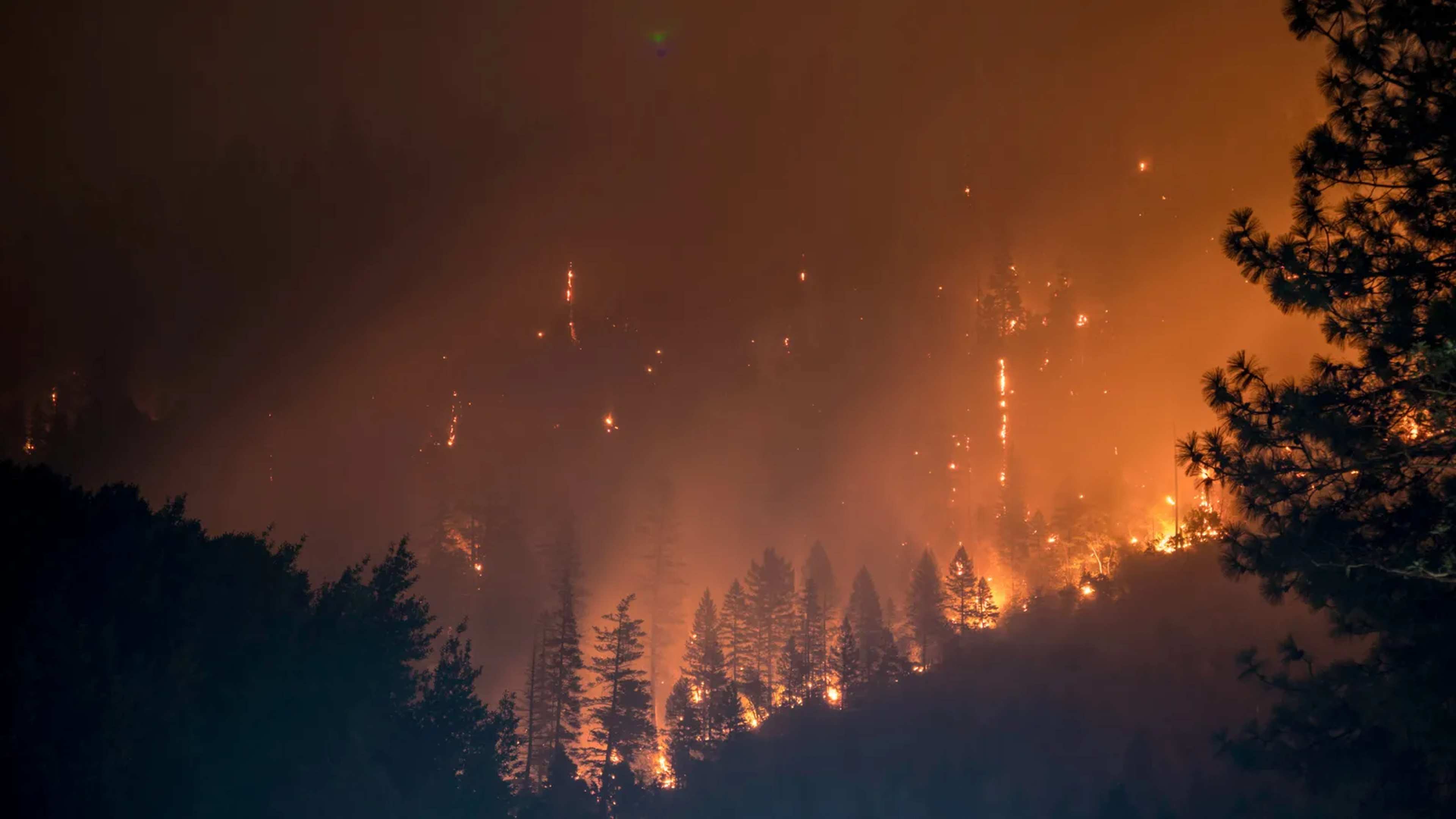
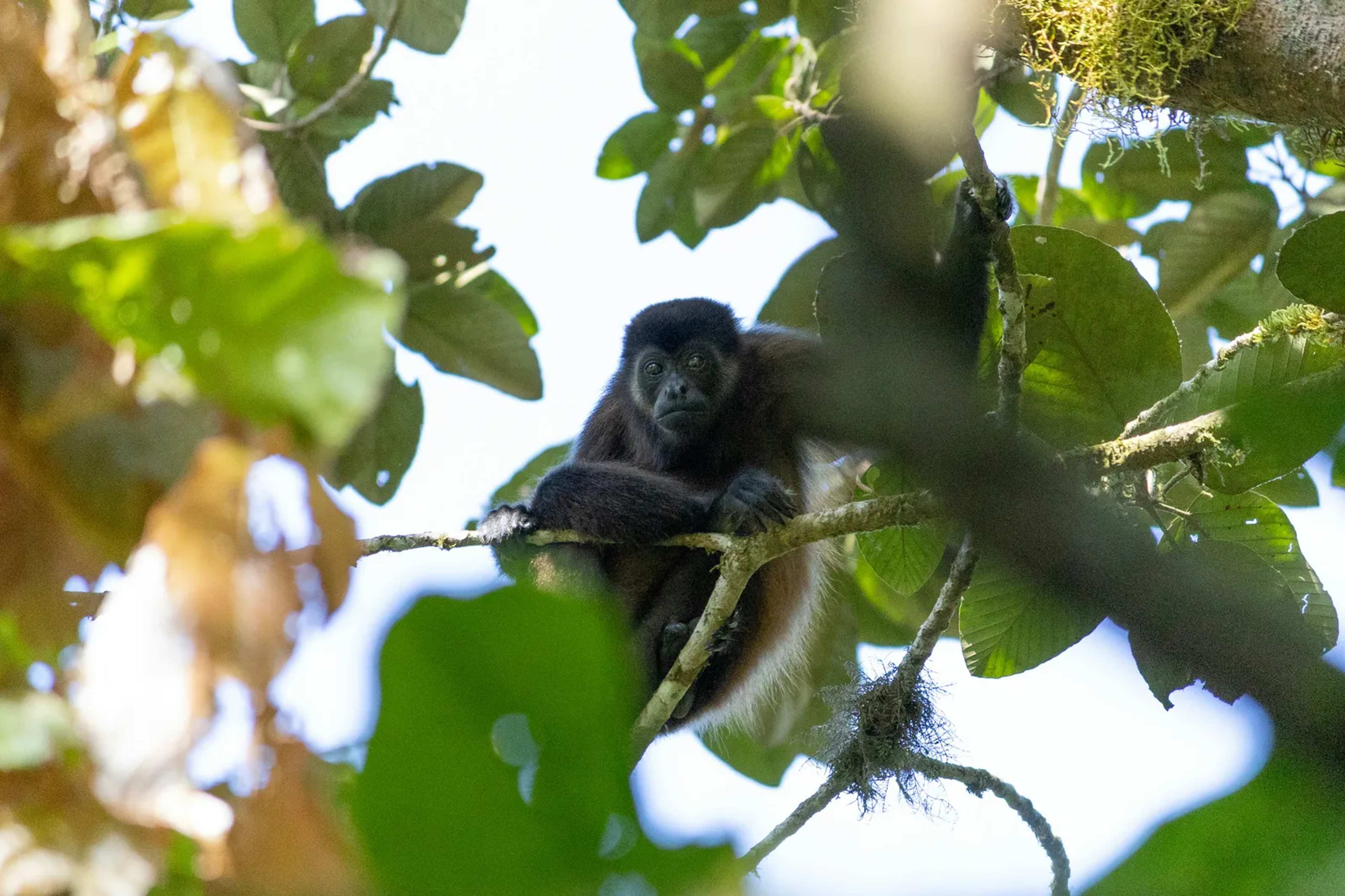
West Kalimantan – A wildfire that broke out on July 22 came within a kilometer of a key orangutan rehabilitation facility in Sungai Awan Kiri village, forcing nearly 100 responders into an urgent battle to protect more than 60 critically endangered Bornean orangutans. The flames reached the boundary of the land managed by the nonprofit YIARI but were halted before they could enter the main grounds. The incident underscores the growing pressure on conservation sites as Indonesia’s dry season intensifies.
Swift Response Prevents Disaster
Personnel from government agencies, the military, police, and YIARI staff worked for hours to contain the blaze. Thick smoke covered the area, complicating efforts on the ground. The quick mobilization proved decisive in keeping the fire from advancing further into the facility.
Without that coordinated push, the outcome could have been far worse. The center houses orangutans rescued from illegal trade and shrinking habitats, and any loss of infrastructure would have disrupted ongoing rehabilitation work. Staff later described the event as a narrow escape that reinforced the need for constant vigilance.
Why This Fire Matters Now
The blaze occurred in Ketapang district, a region already familiar with seasonal fires linked to land clearing and drought. This year’s conditions appear especially severe, with experts warning that peak fire activity has yet to arrive. The near miss at the YIARI site illustrates how quickly threats can reach protected areas.
Conservation teams across western Borneo are tracking similar risks. The combination of dry weather and human activity on surrounding land creates repeated opportunities for fires to spread. Each incident adds strain to facilities already stretched by rescue and care demands.
Preparedness Becomes Essential
YIARI CEO Karmele Llano Sánchez noted that rapid action kept the facility intact. She emphasized that future incidents will require the same level of readiness. The organization has since reviewed its response protocols to shorten reaction times even more.
Local authorities have also stepped up monitoring in the district. Satellite data and community alerts now feed into faster deployment of firefighting resources. These steps aim to reduce the chance that another blaze will reach the same critical distance.
What Comes Next
Fire season in the region typically builds through August and September. Teams at the rehabilitation center are focusing on clearing buffer zones and maintaining water supplies for any repeat event. Broader efforts include working with nearby villages to limit practices that can spark new fires.
The orangutans remain safe for now, yet the episode serves as a reminder that habitat protection extends beyond the animals themselves. Facilities that shelter them must also withstand the environmental pressures closing in from all sides.