Bolivia’s Yungas cloud forests have yielded a discovery that stands out even among the region’s rich biodiversity. Researchers have formally described a small wild cat previously unknown to science, marking the first such identification of a living cat species in more than a century. The finding, detailed in a paper published this month, underscores how much remains hidden even in well-studied areas of South America. ([1])
A Species Long Known Locally, New to Formal Records
The cat, named the tilcayo and given the scientific designation Leopardus tilcayo, takes its common name directly from terms used by residents in the region. Paola Nogales-Ascarrunz, the National Geographic explorer and Bolivian researcher who led the work, noted the choice honors longstanding traditional knowledge rather than imposing an external label. This approach reflects a growing recognition that local observations often precede formal scientific documentation by years or decades. The discovery emerged from years of accumulating evidence that small spotted cats across South America had been grouped too broadly under one name. Genetic analysis published on September 17 separated what had been treated as a single species into at least four distinct ones. The tilcayo stood apart because it occupies a specific habitat where earlier surveys had not fully accounted for its unique traits.
Distinct Traits Set the Tilcayo Apart
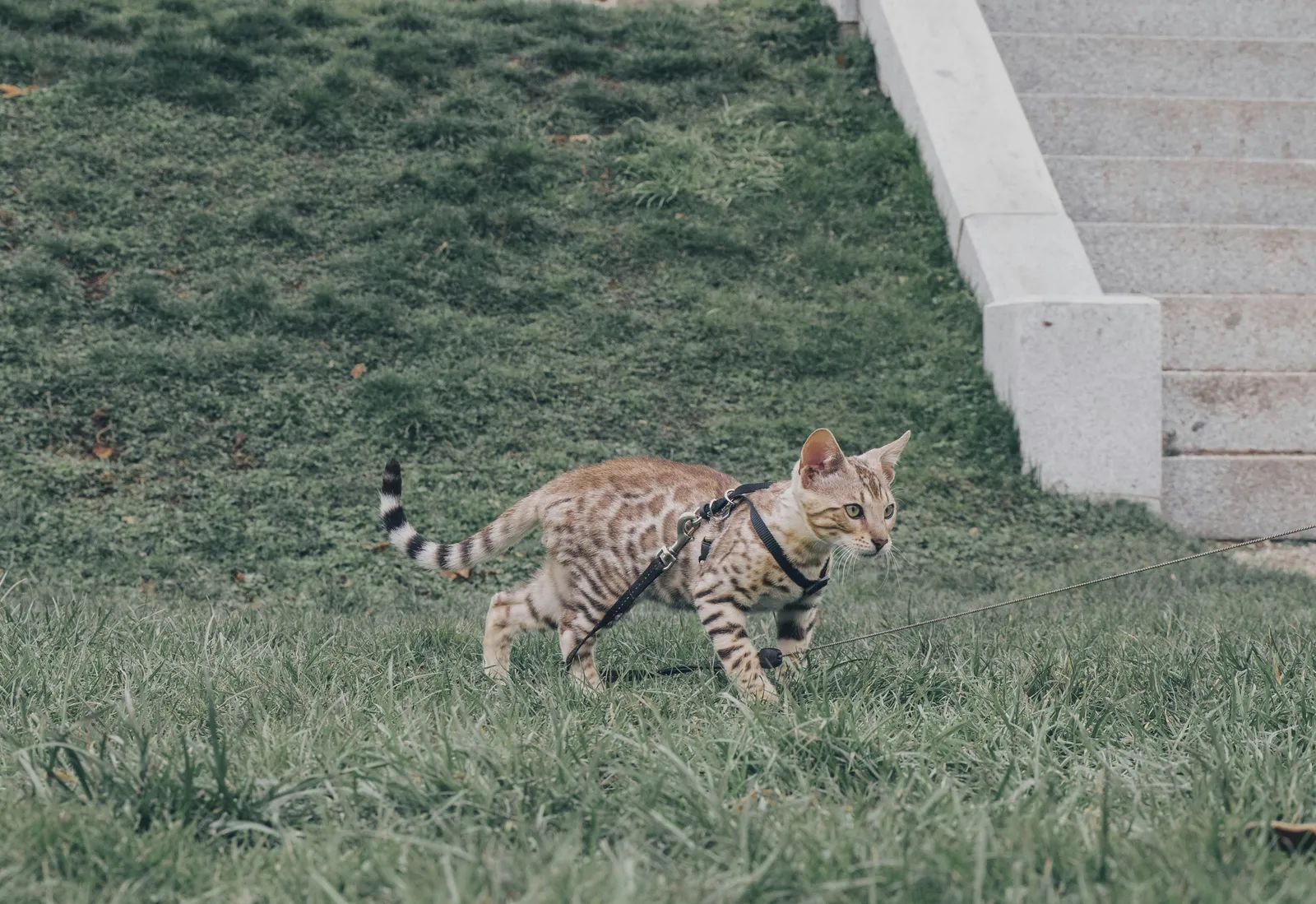
Weighing roughly 1.4 kilograms, the tilcayo is noticeably smaller than a typical house cat. Its rounded ears, slender build, and coat marked by large spots distinguish it from close relatives. These features align with the misty, forested environment of the Yungas, where camouflage and agility matter for survival. Earlier classifications had placed similar-looking cats under the umbrella of Leopardus tigrinus, the tiger cat. Mounting genetic data showed that arrangement masked real differences in range, appearance, and evolutionary history. The new description clarifies that the tilcayo represents a separate lineage adapted to cloud-forest conditions rather than a variant of a more widespread species.
Taxonomic Work Reveals Hidden Diversity
Many recent additions to the cat family tree come from re-examining existing specimens or populations. In this case, field observations combined with laboratory genetics produced a clearer picture of boundaries between groups. The result adds precision to conservation planning, because species with narrow ranges face different risks than those spread across larger territories. Still, questions remain about the tilcayo’s full distribution and population size. Further surveys will be needed to determine how isolated its Yungas habitat truly is and whether similar cats exist in adjacent areas that have received less attention. Such gaps are common when a species moves from unknown to formally recognized.
Conservation Context and Next Steps
Recognition of the tilcayo highlights the value of protecting cloud-forest ecosystems that support specialized wildlife. These habitats face ongoing pressures from land-use changes, yet they continue to harbor species that science is only beginning to catalog. Accurate species lists help guide where resources for monitoring and protection should focus. The work also illustrates how collaboration between researchers and local communities strengthens outcomes. Traditional names and sightings provided essential starting points that laboratory methods later confirmed. This pattern suggests future discoveries may follow similar paths in other under-surveyed regions of the Andes and beyond. The identification of the tilcayo adds one more piece to the puzzle of South American small-cat diversity. It also serves as a reminder that even familiar landscapes can hold surprises when examined with fresh tools and respect for existing knowledge.