Philippines – Satellite internet service Starlink has set its 2026 rates for customers in the country at a monthly fee of PHP 4,099, with hardware kits starting from PHP 14,900. The offering also carries a demand surcharge and a mandatory 12-month service term. These details matter for remote workers, island residents and frequent travelers who rely on reliable connectivity outside major urban centers.
Upfront Hardware and Monthly Service Fees
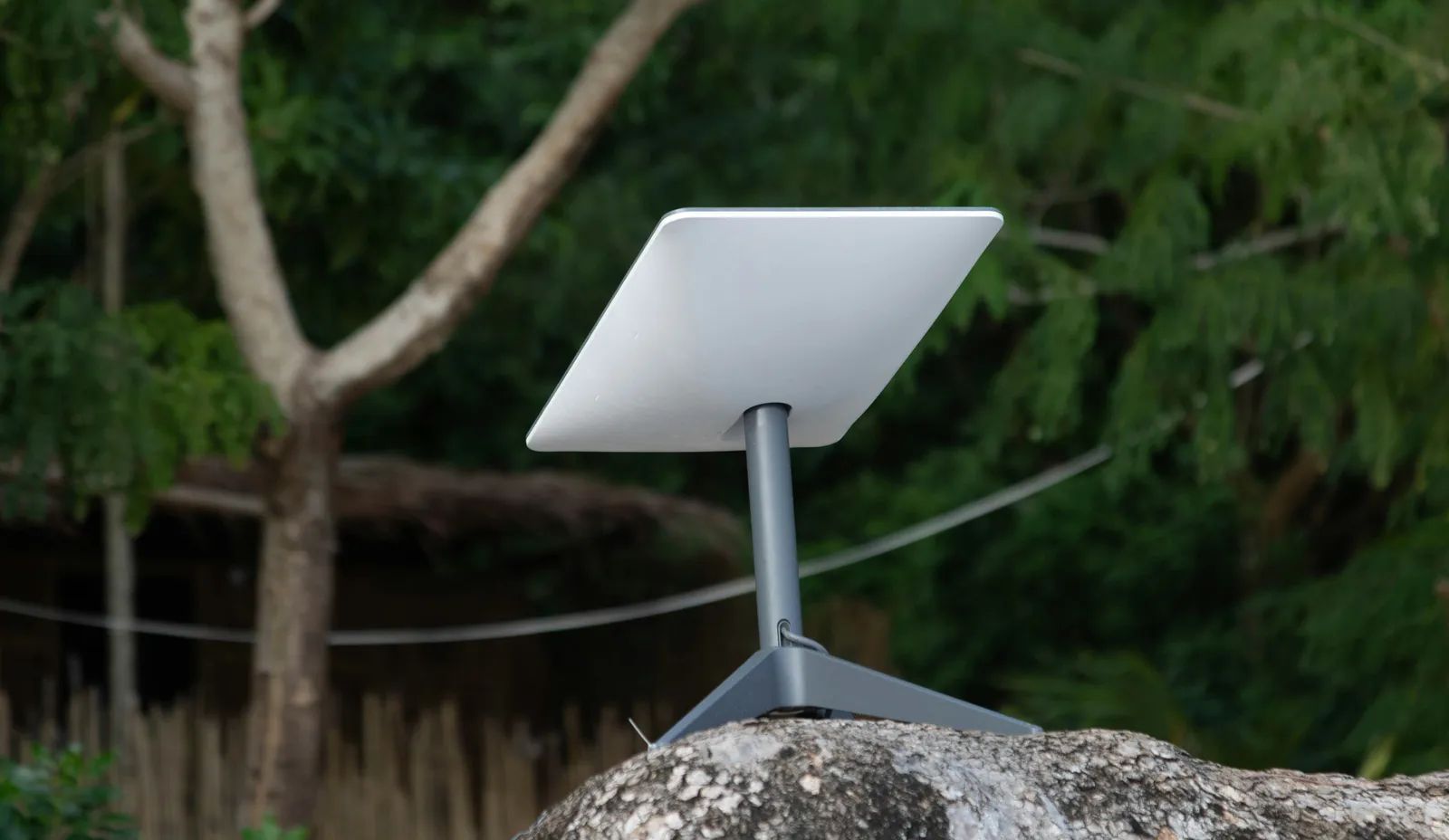
The entry point for most users begins with the purchase of a Starlink kit. Prices for these kits start at PHP 14,900, covering the necessary dish, router and cabling. Once installed, the standard monthly plan runs at PHP 4,099. This structure places the bulk of the first-year expense on the hardware purchase itself. Service activation follows the kit acquisition, and users must maintain the monthly payment to keep the connection active. The pricing reflects Starlink’s approach to balancing equipment costs with ongoing access in a market where traditional broadband remains limited in many areas.
The Added Demand Surcharge
Beyond the base monthly rate, Starlink applies a demand surcharge in the Philippines. This extra fee adjusts according to local network capacity and user density in specific regions. The surcharge aims to manage high demand in popular or underserved locations. It can increase the effective monthly cost for subscribers in affected zones. Operators have indicated that the charge helps maintain service quality as more households and businesses sign up.
Twelve-Month Service Term Requirements
New customers commit to a 12-month term when they activate Starlink service. Early termination carries penalties that recover part of the subsidized hardware cost. The contract length provides the company with predictable revenue while giving users a full year of access. It also discourages short-term trials in areas where installation and de-installation prove logistically complex. Stakeholders such as digital nomads planning extended stays should factor this obligation into their budgets.
Managing Service During Power Outages
Frequent brownouts remain a practical challenge for Starlink users across parts of the Philippines. The system requires continuous power to the dish and router for uninterrupted operation. Backup solutions such as uninterruptible power supplies or small generators allow the terminal to stay online during short outages. Users in rural or typhoon-prone zones often combine these measures with the satellite link to maintain connectivity when grid power fails. Planning for such contingencies forms part of the overall cost of reliable service.
Full First-Year Cost Considerations
Adding the kit price, twelve monthly payments and any applicable surcharge produces the total outlay for the initial year. The commitment structure means most expenses occur upfront or spread across the contract period. For American remote workers or long-stay visitors, these figures help compare satellite options against local alternatives. The combination of hardware cost, recurring fees and power-management needs shapes the real-world experience of adopting the service in 2026.