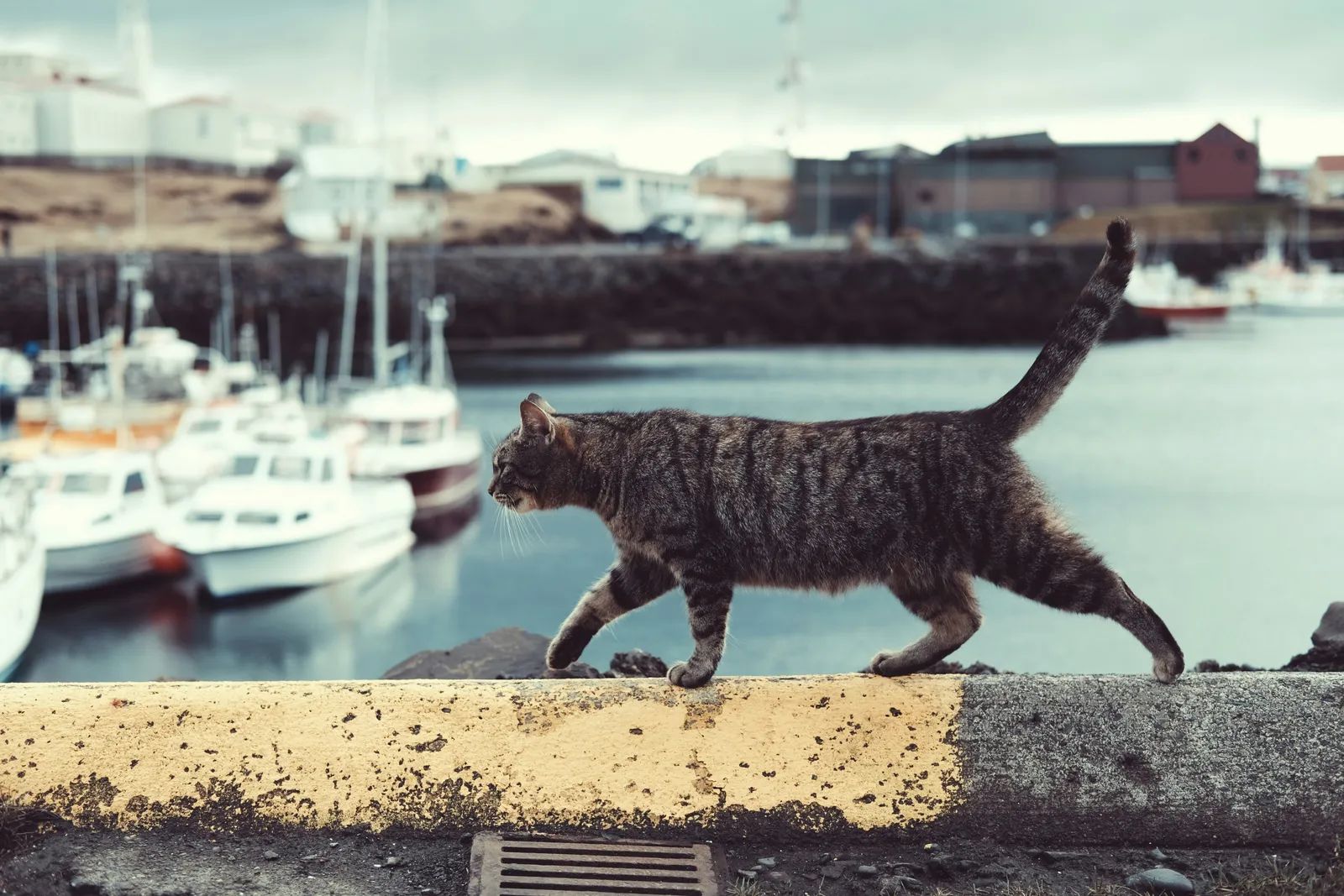
In northern Bangladesh, a male fishing cat that arrived at a rescue center in critical condition has now returned to the wild. The animal received months of care after its discovery in February 2026 and now wears a satellite collar that will help researchers monitor its movements. The case highlights practical steps that could support conservation for a species whose range lies mostly outside formal protected zones. ([1])
Discovery and Immediate Challenges
The Bangladesh Forest Department found the cat in poor shape and transferred it to the Jankichara Wildlife Rescue and Rehabilitation Centre. Staff from the Creative Conservation Alliance, which operates the facility, assessed the animal and determined that its jaw had been dislocated, most likely from human attack. The cat weighed barely five kilograms and could not feed itself.
Initial survival odds appeared low. The center began assisted tube feeding and veterinary treatment to address both the injury and severe malnutrition. Over several weeks the cat’s condition stabilized, and its weight eventually doubled to 12 kilograms.
Rehabilitation and Preparation for Release
Recovery required sustained intervention. Caregivers focused on restoring physical strength while avoiding unnecessary stress that could hinder later adaptation to the wild. Once the cat regained mobility and feeding ability, staff moved it to a soft-release enclosure at the Ooterbhag and Indanugger tea estates.
The enclosure allowed gradual exposure to the surrounding wetland habitat. This controlled transition helped the animal rebuild hunting skills and adjust to natural conditions before full freedom. The process also gave veterinarians time to confirm that the cat posed no risk to itself or others upon release.
Release and Monitoring Setup
Wildlife officials fitted the cat with a satellite-tracking collar before opening the enclosure. The device will transmit location data that can reveal how the animal uses the tea estate and adjacent wetland. Such information supports future decisions about habitat management in areas where fishing cats live near human activity.
The release site borders a large freshwater wetland, a landscape that matches the species’ typical requirements for hunting fish and other prey. Early signals from the collar will show whether the cat remains in the area or moves farther afield.
Implications for Wider Conservation
Fishing cats occur across several South and Southeast Asian countries, yet roughly 95 percent of their range in Bangladesh falls outside protected areas. Successful rehabilitation and release in working landscapes such as tea estates could therefore serve as a repeatable approach. The method combines rescue, veterinary care, and post-release tracking without requiring new protected zones.
Stakeholders including the Forest Department and local conservation groups now have a documented timeline from rescue through release. The data collected from the collar may clarify movement patterns and conflict risks, helping refine responses when similar cases arise. This outcome demonstrates one concrete way to address threats to the species while it continues to share space with people.