You step onto the plane, find your seat, and think nobody is really paying attention to you. Maybe the flight attendant glanced up, gave you a smile, and that was it. Here’s the thing though – that glance told them far more than you realize. Flight attendants are trained observers, and by the time the boarding door closes, they already have a surprisingly detailed picture of every single passenger on board.
It’s not judgment. It’s pattern recognition built over thousands of flights. And the difference between a first-time flyer and a seasoned road warrior? Honestly, it shows up faster than you’d expect. Let’s dive in.
Sign #1: How You Handle the Overhead Bin
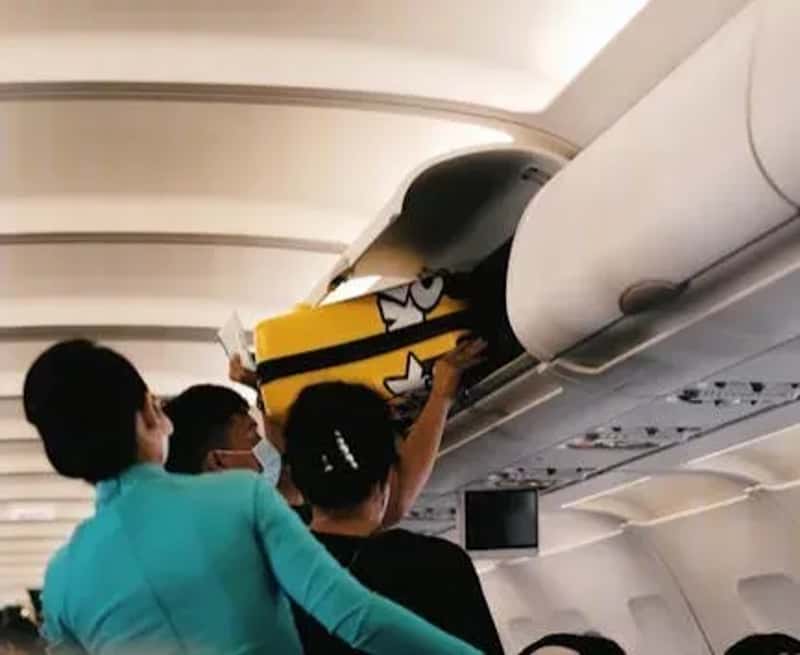
Bags tell a story. A passenger who gently adjusts their luggage to give room to others is immediately stored in the “considerate” category. On the flip side, the person shoving coats, backpacks, and duty-free bags into the overhead with no regard for anyone else is quietly logged as a likely complainer. It’s one of the very first things cabin crew clock about you before you even sit down.
Experienced travelers often have a certain air about them, and flight attendants can usually tell who they are. Frequent flyers tend to be more organized, know the boarding process well, and are quicker to settle in. They often choose seats strategically and know where to store their bags. On the other hand, less experienced travelers might struggle with seat assignments, appear confused about overhead bin space, or have trouble understanding the boarding announcements.
How you handle your luggage says plenty about your travel experience. Struggling with an oversized bag, blocking the aisle, or overstuffing bins can instantly catch an attendant’s eye. They observe whether you respect boarding procedures and remain patient while others settle in. Passengers who stay organized and move efficiently are appreciated for keeping the process smooth. Think of it like merging on a highway. Experienced drivers flow. New ones brake at the wrong moment and cause a pileup.
Sign #2: Visible Fear and Anxiety During Boarding
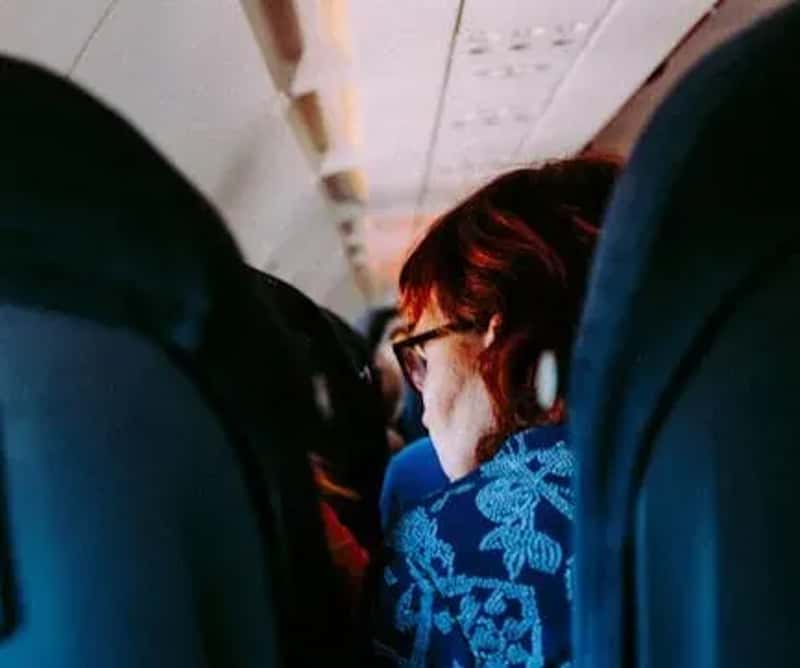
Flight attendants are trained to identify nervous flyers immediately, and this knowledge shapes their entire approach to you. It happens in seconds. The tight grip on a boarding pass, the wide eyes scanning the cabin as though looking for an exit – it all registers with the crew instantly.
Flight attendants often notice the subtle signs of a nervous flyer – tight grips on the armrests, fidgeting, or frequent glances out the window. They might offer reassuring words or keep an extra eye on you during takeoff and landing. This is actually where flight attendants often show their most empathetic side. Flight attendants also look out for nervous flyers who might appear agitated at the prospect of a flight. They will move you to an aisle seat in the center of the aircraft if available, as this is the aircraft’s center of gravity and there is less turbulence than at the rear of the aircraft. They may also seat you near a crew member who can explain what some of the noises and motions of the aircraft are.
The fear itself is nothing to be ashamed of. About 25 million people in the U.S. experience some form of anxiety when it comes to flying. This can significantly impact travel plans and life opportunities. It’s important to note that this fear exists on a spectrum. For some, it might be mild pre-flight jitters, while for others, it can be a debilitating phobia that prevents them from flying altogether. Still, a truly experienced traveler has usually learned to wear a fairly calm face, even if they’re quietly gripping their armrest on the inside.
Sign #3: Your Behavior in the First 30 Seconds After Stepping On Board
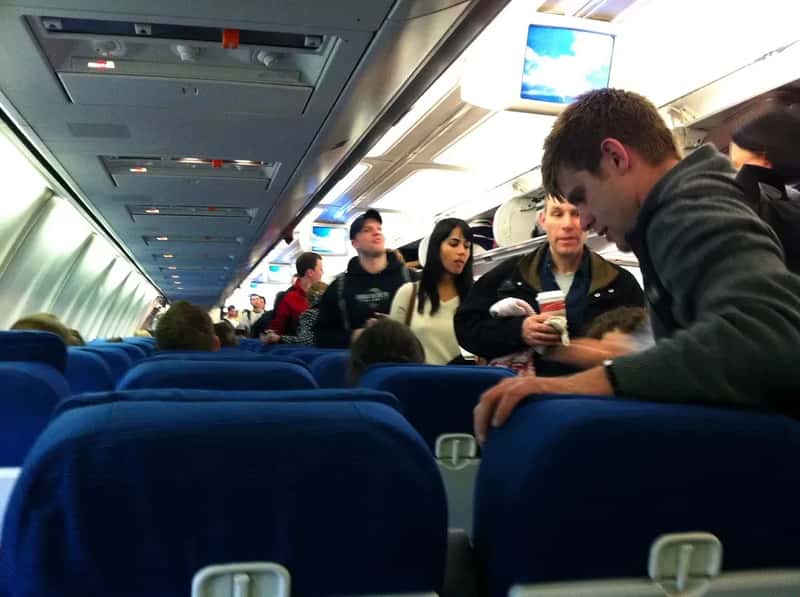
What you don’t see is that, in those three seconds after boarding, you’ve already been sized up. From how you hold your boarding pass to the way your eyes scan the cabin, the crew is building a mental snapshot of who you are on this flight. It’s honestly a little humbling when you think about it. You believe you’re just walking to your seat. They’re conducting a behavioral assessment.
People who pause, scan the rows calmly, maybe check their boarding pass again, are usually organized, lower-drama flyers. Those who barrel in, stop suddenly in the aisle, and spin around lost can create a chain reaction of tension before anyone has even sat down. The difference is like watching someone who’s cooked a recipe a hundred times versus someone reading the instructions mid-stir – one moves with ease, the other hesitates at every step.
Flight attendants are trained to pick up on everything about passengers in the blink of an eye – in around three to four seconds. From noting anxious fliers and those likely to be swerving the rules, to passengers who might need a little extra help and assistance, it’s safe to say you’re being assessed in one way or another as you prepare to take your seat. Seasoned passengers move through that door like they’ve done it a thousand times. Because they have.
Sign #4: How You Use (or Misuse) the Call Button
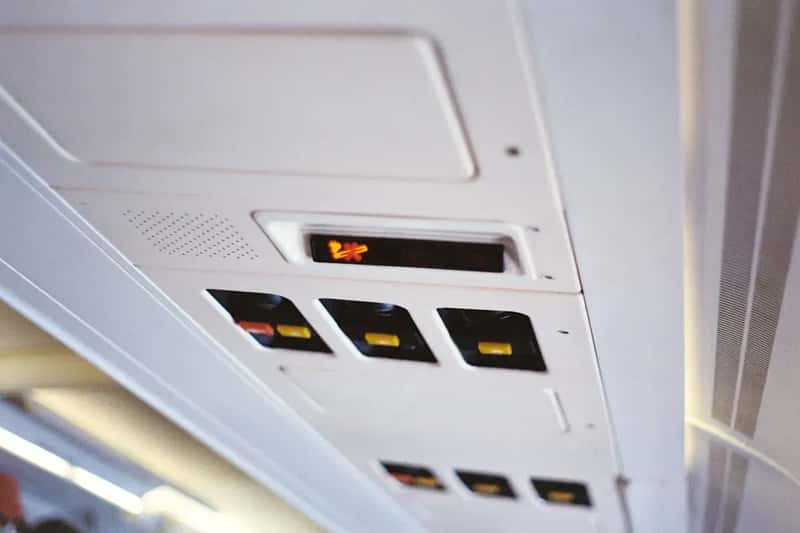
Frequent flyers typically wait until a flight attendant passes by, or they get up themselves to ask for something. The difference comes down to understanding the rhythm of a flight. When you fly often, you learn when attendants are busy with safety protocols, when they’re in the middle of service, and when they’re likely available for requests. That unspoken rhythm is something you only learn through repetition.
Flight attendants aren’t annoyed by the call button itself – they’re there to help. But they definitely notice patterns in how it’s used. Someone pressing it during taxi, immediately after the seatbelt sign turns on, or right in the middle of meal service, stands out. It’s a bit like calling your doctor during surgery. Timing matters enormously in the air.
I think this is one of the most telling signs of all, and probably the least obvious to people who don’t fly much. The call button gets treated by newer passengers almost like a hotel room service button. Experienced flyers use it sparingly and strategically. Flight attendants are trained to spot behavioral cues quickly because their job is safety first, service second. Respecting that priority is something frequent flyers understand intuitively.
Sign #5: Whether You Know the Security and Boarding Rules Cold
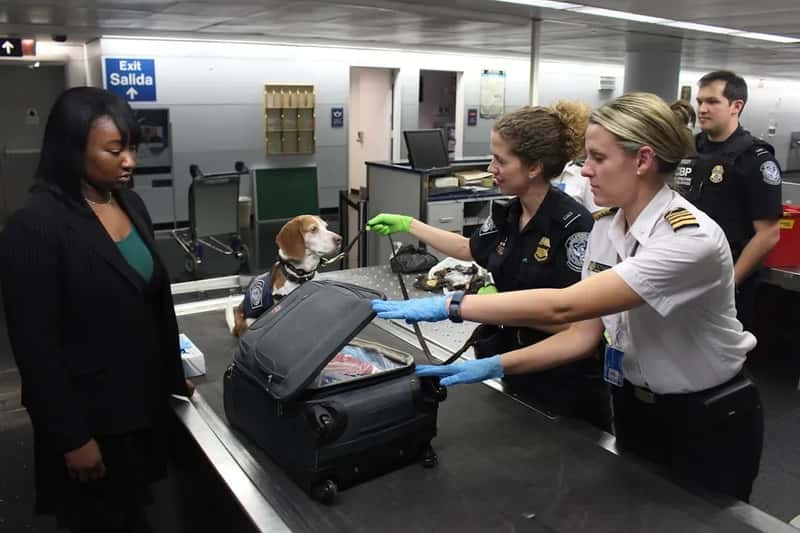
Frequent flyers know the 3-1-1 rule well: liquids must be in containers no larger than 3.4 ounces, fit into one quart-size bag, and each passenger is allowed just one bag. Originally created to prevent liquid explosives from being smuggled on board, this rule has been a standard part of air travel for years. A seasoned traveler has this packed and ready before they even leave the house.
Flight attendants also observe if you’re wearing compression socks, which might indicate you’re a frequent flyer who understands the risks of deep vein thrombosis on long flights. While they won’t typically comment on your outfit unless it poses a clear safety issue, flight attendants are mentally categorizing passengers based partly on their attire, helping them anticipate who might need blankets, who might be uncomfortable during the flight, and who might move slowly during an emergency.
Flight attendants immediately clock what you’re wearing when you board. Not because they’re judging your fashion sense, but because your clothing tells them a lot about your flying experience. Flip-flops, pajama pants, overly tight jeans, fancy shoes that pinch – these choices signal someone who either doesn’t fly often or hasn’t learned the art of airplane comfort yet. It’s a small detail that carries a surprisingly large amount of information. Experienced flyers dress like they’re heading into a six-hour meeting they actually need to survive comfortably. New travelers dress like they just forgot they were going somewhere.
Here’s a final thought worth sitting with: it’s not always the frequent flyers who get the best treatment. Sometimes, flight attendants go out of their way to help obviously inexperienced travelers precisely because they need it more. An entitled frequent flyer often gets less attention than a polite first-timer. So no matter how many miles you’ve logged, how you treat the crew matters just as much as how confidently you stow your bag. What would you say gives you away most – your carry-on or your calm?