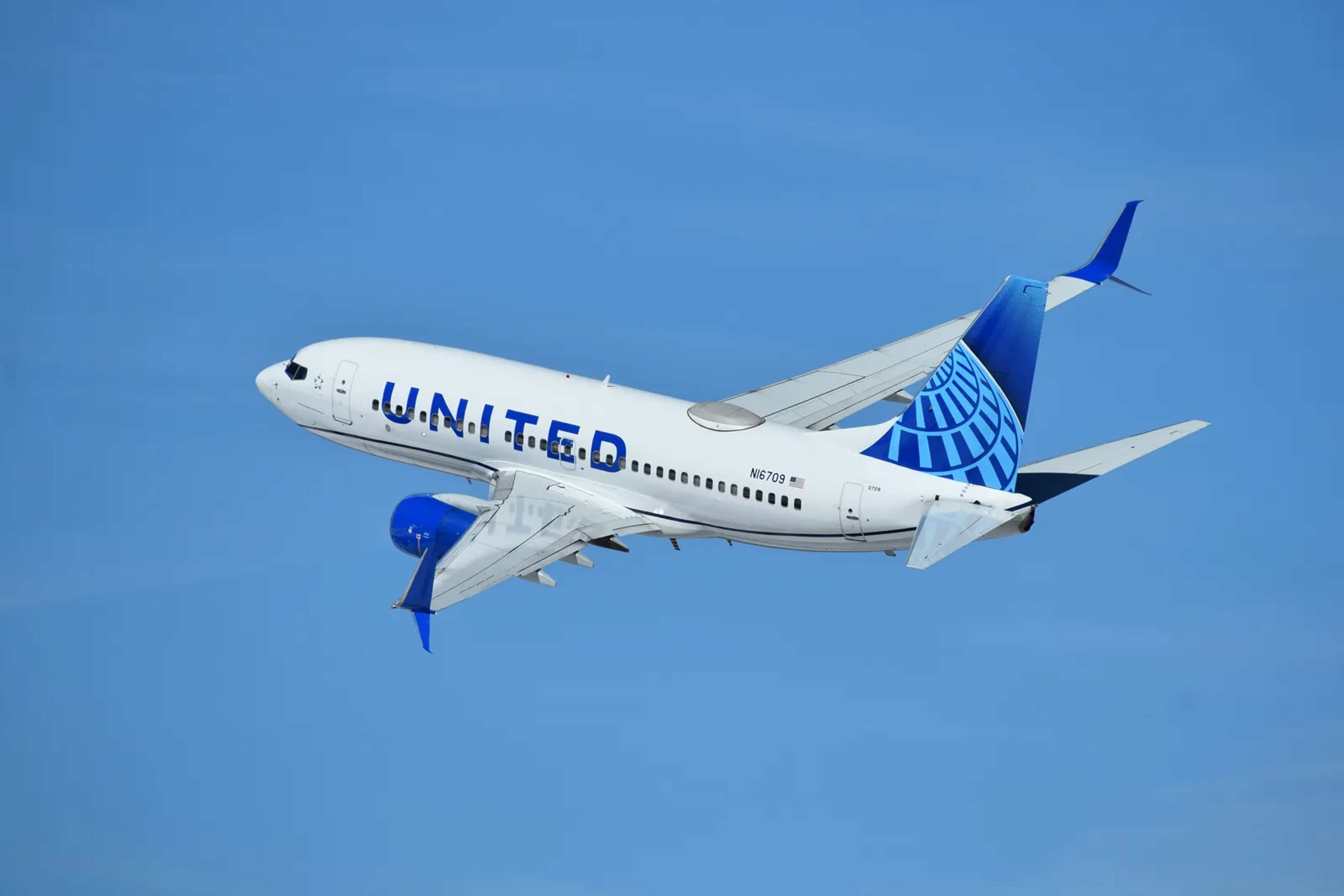
A canceled or badly delayed flight can upend travel plans in an instant, leaving passengers unsure of their options. Federal protections under U.S. Department of Transportation rules provide important safeguards, including automatic refunds in qualifying cases regardless of the cause. Understanding these rights and acting promptly helps travelers regain control and avoid unnecessary losses. The original guidance on managing disruptions draws from established practices that remain relevant for American flyers. ## Knowing When a Refund Is Required U.S. airlines must issue a full refund, including taxes and fees, when they cancel a flight and the passenger declines rebooking or alternative compensation such as a voucher. The same obligation applies to significant schedule changes or delays. A significant delay or change generally means a domestic flight that departs three or more hours earlier or arrives three or more hours later than scheduled, or an international flight delayed by six hours or more in either direction. Changes to the origin or destination airport, added connections, or a downgrade in service class also qualify. These protections apply even if the disruption stems from weather or other external factors. Airlines are required to notify passengers of their refund rights and process eligible refunds promptly, typically within seven business days for credit card purchases. ## Acting Quickly at the Airport or Online When a delay or cancellation is announced, the first step is to check the airline’s app or website for rebooking options and status updates. Many carriers allow passengers to select new flights directly through their platforms, which can speed up the process compared with waiting in line. Contacting the airline via phone, chat, or social media can also secure a seat on the next available flight, sometimes on a partner carrier at no extra cost. Keeping all boarding passes, receipts, and confirmation numbers organized makes follow-up easier if issues arise later. Passengers who decide not to travel should clearly decline any rebooking offers in writing or through the airline’s system to preserve refund eligibility. ## Airline Policies for Meals, Hotels, and Other Support Beyond refunds, major U.S. carriers maintain customer service commitments for controllable disruptions, such as mechanical issues or crew scheduling problems. These often include meal vouchers after a three-hour delay and hotel accommodations for overnight cancellations. The specific offerings vary by airline and can be reviewed on the DOT’s Airline Cancellation and Delay Dashboard. Travelers should ask gate agents or customer service representatives about available assistance rather than assuming it will be offered automatically. A new DOT rule that would reclassify certain events as outside airline control has been postponed until February 2027, so current commitments remain in effect for now. ## Following Up After the Trip If a refund does not appear automatically, passengers can submit a claim through the airline’s website or customer service portal, referencing the flight details and DOT rules. Keeping records of all communications strengthens the case. For complaints about unfulfilled commitments or other issues, the DOT accepts submissions through its consumer protection channels. Travel insurance or credit card benefits may provide additional coverage for expenses not addressed by the airline. Staying informed about these protections turns a stressful disruption into a more predictable process. Preparation before departure, such as noting airline contact methods and reviewing policies, further reduces the impact when problems occur. ([1])
Flight Canceled? Steps U.S. Travelers Can Take for Refunds and Rebooking

Matthias Binder
October 26, 2026 · 3 min read
🔥 Would you like to save this?
We’ll email this post to you, so you can come back to it later.
Matthias Binder
Matthias a curious globetrotter who collects moments from night markets, coastlines, and tiny mountain villages. Plans trips around local food, scenic trains, and the best views at golden hour.
View Profile & Articles