Flying past 60 comes with its own set of quiet negotiations, the kind that happen at a gate desk or with a raised hand toward a passing flight attendant rather than in any official policy manual. Airlines rarely advertise these small accommodations, yet crews grant them constantly because a comfortable passenger is a calmer, safer passenger for everyone on board. Economy class doesn’t come with much wiggle room on paper, but in practice, gate agents and flight attendants have far more discretion than most travelers realize.
The trick is knowing what to ask for, and asking early enough that the crew can actually help. None of these requests require status, upgrades, or a fat travel budget. They just require a traveler willing to speak up, and a crew that, more often than not, is happy to say yes.
1. A Little Extra Time to Board

Most major carriers now build a formal early boarding window into their process specifically for travelers who need more time to get settled, not just for families with toddlers or elite flyers. American Airlines rolled out changes in May 2025 that put preboarding before group boarding begins, covering first and business class passengers, families with children under two, and anyone who needs extra time. That last category is the one that matters most here, and it isn’t limited to wheelchair users.
Under federal disability law, the bar for qualifying is refreshingly low. U.S. airlines must let disabled passengers preboard if they say they need extra time or assistance to get on the plane, without requiring proof, documentation, or a full explanation of a condition. A passenger over 60 with a bad knee or slower gait can simply tell the gate agent they’d like to board early, and crews are trained to accommodate that without a second thought.
2. An Aisle Seat Near the Front of the Plane
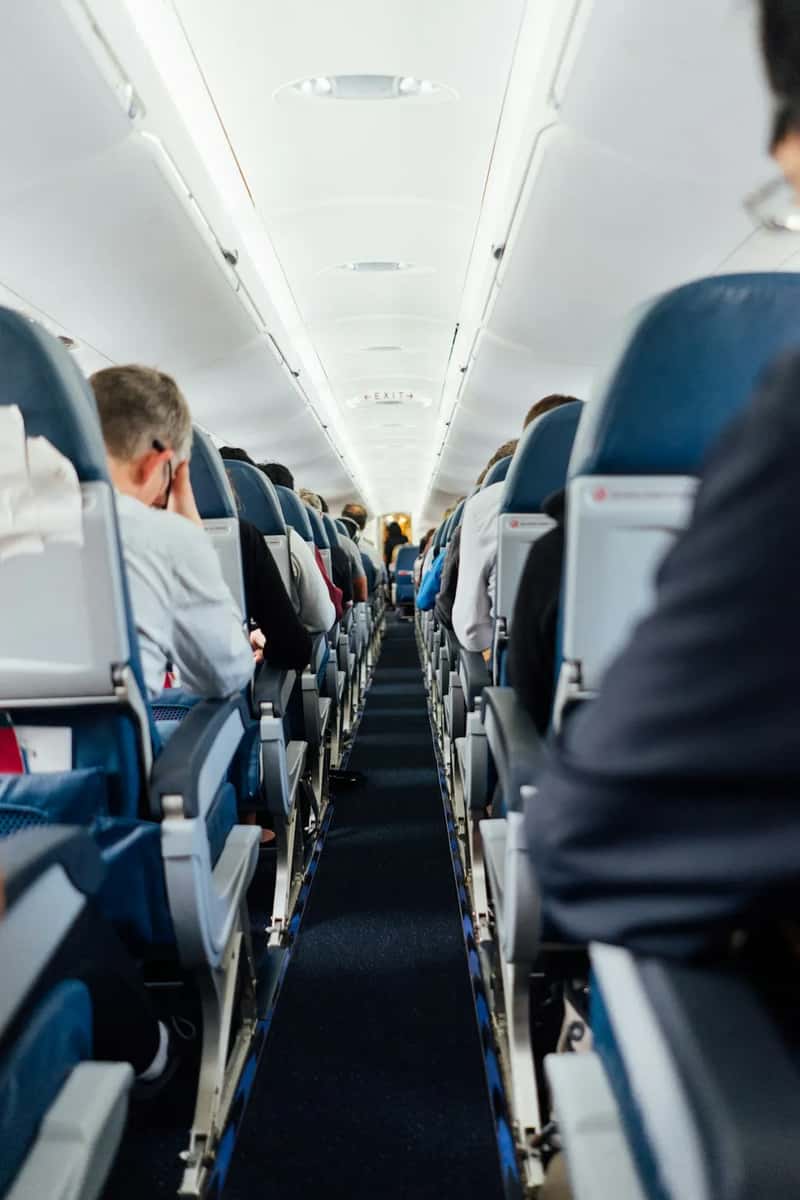
Seat location requests are one of the most common asks crews field from older travelers, and for good reason. Many older travelers prefer sitting near the front of the plane, where it is easier to access the bathroom and get on and off the aircraft. An aisle seat compounds that benefit by removing the need to climb over neighbors.
The added comfort goes beyond convenience. For seniors recovering from surgery or dealing with circulation issues, aisle seats can also make it easier to stand, stretch, and move around during longer flights, and regular movement may help reduce stiffness and swelling. Gate agents can’t always guarantee a specific seat once a flight is full, but asking at check-in or the counter, rather than relying only on the booking website, tends to get better results.
3. Help Finding Overhead Bin Space

Wrestling a rolling bag over your head while a line of impatient passengers builds behind you is stressful at any age, and it gets harder once shoulders and backs aren’t what they used to be. Crews notice this, and helping is part of the job description in a way many travelers don’t expect. Flight attendants can help with resolving conflicts between passengers, assisting with overhead bin space, and supporting in-flight comfort whenever possible, including providing seatbelt extenders, earplugs, or Band-Aids for minor cuts.
What crews generally won’t do is lift genuinely heavy suitcases, and that’s a safety rule, not a lack of willingness. Attendants must avoid handling heavy bags to prevent back injuries, and airlines expect passengers to manage their own belongings or check oversized luggage. Still, a flight attendant will happily guide a lighter bag into place, point out open space further back, or hold a cane while a passenger settles a smaller item overhead.
4. Wheelchair or Cart Assistance Between Gates
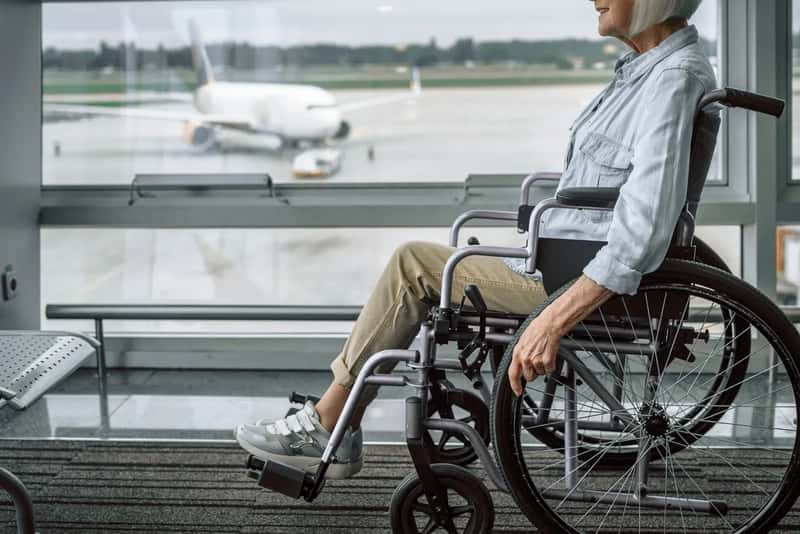
Long terminal walks and tight connections are one of the biggest sources of anxiety for older flyers, and airlines have built a whole layer of service around solving it. Passengers can request a wheelchair with attendants to help maneuver through the airports they’re departing from and arriving to, including during connections. This service is free and doesn’t require any documentation of a permanent disability.
Airports also offer faster options for travelers who can walk but tire easily. Some larger airports have gate-to-gate cart service for connecting passengers who need assistance, worth asking about especially with a tight connection. Booking this in advance through the airline’s special services line, rather than trying to arrange it at the gate the day of travel, tends to produce smoother results, and most airlines recommend calling at least 48 hours ahead.
5. Keeping Shoes and a Light Jacket On at Security
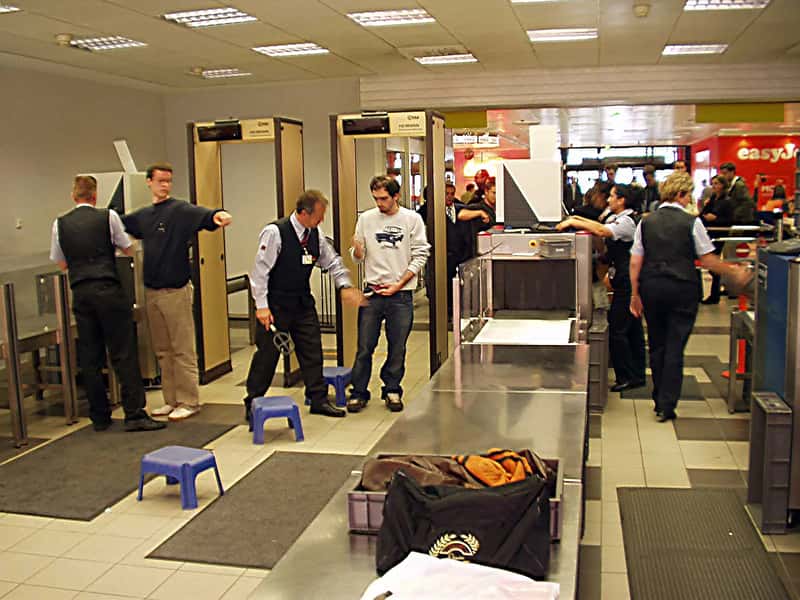
Airport security has changed dramatically over the past year, and it’s worth knowing exactly where things stand in 2026. As of a major policy shift in July 2025, the TSA officially ended the mandatory shoe-removal rule for all passengers, made possible by the nationwide rollout of advanced CT scanners and AI-assisted screening technology. That change benefits every traveler, not just those over 60.
Older passengers still retain a few extra courtesies beyond that baseline. Passengers 75 and older can receive some form of expedited screening through risk-based, intelligence-driven security, and may leave on their shoes, though removal of light jackets is required for Advanced Imaging Technology screening. Passengers who can’t stand for the full screening process have options too. Travelers can request to be seated during additional screening, and those 75 and older who are unable to stand will be screened through other security methods.
6. A Passenger Support Specialist at the Checkpoint
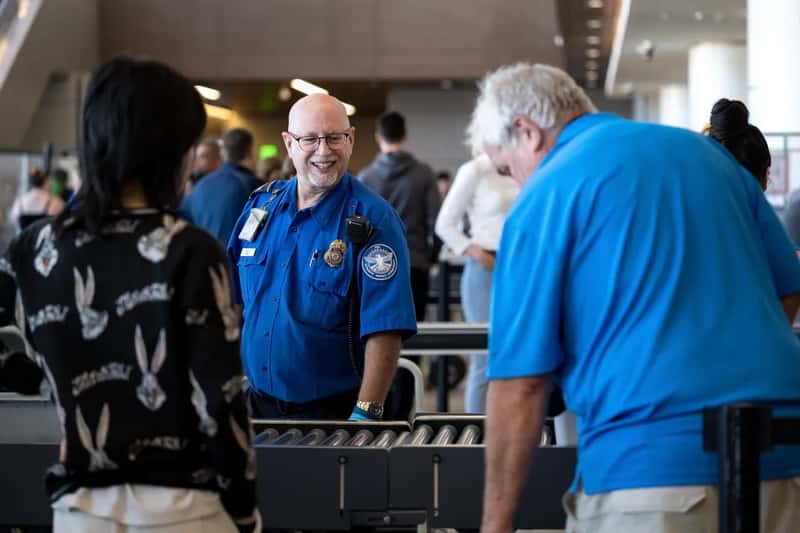
Not every senior traveler knows this program exists, but it’s one of the most useful things TSA offers. TSA Cares helps travelers with medical, mobility, or cognitive concerns, and seniors may request a Passenger Support Specialist to guide them through screening. These specialists walk alongside a passenger from the checkpoint entrance through the far side, answering questions and smoothing over any confusion along the way.
Timing the request matters. Travelers are advised to try to call or email 72 hours prior to traveling to arrange this kind of support. Passengers who show up without advance notice can still ask a TSA officer at the checkpoint directly, and most stations will accommodate the request on the spot when staffing allows.
7. Extra Water Throughout the Flight

Cabin air is notoriously dry, and staying hydrated matters even more for older travelers managing blood pressure medication or circulation concerns. Flight attendants are used to fielding repeated requests for water and generally don’t mind a bit, particularly once they know a passenger’s situation. This is one of those small, recurring asks that crews say yes to without hesitation, since it takes only a moment to hand over a cup during a beverage run or refill a bottle on a later pass through the cabin.
The key is communicating the need early rather than waiting until midflight discomfort sets in. Flight attendants are trained to prioritize passengers who need assistance, but only if they know ahead of time, so telling the gate agent about needing help with water or standing before boarding lets the crew check in proactively. A short conversation at boarding tends to translate into better service throughout the flight.
8. Special Meals for Dietary Needs
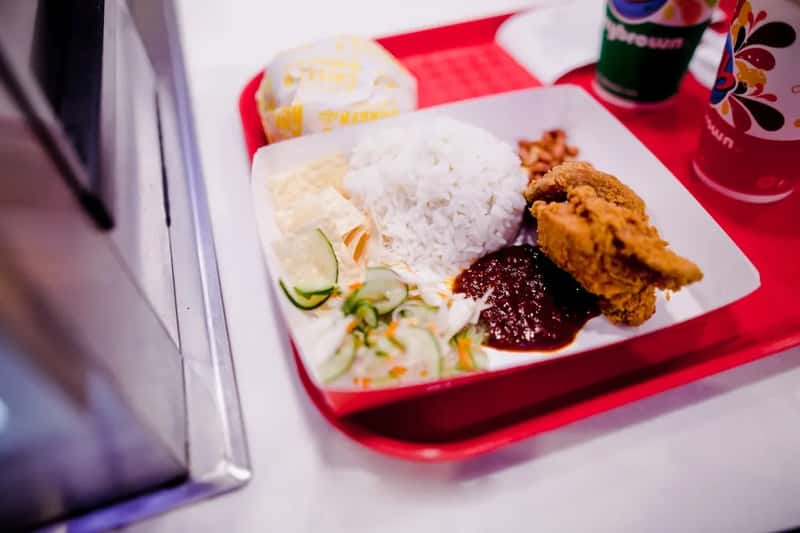
On longer routes, meal requests are one of the easier accommodations for airlines to fulfill, provided they’re made with enough notice. On longer flights, many airlines give senior passengers the option to request specialty meals that can accommodate dietary needs such as low-sodium, diabetic-friendly, or vegetarian options. These requests typically need to go in at booking or at least 24 hours ahead, since the meals are loaded before departure.
Asking doesn’t just improve comfort, it can matter for genuine health management. Asking about meal choices when booking a ticket helps ensure passengers have food that supports their health and comfort throughout the flight. Crews can’t conjure a special meal midflight if it wasn’t ordered in advance, but they will happily point out what alternatives exist if a passenger’s stated need slipped through the cracks.
9. Comfort Items Like Blankets, Pillows, or Seatbelt Extenders
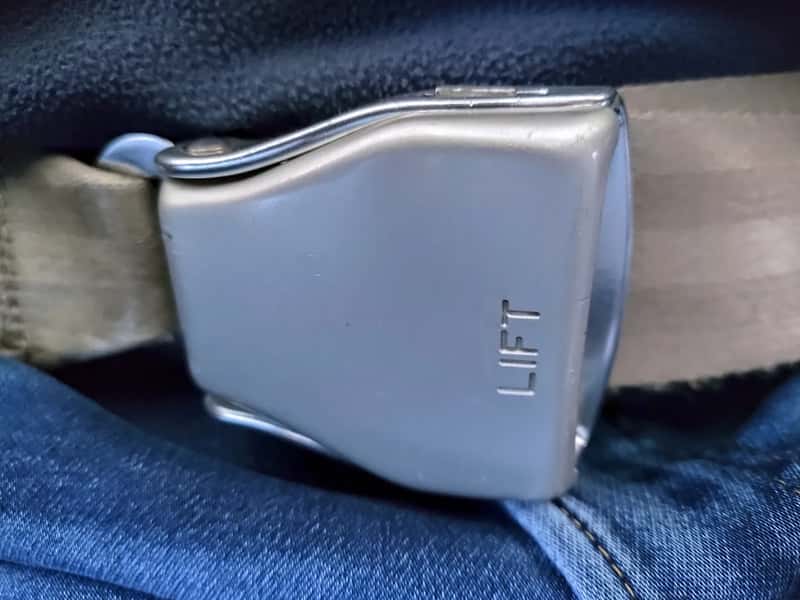
Small physical comforts go a long way on a flight that might stretch four or five hours, and crews keep a stash of these items specifically for passengers who ask. Flight attendants can support in-flight comfort whenever possible, providing items like seatbelt extenders, earplugs, or Band-Aids for minor cuts. None of these requests carry any stigma among crew members, who see them constantly across every age group.
Seatbelt extenders in particular are handed over quietly and without fuss, tucked discreetly rather than announced to the row. Passengers managing joint pain, arthritis, or simple stiffness from sitting still often find that a spare pillow tucked behind the lower back, freely available on most wide-body flights, makes a noticeable difference over a long haul.
10. Letting the Crew Know About Medication or a Medical Device
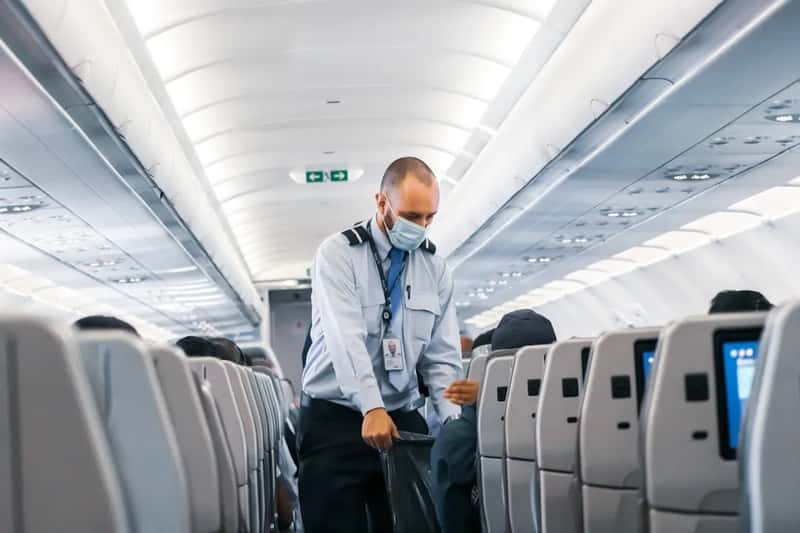
A quiet heads-up at boarding can change how a flight attendant watches over a passenger for the rest of the trip. Crews are trained to prioritize passengers who need assistance, but only if they know ahead of time, so telling the gate agent about needing help lifting a bag, standing up, or getting water before boarding lets the flight crew check in. The same logic applies to anyone carrying insulin, heart medication, or a portable device.
Devices like pacemakers deserve a specific mention at security as well as onboard. Passengers with a medical device like a pacemaker are generally advised to request a pat-down at security rather than going through a scanner. Crews appreciate knowing this information ahead of takeoff rather than discovering it mid-flight during an unexpected moment.
11. A Few Extra Minutes to Gather Belongings Before Deplaning
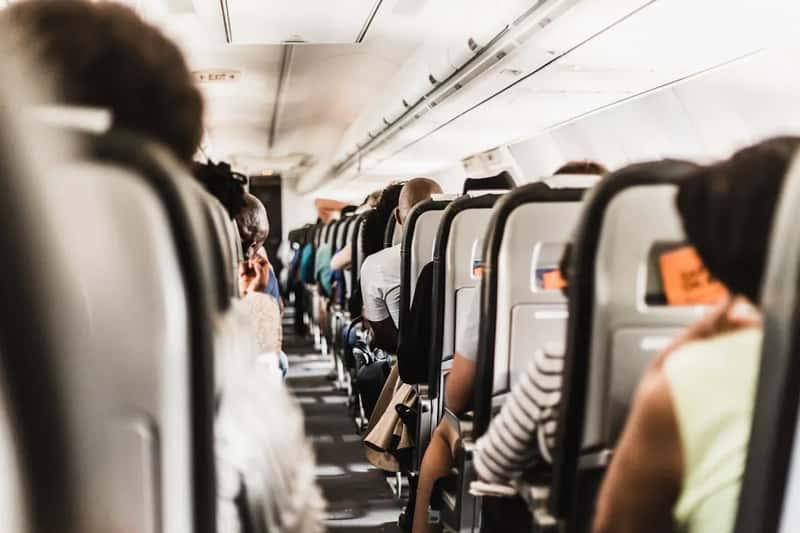
The scramble that happens the instant a plane reaches the gate is one of the more chaotic rituals of modern air travel, and it’s genuinely unnecessary for anyone in less of a rush. Crews are generally sympathetic to older passengers who prefer to let the aisle clear before standing, rather than fight through the crowd trying to retrieve a bag from an overhead bin. A quiet word to the nearest flight attendant, asking to be one of the last off, is almost always met with a nod and a bit of patience.
This also solves a safety concern crews worry about more than passengers might expect. Standing up the moment wheels touch down, before the seatbelt sign turns off and while the aircraft is still taxiing, creates exactly the kind of jostling and bag-shuffling that leads to minor injuries. Waiting it out, and asking the crew for a hand retrieving a bag from a higher bin, tends to be the safer and calmer route for everyone in the row.
12. Clearly Repeated or Large-Print Safety Information
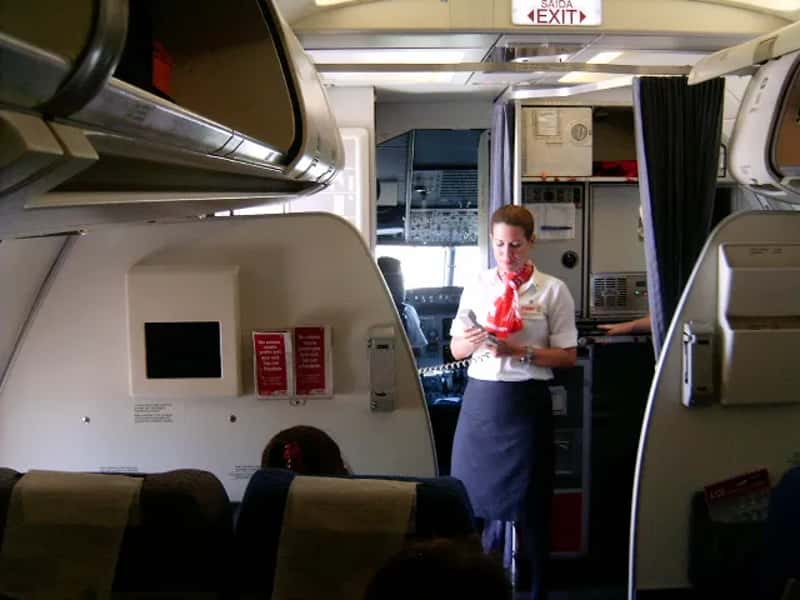
Not every hearing or vision limitation is obvious at a glance, and crews have specific tools ready for passengers who need a different way to receive safety information. In-flight announcements will be personally conveyed to passengers who may not have heard or seen them due to a disability, and flight attendants can also provide sight-impaired passengers with safety information cards in large print or braille. All it takes is mentioning the need during boarding or the initial safety briefing.
This kind of accommodation extends to reservations made well before departure, too. Every airline in the United States accepts reservation requests via telecommunication devices used by hearing-impaired passengers. Crews take these requests seriously precisely because federal accessibility rules require it, but in practice, most flight attendants go out of their way to make sure the information actually lands, not just technically gets delivered.
None of these thirteen requests demand a first-class ticket or a lifetime of frequent-flyer miles. They rely on something simpler: speaking up early, being specific about what’s needed, and trusting that most crews genuinely want to make the flight easier, not harder. Airlines built these accommodations because decades of older travelers asked for them, and the quiet truth is that crews say yes far more often than policy manuals ever spell out. The next time a flight feels daunting, remember that a polite, well-timed request is often all it takes.