Picture a two week trip through Europe with about $3,000 on your credit card. With a typical three percent transaction fee, travelers would pay an extra $90 just in fees.[1] That money buys nothing, not a meal or a train ticket, and it often shows up on the statement as a small separate line that’s easy to miss.
Whether you pay that charge depends almost entirely on which card is in your wallet. Some cards add the fee to every overseas purchase, while others skip it altogether. The details are worth sorting out before you leave home, or before you order from a foreign website.
What a Foreign Transaction Fee Actually Is
A foreign transaction fee is a surcharge imposed by a card issuer or bank when a transaction is processed outside the home country of the account holder.[2] The charge usually appears as its own line item on your statement, separate from the purchase itself.
It isn’t limited to travel. It applies to any transaction involving a merchant that routes its payments through a non-US bank.[2] So a purchase from an overseas online shop can trigger it even if you never leave your couch.
How Much These Fees Usually Cost

The range is fairly consistent across sources. Foreign transaction fees cost one to three percent of each purchase, withdrawal, or other card transaction processed outside of the U.S.[3] The same WalletHub report puts the average at about one and a half percent in 2026.
That average hides a split. Three percent is common[4] on cards that charge the fee, while many travel cards charge nothing, which pulls the overall figure down. Think of the average as a blend of two very different groups of cards.
Where the Fee Comes From: Network and Issuer

Two parties can take a cut. Networks such as Visa and Mastercard charge a currency conversion fee of around one percent, while some issuers add a two percent charge on top.[3] Add them together and you get the familiar three percent.
This also explains why some cards charge nothing. If a Mastercard credit card’s foreign transaction fee is zero, it’s because the issuer pays the one percent network fee for you.[5] The issuer is simply absorbing the cost.
Which Credit Cards Still Charge the Fee
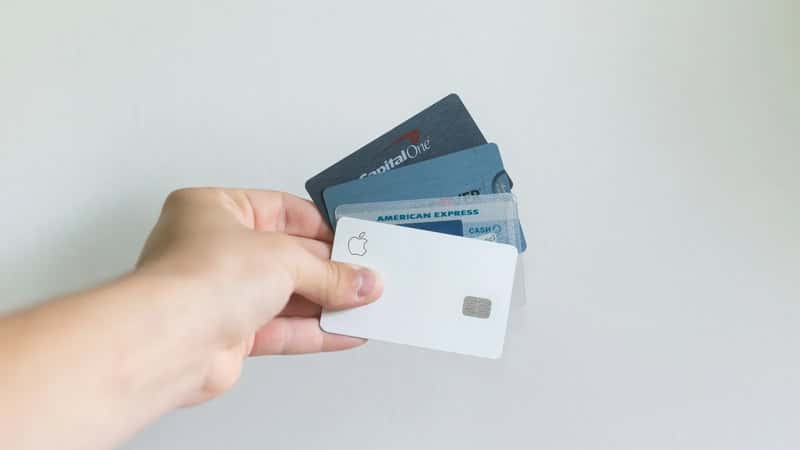
Basic cards are the most likely culprits. One 2026 guide describes the landscape in three tiers, and cards with a three percent fee are most basic Visa and Mastercard products from major U.S. banks.[6] Some store cards and a few legacy products charge one percent.[6]
Even popular rewards cards aren’t guaranteed to be exempt. In one database of 65 cards, 64 had no foreign transaction fee, and the Citi Custom Cash was the only one that charged it.[7] That sample was built around rewards cards, so it doesn’t represent every card on the market, and issuers can change terms. Checking your own card is still the safest route.
Cards That Waive the Fee
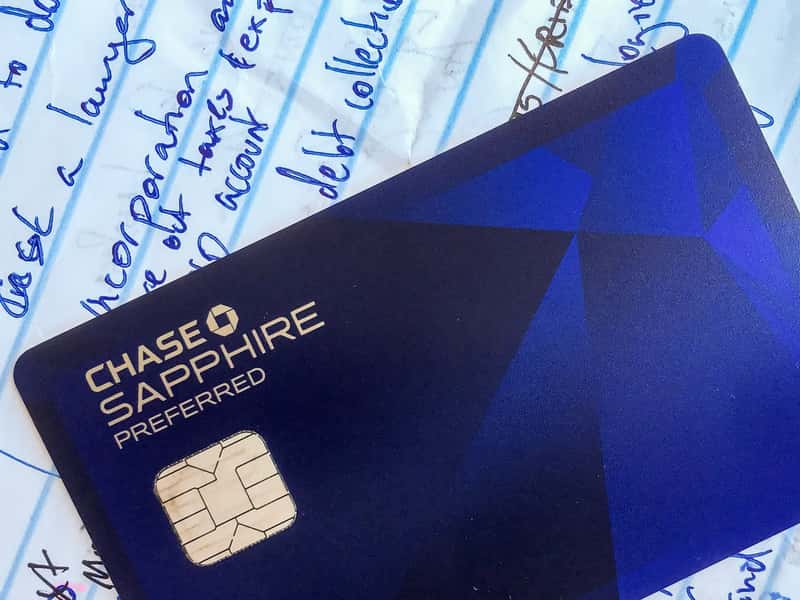
Travel rewards cards are the usual answer. One roundup notes that all Chase Sapphire cards, all Amex cards, all Capital One cards, and most Barclays travel cards waive this fee.[7] Discover and USAA also don’t charge foreign transaction fees on any of their cards.[3]
You don’t need a pricey card to get the benefit. Bank of America Travel Rewards and Wells Fargo Autograph have issuer published terms showing no annual fee and no foreign transaction fee.[8] Premium cards can still make sense for frequent travelers, but only if the rewards and perks outweigh their annual fees.
Debit Cards Are a Different Story
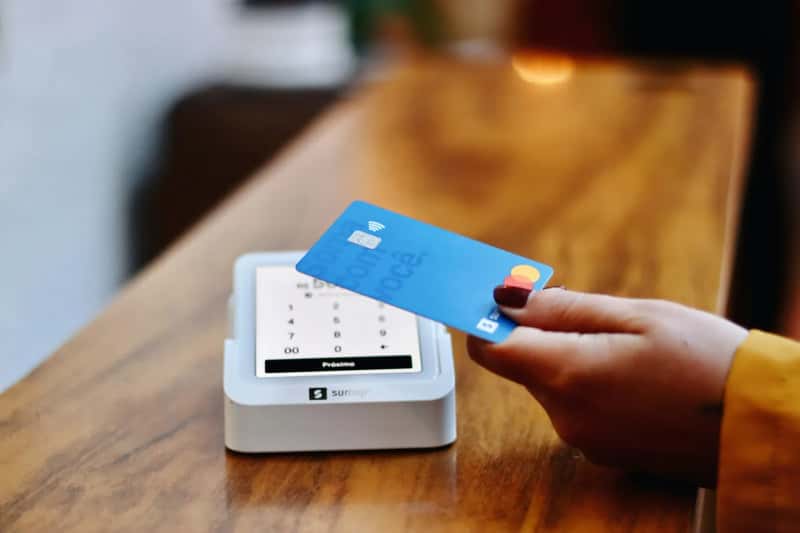
Many people assume the fee only hits credit cards. Not so. Most traditional US banks charge a one to three percent foreign transaction fee plus two to five dollars per international ATM withdrawal.[9] A published 2026 comparison lists Chase Total Checking, Bank of America and Wells Fargo at three percent.
Some banks have taken a different approach. Charles Schwab Bank and Fidelity Cash Management both charge zero percent and reimburse ATM fees worldwide.[9] Capital One 360 and SoFi Checking also list zero percent, though without ATM fee reimbursement.
Foreign ATM Fees Stack Up
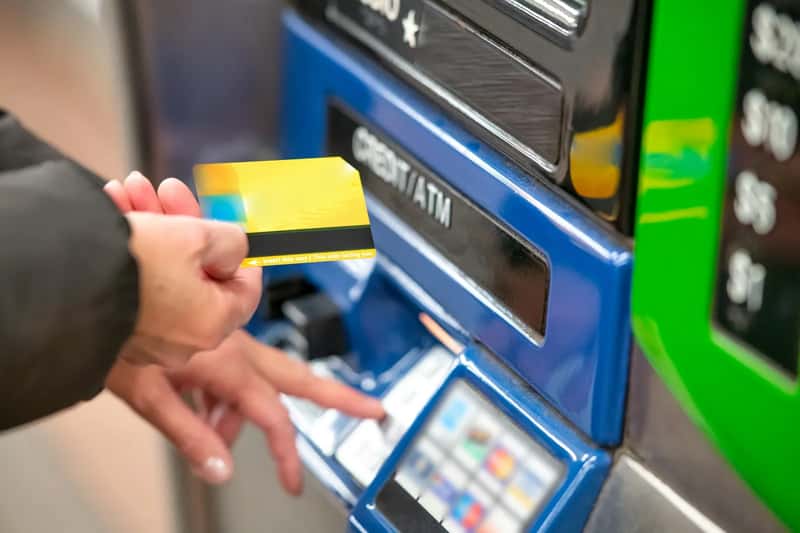
Cash withdrawals can carry several charges at once. The fee charged by the owner of the foreign ATM network can be a flat rate, normally two to six dollars, or percentage based.[10] Your own bank may add its fee on top.
The math gets uncomfortable quickly. One guide estimates that, considering Chase’s three percent fee and ATM charges, withdrawing the equivalent of $100 abroad could cost up to $14.[10] Fewer, larger withdrawals usually cost less than many small ones, and an account with ATM reimbursement removes much of the problem.
The Dynamic Currency Conversion Trap
At a foreign terminal or ATM, you may be asked whether to pay in your home currency or the local one. Choosing your home currency triggers dynamic currency conversion, in which you agree to have the merchant exchange those dollars into local currency at their chosen, usually unfavorable, rate.[11] It feels convenient because you see a familiar number.
The markup is often larger than the fee you were trying to dodge. The fees associated with dynamic currency conversion are often more than three percent.[12] Also, DCC is separate from a foreign transaction fee, so you can be charged both.[13] The safe habit is to choose the local currency every time.
Online Purchases From Overseas Merchants
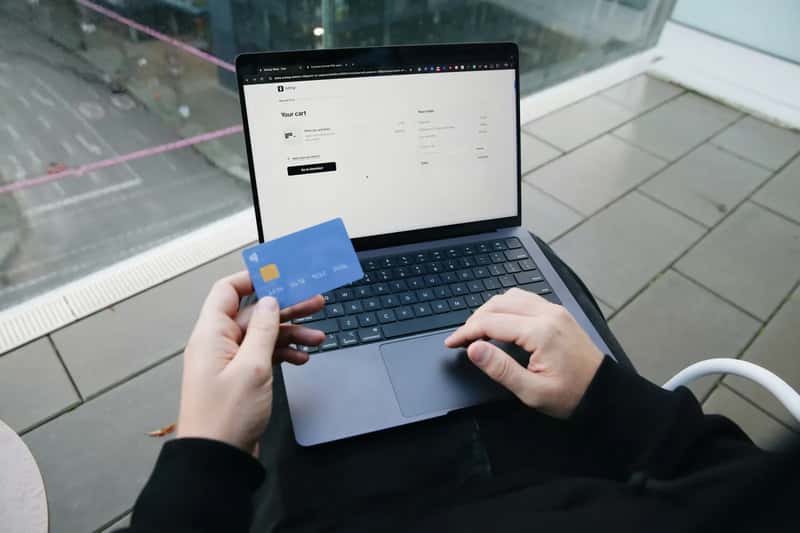
Travel isn’t the only trigger. A New York business may incur these fees when purchasing software or inventory from a vendor in London, even if the transaction is conducted entirely online.[2] The same logic applies to personal shopping on foreign websites.
What matters is how the merchant’s payment is routed, not where you’re standing. A site may list prices in dollars yet still process the payment through a foreign bank, so the fee can appear unexpectedly. Reviewing your statement after an overseas order is a simple way to spot it.
How to Check What Your Card Charges
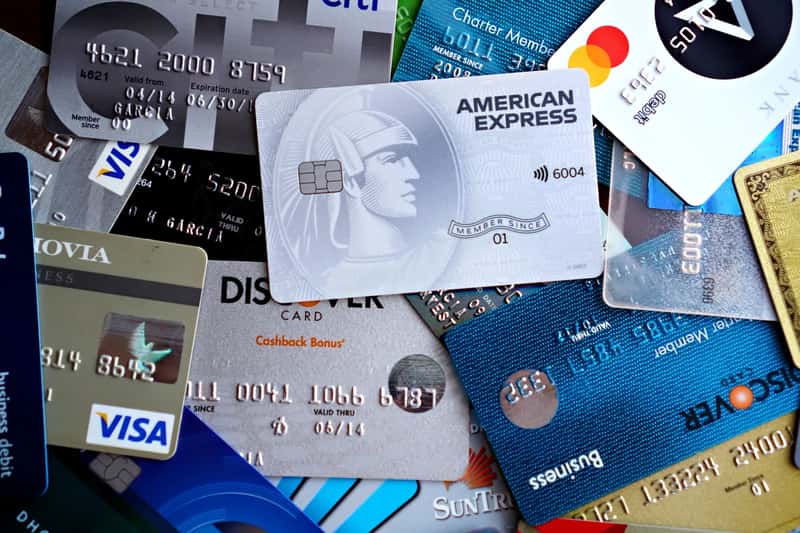
The quickest check is the fine print. You can find the foreign transaction fee for your specific card in the Schumer box in your credit card’s terms and conditions.[14] Most issuers also list it in the rates and fees section of the card’s web page.
Once you have the percentage, the calculation is simple: multiply it by what you expect to spend. At three percent, a $100 pair of shoes costs an extra $3.[15] Over a long trip, or across a year of overseas online orders, those small amounts add up.
Final Thoughts
Foreign transaction fees typically run from one to three percent, built from a network charge of about one percent and an issuer charge that varies. Many travel rewards cards waive them, while basic credit cards and many standard debit cards still apply them. For overseas trips, pairing a no fee card with local currency payments and low cost ATM withdrawals keeps the extra charges to a minimum.