There’s something magical about Mexico’s resort towns. The turquoise waters, the warm sun, the endless stretches of white sand. It’s no surprise that millions of travelers from around the globe flock to destinations like Cancún, Playa del Carmen, Tulum, and Los Cabos every single year. In 2024 alone, over 35 million international travelers visited Mexico, and that number keeps climbing.
Yet safety remains a conversation many tourists have before booking their flights. Let’s be real, you’ve probably seen the headlines or heard someone express concern about traveling to Mexico. The truth is more nuanced than fear might suggest. Resort destinations across the country have quietly but deliberately ramped up their safety measures in recent years, transforming security from an afterthought into a central priority.
Enhanced Surveillance and Tech Upgrades in Tourist Zones

Walk through Cabo San Lucas or Cancún today, and you’ll notice something interesting. Cameras are everywhere. I’m not talking about a handful here and there. Los Cabos has installed over 300 new security cameras throughout tourist areas, covering everything from the marina district to Medano Beach. It’s part of a broader strategy that Mexican authorities have embraced with surprising intensity.
In early 2024, the homicide rate in Cancún dropped nearly 65% compared to 2018, owing to enhanced patrols, surveillance cameras, drones, and military presence in popular spots. These aren’t just numbers on paper. The infrastructure shift is visible and measurable, creating what locals describe as a safer environment for both residents and tourists. The installation of a video surveillance camera system for the El Médano Beach area and downtown Cabo San Lucas is expected to be completed in 2026, along with other tourist points, with a push to strengthen the C2 command center with more advanced tech to improve crime response and prosecution.
Dedicated Tourist Police Units and Increased Patrols
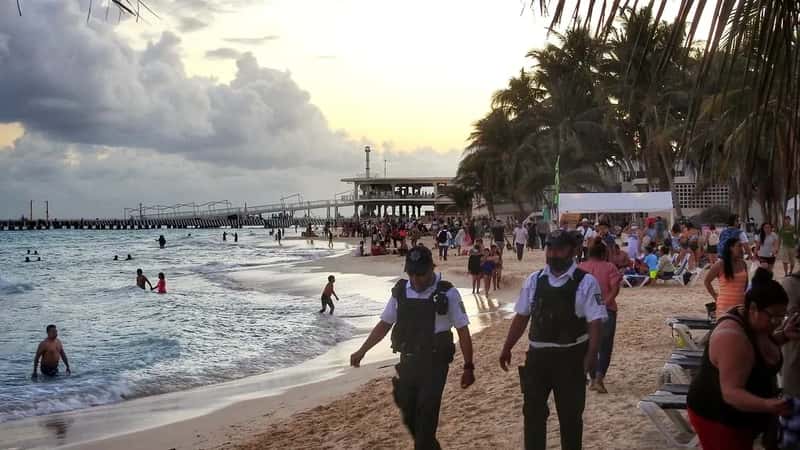
Something that stands out when you visit these resort zones is the visible police presence. This isn’t accidental. Los Cabos fields a dedicated Policía Turística unit patrolling marinas, Medano Beach, and nightlife zones 24/7 with bilingual officers trained in hospitality. These aren’t your typical law enforcement officers. They’re specifically trained to assist international visitors and maintain security in areas where tourists gather.
Los Cabos officially added 50 new municipal police officers, with increased coverage most likely tobe noticede in tourist-heavy areas and along major roads, plus added 50 new municipal police officers as part of staffing improvements. Meanwhile, Cancún hasn’t stood idle either. The Mexican government sent thousands of special forces to the resort areas along the Mexican Riviera, including Cancun, Playa del Carmen, and Tulum, with Mexico’s National Guard deploying nearly 1,500 troops to patrol the region as part of something they labeled a “Tourist Security Battalion”. The goal is straightforward: visible deterrence and rapid response when problems do arise.
Travel Advisories Reflect Context, Not Panic
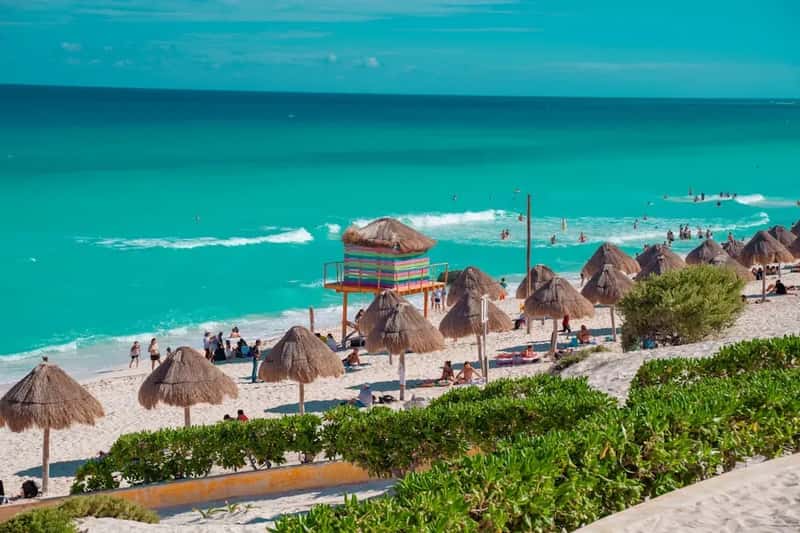
Here’s where things get a bit complicated. As of 2025, the U.S. State Department has rated Mexican states, including Quintana Roo (Cancun, Tulum) and Baja California Sur (Los Cabos), at Level 2, which is Exercise Increased Caution, with the U.S. State Department listing many Mexican tourist areas under Level 2 as of September 2024. That sounds scary until you realize what Level 2 actually means.
The U.S. Department of State maintains a Level 2 travel advisory for Baja California Sur, where Los Cabos is located, which is the same advisory level they give to popular European destinations like France, Italy, and the United Kingdom. Honestly, context matters here. It’s not about declaring a place off limits. It’s about exercising common sense, staying aware of your surroundings, and avoiding risky situations. Many travelers visiting Mexico will be staying at tourist-friendly hotels and all-inclusive resorts, which continue to be safe, with the State Department advising practicing common sense for those who do venture off the property.
Collaborative Efforts and Infrastructure Improvements

Mexican tourism officials and local governments understand something fundamental: their economy depends heavily on tourism. With tourism accounting for 9% of Mexico’s GDP, the safety of tourists is top-of-mind for the government. That economic reality has pushed collaboration between federal tourism authorities, local police forces, and private resort operators to new levels.
By 2025, Mexico will have significantly strengthened safety measures in its most visited destinations, with key improvements including a visible increase in security across hotel zones and popular beaches, enhanced cooperation between federal tourism authorities and local police, and updated emergency protocols that now feature multilingual support for international visitors. Tourists in Quintana Roo, for instance, can now download apps that provide real-time safety updates and direct access to emergency services. Hotel operators and local tourism boards continue to emphasize that visitor safety is a top priority, with enhanced patrols, security checkpoints, and partnerships with private security firms being implemented in high-traffic areas, particularly near the coast and in resort corridors.
The Numbers Tell a Reassuring Story
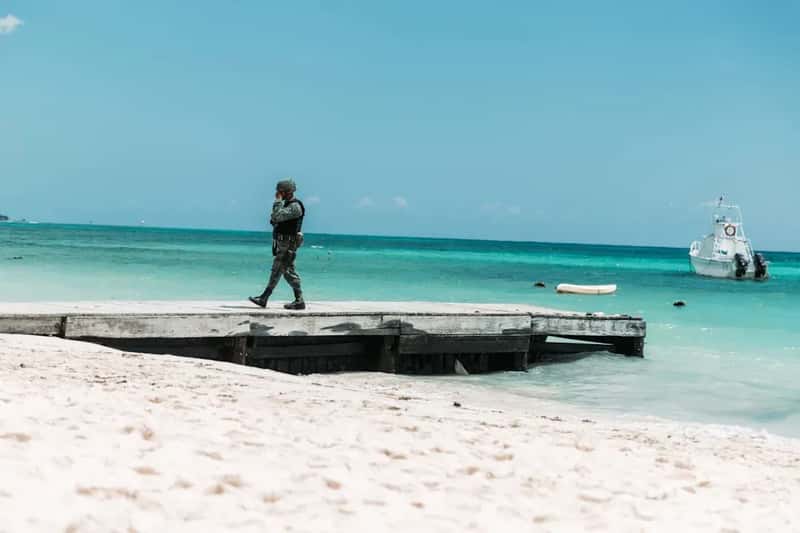
Let’s talk facts. Over 4 million tourists visited Los Cabos in 2024 without significant incidents reported, which is no coincidence because the region has invested heavily in tourist police, 24-hour surveillance, and bilingual support programs like CATTAC, the Tourist Assistance Center in Cabo San Lucas Marina. That’s millions of people enjoying their vacations, returning home with memories of margaritas and sunsets rather than security concerns.
Crime statistics cited by the U.S. Embassy note a 12% year-over-year reduction in tourist-related incidents across Quintana Roo, attributed to expanded security patrols and improved emergency response systems. It’s hard to ignore numbers like that. Most incidents tourists do encounter tend to be petty theft, pickpocketing, or scams, the kind of things you’d face in Paris, Barcelona, or any major tourist hub. Over 80% of U.S. visitors surveyed by Mexico’s Tourism Board last quarter reported feeling secure, citing visible security upgrades and streamlined communication channels. That’s a solid majority who felt safe throughout their trips.
Mexico’s resort towns aren’t perfect; no destination is. Travel always involves some level of risk, whether you’re in Cancún or California. What’s changed is the proactive approach these communities have taken toward visitor safety. Enhanced technology, dedicated police forces, collaborative infrastructure projects, and measurable crime reductions paint a picture far more reassuring than many headlines suggest. So what do you think? Does knowing about these precautions change your perspective on planning that beach getaway?