
For as long as most travelers can remember, boarding a Frontier Airlines flight has meant one thing when it comes to internet access: nothing at all. The Denver-based budget carrier has built its entire identity around stripped-down fares and no add-on frills, and Wi-Fi simply never made the list of amenities. That is now changing in a big way.
On July 14, 2026, Frontier announced it will transform the onboard experience by introducing Starlink, the fastest WiFi in the sky. The move ends years of speculation about when, or if, the ultra-low-cost carrier would ever catch up to its rivals on connectivity, and it signals a broader shift in how budget airlines are trying to compete for travelers.
A Long-Awaited Departure From a No-Frills Past

Frontier’s decision to skip Wi-Fi for so long was never an accident. It was a deliberate cost-cutting choice, one the airline used to keep base fares low while charging separately for nearly everything else. As one outlet put it, while other major carriers have had in-flight Wi-Fi for years, Frontier flights have been dead zones for internet connectivity.
That gap had become increasingly noticeable as competitors rolled out satellite-based internet across their fleets. Frontier had hinted something was coming for a while, too. Frontier had previously hinted at adding onboard internet service, and last year, former Chief Executive Officer Barry Biffle responded to a social media post by confirming that Wi-Fi was on the way. Now that promise has finally turned into a formal commitment.
What Frontier Actually Announced

The announcement itself was straightforward: Frontier is partnering directly with Starlink, the satellite internet arm of Elon Musk’s SpaceX, rather than going through a third-party inflight connectivity provider. According to the company, Frontier plans to launch its first Starlink-equipped aircraft in early 2027 and will be the first US airline to offer passengers access to Starlink’s high-speed internet through a new system managed directly by Starlink.
That distinction matters. Frontier is positioning itself as a direct-managed customer of Starlink rather than relying on an intermediary, which the airline suggests will streamline installation and service reliability. The company describes the new system as capable of far more than checking email between takeoff and landing, framing it as a full replacement for what passengers already expect from home broadband.
How Starlink’s Technology Actually Works

Starlink’s appeal comes down to physics as much as marketing. Unlike older inflight Wi-Fi systems that rely on satellites parked tens of thousands of miles above the equator, Starlink uses a dense constellation of satellites much closer to Earth. Reporting on the deal noted that Starlink orbits the Earth at about 340 miles and covers the entire globe, cutting the latency time, the data time between the user and satellite, to about 25 milliseconds.
That low latency is the real differentiator, and it is why the service can support activities that used to be unthinkable on a plane. Frontier says Engineered by SpaceX, Starlink delivers an unparalleled broadband experience in flight, with high-speed, low-latency WiFi capable of HD streaming, online gaming, productivity and more. For passengers, that could mean streaming a show without buffering or hopping on a video call somewhere over the Midwest, something Frontier flyers have simply never had the option to do.
The Timeline: Early 2027 and Beyond

Anyone hoping to check email on a Frontier flight next month will have to keep waiting. The rollout is not immediate, and the airline has been clear that it is a multi-year undertaking rather than a switch that gets flipped overnight. Coverage of the announcement confirmed that the Denver-based, ultra-low-cost carrier announced it’s outfitting its jets with Starlink, the ultrafast internet service from SpaceX, with installations expected to begin in 2027.
Beyond that first wave of installations, Frontier has signaled ambitions to eventually cover its entire mainline fleet. One report noted the airline’s long-term goal of retrofitting its fleet of more than 180 airplanes. Retrofitting an aircraft cabin with satellite antennas and cabling is a labor-intensive process, so a full fleet rollout will likely stretch well beyond the initial 2027 launch date.
Part of a Much Larger Indigo Partners Rollout

Frontier isn’t doing this alone. The airline is majority-owned by Indigo Partners, a private equity firm with stakes in several budget carriers around the world, and this Starlink deal covers the whole portfolio at once. According to the announcement, Frontier and fellow Indigo Partners portfolio airlines Wizz Air (Europe), Volaris (Mexico), JetSMART (South America), and Cebu Pacific (Philippines) expect to install Starlink across their combined fleets.
The scale of that commitment is notable. Industry reporting described it as one of the largest global commitments to next-generation inflight connectivity, with the airlines bringing low fares, and access to reliable Wi-Fi provided through a new system managed directly by Starlink. Altogether, the five carriers are expected to equip more than a thousand aircraft, making this less a single airline upgrade and more a coordinated bet by an entire ownership group that connectivity is now non-negotiable for staying competitive.
Free Wi-Fi or Another Add-On Fee?
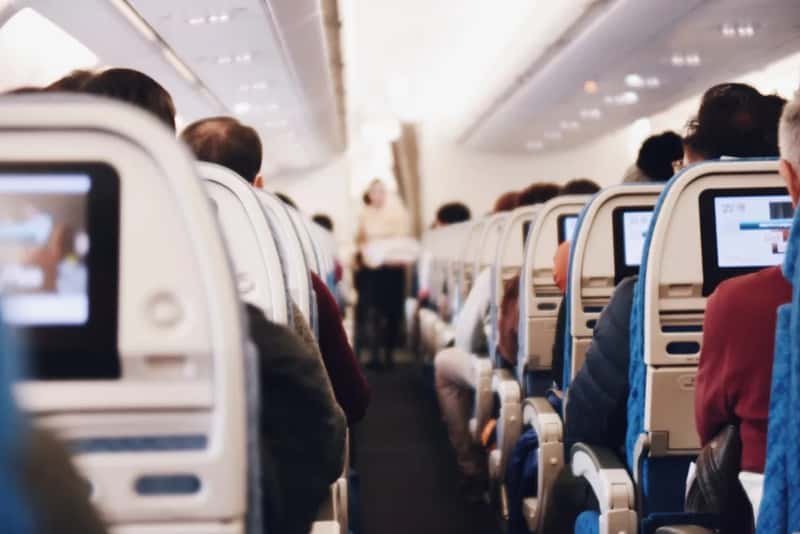
One question Frontier has conspicuously avoided answering is whether passengers will pay for the privilege. Given the airline’s history of charging for carry-on bags, seat selection, and even printed boarding passes, that ambiguity has drawn plenty of attention. As one report bluntly put it, one thing Frontier is not sharing details on just yet is whether it plans to charge customers for its Wi-Fi or offer it for free.
The broader industry trend leans toward free access, at least for loyalty members. Reporting noted that most global airlines that have gone with Starlink for their Wi-Fi have made the service free to customers, though not universally. In fact, Panama-based Copa Airlines revealed it would be one of the first global carriers to charge most flyers a fee to access Starlink, with some exceptions carved out for elite status holders. Whether Frontier follows the free-access model or the fee-based one from Copa remains an open question, and it could shape how the upgrade is actually received by budget-conscious travelers.
Catching Up in a Crowded Connectivity Race

Frontier is late to this particular party, and it knows it. Starlink has already become the go-to choice for a long list of major carriers, meaning Frontier’s move is as much about not falling further behind as it is about innovation. Reporting confirmed that Starlink has signed deals with more than 40 carriers around the world, including United Airlines and American Airlines, as airlines ramp up their in-flight services and customers grow to expect at-home-quality internet in the sky.
Frontier will not even be first among the true bargain airlines for long, and it isn’t the first U.S. carrier overall to choose Starlink either. Notably, American Airlines announced in May it would launch aircraft equipped with the same internet service beginning in Q1 of 2027, putting the two carriers on a nearly identical timeline. Meanwhile, other major players have gone a different direction entirely, since Atlanta-based Delta Air Lines and JetBlue are partnering with Amazon’s Leo service instead of Starlink, illustrating that the inflight Wi-Fi market is splitting into competing satellite ecosystems rather than converging on one standard.
More Than Passenger Perks: Crew and Operations Benefits
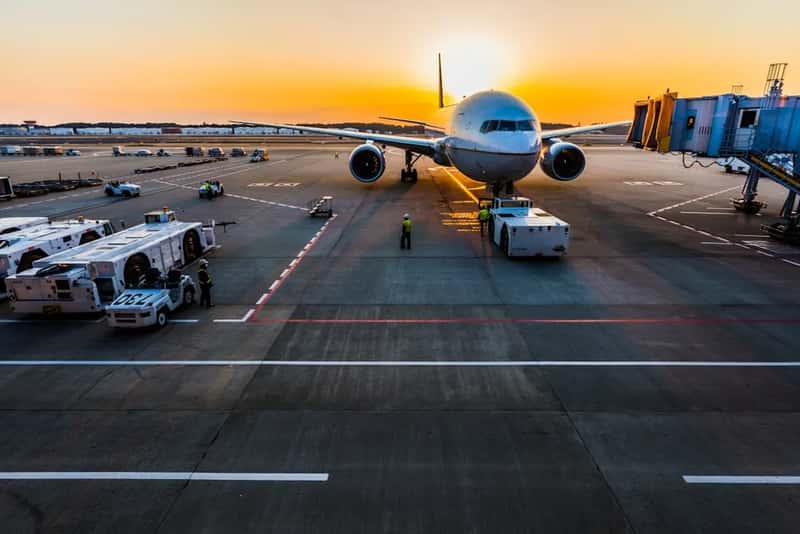
The Starlink rollout isn’t just about keeping passengers entertained. Frontier is framing it as an operational upgrade too, one that could quietly improve how the airline runs day to day behind the scenes. The company explained that beyond enhancing the customer experience, Starlink will provide gate-to-gate connectivity for Frontier’s pilots, flight attendants, maintenance teams, and ground operations, enabling improved operational performance and more seamless customer service.
That gate-to-gate access could matter more than it sounds. Real-time data links between aircraft and ground crews can speed up maintenance diagnostics, streamline crew scheduling communications, and cut down on the kind of delays that stem from information simply not reaching the right people fast enough. It’s a less flashy benefit than HD streaming for passengers, but airlines increasingly view connectivity as an operational tool first and a passenger amenity second.
Fitting Into Frontier’s Broader Premium Push
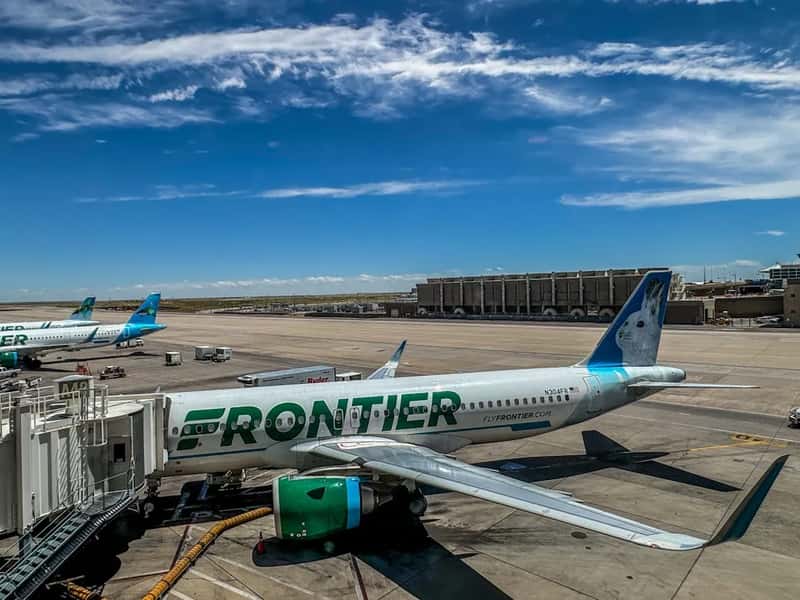
Wi-Fi is arriving alongside other signs that Frontier is trying to shed some of its bare-bones reputation. The airline has been rolling out changes aimed at travelers who might otherwise fly a legacy carrier, even while keeping its core low-fare promise intact. CEO Jimmy Dempsey tied the announcement directly to that strategy, saying “We’re continuing to invest in the products and services that matter most to our customers. Starlink transforms the onboard experience, giving customers the flexibility to work, stream, browse, and stay connected throughout their journey. Alongside the introduction of First Class seating and enhancements to our loyalty program, it’s another example of how we’re evolving the travel experience while staying true to our commitment to offering the lowest fares.”
The timing also lines up with a shifting competitive landscape in the budget travel space. As one report observed, going from having no on-board Wi-Fi to Starlink marks a stark shift for Frontier, especially as it looks to grow following the collapse of a major rival earlier in the year. It’s a reminder that Frontier’s connectivity leap isn’t happening in a vacuum. It’s part of a broader repositioning as the airline competes for travelers who now have fewer ultra-low-cost options to choose from.
What This Means for Travelers Going Forward

For now, Frontier passengers will need patience. The first Starlink-equipped jets won’t take flight until early 2027, and a full fleet rollout across more than 180 aircraft will likely take considerably longer. Still, the direction is clear: a carrier once defined by what it didn’t offer is now racing to add one of the features travelers have wanted most.
Whether Frontier charges for the service, bundles it into loyalty perks, or offers it free to everyone remains to be seen, and that detail could end up mattering as much as the technology itself. What’s certain is that the era of Frontier flights being total internet dead zones is coming to a close, closing one of the last remaining gaps between budget and legacy carriers in the United States.