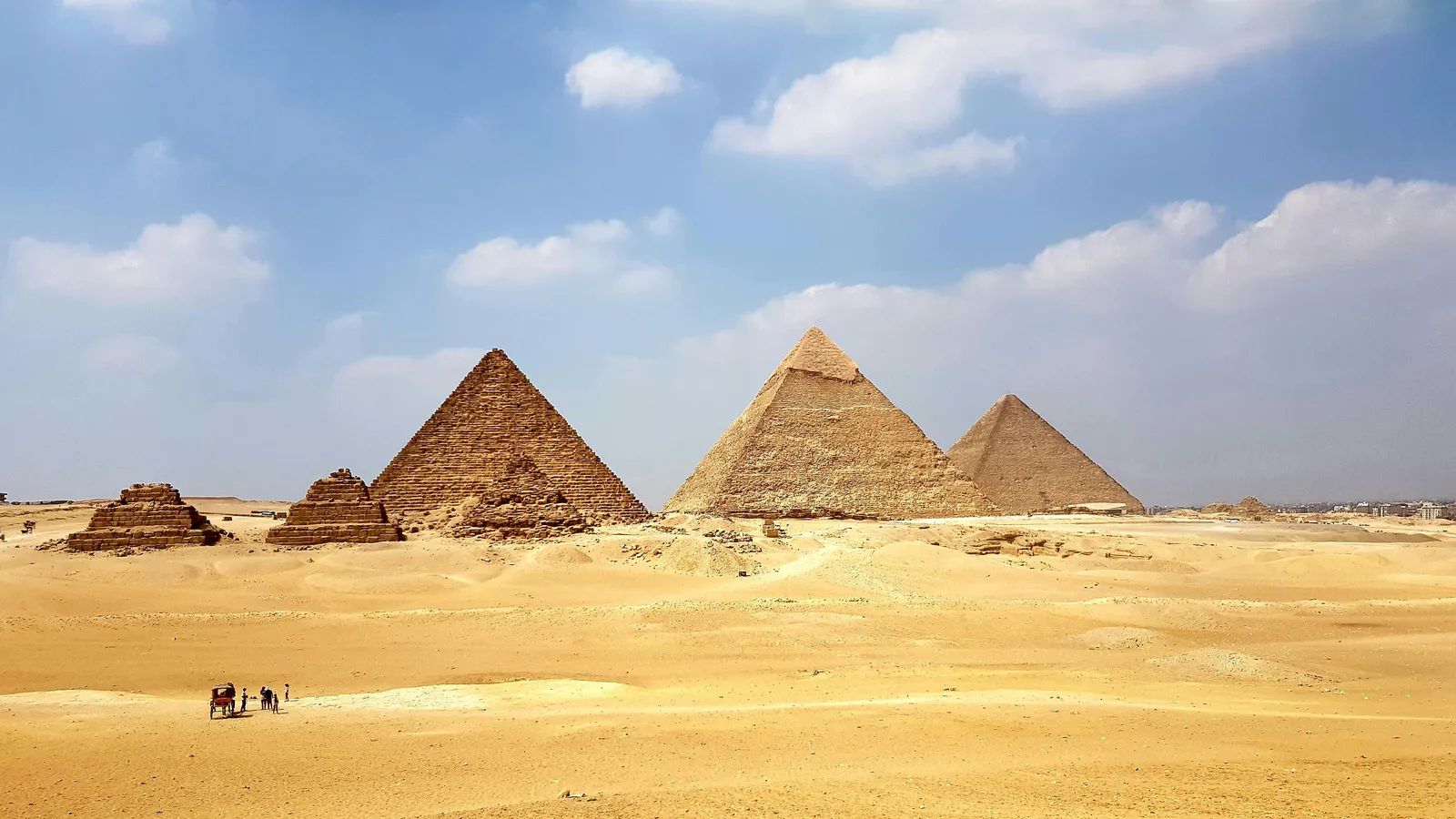
Travelers have long approached the Giza plateau with caution, expecting a barrage of aggressive vendors and persistent guides at one of the world’s most iconic sites. Reports over the years painted the experience as exhausting rather than awe-inspiring, with many visitors leaving frustrated by constant solicitations. Recent accounts from 2026 suggest the situation on the ground may differ from that entrenched image in meaningful ways. ([1])
Decades of Warnings Shape Expectations
Stories about Giza have circulated for years among international travelers, often focusing on the intensity of sales tactics near the pyramids and Sphinx. These accounts typically describe a gauntlet of offers for camel rides, souvenirs, and unofficial tours that can feel overwhelming upon arrival. The reputation has influenced planning decisions, with some visitors opting for guided groups or private transport to reduce exposure.
Egyptian authorities have introduced measures over time aimed at improving the visitor experience at major archaeological zones. These efforts include designated paths, official ticketing systems, and increased security presence. Such steps reflect broader attempts to balance tourism revenue with site preservation and guest satisfaction.
Firsthand Encounters in the Current Season
Visitors entering the Giza archaeological zone in 2026 report a more structured environment than older narratives suggest. Official entry points and clearer signage help channel foot traffic, while licensed guides operate within defined areas. The volume of unsolicited approaches appears lower during peak hours when staff maintain a visible presence.
That said, independent travelers still encounter some offers for additional services once inside the grounds. The difference often lies in how quickly these interactions can be declined without escalation. Many note that polite but firm responses suffice, and the overall atmosphere allows more time to focus on the monuments themselves.
Practical factors such as advance ticket purchases and early morning visits further reduce friction for those who prepare ahead. These adjustments align with patterns seen at other high-traffic heritage sites worldwide.
Implications for Planning an Egypt Trip
The shift in on-site conditions carries direct consequences for American and other international travelers weighing an Egypt itinerary. Reduced hassle at flagship attractions like Giza can free up time and energy for additional sites, including the new Grand Egyptian Museum nearby. This matters for trip pacing and overall satisfaction.
Stakeholders including tour operators, local businesses, and Egyptian tourism officials stand to benefit from sustained visitor confidence. Continued improvements in crowd management and vendor regulation could support longer-term growth in arrivals. Travelers who research current conditions rather than relying solely on older reviews gain a clearer picture of what to expect.
Ultimately, the 2026 experience at Giza underscores how reputations evolve with on-the-ground changes. Those considering a visit benefit from checking recent traveler updates alongside official guidance before finalizing plans.