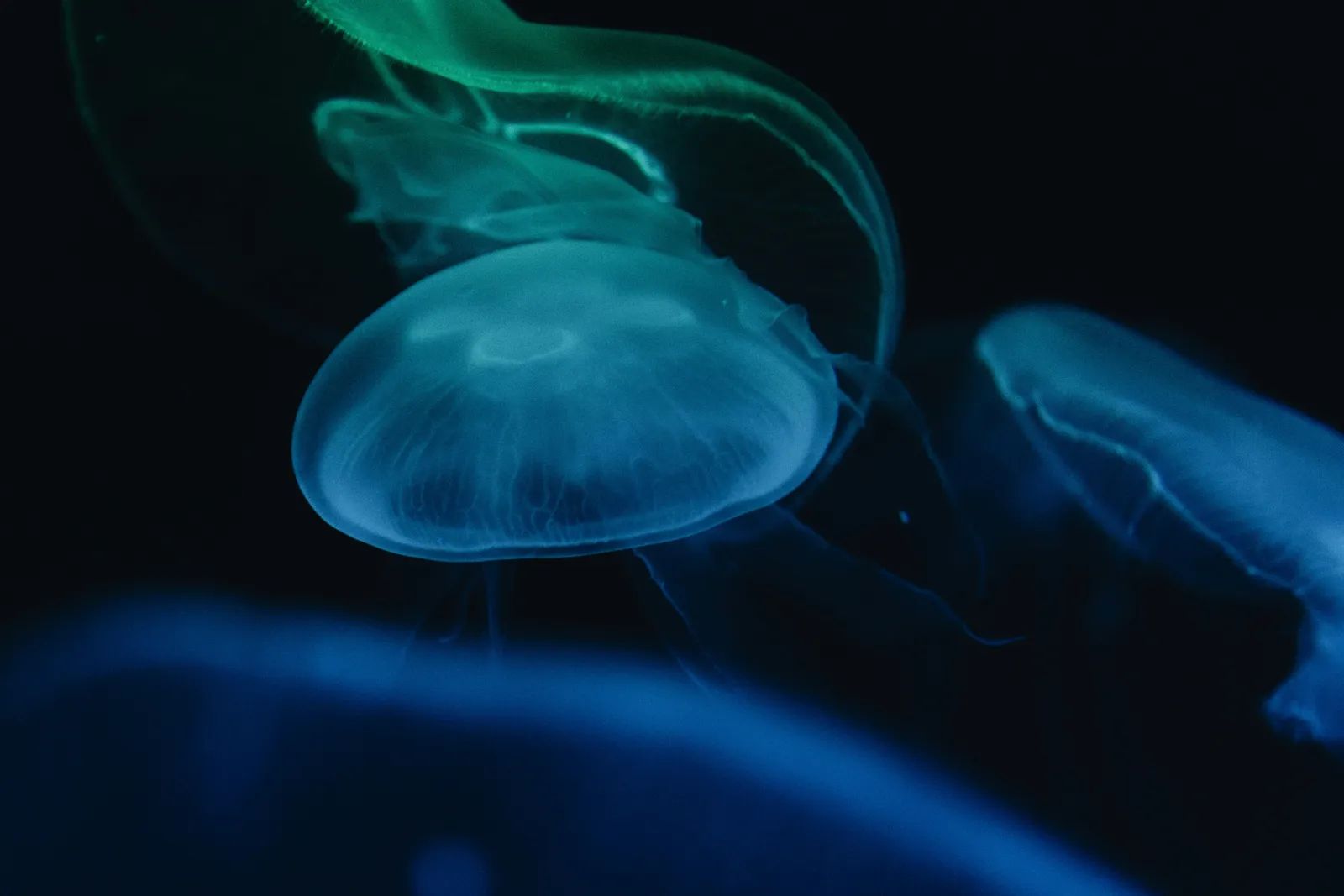
Sonoma Coast – Bioluminescent waters created a striking nighttime display alongside the Milky Way in early September 2025, drawing attention to a rare natural spectacle along California’s northern shoreline. Paddlers reported moving through sparkling blue glow produced by dinoflagellates in the waves. The scene combined celestial and marine light in a way that highlighted both the beauty and the fleeting nature of such events in the San Francisco Bay Area region. ([1])
A Phenomenon Rooted in Tiny Organisms
Dinoflagellates are single-celled marine organisms that produce light when disturbed. Their presence turns ordinary waves into trails of electric blue as boats or paddles pass through the water. This bioluminescence occurs under specific conditions that concentrate the organisms near the surface. Observers on the Sonoma Coast noted the effect most clearly during calm nights when the water remained relatively undisturbed except for human activity. The glow itself serves as a form of defense for the organisms, startling predators or attracting larger animals that might eat their enemies. In the Bay Area context, such displays remain unpredictable and depend on water temperature, nutrient levels, and recent weather patterns. The September 2025 sighting aligned with favorable conditions that allowed the organisms to thrive visibly.
Viewing Opportunities Along the Coast
The Sonoma Coast offers accessible vantage points for those hoping to witness similar displays. Kayak tours and nighttime paddling excursions have become popular ways to experience the effect firsthand. Participants often launch from sheltered coves where the water stays calm enough to highlight the blue sparks trailing behind each stroke. Farther south within the broader San Francisco Bay Area, certain sheltered beaches and estuaries occasionally host comparable activity. Timing matters greatly, as the organisms respond to tidal movements and darkness. Clear skies also improve the chance of pairing the marine glow with stars overhead, as seen during the early September event.
Why These Displays Remain Unpredictable
Bioluminescence events depend on a delicate balance of environmental factors that can shift quickly. Warmer waters and nutrient upwelling sometimes increase dinoflagellate populations, yet excessive warmth or pollution can alter the outcome. The 2025 Sonoma Coast sighting illustrated how brief windows of ideal conditions can produce memorable results without warning. Local naturalists emphasize that repeated sightings are never guaranteed. Each occurrence adds to a growing record of when and where the phenomenon appears along the coast. This variability keeps the experience special for those who plan trips around it.
Preserving the Conditions for Future Sightings
Protecting coastal water quality helps maintain the habitats where dinoflagellates can flourish. Reduced runoff and careful boating practices limit disruptions that might otherwise suppress the organisms. The contrast between the luminous beauty and the underlying ecological requirements underscores why these moments feel both magical and fragile. Travelers drawn to the San Francisco Bay Area for its natural wonders increasingly seek out these nighttime experiences. The September 2025 display serves as a reminder that the region’s shores still hold surprises for those willing to venture out after dark.