Ask ten expats which Mediterranean country is cheaper, Greece or Croatia, and you will likely get ten different answers. Both countries share sun-soaked coastlines, ancient history, and a laid-back pace of life, yet their economies, wage structures, and housing markets have diverged sharply in recent years. With Croatia’s euro adoption in 2023 pushing prices upward and Greece’s ongoing rent crisis squeezing tenants in Athens, the old assumption that Greece is simply “the cheap one” no longer holds up quite as neatly as it once did.
This comparison digs into rent, groceries, wages, utilities, and everyday spending across both countries using the most current data available. The picture that emerges is more nuanced than a single headline number, and that nuance matters if you are actually planning to live somewhere rather than just visit for two weeks in July.
What the Cost-of-Living Indexes Actually Say
The various cost-of-living trackers do not fully agree with each other, which is worth admitting upfront. Expatistan currently puts the cost of living in Croatia at 36% more expensive than in Greece, based on user-submitted pricing data. Meanwhile, Livingcost.org calculates Croatia’s average cost of living at $1,356 against Greece’s $1,237, making Croatia about 10% pricier overall, with Croatia ranked 44th and Greece 57th among the world’s most expensive countries.
Other sources land somewhere in between or even reverse the order entirely. MyLifeElsewhere’s 2026 dataset shows Croatia running 7.2% more expensive than Greece overall, while Lottalingo’s research assigns Croatia a cost-of-living index of 52.4 against Greece’s 54, making Croatia roughly 3% more affordable for everyday expenses including rent. The takeaway is not that any one index is wrong, but that the two countries are close enough in overall price level that the ranking can flip depending on which cities, categories, and years are weighted most heavily.
Rent and Housing: Where the Real Gap Shows Up

Housing is where the two countries genuinely diverge, and Greece is currently the more painful case. Athens rental prices now average around €1,050 for a one-bedroom apartment and roughly €1,400 for a two-bedroom unit, figures that would have seemed extreme just a few years ago. A study cited by Greek Reporter found that in the Attica region, the rent-to-income ratio for a typical 60 square meter one-bedroom apartment has reached 70.2%, and for a larger 75 to 95 square meter two-bedroom apartment it skyrockets to 93.6%, compared with EU averages of 31 to 34% and 46% respectively. Separate analysis found that Athens ranks among the least affordable capital cities in the EU for minimum wage earners, with average rent exceeding monthly gross wages by 153%.
Croatia’s rental market is expensive too, but the numbers are somewhat more forgiving outside the peak coastal hotspots. In Zagreb, a one-bedroom apartment in the city center averages between €600 and €800 per month, dropping to €400 to €600 outside the center. Elsewhere in the country, a city-center one-bedroom apartment can run anywhere from €400 to €750. Coastal gems like Split and Dubrovnik push prices considerably higher during summer, but inland Croatian cities remain noticeably gentler on the wallet than Athens has become.
Groceries and Everyday Food Shopping
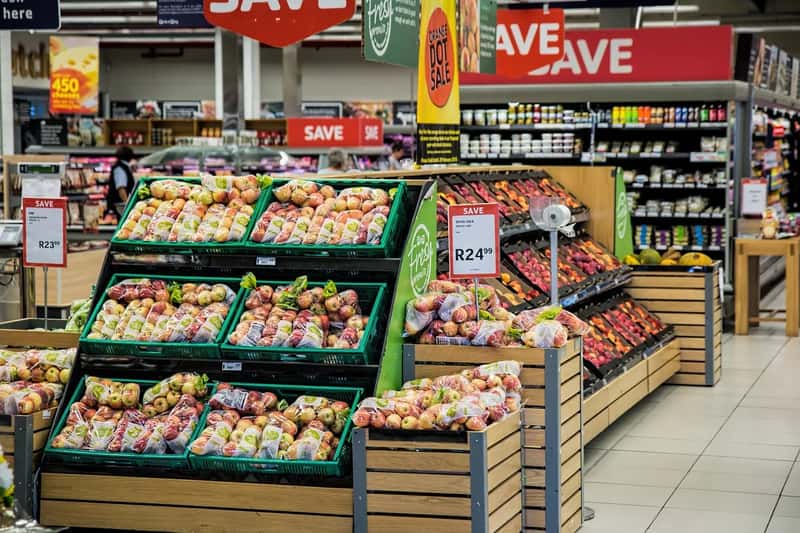
On paper, groceries in Greece look slightly cheaper for a single person, though the gap is not dramatic. A single person cooking at home in Greece can expect to spend between €150 and €250 per month on groceries, while a separate estimate places the range a bit higher, at between €250 and €400 for a single person. Fresh produce, olive oil, and local staples remain reasonably priced thanks to Greece’s strong domestic agricultural output.
Croatia’s grocery bills sit in a similar bracket but have been climbing faster. Groceries for one person average €200 to €250 per month in general estimates, though grocery prices in Croatian stores increased by an average of 12% over the previous year, with particularly sharp increases for bread and cereals at 15%, fresh vegetables and fruit at 14%, and meat at 10%. That inflationary spike, tied partly to the country’s 2023 switch to the euro, has made Croatian supermarket runs feel noticeably pricier than they did just a couple of years ago.
Wages and What They Actually Buy
Wages matter just as much as prices, and here Croatia holds a clear edge. The average gross salary in Greece is €1,400 per month compared to €1,650 per month in Croatia, meaning workers in Greece earn approximately 18% less in USD terms. Minimum wage tells a similar story: Greece’s minimum wage sits at €5.31 per hour versus €6.06 per hour in Croatia, giving Croatia the higher rate by 14% in USD terms.
Unemployment adds another layer to the comparison. Croatia has the tighter labor market, with unemployment at 5.0% compared to 8.5% in Greece. Combine lower wages with a housing crisis and it becomes clear why so many young Greeks feel financially squeezed even when consumer goods themselves are not dramatically more expensive than in Croatia. On the flip side, while Greece still offers strong value compared to much of Western Europe and North America, rising housing prices are redefining what it means to live comfortably there.
Utilities, Fuel and Getting Around
Monthly utility bills are broadly comparable between the two countries. In Greece, utilities including electricity, water, and heating generally fall between €120 and €200 per month, while internet services add another €25 to €40. Croatian households report similar figures, with utilities such as electricity, water, and heating adding €100 to €150 monthly.
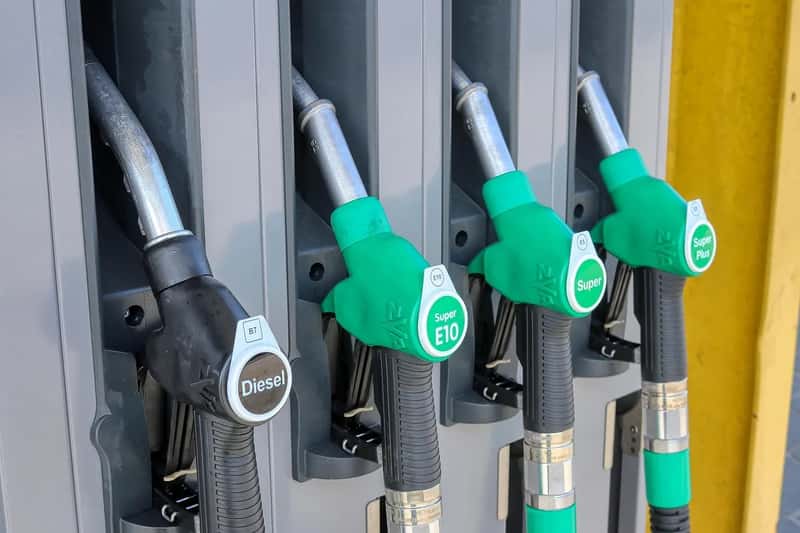
Fuel is where Greece stands out, and not in a good way for drivers. Greece is among the top 10 countries ranked by most expensive petrol prices in the region, with gas prices sitting around €1.90 to €2 per liter as of 2025. Public transport in both countries remains a bargain by comparison, and Croatia’s monthly public transport pass in Zagreb costs around €50, roughly in line with what Athenians pay for their own transit cards.
Eating Out, Coffee Culture and Daily Life

Dining out is one of the genuine pleasures of living in either country, and prices remain friendly compared to Western Europe. In Croatia, a basic meal in a local restaurant costs €8 to €12, while a coffee at a café runs €1.50 to €2. Locals lean heavily on this culture too, since in many Croatian cities the day starts with a cup of coffee, and afternoon coffee gatherings are a permanent part of the community-oriented lifestyle.
Greece offers a comparable everyday dining scene built around neighborhood tavernas and souvlaki shops. Athens has a robust culture of affordable eating out centered around the ubiquitous souvlaki shop and small tavernas, with most households mixing supermarket shopping and social dining. Both countries reward residents who shop at local markets rather than chain supermarkets, with Croatian farmers’ markets and Greek laiki agoras offering meaningfully better prices on fresh produce than city-center grocery stores.
Property Prices for Anyone Thinking Long Term

If buying rather than renting is on the table, Croatia has seen an eye-opening surge. Out of all EU countries, Croatia’s property prices have increased the most, with the average price per square meter of a new apartment sold in 2025 reaching €2,754. Coastal cities carry the heaviest premiums, and apartments in Dubrovnik and Split are the most expensive in the country.
Greece has experienced its own property boom, driven partly by foreign buyers. Property prices in Greece have risen by 85% since 2017 according to the International Monetary Fund, while citizens’ incomes increased by only 47% over the same period. Investment demand has only accelerated recently, with foreign investment in Greek real estate rising by 43.4% in the first quarter of 2026, adding further upward pressure on prices in Athens and the islands.
Monthly Budgets: What a Single Person Actually Needs

Putting everything together, estimates for a single person’s total monthly budget land in broadly similar ranges, though methodology varies quite a bit between sources. For Greece, the average monthly cost for a single person including rent runs around €1,147, roughly 40 to 50% below comparable cities in the UK or United States, while a comfortable Athens lifestyle specifically requires more, since a comfortable life in Athens costs roughly €1,400 to €1,700 monthly.
Croatia’s estimates sit in a comparable band. A single person’s monthly budget excluding rent typically runs €1,600 to €1,800 according to one detailed breakdown, though other guides suggest a more moderate €1,200 to €1,700 per month in Zagreb or coastal cities, including rent, utilities, groceries, transport, and moderate leisure expenses. The overlap between the two countries’ ranges is significant enough that city choice within each country probably matters more than the country choice itself.
So, Which Country Actually Costs Less?
The honest answer is that it depends heavily on what you value and where exactly you settle. Greece tends to win on raw grocery and dining prices in most comparisons, and its non-Athens cities remain genuinely affordable, with Larissa offering estimated monthly outgoings of approximately €980 for a comfortable single-person lifestyle. Croatia, meanwhile, wins on wages and job market tightness, giving residents more purchasing power even when sticker prices look similar or slightly higher.
Where Greece loses ground decisively is housing in its capital, where rent-to-income ratios have become genuinely alarming and property price growth has outpaced wage growth for years. Croatia is not immune to this either, since it recorded the single highest rent increase in the EU during 2025, even ahead of Greece’s own steep climb. For anyone actually weighing a move, the smarter framing is not “Greece or Croatia” as a blanket choice, but rather which specific city, coastal or inland, capital or provincial, fits both the budget and the lifestyle being sought. Neither country is the bargain destination it was a decade ago, but both still undercut most of Western Europe by a comfortable margin.