Most passengers assume the captain drives the ship into every port, start to finish. That’s actually a myth on nearly every major cruise route in the world. For hours at a time, a total stranger who never boarded with a suitcase quietly takes over the most dangerous part of the entire voyage.
He climbs aboard from a bouncing boat in open ocean, walks straight to the bridge, and starts giving orders your captain follows almost without question. Here’s what harbour pilots actually do while you’re refilling your coffee at the buffet, and why almost none of it ever makes it onto your vacation photos.
#24 – The Ship You’re Sailing On Slows Down Miles Before You Ever See Land
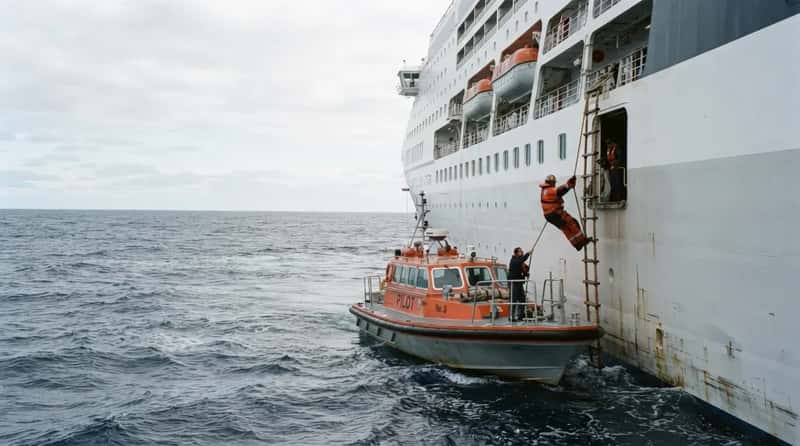
Long before your balcony view shows a coastline, your ship has already quietly cut its speed. In many U.S. ports, that’s the exact moment a pilot boat is dispatched to meet it out on open water.
A pilot boards the ship 10 to 20 miles offshore via a pilot boat, which can run anywhere from 65 to 100 feet long. Most guests never spot the handoff at all, since it happens well outside the range of a phone camera, long before the ship reaches the harbor entrance.
#23 – A Tiny Flag Change Quietly Announces a Stranger Is Now Aboard
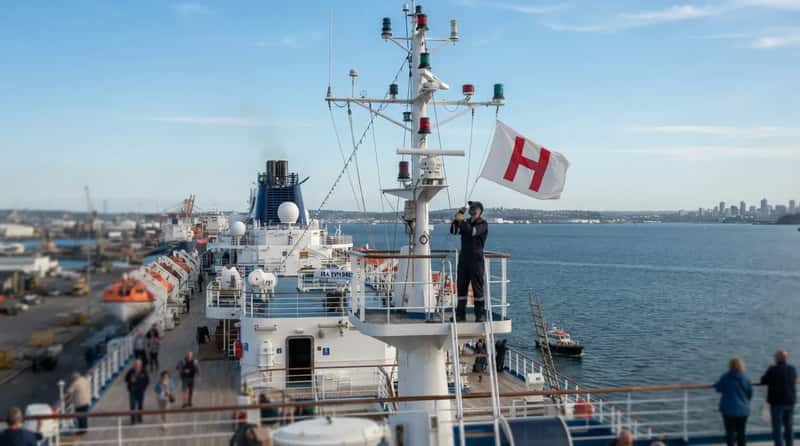
Watch the signal mast closely and you’ll catch a detail almost nobody photographs. A crew member raises the pilot flag the moment a pilot steps on board.
It’s a small, almost ceremonial gesture, but it’s the ship quietly confirming that command authority has just shifted for the next several hours. Most passengers walk right past that flag on the way to dinner without ever knowing what it means.
#22 – Pilots Climb a Swinging Rope Ladder in a Dress Shirt and Tie
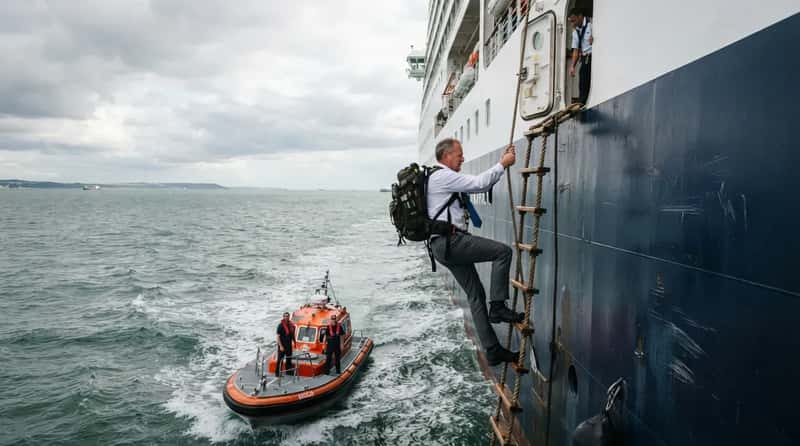
You’d expect a wetsuit or a hard hat. Instead, you get business casual dangling over open water.
They board the vessel from a small boat using a rope ladder, a feat they perform in any season and any weather, wearing a dress shirt and tie while carrying a heavy backpack full of tools for the job ahead. It’s one of the more oddly formal dangerous jobs on the water, and that backpack isn’t for show.
#21 – The Backpack They Carry Up the Ladder Holds Their Entire Office
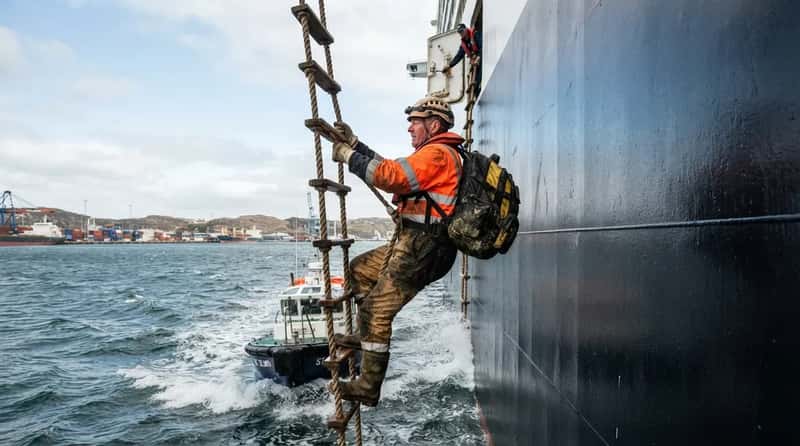
Pilots don’t get a desk or a locker on your ship. Everything they need travels up that swinging ladder strapped to their back.
Inside is typically a laptop loaded with port-specific navigation software, personal safety gear, and communication equipment tied directly to shore authorities. Nothing on the bridge belongs to them except what’s in that bag, since they’re borrowing your ship’s engines and thrusters but bringing their own brainpower and backup tech.
At a Glance
- Laptop preloaded with port-specific navigation and tidal software
- Personal flotation and safety gear for the ladder transfer itself
- Portable communication equipment linked directly to shore authorities
- Zero ship-issued gear – every tool is the pilot’s own
#20 – That Rope Ladder Is Regulated Down to the Thickness of the Rope
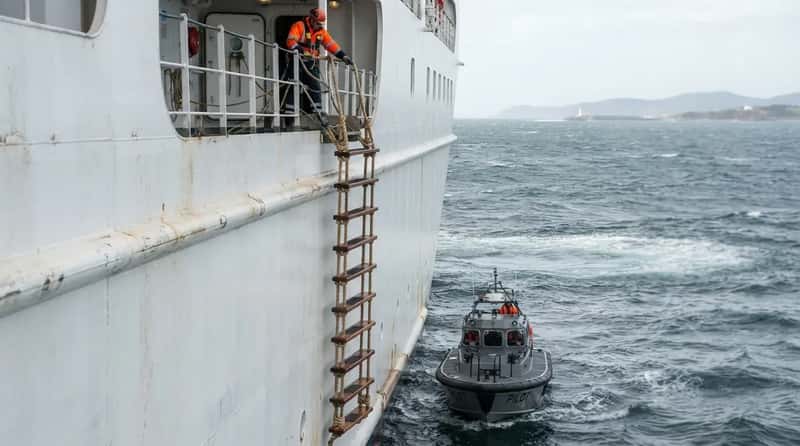
The ladder looks improvised, almost thrown together at the last minute. It absolutely is not.
A pilot ladder is a highly specialized piece of equipment, with its design and construction tightly controlled under international SOLAS regulations. Boarding arrangements must be prepared and inspected before every single use, because one loose step could be fatal on a moving ship in open swells.
#19 – Before a Single Order Is Given, There’s a Paper Handshake First
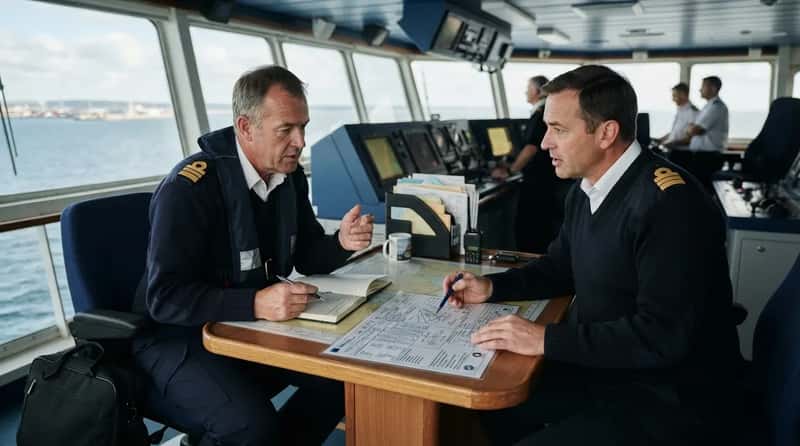
Pilots don’t just walk onto the bridge and start steering. There’s a formal exchange of information before anyone touches a control.
Once aboard, they’re briefed by the captain on how the ship handles, and most vessels carry a “pilot card” listing size, handling quirks, and propulsion details. It’s basically a resume for the ship itself, and without it the pilot would be guessing blind on a vessel worth over a billion dollars.
#18 – The Captain Technically Never Loses Command of the Ship
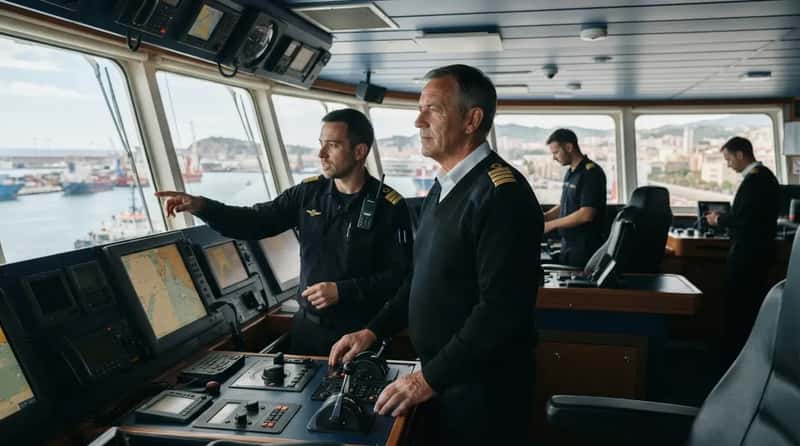
Here’s the part most guests get backwards: the pilot isn’t actually “the boss” once they step aboard.
The captain stays in command and remains ultimately responsible for the ship, while a pilot may only assume conduct of the vessel with the master’s permission. Almost every passenger assumes the opposite is true, that the captain becomes little more than a passenger the moment the pilot arrives.
#17 – Except in One Famous Waterway, Where the Rules Flip Completely
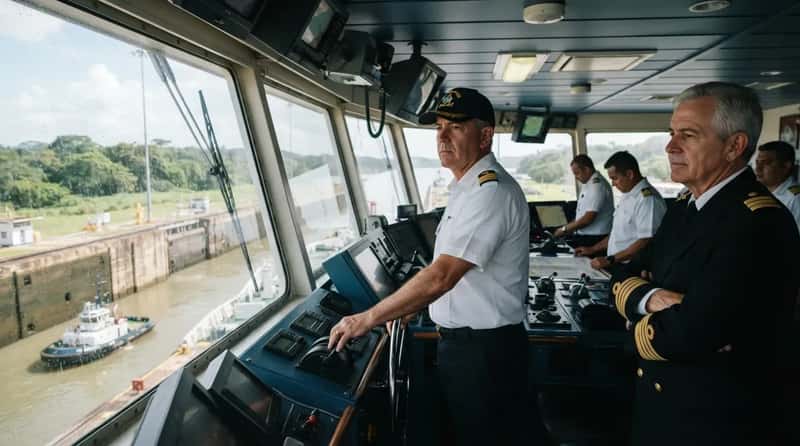
There’s exactly one place on Earth where that captain-stays-in-charge courtesy disappears entirely.
The pilot never officially takes command of the vessel anywhere except the Panama Canal. In that single passage, and nowhere else on the planet, the pilot legally takes over, meaning your captain is technically a bystander on his own bridge for the entire transit.
#16 – Pilots Have Memorized Sandbars That Aren’t Even on the Chart Yet
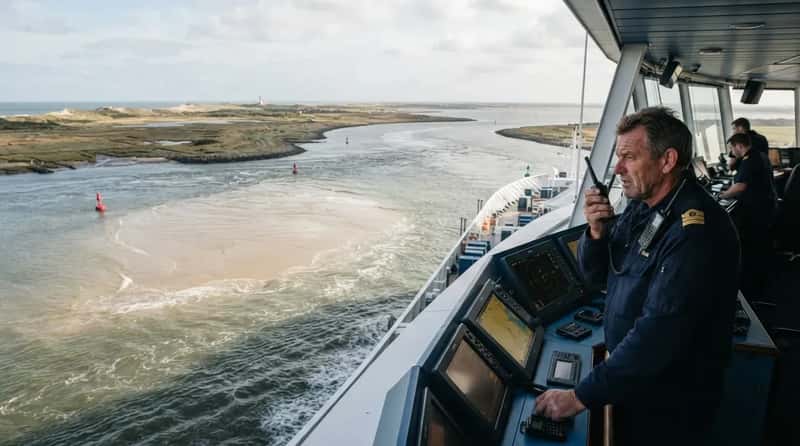
Nautical charts get updated occasionally. Sandbars shift constantly, sometimes week to week.
The ship carries advanced instruments, but the pilot knows how local weather affects currents, which wind patterns cause drift, and exactly where sandbars have recently built up. That real-time local knowledge is precisely what no satellite or app can fully replace, which is the entire reason the job still exists in an age of GPS.
#15 – Some Candidates Study Over 1,000 Hours Just to Sit the Exam
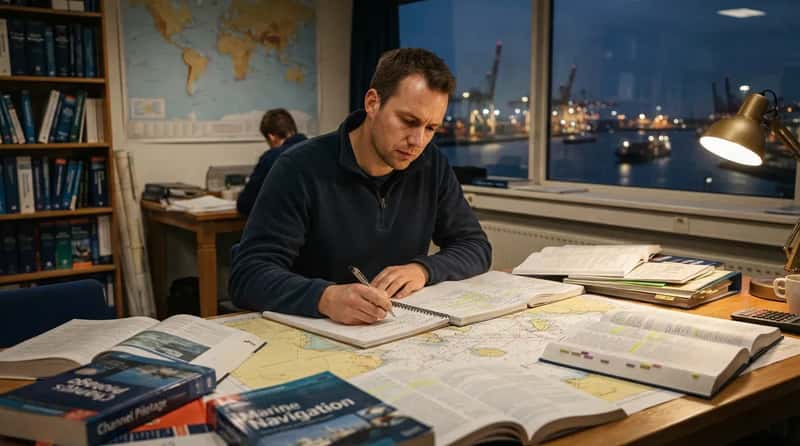
Becoming a pilot isn’t a weekend certification. It’s closer to a second full maritime career layered on top of the first.
Successful candidates in recent years have studied at least 1,000 hours to prepare, and most sit for the exam more than once, with some registering five times or more. Most guests assume a pilot is basically a glorified tour guide, when in reality they’re one of the most exhaustively tested professionals working on the water.
#14 – The Exam Includes Drawing the Entire Harbor From Memory
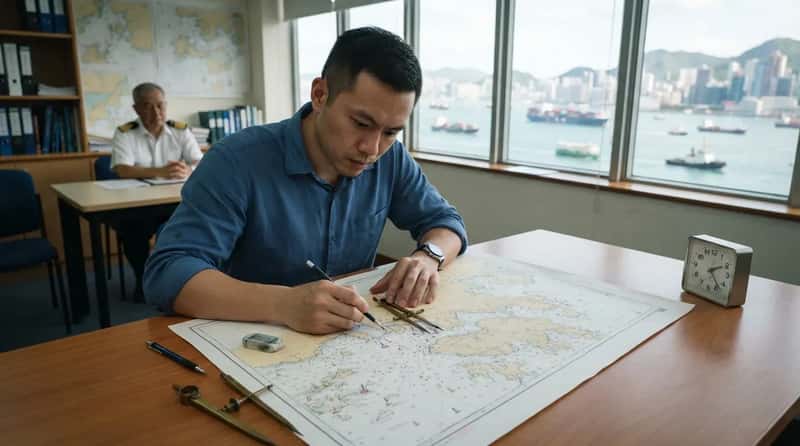
You read that right. No map, no reference material, just memory and a pencil under a strict clock.
A comprehensive deputy pilot exam covers 30 local knowledge questions, 100 international rules-of-the-road questions, freehand harbor chart drawing, 50 ship-handling questions, and navigation-aid questions, each requiring a passing score between 70 and 90 percent. Redrawing a single channel marker incorrectly can end a candidacy on the spot.
#13 – In Alaska, Two Pilots May Steer the Same Cruise for an Entire Day
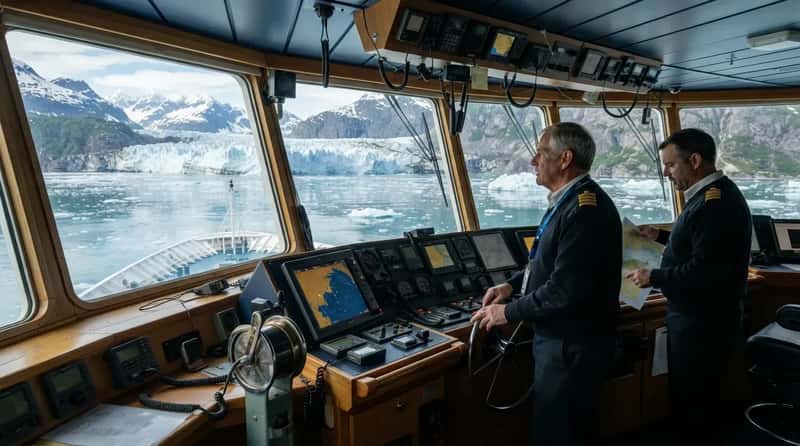
The rules change dramatically once ships enter glacier country, where the margin for error shrinks fast.
Alaska cruise ships sail so close to shoreline and icebergs during nearly the entire transit that vessels are typically under pilotage the whole time, using two pilots who trade off, an arrangement common in places like Glacier Bay National Park. Most guests photographing the glacier have no idea two professional pilots are quietly swapping shifts on the bridge above them.
Worth Knowing
- Alaska routes can keep a pilot aboard longer than most other North American itineraries
- Glacier Bay National Park is one of the strictest pilotage zones in the country
- Two rotating pilots split the workload across a single sailing day
- The handoff between them happens mid-transit, far from any dock or gangway
#12 – Pilots Run the Same Stretch of Water More Than Your Captain Ever Will
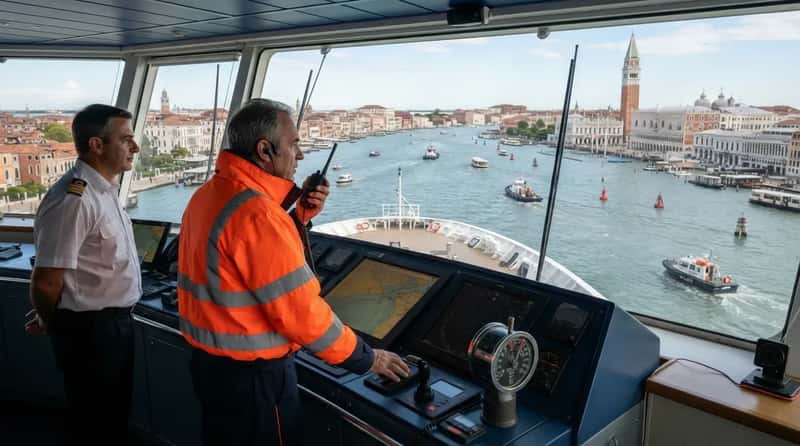
Experience with a port isn’t equal on the bridge, and it’s not even close once you compare the numbers.
Ship officers might visit a given port only a handful of times a year, while pilots make the same tricky transit multiple times a week, sometimes daily, keeping their knowledge constantly refreshed. That gap in familiarity is exactly why the handover happens at all, since a captain who’s world-class at sea can still be a rookie in one specific harbor mouth.
#11 – Tugboats Are Only Called In Once Wind Crosses a Specific Threshold
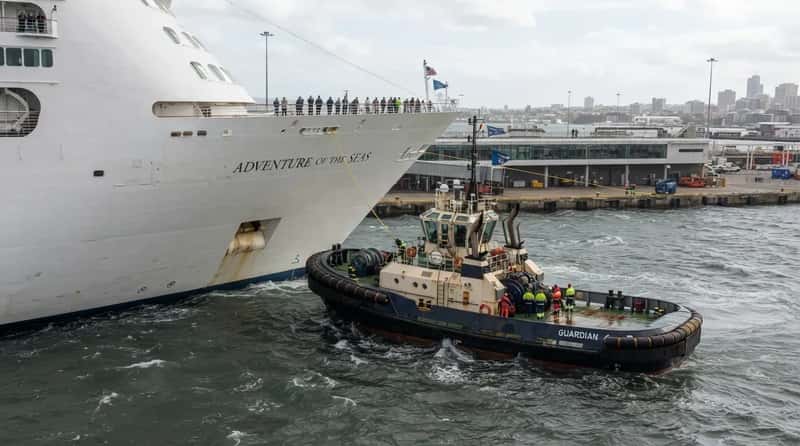
Tugs aren’t a routine cruise ship accessory anymore. They’re strictly a backup plan for when conditions turn ugly.
Wind is the most common reason a cruise ship might need tugboat help, since the massive flat sides act almost like sails; most ships can dock safely on their own in winds up to 30 to 35 knots, but beyond that, tugboats get the call. Most guests assume tugs are standard, when they’re actually the exception rather than the rule at modern ports.
#10 – Giant Ships Now “Parallel Park” Without Any Outside Help
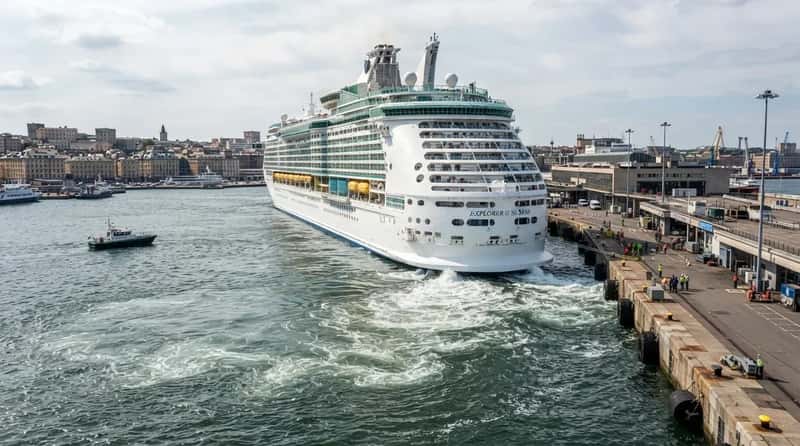
What used to take a whole fleet of tugboats now often takes one quiet piece of engineering hiding under the hull.
Today’s cruise ships are equipped with Azipods that let them move freely on their own, plus bow and stern thrusters that allow the ship to slide sideways and dock without assistance. This single technology quietly ended decades of dependence on tugboat companies at most major ports around the world.
#9 – The Smooth Sideways Slide Into Dock Isn’t the Captain’s Doing Alone
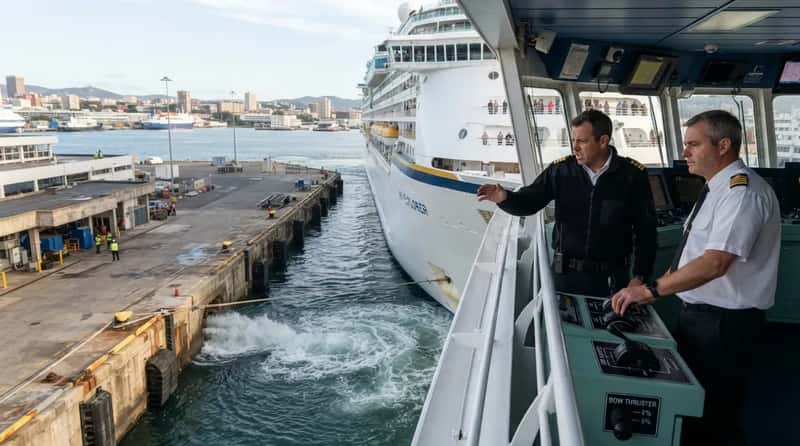
That effortless glide sideways into the berth looks automatic. It’s actually a coordinated, split-second team effort between captain and pilot.
Bow thrusters are high-powered propellers built into horizontal tunnels near the ship’s bow, letting the vessel slide sideways for precise docking without tugboats. The pilot is often the one calling exact thruster percentages in real time, and one wrong percentage against a concrete pier can mean a multimillion-dollar repair bill.
#8 – In Venice and Similar Ports, Thrusters Are Actually Banned From Full Power
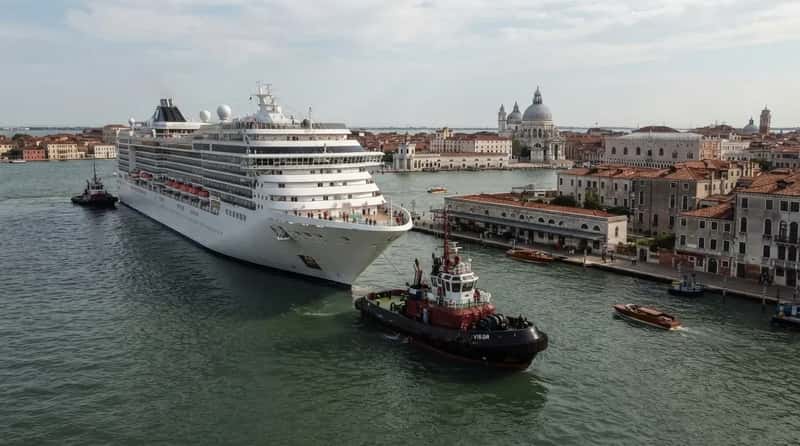
Not every port wants that modern sideways-slide trick used at full strength, no matter how convenient it is.
Ports like Venice often require tugboats specifically to keep thrusters from disturbing the seabed. The environmental cost of a full-power thruster blast is exactly why some historic ports quietly banned the very technology that made docking easier everywhere else, a trade-off port authorities rarely explain to guests.
Quick Compare
- Modern ports: full-power thrusters, no tugboats, faster docking
- Heritage ports like Venice: thruster power restricted, tugboats required
- Reason: protecting seabeds and centuries-old canal walls from erosion
- Result: a slower, more traditional docking process guests rarely notice
#7 – Some Ships Have to Complete a Slow 180 Before They Even Reach the Pier
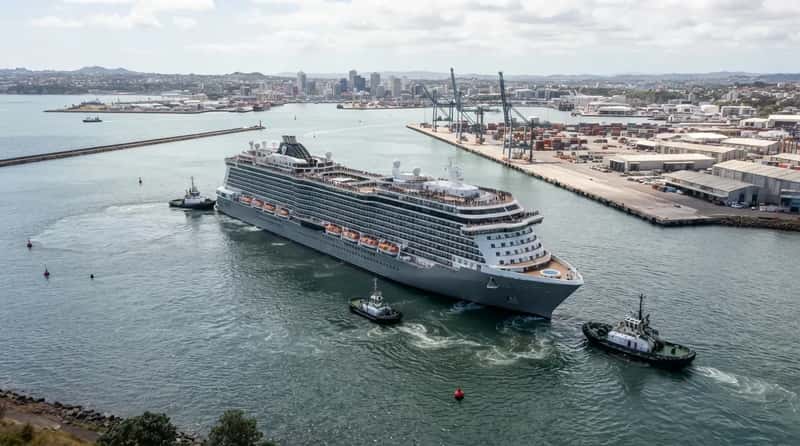
Certain berths physically can’t be approached head-on, no matter how skilled the pilot behind the controls happens to be.
A turning basin is a wider stretch of water at a port built so ships can turn and reverse direction, and for a full 180-degree turnaround, the basin’s width has to exceed the length of the longest vessel using it. On a 1,100-foot ship, that turn alone can eat up 20 minutes of pure, silent precision.
#6 – Pilots Are Paid By the Port, Not the Cruise Line – On Purpose
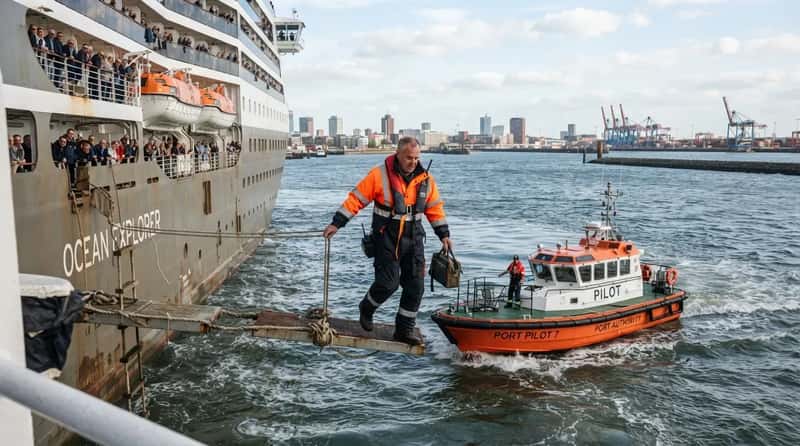
This one detail explains why a pilot will delay your embarkation without a second thought, no matter how many guests are waiting.
Their independence from any cruise line or shipping company ensures decisions get made purely on safety and operational grounds, not schedules. A cruise line literally cannot pressure a pilot into rushing a risky entry, which is exactly the point of how the system was designed decades ago.
#5 – On the Bridge, Pilots Sometimes Switch Languages Mid-Sentence
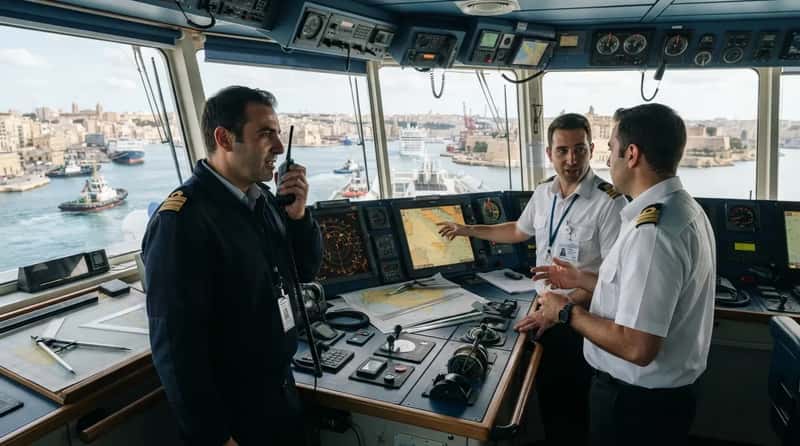
A cruise ship’s bridge is a genuinely international workplace, and it shows the moment a pilot steps aboard.
Pilots often communicate with local port authorities in their native language, even while the ship’s own officers are speaking an entirely different one to each other just a few feet away. Guests standing on the bridge-view deck rarely realize three or four languages are flying around at once during a single approach.
#4 – After Docking, There’s a Quiet Debrief You’ll Never See Happen
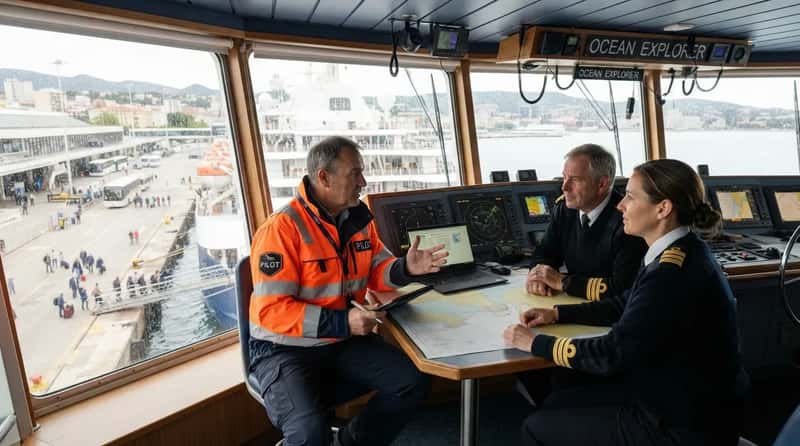
The moment the gangway goes down isn’t actually the end of the pilot’s job, even though every passenger assumes it is.
After securely docking the vessel, the pilot walks through a thorough post-arrival review with the ship’s crew, covering feedback and any challenges from the approach. It’s essentially a private performance review most passengers assume doesn’t exist, held quietly on the bridge while everyone else heads straight for the gangway.
#3 – Leaving Port, the Whole Ladder Routine Happens Again in Reverse
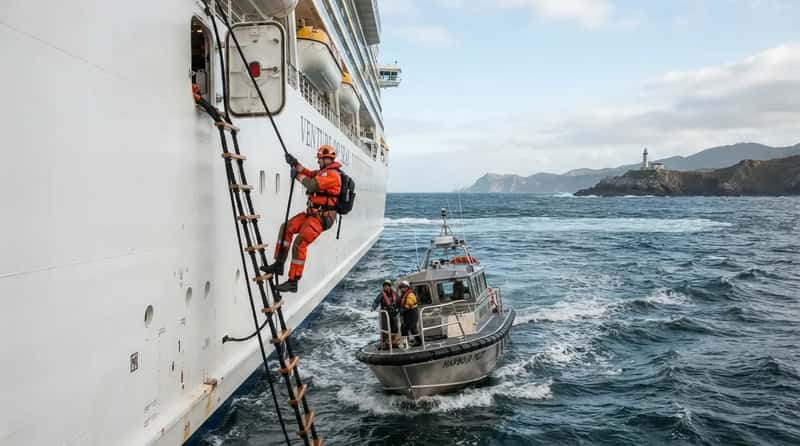
Getting the pilot off the ship is arguably the riskier half of the entire job.
When a cruise ship is ready to leave port, the pilot stays aboard and guides it out of the harbor while a partner follows in a pilot boat, so the pilot can climb down and return once the ship reaches open water. Climbing down a moving ladder onto a bobbing boat is genuinely harder than climbing up one.
#2 – This Job Has One of the Highest Injury Rates on the Water
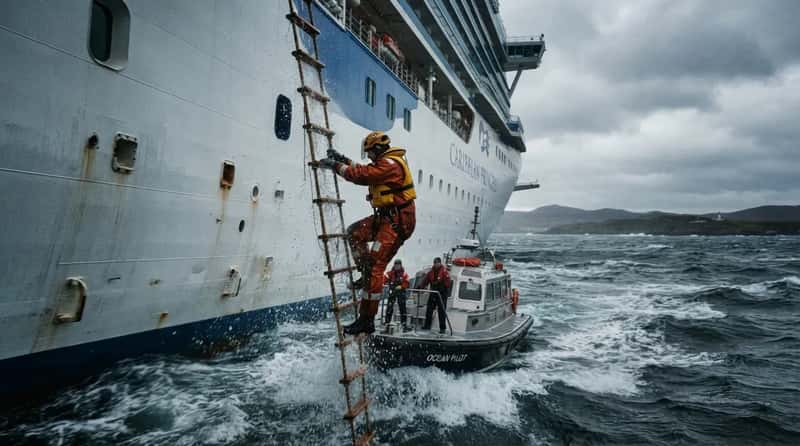
Behind the calm bridge manner is a genuinely dangerous occupation that almost no guest ever thinks about.
One in twenty harbor pilots will be killed or injured at some point during their career, and according to the American Pilots Association, eight cruise ship pilots have died in the United States since 2006. In 2023, a Princess Cruises boarding attempt made headlines for exactly this reason, when a pilot fell into rough seas during transfer and was thankfully rescued.
Fast Facts
- 1 in 20 harbor pilots injured or killed during their career
- 8 cruise ship pilot deaths recorded in the U.S. since 2006
- 2023 Princess Cruises boarding incident made national headlines
- The ladder transfer, not the ship itself, is the riskiest moment of the job
#1 – A Pilot Can Cancel Your Entire Port Day, and the Cruise Line Can’t Overrule It
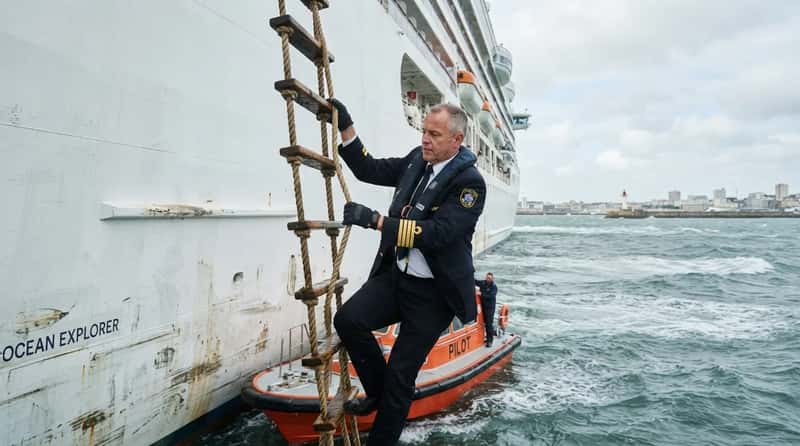
This is the fact that explains almost every mysterious “itinerary change” announcement you’ve ever heard crackle over the intercom.
Because pilots answer to the port authority and not the cruise line, they hold the final call on whether conditions are safe enough to bring a ship in at all. High winds, dangerous swells, or poor visibility give the pilot full authority to hold, delay, or divert the transit, and no amount of guest complaints or corporate pressure changes that call.
Most of what actually keeps a modern cruise ship safe happens in the two or three hours nobody on the pool deck is paying attention to. A stranger climbs a rope ladder in a dress shirt, quietly takes the wheel of a floating small town, and hands it back hours later without most passengers ever learning his name.
The technology has gotten smarter with Azipods, thrusters, and GPS, but the job still comes down to one person’s memorized knowledge of a single stretch of water. That’s a strange amount of trust to place in someone you’ll never meet at dinner. Which one of these surprised you the most?