Greece Trip: Day 7. Crete – Heraklion – Image for illustrative purposes only (Image credits: Unsplash)
Heraklion stands as Crete’s vibrant capital and a gateway to one of Europe’s earliest advanced civilizations. The city’s location on the island’s northern coast places visitors within easy reach of extraordinary archaeological sites and museums that illuminate the Minoan era. Its layered history, from ancient palaces to Venetian fortifications, offers a compelling alternative to more crowded Greek destinations.
Knossos and the Dawn of European Civilization
Just five kilometers south of the city center lies Knossos, the largest and best-known center of the Minoan civilization. This sprawling palace complex, occupied from the Neolithic period onward, is often described as the oldest city in Europe. Its sophisticated architecture, including multi-story buildings, advanced drainage systems, and vibrant frescoes, reveals a culture that flourished thousands of years before classical Greece. Excavations have uncovered storage jars, ceremonial spaces, and evidence of a complex society that traded across the Mediterranean. The site’s proximity to Heraklion makes it an essential stop for anyone interested in how early European communities organized themselves politically and culturally. Ongoing preservation efforts continue to protect these ruins while allowing public access.
Zeus, Caves, and Enduring Myths
Crete holds a central place in Greek mythology as the birthplace of Zeus. According to legend, the infant god was hidden in a cave on Mount Ida or in the Dikteon Cave to escape his father Cronus. These locations, along with nearby shrines, tie the island directly to the origins of the Olympian pantheon. Artifacts linked to Zeus worship, including offerings and cult objects, are preserved in Heraklion’s Archaeological Museum. The museum houses the world’s most important collection of Minoan finds, providing tangible connections between myth and material culture. Visitors often find that exploring these stories on the ground adds depth to familiar legends.
City Life and Venetian Heritage
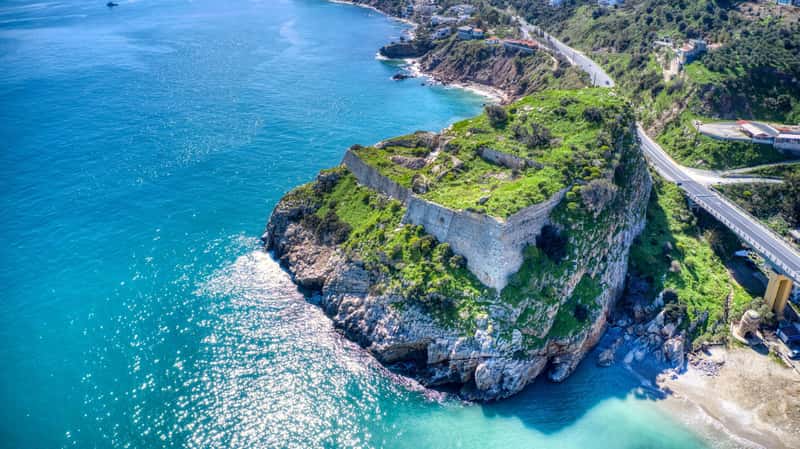
Beyond the ancient sites, Heraklion itself rewards exploration with its blend of old and new. The massive Venetian walls that once protected the port remain largely intact, offering scenic walks and panoramic views. The old harbor area mixes historic buildings with lively cafes and markets where local produce and Cretan specialties are easy to find. The Archaeological Museum stands as a highlight for its comprehensive displays of pottery, jewelry, and wall paintings recovered from Knossos and other Minoan centers. Additional attractions include the Historical Museum of Crete and remnants of Venetian and Ottoman structures scattered throughout the urban core. These elements create a walkable city that balances history with everyday Mediterranean energy.
Why Travelers Are Taking Notice
Heraklion combines major archaeological significance with practical advantages for visitors. Direct flights and ferry connections make it accessible, while its position on Crete allows day trips to beaches, wineries, and smaller historic towns. The city’s scale keeps it more grounded than some island hotspots, with authentic tavernas and fewer seasonal crowds in shoulder periods. Recent interest in lesser-known Greek destinations has drawn attention to Crete’s capital as a base for deeper cultural immersion. Its combination of myth, ruins, and urban vitality positions Heraklion as a destination that rewards those seeking substance alongside scenery. Travelers who spend time here often leave with a richer understanding of how ancient innovations and stories continue to shape the Mediterranean today.