Two weeks is the sweet spot for a first Japan trip. It’s long enough to cover Tokyo, Kyoto, and Osaka without rushing, and short enough that you don’t need to quit your job to do it. The tricky part is figuring out what that trip actually costs, because Japan’s reputation for being expensive doesn’t always match reality anymore.
Between a historically weak yen, a rail pass that changed its math a few years back, and a new departure tax that just kicked in this summer, the numbers have shifted quite a bit from what older travel guides suggest. Here’s a category-by-category breakdown of where your money actually goes.
Flights: the single biggest variable
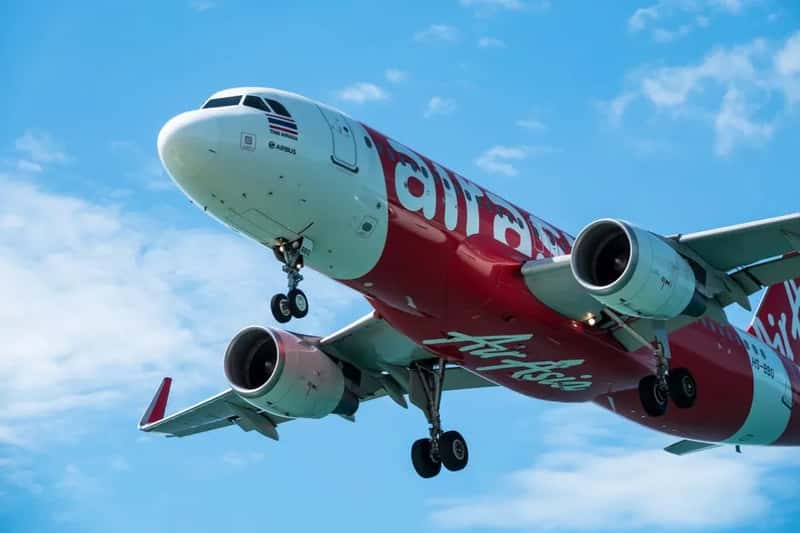
Airfare is almost always the largest line item on a Japan trip, and it’s also the one with the widest range depending on where you’re flying from and when you book. Round-trip economy fares from major North American cities to Tokyo typically fall from approximately $600 to $1,500 or more, depending on the factors mentioned above. Departure timing matters more than people expect, since seasonal demand can swing prices dramatically.
Travel agencies and cost guides generally recommend booking well ahead, and industry sources suggest booking 4-6 months in advance at least for the best fares. If your dates are flexible, avoiding the two most crowded windows helps your wallet as much as your sanity, since avoiding cherry blossom season and Golden Week keeps costs of the trip low.
Accommodation: from capsule pods to ryokan luxury

Japan’s lodging scene is unusually flexible, which is part of why total trip costs vary so much between travelers. On the cheap end, capsule hotels run 3,000-4,000 yen and are surprisingly comfortable, clean, and a uniquely Japanese experience, while hostels cost 3,000-5,000 yen for a dorm bed with generally high quality.
Mid-range travelers usually end up in business hotels, which are 6,000-12,000 yen and form the backbone of mid-range travel in Japan, with small but impeccably clean rooms and breakfast often included. If you want to splurge for a night or two, ryokan stays run 15,000-40,000 yen and often include dinner and breakfast, which changes the value calculation significantly. Over fourteen nights, most travelers mix tiers rather than sticking to just one.
Getting between cities: the JR Pass debate
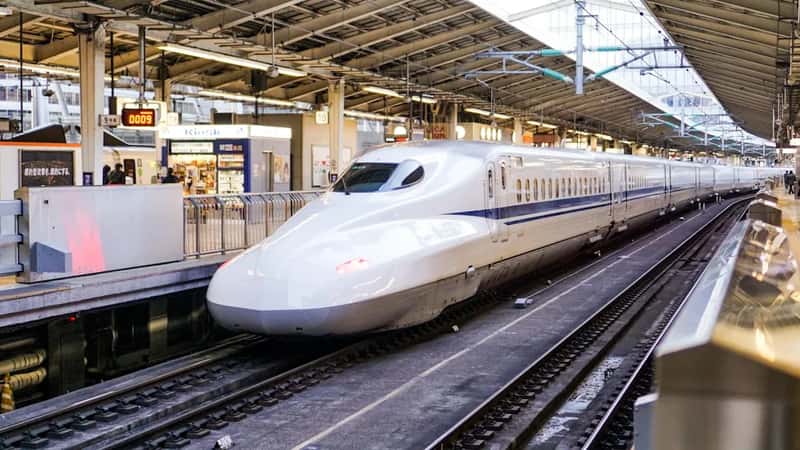
This is where 2026 budgeting looks different from a few years ago. The Japan Rail Pass used to be an automatic purchase for any multi-city trip, but that changed after a major price hike. As of this year, the 2026 nationwide Japan Rail Pass costs ¥50,000 for 7 days, ¥80,000 for 14 days, and ¥100,000 for 21 days in Ordinary class.
The math has gotten more complicated because after the October 2023 price increase, a seven-day Japan Rail Pass now costs about US$330, and the higher price pushes the break-even point much higher than it used to be. For a classic Tokyo-Kyoto-Osaka loop, individual tickets often win out, since a Tokyo-Kyoto round trip on individual tickets costs roughly ¥28,000, leaving you ¥22,000 in the hole if you bought the pass. The pass still makes sense if you’re adding Hiroshima or several other long-distance legs into your two weeks.
Local transport: subways, IC cards, and buses
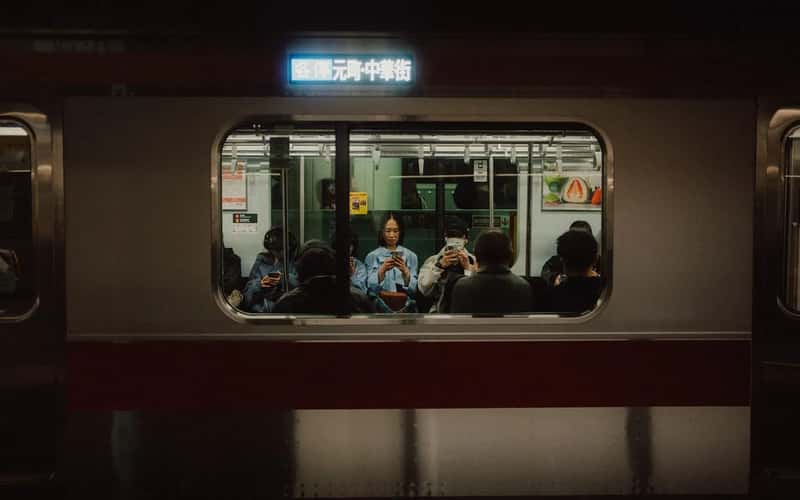
Day-to-day city transport is one of the more predictable costs of the trip. Within Tokyo and other major cities, the subway runs $1.50 to $3 per journey, and IC cards like Suica or Pasmo make this seamless, with most travelers budgeting $10-$20 per day for urban transport. Over fourteen days, that adds up to somewhere between $140 and $280 just moving around town, which is modest compared to most Western capitals.
It’s worth distinguishing between the two transit tools you’ll actually use. An IC card handles subways, buses, and local trains, while the JR Pass or individual Shinkansen tickets cover longer intercity hops, since an IC card works on virtually all trains, buses, and subways, while the JR Pass covers only JR-operated trains, and most Tokyo travelers need an IC card regardless. Tap-and-go cards remove almost all friction from getting around, which is part of why Japan’s transit system feels so easy once you’re actually there.
Food: cheaper and better than most visitors expect

Food is consistently the pleasant surprise in a Japan budget. Convenience stores alone can carry a traveler for days, since convenience store meals run 500-800 yen, with fresh onigiri, sandwiches, bento boxes, and hot snacks from 7-Eleven, Lawson, or FamilyMart, and no shame in eating konbini meals daily since many locals do. A step up, ramen, udon, and curry shops run 800-1,200 yen, with a full satisfying bowl of ramen rarely costing more than 1,000 yen even at popular shops.
Sushi lovers don’t need to break the bank either, since conveyor belt sushi starts around 2,000 yen for a filling meal. Even fine dining stays relatively reasonable by global standards, as high-end dining runs 10,000 yen and up, with Michelin-starred restaurants in Japan famously affordable compared to their counterparts in New York or Paris. Across fourteen days, mixing konbini breakfasts with sit-down dinners typically lands most travelers between $25 and $50 a day on food alone.
Sightseeing, temples, and paid attractions
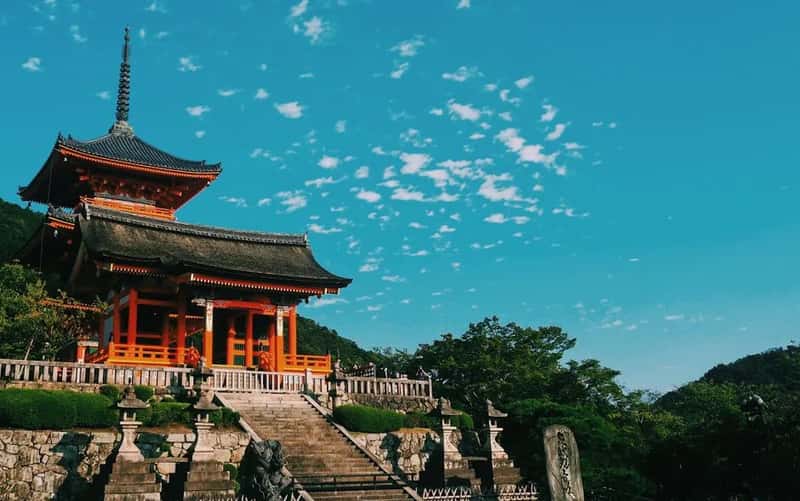
One of the quieter reasons Japan feels more affordable than its reputation suggests is how much there is to do for free or nearly free. Many temples and shrines don’t charge admission at all, and those that charge typically ask 300-600 yen. Museums are similarly modest, with museums running 500-1,500 yen, and onsen visits offer some of the best value in the country at 600-1,500 yen for public baths, one of the best-value experiences in the country.
If you want a themed cultural experience, prices climb a bit but stay accessible, since tea ceremonies run 1,500-3,000 yen, cooking classes 4,000-8,000 yen, and kimono rental 3,000-5,000 yen. Theme parks are the exception to the pattern of Japan being gentle on the wallet. Budget accordingly if Tokyo DisneySea or Universal Studios Japan is on your list, since Universal Studios Japan and Tokyo DisneySea are both genuinely impressive, but add $70-$100+ per person per day to your budget.
Seasonal timing: when your two weeks costs more or less
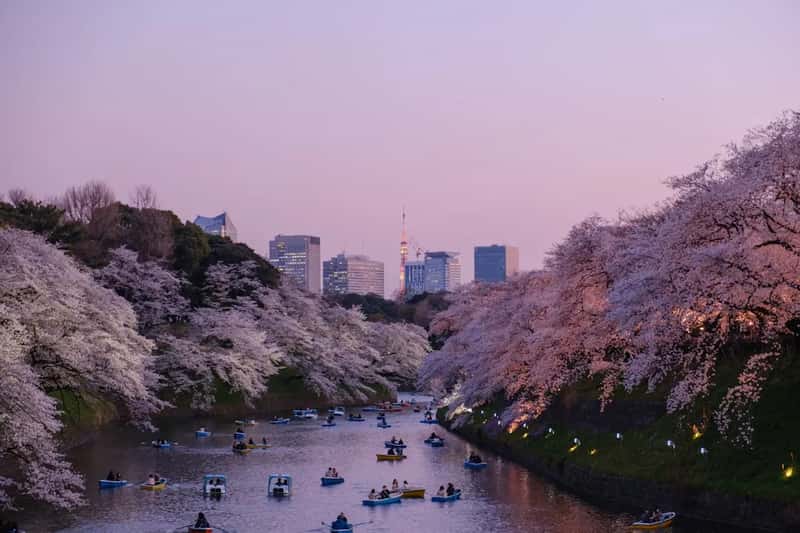
The calendar affects your budget almost as much as your travel style does. Peak windows hit accommodation the hardest, since cherry blossom season and Golden Week are Japan’s two highest peak season windows, with hotel costs surging 40-80% and flights jumping 30-50%. If your dates have any flexibility at all, shifting even a few weeks makes a real difference.
Shoulder seasons quietly reward the flexible traveler. Sources note that a budget conscious visitor traveling in early March or post-Golden Week can save 30-50% on accommodation prices alone, and even the June rainy season window is excellent value if you do not mind the rain. For a two-week trip, timing alone can shift your total budget by several hundred dollars without changing anything else about how you travel.
Total two-week budget by travel style
Putting it all together, most travelers fall into one of a few clear tiers. On a tight budget, ground costs alone (excluding international flights) tend to land around roughly $1,960 for two weeks, while mid-range travelers spending between $150 and $250 a day on the ground will land considerably higher once accommodation and Shinkansen travel are factored in, since mid-range travelers typically spend $150–$250 per day covering accommodation, food, transport, and activities.
Including flights changes the picture meaningfully. One current estimate puts a mid-range two-week trip, flights included, at $3,800–4,800 per person, which lines up closely with other 2026 guides suggesting total expenses for two-week trips cost $3,000 to $6,000 depending on comfort level. Travelers who want a touch of luxury, like a night or two in a ryokan or a few nicer dinners, should expect to land toward the upper end of that range, while those willing to lean on convenience stores, hostels, and local trains can realistically land near the bottom.