You’ve done it. You’ve booked the tickets, researched the highlights, and maybe even learned a few basic phrases. You think you’re ready for that dream trip. Yet here’s the thing. There’s a whole layer of reality about international travel that doesn’t make it into the glossy brochures or travel videos with millions of views.
The truth is, every destination has its unspoken side. The things locals know but visitors discover too late, often while standing confused in a train station or staring at an unexpectedly high restaurant bill. Let’s be real, the best trips are the ones where you arrive prepared, not just excited. So let’s dive into what nobody bothers mentioning about these popular destinations until you’re already there.
Japan: Those Hidden Costs Add Up Faster Than You Think
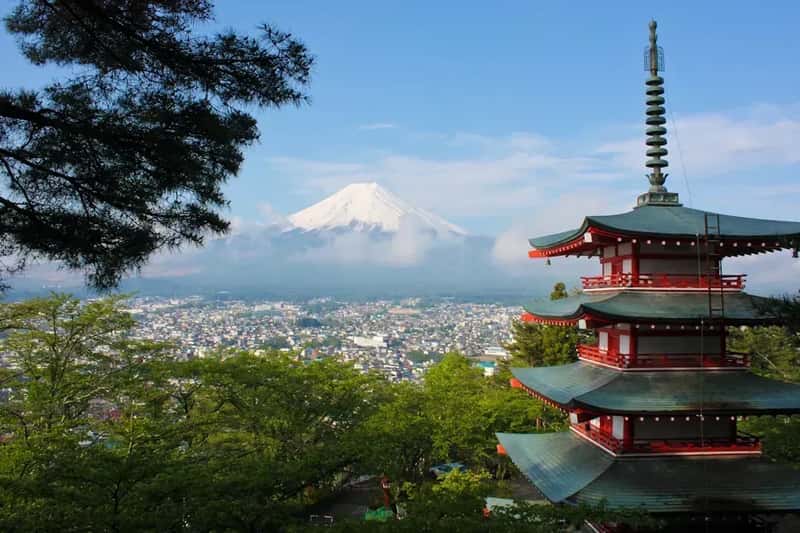
Japan saw a massive surge in visitors recently, with a whopping rise in arrivals as the weak yen made the country more affordable for international travelers, bringing places like Tokyo, Kyoto, and Osaka back onto wishlists. Here’s what catches people off guard though. While you might score cheap flights and the weak yen seems like a steal, hotel rates have increased significantly, with room rates across all categories jumping by approximately ¥5,000 to ¥10,000 (around $33 to $66) due to the recent surge in tourism.
Many restaurants quietly add table charges of a few dollars without warning, and a mid-range traveler might spend around $200 to $300 per day, while budget travelers can get by on $100 to $150 daily. Transport eats into your wallet too. The famous JR Pass might seem essential, yet for shorter trips sticking to one or two cities, individual tickets often work out cheaper. Honestly, I think people underestimate just how quickly convenience store snacks and vending machine drinks become a daily expense when dining out feels too pricey every single meal.
Iceland: Europe’s Priciest Playground Isn’t Slowing Down
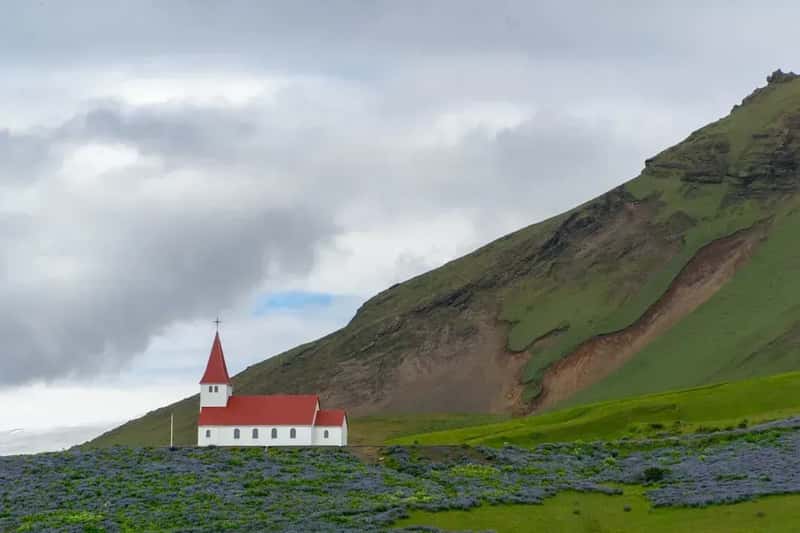
Iceland is expensive due to high cost of living and prices of imported goods, with tourists facing high prices for accommodation, food, transportation, and entertainment. The average trip to Iceland costs about $300 per person per day including airfare, assuming budget accommodations, limited organized activities, self-driving, and careful food choices. Still, people show up expecting Scandinavia-level pricing and get shell-shocked by a simple restaurant meal costing upwards of thirty dollars.
Hotels and guesthouses charge ISK 600 (around €4.24) per room, while cruise passengers face an ISK 1,000 (€7.06) tax at Icelandic ports. The government is planning to propose a considerably higher tourism tax in the coming weeks. What nobody mentions is how food becomes your biggest daily drain. If you’ve traveled to Scandinavian countries before, you’re used to high food prices, but for many it can be a shock. Most people end up grabbing gas station hot dogs and supermarket sandwiches just to keep their budget from exploding.
Italy: The Crowds Are Worse Than You’ve Seen in Photos
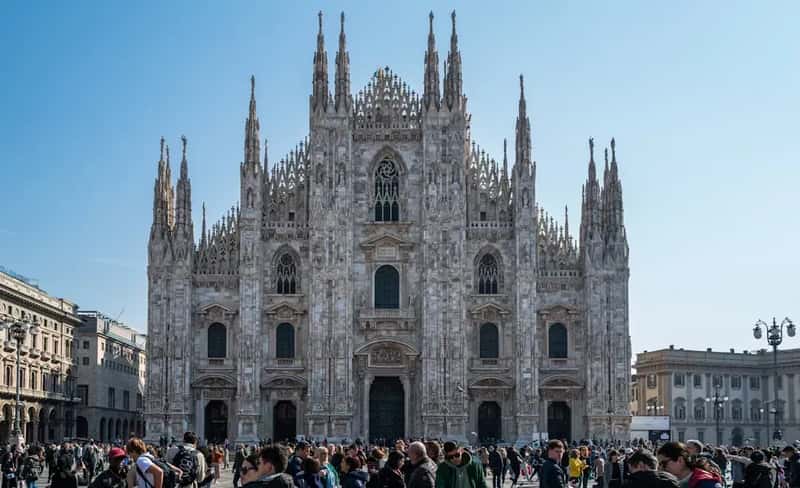
Let’s talk about Italy’s elephant in the piazza. Foreign arrivals to Italy from June through September 2025 exceeded 2024 by approximately 4.6%, with over 10.6 million tourists recorded in just the first quarter of summer, including a peak of 2.3 million in April alone. Venice, Florence, Rome – they’re not just busy, they’re suffocating. According to a tourism report, roughly 64% of visitors experienced overtourism and overcrowding at their chosen destinations.
In Venice, the historic center now hosts up to 85,000 daily day-trippers compared to a dwindling resident population of fewer than 50,000. Venice brought in a day-tripper tax of €5 in 2024, extended in 2025 to every Friday through Sunday and holidays from April 18 to July 27 for 54 days total, with the levy doubled to €10 for last-minute arrivals. The Instagram photos don’t show you waiting an hour just to enter the Uffizi or navigating through human traffic jams on narrow Venetian bridges. Some 71% of visitors chose their destination influenced by social media, with roughly 75.8% planning trips following checklist-era logic. Tourism has become more about ticking boxes than actually experiencing the place.
Morocco: Tourist Traps Are an Olympic Sport Here
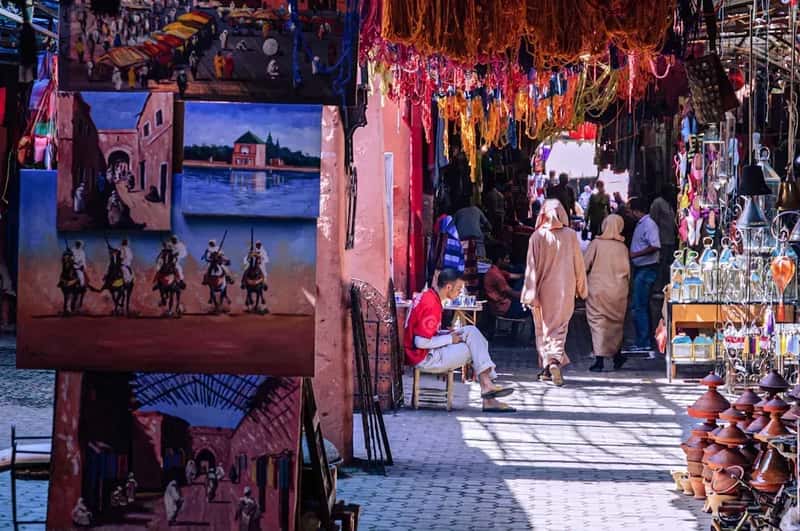
Morocco’s medinas are magical, no argument there. Yet the relentless hustle takes some getting used to. Vendors in Marrakech’s souks aren’t just persistent, they’re professionals who’ve perfected the art of tourist persuasion. You’ll hear every trick – the “my shop is just around the corner” routine, the “special price for you my friend” spiels, the guilt trips if you don’t buy after they’ve shown you their entire inventory.
Here’s the reality check nobody gives you beforehand. That charming local who offers to show you around? Probably expects payment or a commission from wherever he takes you. The “fixed price” taxis at the airport? Almost never actually fixed. Rabat, recognized by UNESCO as the 2026 World Book Capital, features the Mohammed VI Museum of Modern and Contemporary Art with over 500 works rooted in modern Moroccan and African art. Head to less touristy cities and you’ll find authentic Morocco without the constant sales pressure. Still, be prepared to negotiate firmly and walk away often.
Thailand: Rainy Season Means Really, Actually Rainy
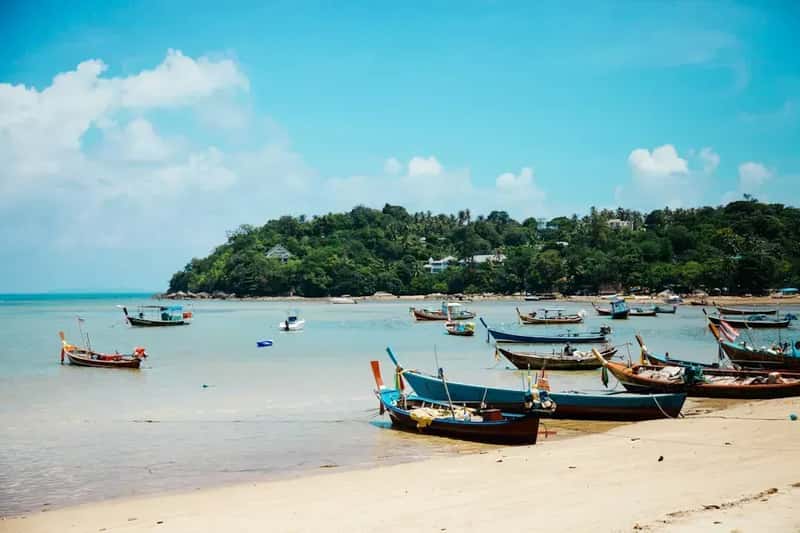
People book Thailand trips for July or September thinking a little rain won’t matter. Let me tell you, monsoon season is not just “a bit of drizzle.” We’re talking torrential downpours that can last hours, flooding streets, canceling boat trips, and turning beach days into indoor hotel marathons. Islands like Koh Samui have different rainy patterns than Phuket, which adds another layer of complexity most travelers miss.
The tourist infrastructure adapts, sure. Hotels drop their prices significantly. Fewer crowds mean easier access to attractions. However, when that afternoon storm rolls in and your snorkeling tour gets cancelled for the third day running, those savings feel less valuable. Local businesses sometimes close entirely during the worst months. Transportation becomes unpredictable. If you’re committed to visiting during monsoon season, honestly, just accept that half your carefully planned itinerary might need last-minute adjustments and bring serious rain gear.
Australia: Everything Is Further Apart Than Your Brain Can Process
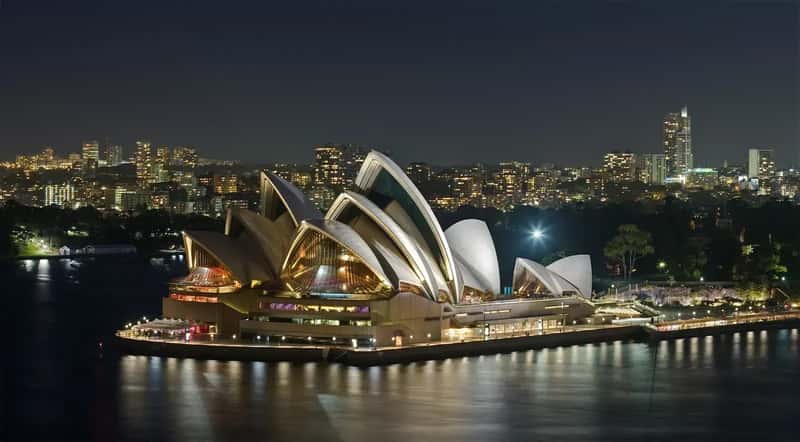
Australia’s scale breaks people’s brains. Looking at a map, you think driving from Sydney to Melbourne seems doable in a day. It’s roughly 550 miles. Yet that’s nearly nine hours of driving without stops, through some pretty monotonous landscape. Want to see the Great Barrier Reef from Sydney? That requires a flight to Queensland because it’s over 1,200 miles north.
Americans might think they understand big distances, but Australia takes it to another level. Towns can be separated by hundreds of miles of nothing but red dirt and kangaroos. Gas stations become rare. Cell service disappears. Food options narrow to whatever truck stop happens to exist. Travelers routinely underestimate drive times and end up exhausted, having spent their vacation behind a wheel instead of actually experiencing anything. The smart move? Fly between major destinations and only rent cars for regional exploration. The country rewards patience and realistic planning, not ambitious road trip fantasies.
Greece: Ferry Schedules Are More Like Suggestions
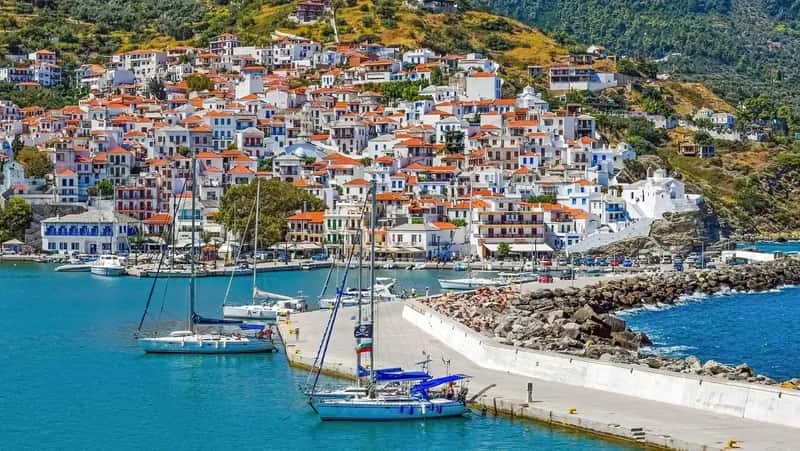
Greek island hopping sounds romantic until you’re stuck on Santorini because the ferry to Mykonos got cancelled. Again. International tourist arrivals reached 87% of pre-pandemic levels in 2023 according to UN Tourism estimates. Greece recovered strongly, yet that recovery brought back all the old infrastructure challenges too.
Ferry strikes happen with surprising regularity, especially during peak summer months. Weather delays are common. That 10am departure? Might leave at noon, might not leave at all. Booking in advance helps somewhat, though cancellations still occur. Always build buffer days into your schedule between islands if you have a flight to catch. The locals shrug at this chaos because it’s just life in the islands, but tourists expecting Swiss-level punctuality find themselves frantically rebooking accommodations and missing connections. Flying between islands costs more but saves sanity if you’re on a tight timeline.
Dubai: Those Strict Laws Apply to Tourists Too
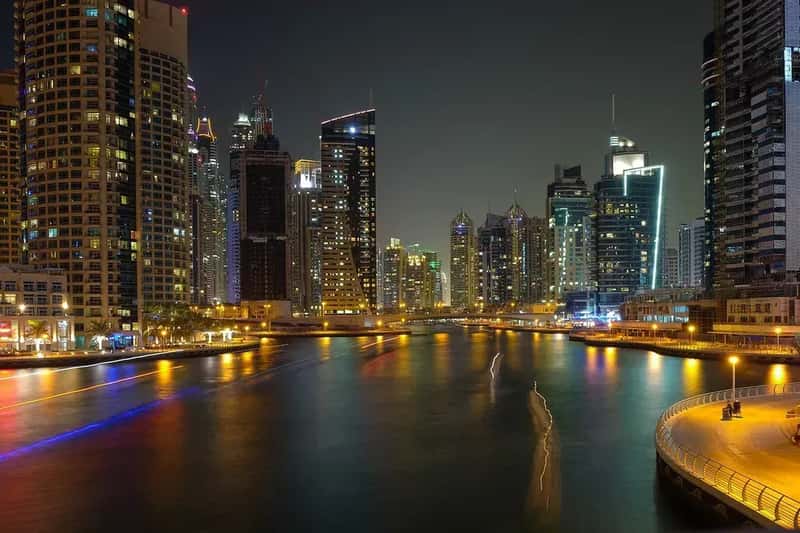
Dubai markets itself as a luxury playground where anything goes, which creates a dangerous misconception. The reality? It’s still a Muslim country with serious laws that absolutely apply to visitors. Public displays of affection beyond hand-holding can get you in trouble. Alcohol is only legal in licensed venues, and being drunk in public is an offense.
Unmarried couples sharing hotel rooms used to be illegal, though enforcement has relaxed somewhat recently. Still, conservative dress is expected in malls and public areas. Taking photos of government buildings, military installations, or even local women without permission can land you in serious trouble. Social media posts criticizing the country or its rulers? People have been arrested for less. The gleaming skyscrapers and Instagram-friendly beach clubs make it easy to forget you’re not in Vegas. Respect local customs, keep your drinking to hotel bars, and remember that what seems minor back home might be a deportable offense here.
New Zealand: Your Budget Will Cry by Day Three
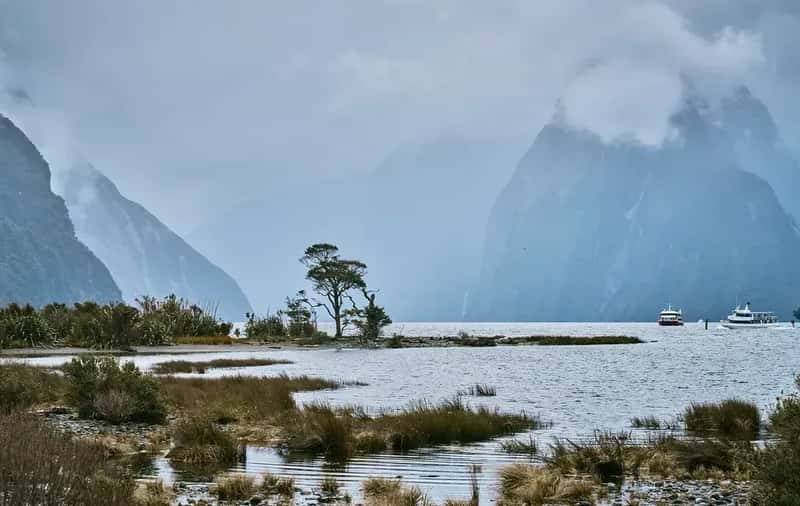
New Zealand has positioned itself as a premium destination, and boy do you pay for it. Accommodation costs rival Europe’s most expensive cities. A basic meal out easily hits twenty-five dollars per person. Rental cars cost more than most places, plus you’ll need comprehensive insurance because those narrow rural roads are unforgiving.
The distances between attractions surprise people too. Seeing both North and South Islands properly requires at least two weeks, preferably three. Domestic flights between islands aren’t cheap. Activities like bungee jumping, skydiving, or glacier hiking cost hundreds each. Even simple things like groceries run higher than Australia next door. An estimated 1.4 billion tourists traveled internationally in 2024, marking a 99% recovery compared to 2019. Everyone wants their slice of paradise, and New Zealand knows it can charge accordingly. Budget travelers struggle here unless they’re camping and cooking every meal. Mid-range visitors end up spending far more than initially planned.
Portugal: Lisbon’s Tourism Explosion Changed Everything
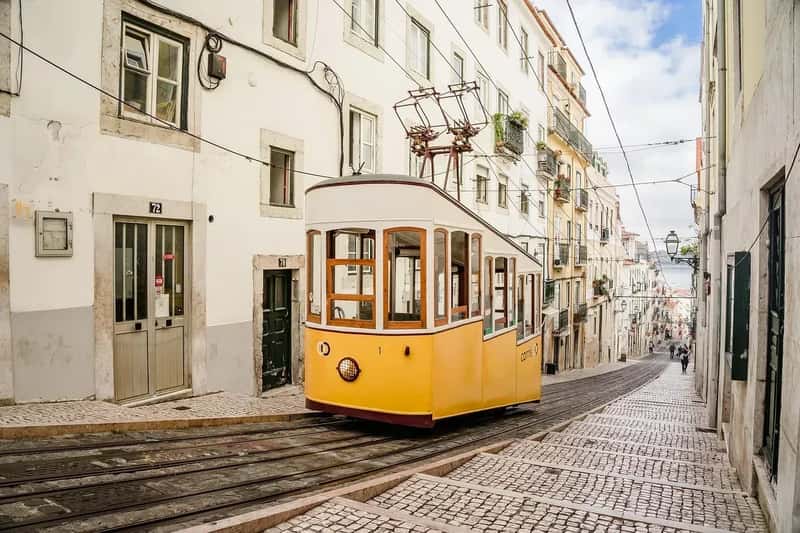
Portugal was the affordable European alternative. Was. Spain’s having a moment with buzzing cities to Moorish palaces and beaches, though locals in places like Mallorca and Barcelona are protesting the downsides of mass tourism. Portugal faces similar pressures. Lisbon now ranks among Europe’s more expensive capitals for accommodation. The charming Alfama neighborhood gets overrun with tour groups and tuk-tuks. Finding authentic local restaurants in Bairro Alto has become genuinely difficult.
Tourism aggravated Portugal’s housing problem with apartment conversions to Airbnbs, resulting in high rents, inflation, and low wages reportedly pricing locals out of the market. Last year Portugal moved to stop issuing new licenses for short-term rentals and scrapped the Golden Visa. The government’s trying to fix the damage, though the effects persist. Porto faces identical issues. Even smaller towns like Lagos or Sintra now see summer crowds that rival Italian hotspots. If you’re visiting in 2026, book far in advance, expect higher prices, and consider visiting during shoulder season when the tourist tsunami slightly recedes.
Conclusion
These ten countries remain incredible destinations worth visiting. The point isn’t to scare you off, rather to help you arrive with eyes wide open. An estimated 1.4 billion tourists traveled internationally in 2024, virtually recovering to pre-pandemic levels, with UN Tourism Secretary-General noting that tourist arrivals and especially earnings are already higher than 2019 in many places. That massive return of travel means infrastructure strains, price increases, and crowds have become the new normal.
The travelers who have the best experiences are the ones who plan for reality instead of Instagram fantasy. They budget extra for Japan’s hidden costs, accept Iceland’s prices as part of the package, avoid Italy’s peak summer crush, and approach Morocco’s souks with good humor and firm boundaries. They respect local laws in Dubai, build flexibility into Greek ferry plans, allocate proper time and money for Australia and New Zealand, and book Portugal accommodations months ahead.
What surprised you most about destinations you’ve visited? Did any of these revelations match your own experiences?