Antigua, Guatemala, combines the elegance of preserved colonial architecture with ready access to dramatic volcanic landscapes. Travelers who arrive during Semana Santa encounter an added layer of tradition and color as the city hosts its renowned Holy Week processions. One visitor who spent more than a week exploring the area described the destination as among the most memorable in Central America after hiking Pacaya along with Acatenango and Fuego while wandering its streets from dawn until dark ([1]).
Streets That Glow With Colonial Detail
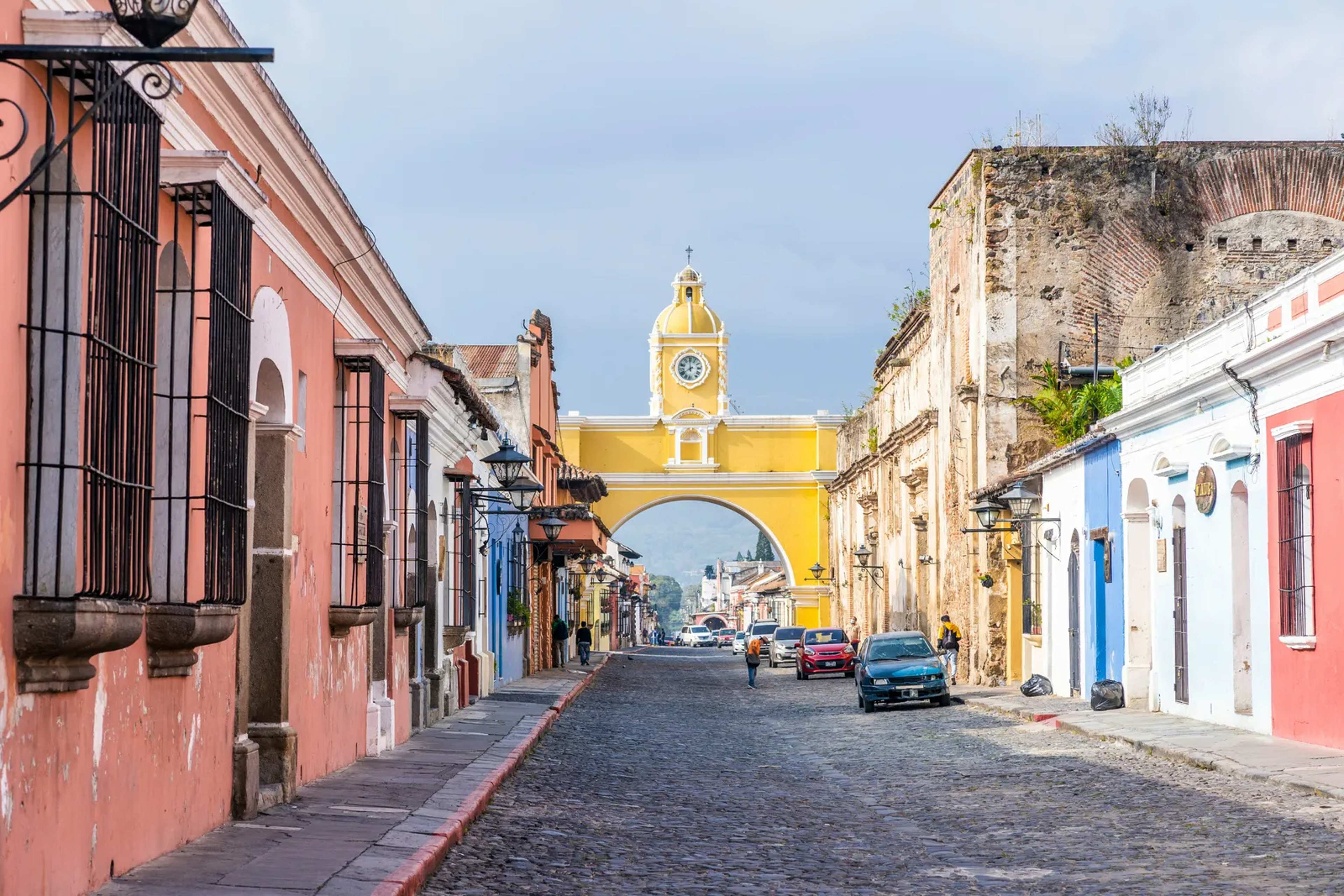
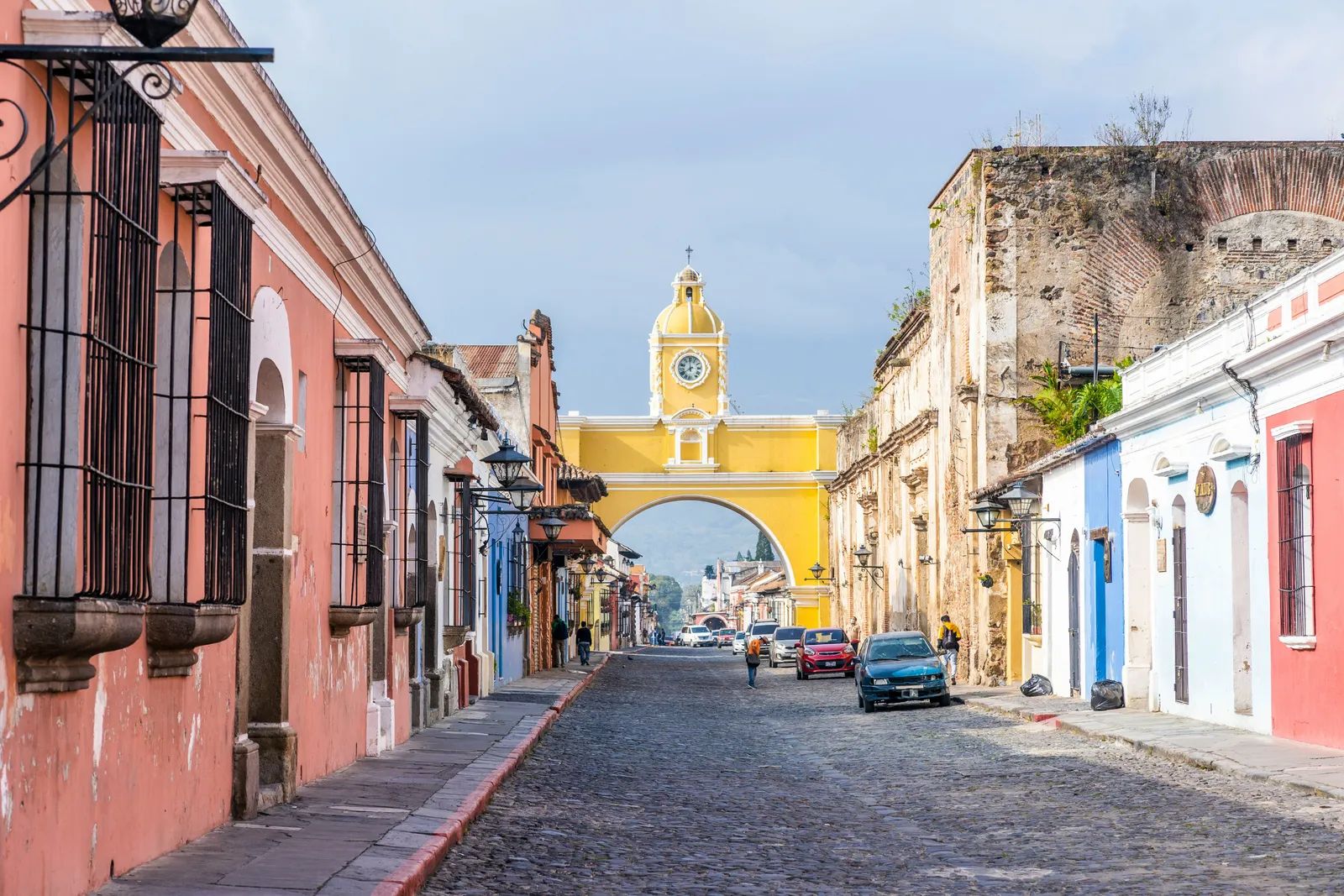
The heart of Antigua lies in its compact grid of cobblestone lanes lined with buildings painted in deep reds, ochres, and greens. Many structures date to the Spanish colonial era and now house cafés, small museums, and rooftop terraces that offer views across red-tiled roofs toward the surrounding mountains. The visitor noted that the city earns its reputation for beauty despite the crowds that tourism brings, because the visual harmony of the architecture and the mountain backdrop rarely disappoints. Evenings bring a different rhythm as lights illuminate the facades and the air carries scents from nearby kitchens. Historic ruins tucked between active businesses remind visitors of the earthquakes that reshaped the city centuries ago, yet the overall impression remains one of lively preservation rather than decay.
Volcano Trails That Rise Above the City
Day trips from Antigua lead directly to three prominent volcanoes. Pacaya offers a relatively accessible hike across recent lava fields with the chance to roast marshmallows over warm vents. The longer trek to Acatenango provides overnight campsites and sweeping vistas that include the active cone of Fuego, whose eruptions can be seen and heard from the higher slopes. These outings require reasonable fitness and proper preparation, yet they deliver a striking contrast to the urban setting below. The same traveler who sampled the city’s cafés and rooftops also completed both the Pacaya day hike and the Acatenango-Fuego overnight route, returning with a deeper appreciation for the region’s geological drama.
Semana Santa Adds Layers of Tradition
Timing a visit for Holy Week transforms the experience. Processions wind through the streets carrying elaborate carpets of colored sawdust and flower petals that are swept away after each passing. Churches open their doors for extended services, and the mix of solemn ritual and public spectacle draws both locals and visitors into the celebrations. The visitor’s extended stay allowed repeated encounters with these events alongside quieter moments in cafés and museums. The combination of cultural intensity and natural spectacle left a lasting impression that extended well beyond any single attraction. The result is a compact destination that rewards both slow exploration of its historic core and more ambitious excursions into the volcanic highlands.