Anyone who has worked a front desk shift long enough starts to notice patterns. The same small fibs surface again and again, night after night, hotel after hotel, delivered with the same confident tone by guests who assume they are the first person to try it. Staff rarely call it out on the spot, but they clock it instantly, and it quietly shapes how the rest of the stay unfolds.
Hospitality workers who share their experiences online, whether on Reddit threads dedicated to front desk life or in interviews with travel outlets, tend to agree on a short list of recurring untruths. None of them are dramatic crimes. They are small, practical lies aimed at saving a few dollars, dodging an awkward fee, or smoothing over a mistake. Here are the five that come up most often.
1. “It’s Just the Two of Us”
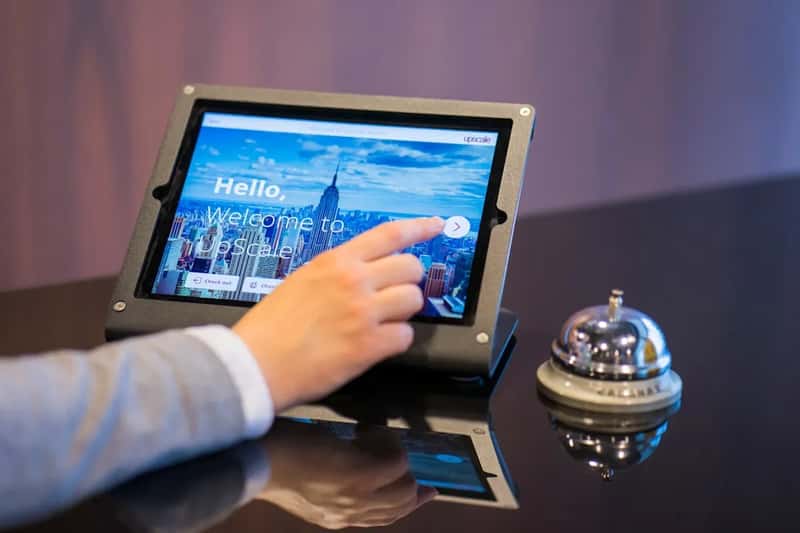
Most standard hotel rooms are priced and configured around a two-person occupancy limit, and anything beyond that technically requires disclosure and often an extra charge. Booking platforms spell this out plainly, noting that each room is guaranteed to fit 2 people, with extra guests at the hotel’s discretion and possibly subject to additional fees[1]. That pricing structure is exactly why families squeezing in a third relative, friends splitting a room four ways, or travelers with an undisclosed pet often insist at check-in that it will only be the two names on the reservation.
Front desk staff pick up on this almost immediately, long before anyone unpacks a bag. Experienced agents read body language, the number of key cards requested, and even how a group lingers near the elevator rather than heading straight up. As one hospitality worker put it, the staff is trying to discern how easy or challenging a guest you’ll be, and your attitude checking in says a lot[2]. A guest who overexplains who is or isn’t staying in the room is often giving the game away without realizing it.
2. “I Booked This Directly on Your Website”
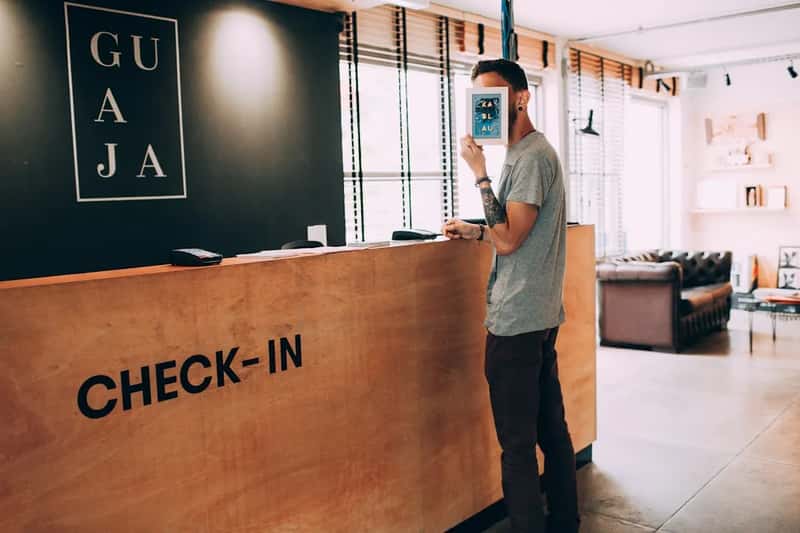
Guests who arrive having booked through a discount travel app sometimes claim, or strongly imply, that they reserved directly with the hotel, hoping it will unlock better treatment. It rarely works the way they expect. Guests who book through a discount travel app often assume they’re getting the best possible deal, but former front desk staff say the opposite is usually true[3].
The reason comes down to what the hotel actually controls. According to one industry account, if you book directly and not through a third party, staff can do a lot for you as far as rates and comps, but if you book through a third party they really can’t do anything for you other than give you a room, though they can match the same rate as a third party if you book directly and there are a lot more perks[3]. Front desk agents can see the booking source on their system in seconds, so claiming a direct booking that wasn’t one almost never survives past the first keystroke.
3. “I Don’t Smoke, I Swear”

Nearly every major hotel brand now advertises itself as fully smoke-free, with listings routinely noting policies of one hundred percent non-smoking rooms as a standard feature rather than an exception. Despite that, front desk clerks still field the occasional denial from a guest whose clothes, luggage, or room already tell a different story. The lie usually surfaces only after housekeeping or another guest has already flagged the smell, at which point the guest insists it must have been someone else, an open window, or a previous occupant.
What makes this particular lie tricky for staff is that the consequence, typically a cleaning fee charged to the card on file, often lands well after check-in and check-out are both finished. That delay means the confrontation rarely happens face to face, so the guest can deny it during the stay with little immediate pushback, even though the eventual charge tends to settle the matter on its own.
4. “There’s Something Wrong With My Room”
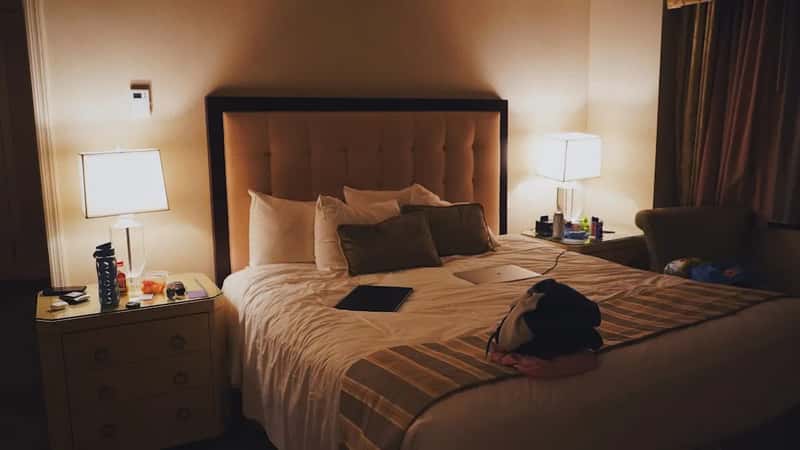
Not every complaint at the front desk is genuine, and staff say they can usually tell the difference between a real problem and a manufactured one aimed at a free night or a discount. One widely shared account from a Reddit forum for front desk workers describes a guest who called at 2:30 in the morning insisting there was a mouse in the room and that a hotel employee is claiming a guest “murdered a mouse” in their room, then walked away with a free stay[4]. The overnight worker grew suspicious largely because of how the situation unfolded, noting that at that point, the employee suspected the guest was lying, questioning why they would turn down another room if they didn’t feel safe in the first one[4].
Cases that dramatic are rare, but smaller versions happen constantly. A guest claims a nonexistent stain, a missing amenity, or a broken fixture, hoping the hotel will simply comp part of the bill rather than investigate. Staff tend to remain accommodating regardless, since a genuinely faulty room does need fixing, but repeated or oddly specific complaints raise flags fast among people who have heard every version of the story before.
5. “You Told Me Breakfast Was Free Until Noon”
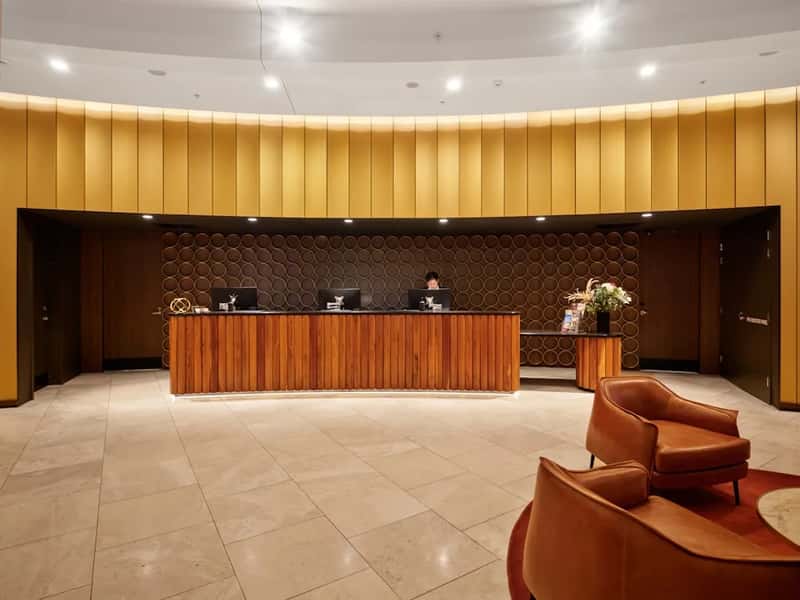
Perhaps the most frustrating lie for front desk staff is the one that pins blame on a coworker who supposedly gave incorrect information. A hotel revenue manager interviewed about his time at the front desk said this kind of dishonesty crosses a clear line, explaining that what is absolutely unacceptable is blatant lying, for example if a guest claims they were told at check-in that breakfast is available until noon instead of 11 a.m., which accuses the person on the previous shift of not correctly passing on this simple information[5].
These fabricated promises are hard to disprove in the moment, since there is rarely a recording of the original check-in conversation, and they put staff in an awkward position of either accepting the guest’s version or implicitly calling them a liar. Hospitality workers generally note that most interactions stay pleasant and staff remain willing to bend policy for reasonable requests, but inventing a promise that was never made tends to be remembered long after the guest has checked out.
None of these lies are particularly dramatic, and most front desk staff have long since stopped taking them personally. Still, the patterns are consistent enough that anyone who has worked the counter for more than a few months could probably list them without much thought. The honest move, whether it is admitting to an extra guest, the real booking source, or a genuine complaint, usually costs less than the lie ends up costing once the truth comes out anyway.