Most travelers check into a hotel with the best intentions. They want a smooth, relaxing stay. They want to be the kind of guest nobody complains about. Yet every single day, hotel workers across the world quietly watch guests make the exact same mistakes, over and over again, that quietly unravel the experience they paid good money for.
Honestly, the hotel industry is a fascinating place to peek behind the curtain. The things staff notice, remember, and talk about in the break room might genuinely surprise you. Some of these mistakes seem totally harmless. Others are more costly than guests ever realize. Let’s dive in.
1. Booking Through a Third-Party Site and Expecting the Same Treatment

Let’s be real – those OTA deals on Expedia or Booking.com can look very tempting. But here’s the thing: when you book through a third-party booking site, you may not be able to easily make changes to your reservation, and oftentimes third-party reservations come with more restrictive policies regarding changes or cancellations. That puts you at a disadvantage before you’ve even packed your bag.
Hotel general managers have noted that the challenge of third-party bookings hasn’t gone away, with guests still not always reading the cancellation policies or realizing that a specific room type isn’t guaranteed. When something goes wrong, staff have limited power to help guests who didn’t book directly. The hotel’s hands are often tied because the booking technically belongs to the platform, not to you.
OTAs provide a steady source of demand, but this comes at a hefty cost for hotels, with commissions reaching up to 30% on each booking. Those costs affect how much flexibility hotels can realistically offer third-party guests. If two travelers want the same upgrade, staff will almost always prioritize the direct booking guest. It’s not personal. It’s just the system.
2. Ignoring the Check-In Time and Showing Up Hours Early
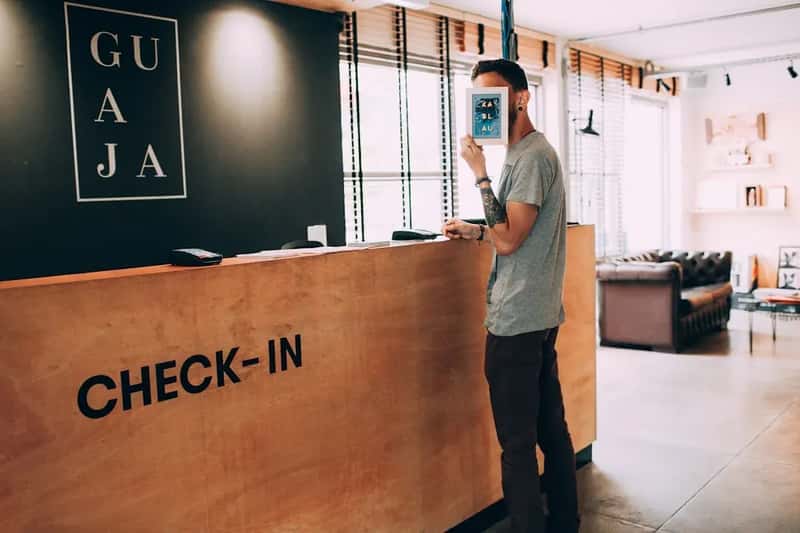
Imagine you’ve just landed from a long flight and you want to sleep. Arriving at a hotel at 9 AM when check-in is 3 PM and then loudly demanding your room is, without question, one of the fastest ways to frustrate an entire front desk team. After a long flight, guests want to go straight to their hotel room, but sometimes the room may not be ready for check-in, which is why hotels recommend listing check-in times clearly in pre-arrival communications.
There’s nothing more annoying than having to wait in a long line at the front desk after a long trip, and this is exactly why delays in check-in and check-out times are a common complaint. The irony is that guests who arrive raging about wait times are often the very people who made those waits longer. Housekeeping is working as fast as physically possible. The average hotel housekeeper walks up to 5 miles per shift, cleaning an average of 16 rooms per day and lifting up to 15 pounds per room, making it one of the most physically demanding jobs in the hospitality industry.
A far smarter move is to call ahead or use the hotel app to request an early check-in the evening before. Many hotels will accommodate it quietly, especially for direct-booking guests. The staff remember the guests who were kind about it.
3. Not Speaking Up About Room Issues Until Check-Out
This one is a slow-motion disaster. Guests spend three or four nights quietly seething about a broken air conditioning unit, a wobbly toilet seat, or a strange smell in the carpet. Then, right at check-out, they unleash every complaint in one devastating monologue. Research shows that for every guest who speaks up, 26 others might be quietly unhappy. That silence costs everyone.
Hotels should respond to guest feedback and complaints because they can negatively impact reputation, guest retention, and revenue. Complaints should be addressed immediately in a proactive way, whether by moving guests to a new room or asking housekeeping or maintenance staff to address the in-room problem as quickly as possible. When you tell the front desk immediately, they genuinely want to fix it. Waiting until the last moment leaves them powerless to actually improve your stay.
Research from Cvent shows that nearly four in five guests expect responses to their complaints within 24 hours, and delayed responses risk frustration and lost trust. In other words, the expectation of quick resolution already exists. The only thing standing between a bad stay and a rescued one is the guest actually picking up the phone or walking to the front desk.
4. Being Rude to Front Desk Staff

Here’s a thing most travelers don’t consider: front desk workers remember you. Not just vaguely, not just in passing, they genuinely remember the guests who were dismissive, snappy, or condescending. Nothing damages a hotel’s reputation faster than rude or unhelpful staff, but complaints about dismissive attitudes can also overshadow even the best amenities. The street runs both ways, though. A guest who treats staff poorly doesn’t tend to get the benefit of the doubt when something goes wrong.
Think of the front desk as the air traffic control of your entire stay. They know which rooms have the best views. They know which ones are quietest. They know when a suite opens up unexpectedly. The hospitality industry is such that you just can’t afford to have employees with an attitude, but staff interactions and even the pleasantness of the team make up a significant portion of the overall hotel experience. The best upgrades, the best rooms, the extra towels sent up without asking – those perks flow toward the guests who made someone’s shift a little nicer.
I’ve always found that a genuine “thank you” and learning someone’s name goes about as far as any loyalty card. It’s not manipulation. It’s just basic human decency, and in a service environment it has a remarkable return on investment.
5. Skipping the Room Inspection at Check-In

Most guests throw their bags down and immediately head out to explore, completely skipping a proper room check. This is one of the more quietly damaging habits a traveler can have. Doing a thorough room inspection when you check in is always a good idea, and if you notice something is broken before you even unpack your suitcase, reporting it immediately means the staff will know it was like that when you arrived.
This protects you and the hotel simultaneously. Damage you didn’t cause can easily get pinned on you if you never reported it. Accidents happen, but damaging something in a room and keeping it a secret isn’t just an etiquette mistake – it’s a potential hazard for staff or future guests, which is why reporting even something as small as a broken glass to housekeeping is important. Staff have seen guests get charged for things they categorically did not break, simply because no one noted the pre-existing issue.
Safety issues are among the most serious complaints in hotels, involving hazards, security breaches, poor lighting, or fire system failures. A quick five-minute walkthrough when you first arrive can surface any of these concerns before they affect your sleep, your safety, or your wallet.
6. Trashing the Room and Skipping the Tip for Housekeeping
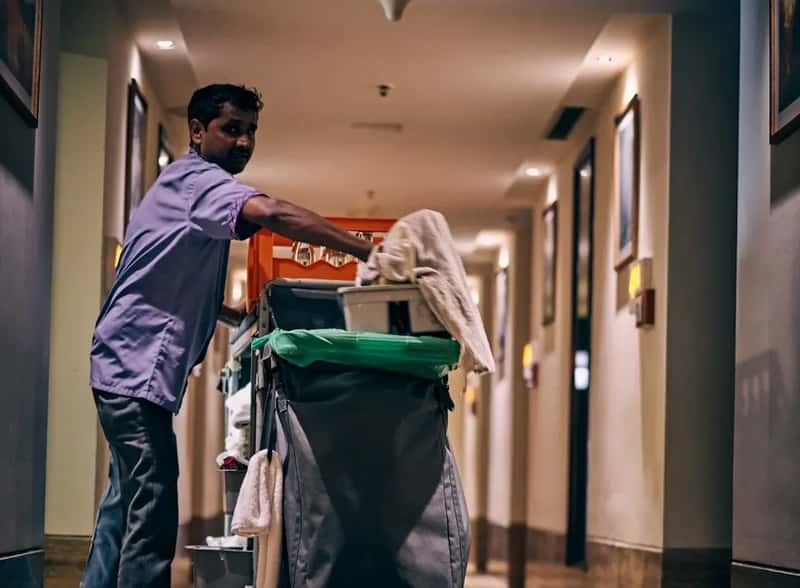
It’s a sensitive subject, but hotel workers brought it up consistently and clearly, so here it is. A 2024 YouGov poll found that roughly a third of Americans consider it acceptable not to tip housekeeping at all, while slightly more than two in five say it is unacceptable, highlighting just how divided public opinion remains on the issue. The staff themselves, however, are less divided about it.
The recommended tip for hotel housekeeping staff is typically a few dollars per night, adjusting based on the hotel’s level of service, room size, and cleanliness standards. Tipping is a way to acknowledge the hard work and dedication of these unsung heroes and is considered proper etiquette. On top of that, a May 2024 survey by the American Hotel and Lodging Association found that more than three quarters of hoteliers reported staffing shortages, with housekeeping identified as the most pressing need by half of all respondents, and overall nearly four in five reported difficulties filling open positions.
With fewer colleagues on shift, each person is covering more rooms under tighter time pressure. More than seven in ten hotels reported job openings they were unable to fill despite active recruitment efforts, and on average hotels are trying to fill six to seven open positions per property, with housekeeping shortages topping the list. Leaving a room that looks like a yard sale happened inside it is one thing. Doing so while leaving zero tip creates a genuinely grueling situation for a person already operating under enormous pressure.
7. Using In-Room Appliances for Things They Were Never Designed For
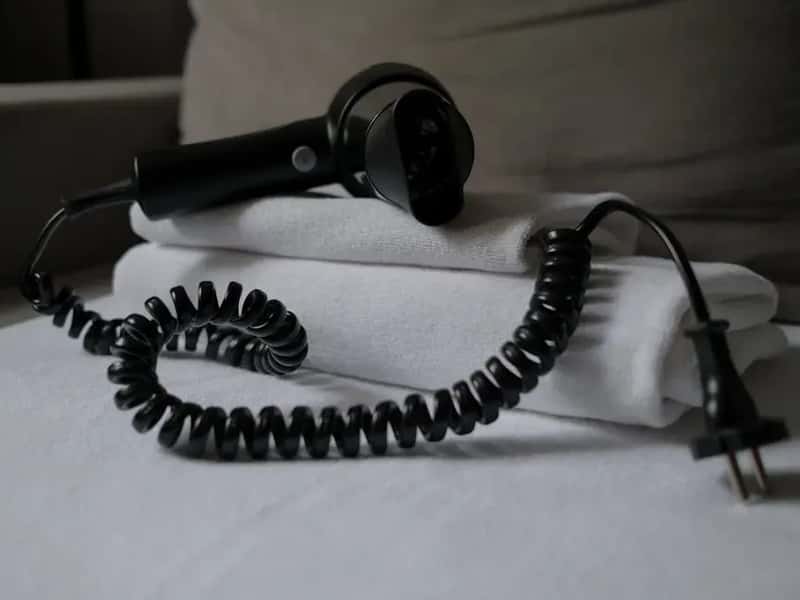
You’ve seen the social media videos. Someone cooks instant noodles in a hotel kettle, or attempts to iron a grilled cheese sandwich because they saw a viral post about it. It sounds funny until it isn’t. Luxury travel consultants have explicitly warned against following social media trends that involve cooking ramen in a hotel kettle or using an iron to toast a sandwich, noting that guests will ruin the hotel’s appliances, will get charged, and will also create a major fire hazard.
Hot pots and other cooking gadgets are not conducive to a safe and enjoyable hotel stay, and cooking appliances can stink up the room, set off the hotel’s fire alarm system, or cause an actual fire. That fire alarm affects every single other guest in the building, not just you. Hotel staff have to account for this during inspections and turnovers, and the costs get passed along in ways guests rarely see.
It’s hard to say for sure how common this has become, but hotel workers in 2025 report it with increasing frequency as short-form video has made these “hacks” look easy and consequence-free. Cooking in your room is rarely worth the risk, the smell, the charge, or the embarrassment of explaining yourself to a very tired front desk manager at 11 PM.
8. Ignoring Noise Etiquette and Being a Disruptive Guest
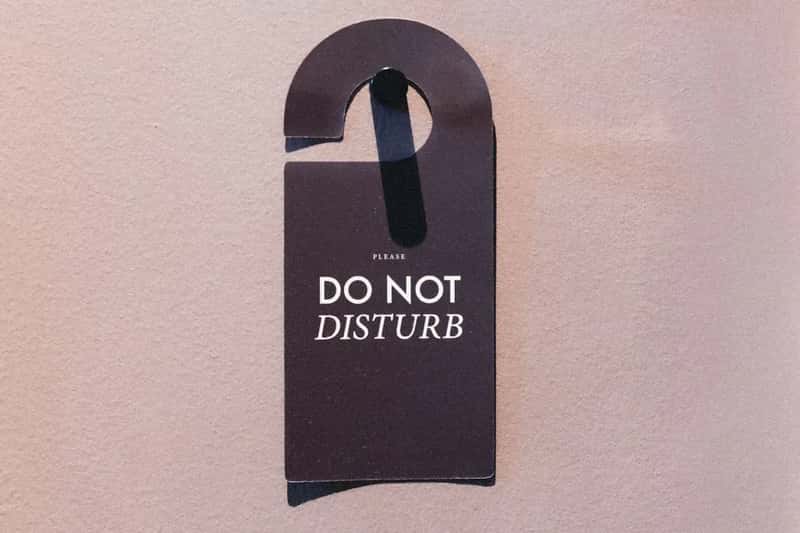
Shared walls are just a reality of hotel life. The person next door can hear you. The people below can hear you. And yet, an enormous number of guests seem genuinely shocked by this physical fact of the universe. Noise complaints can be expected whenever many people share walls and communal areas, and when guests are on holiday or traveling for business, they want to relax without being bothered by loud neighbors or passersby.
Handling complaints about noisy guests can be challenging, and it’s crucial to remember that all guests pay for a peaceful and relaxing stay. If one guest complains about another causing a disturbance, staff must address the issue diplomatically. In practice, that means a knock on your door at an uncomfortable hour and a conversation you probably don’t want to have. Multiple incidents can result in being asked to leave with no refund.
When people book a hotel room, they expect peace and quiet for a relaxing stay. That expectation is mutual and reasonable. Keeping music at a considerate level, not slamming doors, and monitoring the volume of group gatherings in your room isn’t just polite – it’s the baseline that allows everyone in the building to have the kind of stay they actually paid for.
9. Waiting Until a Negative Review to Communicate Dissatisfaction

This might be the most frustrating one for hotel staff across the industry. In today’s world, a single negative review can turn away 30 out of 50 potential guests, which is why understanding and addressing guest complaints isn’t just good hospitality – it’s smart business. However, guests who say nothing during their stay and then leave a scathing one-star review create a problem that could have been easily solved in real time.
Studies reveal something surprising: guests whose complaints are resolved quickly and satisfactorily often become more loyal than those who never experienced problems at all, because they’ve seen that the hotel genuinely cares about them. That’s not a trick. That’s just what good service looks like in action. The hotel can’t fix what it doesn’t know about.
A significant majority of consumers will skip deals from businesses with bad reviews, and customer churn rises by roughly 15 percent for every piece of feedback left unaddressed, making effective complaint management essential to protecting revenue. Speaking up during a stay gives the hotel the chance to make things right. Writing a review after checking out only creates damage that nobody benefited from. Hotel workers aren’t asking for perfection – they’re asking for the chance to do their jobs.
The Takeaway From the People Behind the Front Desk
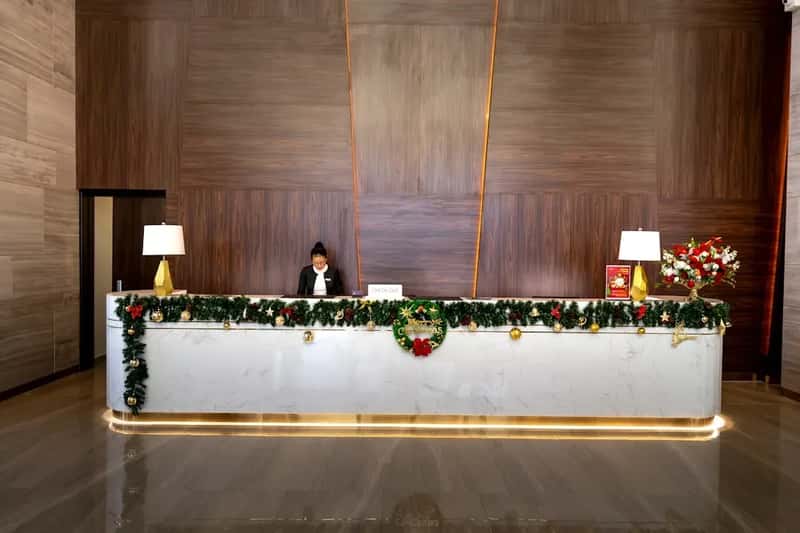
Hotel workers deal with hundreds of guests every week. They see patterns. They know within minutes of check-in what kind of stay is about to unfold. The good news is that virtually every mistake on this list is easy to avoid once you’re aware of it. Most of them come down to communication, basic awareness, and a willingness to treat service workers like the skilled professionals they are.
None of this is about being the “perfect guest.” It’s about understanding that a hotel stay is a two-way experience. The more you engage with it thoughtfully, the better the outcome tends to be for everyone involved. Small gestures, a tip left on the nightstand, a problem reported promptly, a kind word at the front desk, create ripple effects that genuinely improve the experience.
The next time you check in somewhere, take a breath, do a quick room walkthrough, and treat the person handing you your key card like someone whose day matters. You might be surprised by how much your stay improves almost immediately. Have you ever caught yourself making one of these mistakes without realizing it? Let us know in the comments.