There was a time, not so long ago, when checking into a hotel felt genuinely welcoming. A fresh room, a cup of coffee waiting by the machine, and the unspoken assumption that basic comforts were part of the deal. That era is quietly fading.
Travelers in 2026 are waking up to checkout bills that look nothing like the rate they booked. It’s not just resort destinations anymore. It’s city hotels, airport hotels, mid-range chains – all of them quietly adding line items for things that once felt like standard hospitality. Honestly, the audacity of some of these charges is almost impressive. Let’s dive in.
1. Resort and Destination Fees: The Grand Daddy of Hidden Charges

Let’s be real – this one started the entire trend. Hotels often hide resort fees until the final booking stage, a tactic designed to attract interest with seemingly low prices. These fees often run an extra $20 to $50 per night, and in most cases there is no way to refuse or opt out – even when you are sure you will not use the resort’s facilities.
The scale of money being extracted here is staggering. According to a report from New York University, hotels bring in roughly $2.93 billion in extra charges from these fees annually – an increase of around eight and a half percent over the prior year. That is a lot of money for amenities many guests never touch.
The average hotel now charges a mandatory daily resort fee of $26, and hotels have gotten increasingly creative with their terminology. A resort fee might be called a destination fee, an administrative fee, a cleaning fee, a service fee, or a utility fee. Some hotels now even charge towel fees, bed sheet fees, and concierge fees.
A resort fee – also called a facility fee, a destination fee, an amenity fee, an urban fee, a resort charge, or a hidden hotel booking fee – is an additional charge calculated on a per-day basis, on top of a base room rate. Whatever name it hides behind, it costs you the same.
2. Wi-Fi: You’re Still Paying for It at Upscale Hotels

It feels almost absurd to talk about charging for internet in 2026. Wi-Fi is basically a utility at this point, like running water. Yet here we are. Charging $15 to $25 a day for decent internet in 2025 is still happening, particularly at higher-end hotels. Budget chains often give it away free, while “nicer” properties charge for basic Wi-Fi and nudge guests to pay even more for a “premium” tier.
While many budget and mid-range hotels include Wi-Fi, some upscale chains have started charging for “high-speed” or “premium” internet, even though the basic version is barely usable. The idea that you should pay more at a luxury property just to get a signal that works is, frankly, backwards.
3. Parking: Even When the Lot Is Half Empty
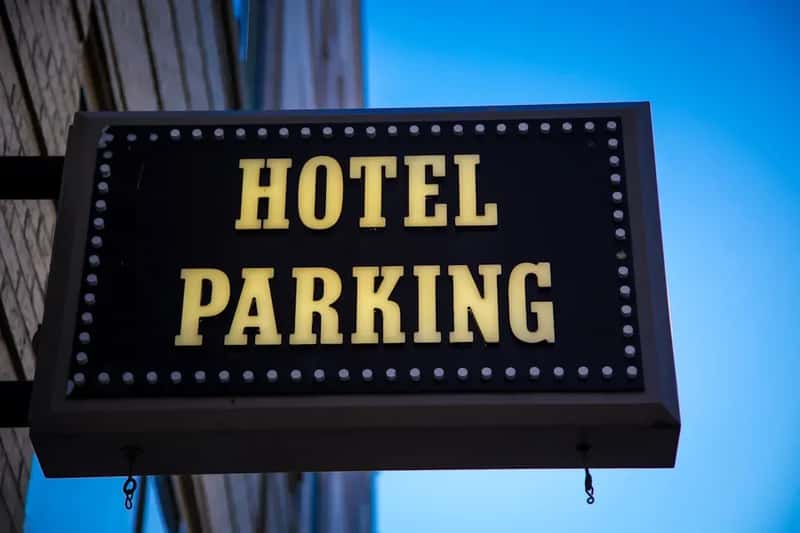
There is something almost philosophical about paying to park at the hotel where you are already paying to sleep. You would think parking in a hotel’s own lot would be included in the rate. Yet a lot of places now charge $20 to $50 a night for self-parking, with valet costing even more.
There are even growing reports of hotels charging a mandatory parking fee even if you do not have a car with you. In Las Vegas especially, some hotels have been on a fee-hiking binge, with some properties increasing their resort and parking fees twice in a single year in 2024. The charge appears on your bill automatically, and if you don’t dispute it, you simply pay it.
Parking fees can account for as much as roughly a fifth of some properties’ total revenue, which creates a strong temptation for hotel operators to inflate those fees and bury disclosure of the charge in tiny print on an obscure page of the hotel website.
4. Daily Housekeeping: A Bed-Make That Now Costs Extra

Once considered an absolute baseline of hotel service, daily room cleaning has become a premium add-on at a growing number of properties. Daily housekeeping is no longer the industry standard in many cases – it is now a premium service. In many mid-range hotels, the base rate only includes a departure clean. If you want your bed made and towels replaced daily, you must pay a Daily Refresh Fee.
Some hotels now charge for housekeeping that used to be standard, with daily cleaning listed as an optional paid service. Free service is often limited to towel drop-offs or trash collection. This change frequently appears at budget and mid-range properties where staffing varies. It started as a pandemic-era cost-cutting move and simply never went away.
5. Early Check-In and Late Check-Out: The Clock Is Ticking
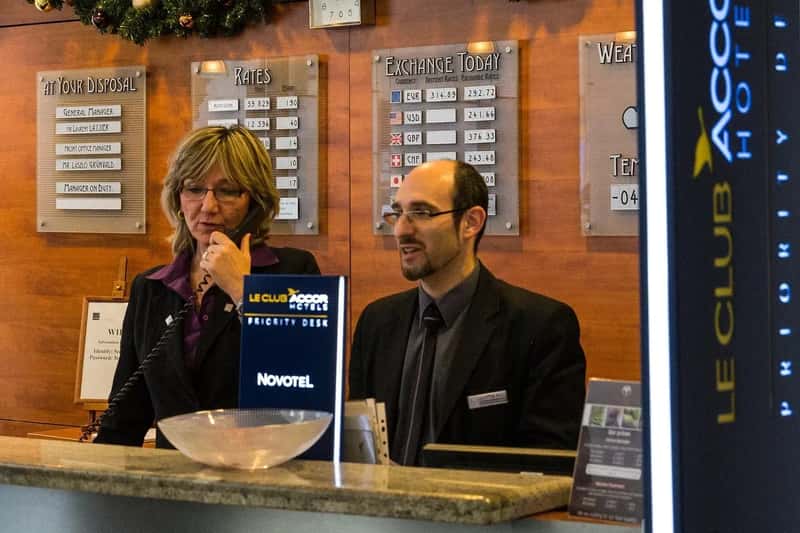
Here’s the thing – guests have always asked for a little flexibility with arrival and departure times. Hotels have always tried to accommodate when possible. That informal goodwill has been fully monetized. Once considered a common courtesy, early check-in and late check-out requests are now met with mandatory charges. The Hyatt Place Boston Seaport, for example, charges guests $50 for staying past 1 p.m., with fees increasing up to $100 for later times.
Hotels are now using AI to predict room availability with extreme precision and are monetizing that data. A guest may receive a text hours before arrival offering a guaranteed ready room for a $30 fee. If they decline and show up early anyway, the front desk may say no rooms are available – but a room often appears the moment they agree to pay the surcharge. That is not hospitality. That is a trap.
6. Luggage Storage: Leaving Your Bags Now Has a Price Tag

Landing in a new city with a morning flight and an afternoon check-in used to mean one simple solution: leave your bags with the bellhop and go explore. That simple solution is going away. Travelers often use the gap between a morning flight and an afternoon check-in to explore the city, but in 2026, the complimentary luggage hold is vanishing. Many hotels now charge per bag for storage, or they use automated locker systems that require a credit card swipe. These fees are rarely mentioned during booking and often only appear when guests are standing in the lobby with their suitcases.
Luggage storage is a service guests rely on when flights or trains do not align with check-in or check-out times. Some hotels charge per bag or per hour, which adds up quickly for families or groups. Travelers sometimes assume storage is complimentary, only to learn fees apply on arrival. Think of it like checking luggage at the airport – except you already paid for the hotel.
7. The Minibar: A Small Fridge With a Surprisingly Big Bill
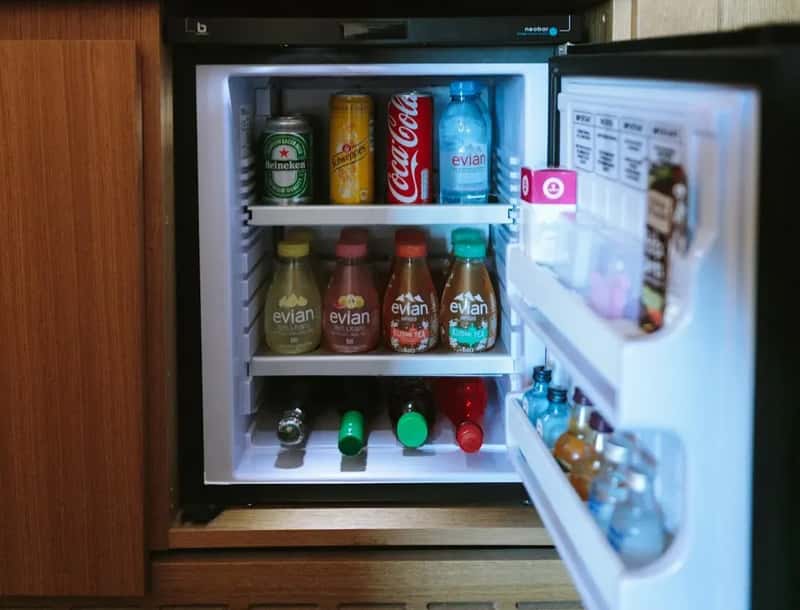
The minibar has always been a symbol of travel extravagance – a tiny fridge stocked with items priced like they were flown in by helicopter. Prices in hotel minibars tend to run three to four times what the same item would sell for in a grocery store. That has been true for decades. What is new is how aggressively hotels are billing for them.
Modern minibars use weight or door sensors that automatically register consumption and post charges to the guest’s bill. Some hotels assume removed items are consumed and bill immediately rather than waiting for staff verification. That means simply moving a bottle to reach something else can trigger an automatic charge – one you then have to fight to remove.
Some hotels have even added automatic gratuity fees on top of minibar purchases. One traveler’s bill included not just the price of minibar items and tax, but also a “refreshment centre gratuity” fee – a roughly ten percent restocking charge on top of already inflated prices. It sounds absurd because it is.
8. The Business Center: Printing a Page Can Cost More Than You’d Expect
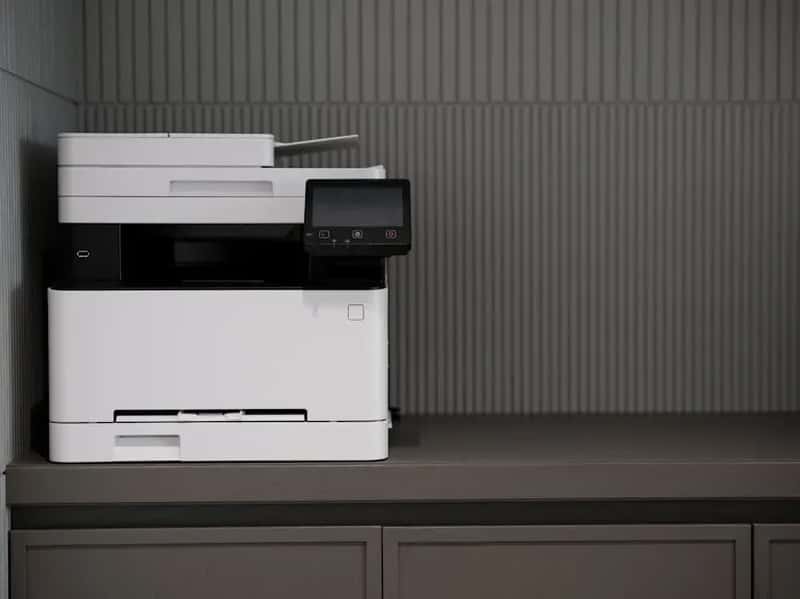
Business travelers have long relied on hotel business centers for quick prints, computer access, and basic office needs. That convenience was quietly folded into what a hotel offered. Now it’s a revenue line. For guests requiring access to computers, printers, or meeting rooms, a business centre fee may be applicable. Sometimes it’s bundled into a vague “amenity fee,” and sometimes it’s charged per service used.
Printing, faxing, and phone calls – especially long-distance ones – all add to hotels’ incidental income through the business center. It’s hard to say for sure how widespread individual per-page printing fees are, but the practice of wrapping these services into mandatory amenity bundles is firmly established. Some properties bundle coffee, gym access, and business center use into an amenity fee that sounds small until you realize it’s charged per night and entirely non-optional.
9. In-Room Phone Calls: An Old Fee That Never Left

Everyone assumes nobody uses the hotel room phone anymore. Most people have a smartphone in their pocket. Still, those corded handsets sitting on the nightstand come with fees that can genuinely shock you if you pick one up. Telephone surcharges remain a real danger for unwary guests. Hotels charge not only for long-distance calls but often for local calls too, meaning that handset is essentially a fee-generating device sitting on your nightstand.
While basic Wi-Fi might be complimentary, premium internet services or international calls can incur additional fees, catering particularly to the needs of business travelers. The irony is that the guests most likely to use a hotel phone are older travelers or international visitors who may not realize that picking it up even briefly can add a charge to the bill. The safest strategy is to treat the phone as a decorative object.
10. Pool and Gym Access: Facilities You Can See From Your Room

Imagine booking a hotel specifically because the listing showed a gleaming pool and a well-equipped gym, then arriving to find those amenities cost extra. It sounds implausible. It is completely real. Resort fees are additional charges imposed by hotels covering amenities like Wi-Fi, parking, gym access, pool use, and other on-site services, typically ranging from $10 to $50 per night.
In cities like New York, more than 130 hotels charge what they call “destination fees,” with charges including amenities that were once considered part of the hotel’s standard rate – including Wi-Fi, access to the fitness center, and in-room coffee. These aren’t just resort properties. These are regular city hotels repackaging their own facilities as premium add-ons.
These fees often cover perks ranging from a welcome drink to beach chairs – but the frustrating part is that guests are required to pay the fees regardless of whether or not they use the extra services. You could check in, head straight to your room, and never go near the pool – and you’d still pay for it.
The Bigger Picture: Laws Are Changing, But the Fees Remain
To be fair, governments have taken notice. Starting May 12, 2025, companies that sell hotel rooms or other short-term lodging must display the total price upfront and in all advertising. That is a genuine step forward for transparency. But here is the crucial distinction that travelers need to understand.
The FTC’s new rule means hotels have to show the full price upfront starting in 2025 – but it does not ban the fees themselves. Guests are still paying them; they’re just seeing them earlier. Visibility is not the same as elimination. The Hotel Fees Transparency Act of 2025 passed the U.S. House on a voice vote in April and is now in the Senate, where it is expected to pass easily. Still, none of this legislation actually outlaws the fees.
The hospitality industry has mastered the art of the slow creep. A fee here, a “refresh charge” there – individually each one seems almost reasonable. Add them up over a week-long trip and the math becomes genuinely alarming. You think you scored a $129-a-night room, and by the time you check out, the total looks closer to $200. A big chunk of that is resort, destination, and other mandatory add-ons that pile up fast.
The best defense is still the same as it has always been: read everything before you book, calculate the true nightly total including all fees, and never assume that anything you see in the hotel room is free until you have confirmed it in writing. What would you have guessed the average resort fee was before reading this? The answer might surprise you more than the bill itself.