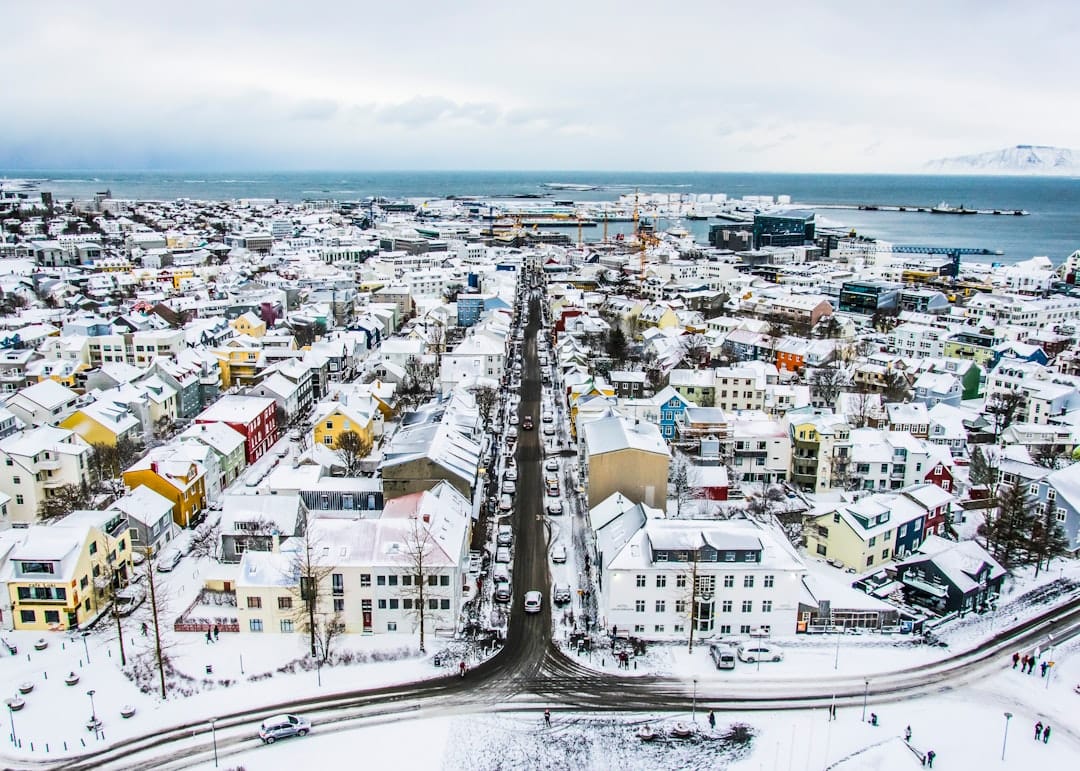
Iceland has a reputation for emptying wallets, and the reputation isn’t entirely unfair. Yet the real number depends less on the country than on a handful of choices you make before you land. Those choices include where you sleep, how you get around, and whether you eat most meals at a supermarket or a restaurant.
Prices also moved in 2026 in ways that older guides don’t reflect. A new road charge arrived, fuel got cheaper, and summer demand stayed high. Here is what a week actually costs this year, piece by piece.
The Short Answer for a Seven Day Trip
Most 2026 estimates put ground costs, meaning everything except flights, at somewhere between about one thousand and two thousand US dollars per person. One Icelandic rental company puts a seven day trip at roughly 925 to 1,855 US dollars per person for car, fuel, accommodation, food and activities, assuming two people share a double room.[1] Another local operator suggests budget travelers can stay closer to 125,000 to 175,000 ISK, while midrange travelers should plan around 245,000 to 385,000 ISK.[2]
Foreign travel blogs tend to land higher because they build in more comfort. One guide estimates about 300 to 350 dollars per person per day for an average traveler, which works out to roughly 2,100 to 2,450 dollars for the week.[3] Treat these figures as ranges rather than promises, since each source assumes a different travel style.
Accommodation Is the Biggest Line Item
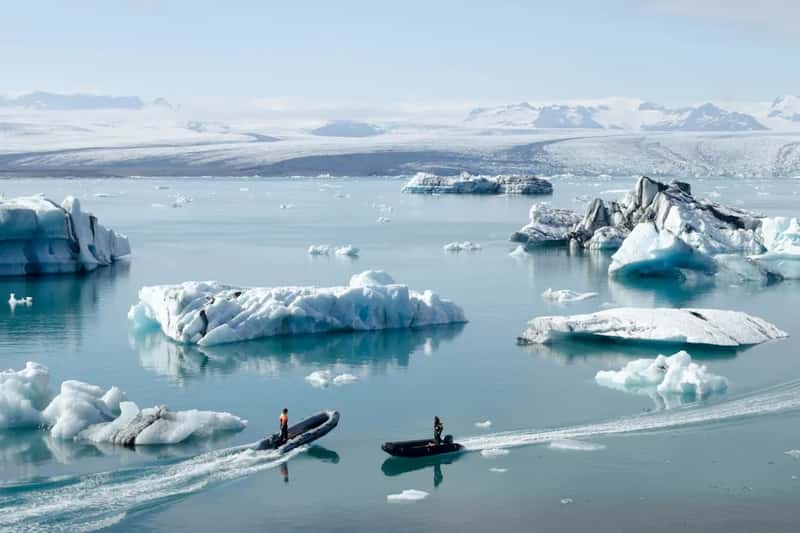
Where you sleep will likely take the largest bite. One 2026 budget guide calls accommodation typically the largest single expense for travelers in Iceland.[4] Camping runs about 10 to 20 dollars per person per night, and hostel dorm beds range from about 40 to 60 dollars.[5]
Hotels and guesthouses climb quickly from there. Midrange travelers can expect to pay 150 to 200 dollars per night for comfortable hotels or guesthouses.[5] Local figures for hotel double rooms average 20,000 to 35,000 ISK in summer, dropping to 12,000 to 20,000 ISK in winter.[4] Over seven nights, that gap alone can decide whether your trip feels affordable.
Renting a Car, and the New Road Charge
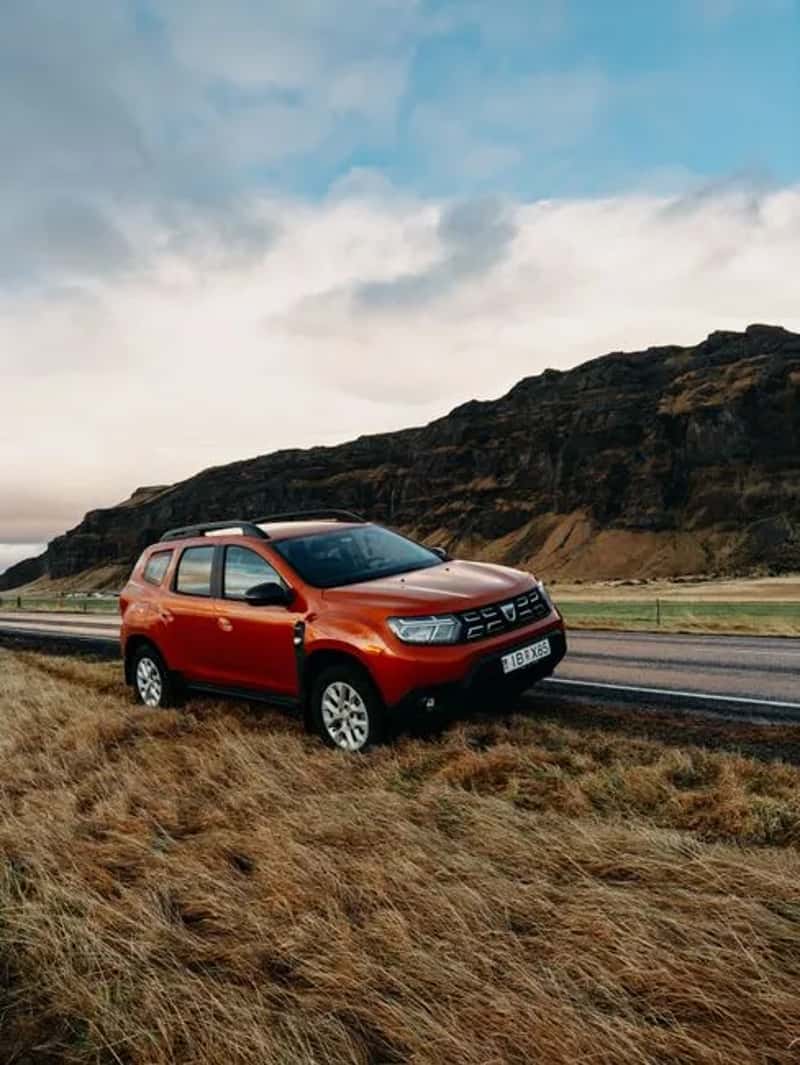
For most visitors, a car is the practical way to see Iceland. One budget breakdown puts a rental car at 65 to 120 dollars per day.[6] Extra insurance for gravel, sand and ash can add another 12 to 35 dollars a day.[7] Solo travelers and couples on short trips may find guided tours cheaper, while groups of three or more usually come out ahead with a car.
A new cost showed up on January 1, 2026. Iceland introduced a kilometer based road tax on all vehicles, including rentals, at 6.95 ISK per kilometer for standard passenger cars and SUVs.[8] Some rental companies fold in a fixed daily fee, while others calculate the total from your actual mileage.[8] Blue Car Rental, for example, charges a fixed 1,550 ISK per day.[9]
What Fuel Really Costs Now
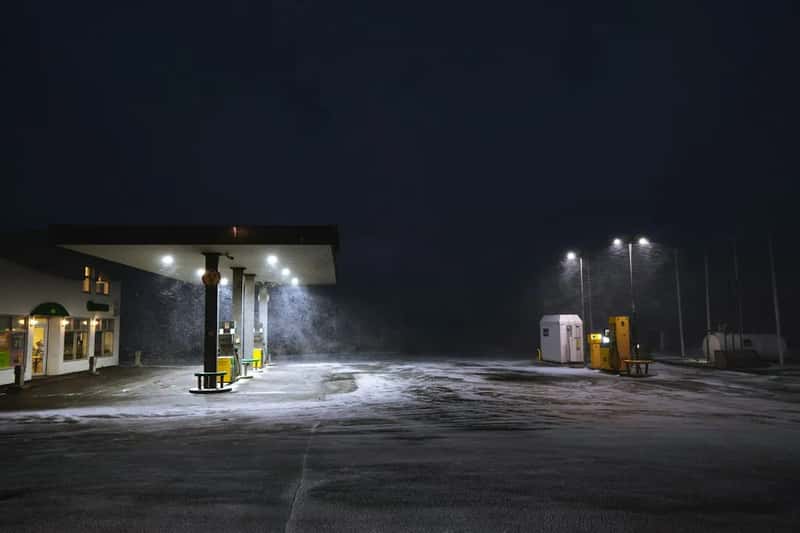
The road charge came with a trade. Starting January 1, 2026, Iceland removed the tax on petrol and diesel, and pump prices dropped by about 90 ISK per liter.[9] That means fuel costs less than it did in 2025, though it is still expensive by global standards.
Mid year figures vary a little by source. As of July 2026, one rental company listed gasoline at 195 to 229 ISK per liter and diesel at 217 to 246 ISK.[10] A full 50 liter tank of gasoline costs around 9,750 to 11,450 ISK, or roughly 78 to 92 dollars.[10] Most travelers on a typical Ring Road trip spend somewhere between 200 and 500 dollars on fuel, depending on distance and vehicle.[11]
Food, Groceries and the Restaurant Gap

Eating out is where budgets quietly wobble. A three course dinner at a midrange restaurant will likely cost 60 to 90 dollars per person.[12] A casual meal or the famous Icelandic hot dog runs about 15 to 25 dollars.[12]
Supermarkets soften the blow considerably. In 2026, Bónus still offers the lowest prices, followed by Krónan and then Nettó, with Hagkaup being the most expensive.[5] One guide suggests around 80 to 100 dollars per person for a week of cooking breakfasts and packing lunches.[12] A sensible middle path is groceries for most meals and one or two proper restaurant dinners.
Tours, Lagoons and Activities
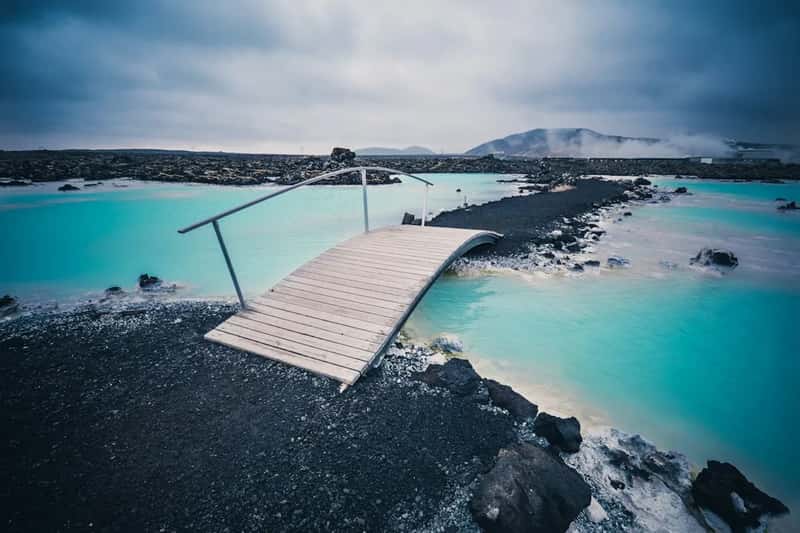
Iceland’s best scenery costs nothing, since waterfalls and black sand beaches don’t sell tickets. The spending comes from glacier hikes, whale watching, ice caves and geothermal lagoons. Full day guided trips such as the Golden Circle or South Coast run about 60 to 300 dollars per person, depending on length and inclusions.[12]
Activity budgets swing widely by personality. A budget focused estimate allows anywhere from nothing to about 30 dollars a day.[6] If you plan one major tour and one lagoon visit, setting aside a few hundred dollars per person is a realistic cushion, and it matches the midrange profile that some guides describe.
Taxes and Small Fees That Add Up
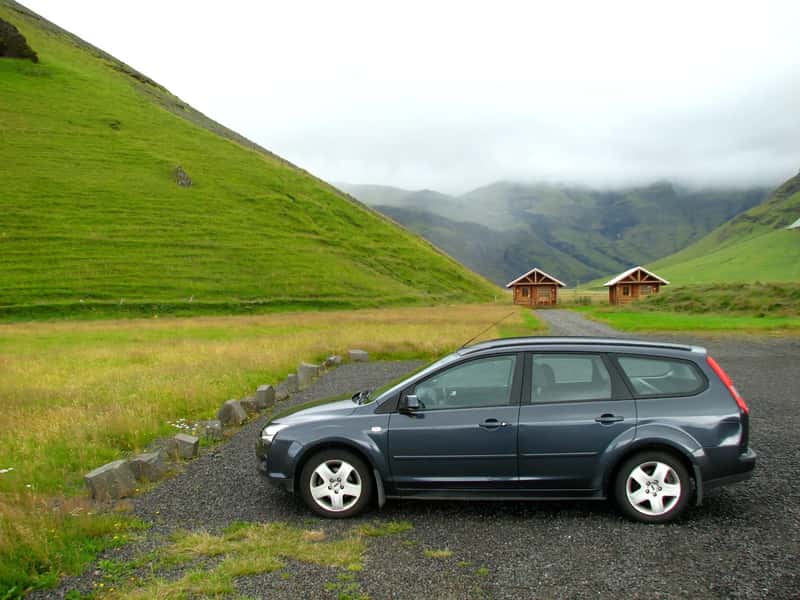
Iceland charges a nightly lodging tax, and it’s small enough to overlook. Since January 1, 2025, one source reports it at 800 ISK for a hotel, guesthouse or licensed rented room, and 400 ISK for a campsite pitch.[13] It is charged per room or pitch, not per person.[13]
Not every source agrees on the figure, and some 2026 guides still quote lower older rates, so check your booking confirmation. At roughly 126 kronur to the dollar, a week in a hotel room adds about 44 dollars.[13] The tax is often not included in the booked price, so expect it at check in or checkout.[13]
Timing Your Week to Save Money
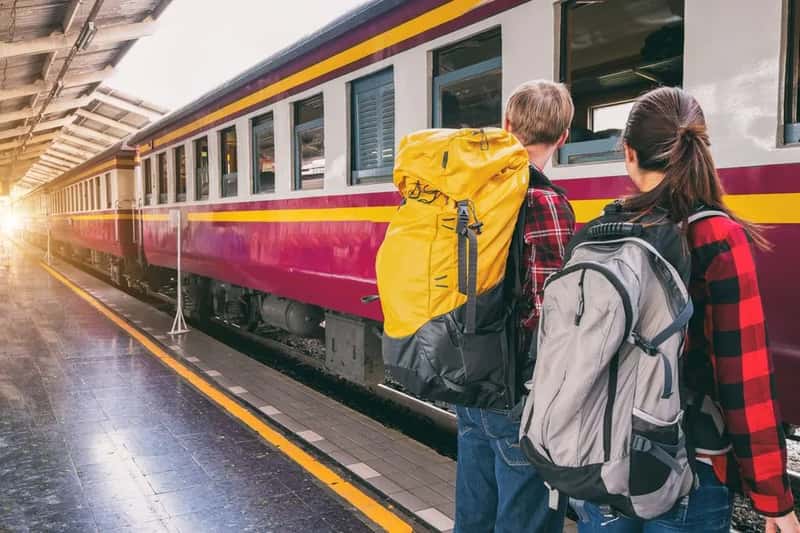
Season moves the total more than almost anything else. Accommodation prices can double during the summer months from mid June to August.[5] Visiting in the shoulder months of May or September can save 20 to 30 percent, while winter offers larger accommodation savings but requires a 4×4 and tolerates limited daylight.[7]
This summer was unusually pricey. The solar eclipse on August 12, 2026 was expected to draw large numbers of visitors for up to two weeks either side, pushing up costs across August.[1] With that behind us, autumn and early spring look like the calmer options for planning a future trip.
Three Sample Budgets for One Week

Sample numbers help make the ranges concrete. A traveler staying in hostels, cooking most meals and skipping a rental car can manage roughly 150 to 200 dollars a day, or about 1,050 to 1,400 dollars for seven days.[3] Adding a small rental car split with a companion pushes that to about 225 to 275 dollars per day, or roughly 1,575 to 1,925 dollars for the week.[3]
At the upper end, the numbers rise fast. High end hotels, spa visits or private tours mean about 400 to 600 dollars or more per day, and 2,800 to 4,200 dollars or more for a week.[3] Flights come on top of all of these, so add whatever your route from home costs.
Adding It All Up
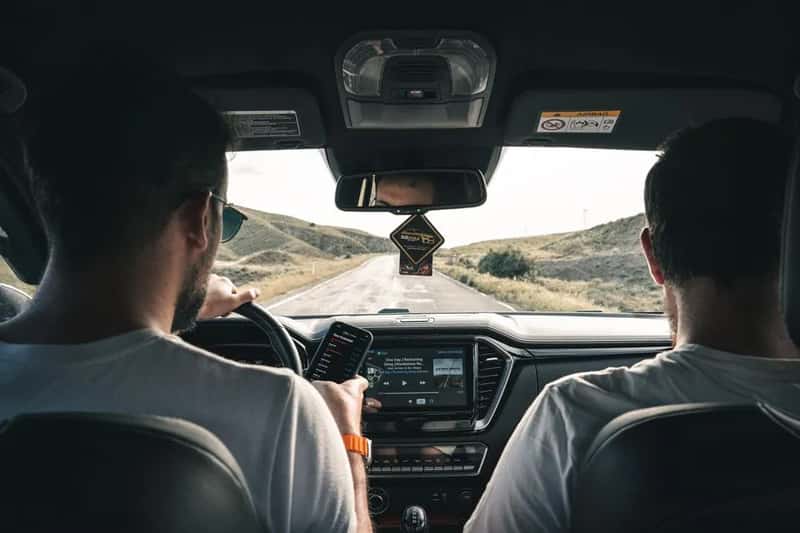
Putting the pieces together for a couple on a self drive week gives a rough picture. Using the figures above, a midrange couple would pay roughly 1,050 to 1,400 dollars for seven hotel or guesthouse nights, plus about 455 to 840 dollars for the car. Add fuel, a road charge of around 1,550 ISK per day where applicable, groceries with a few restaurant dinners, and one or two paid activities.
That lands most couples somewhere in the range of about 3,000 to 5,000 dollars in total for two, before flights. The cheaper end assumes a shoulder season week with guesthouses and mostly self catered meals. The higher end reflects summer prices, more restaurant meals and several guided tours.