Tokyo has a reputation for being punishing on the wallet. Hotels and shopping can be, but the food side of the ledger tells a different story. Plenty of locals eat cheaply every day, and the city has built whole systems around it.
The trick is knowing which doors to walk through and when. Below are nine habits that keep meals affordable without turning them into a chore, followed by a sample day that puts them together.
Make Convenience Stores Your First Stop
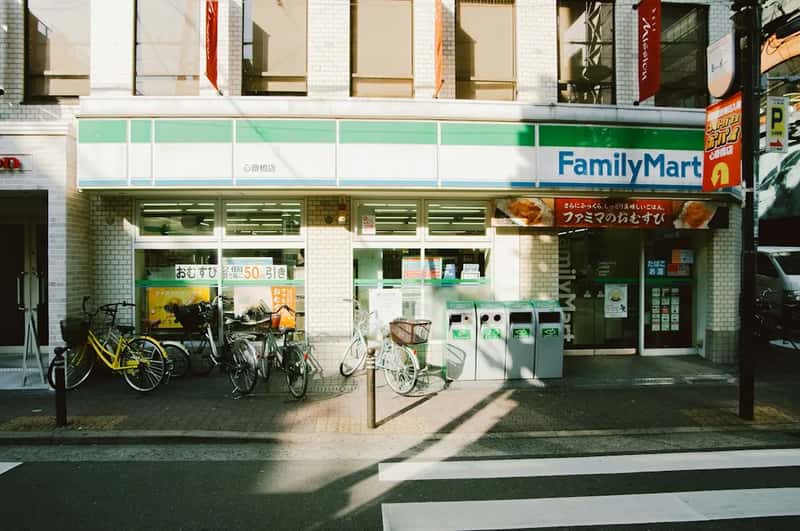
Japanese convenience stores, or konbini, aren’t the sad gas station stops you might imagine. 7-Eleven, FamilyMart, and Lawson serve freshly prepared food at low prices.[1] Rice balls, or onigiri, run ¥120 to ¥200 each[1], and two of them make a satisfying breakfast for about ¥300.[1]
Boxed bento meals cost ¥400 to ¥700 for a complete meal.[1] Sandwiches are cheaper still, at ¥200 to ¥400[1], and the egg sandwich has a devoted following. Keep an eye out for markdown stickers too, since discounts of roughly a fifth to nearly a third are applied a few hours before expiry, usually after 7 PM.[1]
Order Beef Bowls at the Big Three Chains
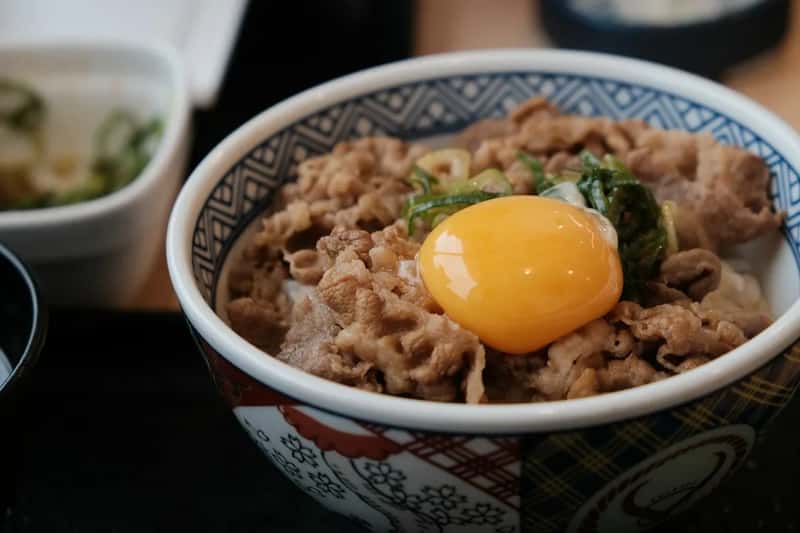
Gyudon, a bowl of simmered beef and onion over rice, is about as fast and cheap as a hot meal gets. A regular bowl still costs around ¥450[2] at the main chains, Yoshinoya, Matsuya and Sukiya. Prices have crept up, though. Sukiya raised a bowl from about ¥400 to ¥450 in 2024.[2] Yoshinoya’s in-store regular bowl reached ¥498, up ¥111 from ¥387 in 2019.[3]
Promotions can knock the price down further. In one recent campaign, Matsuya’s regular bowl dropped from ¥430 to ¥380 and Sukiya’s from ¥430 to ¥350.[3] Coupons like these often arrive through the chains’ apps, so it’s worth checking before you order. Matsuya also adds a small bonus, because every dine in order comes with a free bowl of miso soup.[4]
Slurp Noodles Standing Up
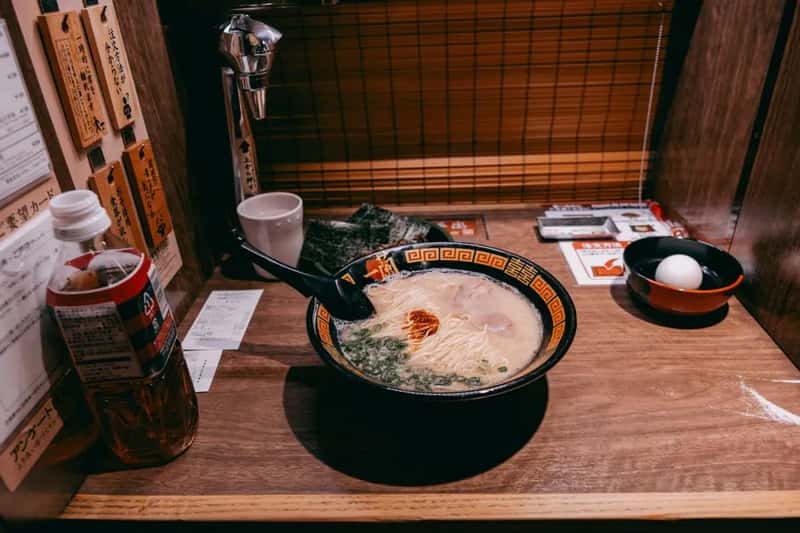
Standing soba shops, usually tucked inside or beside train stations, are among the cheapest sit-free meals in the city. A bowl typically costs ¥300 to ¥500.[5] You eat quickly, pay, and get back on the platform in about ten minutes.
Ramen is a bargain here as well. One compilation of the government’s monthly Retail Price Survey puts the national average for a bowl of shoyu ramen at a record ¥736 in 2026, while Tokyo’s figure was ¥610, ranking 75th out of 81 cities.[6] That makes Tokyo cheaper than Kyoto, which sits well above ¥800 in the same data. So the capital isn’t automatically the priciest place to eat in Japan.
Sit Down at a Conveyor Belt Sushi Counter
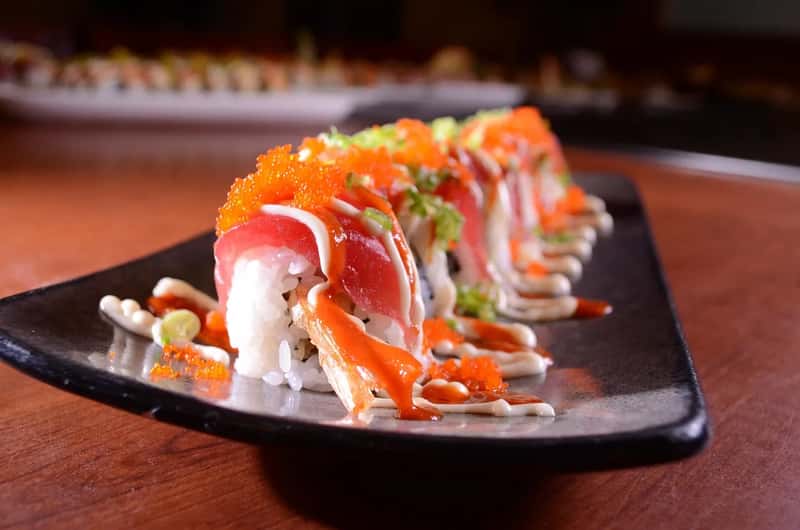
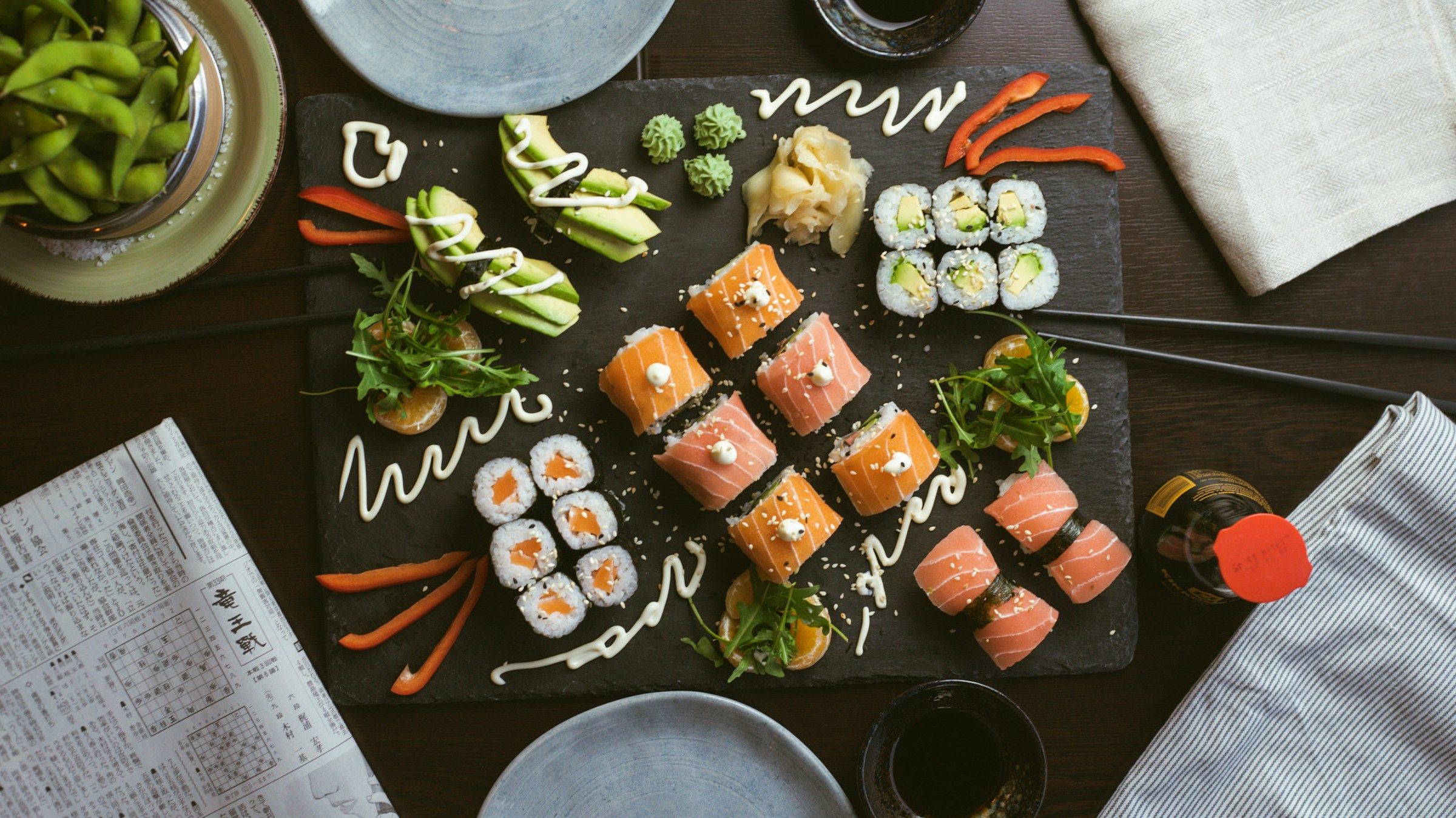
Good sushi doesn’t have to mean a special occasion. Tokyo has plate chains where dishes start at ¥100[5], which are also an easy sit down option when you’re travelling with kids. Most people end up spending between ¥1,500 and ¥2,500 per person[7] at lunch or dinner.
Compare that with the other end of the scale. Legendary omakase counters can charge ¥30,000 to ¥50,000 for a single meal.[5] Conveyor belt sushi is a fair way to enjoy the fish without the price tag, and you control the bill by counting your plates.
Shop the Department Store Basement After 7 PM
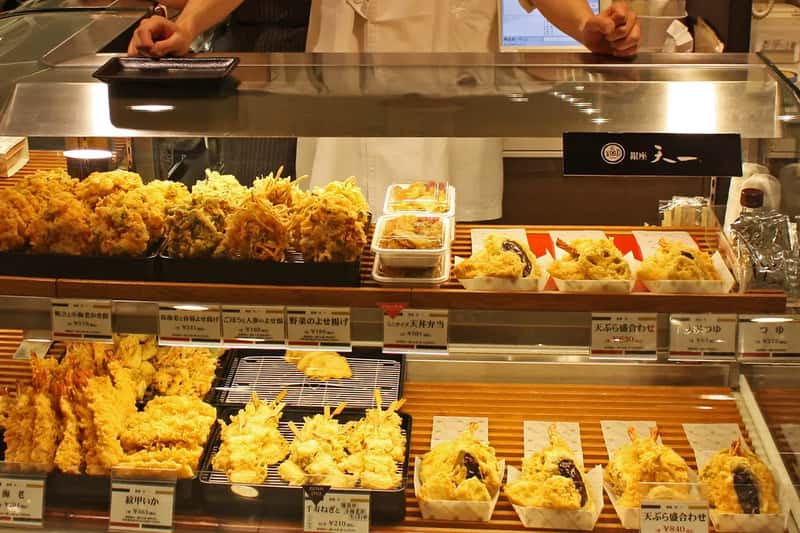
Almost every big department store has a food hall underground, known as a depachika. It sells bento, prepared dishes, sushi, sweets, fruit and drinks.[8] Prices during the day can be high, but the evening tells another story.
Roughly an hour before closing, staff begin putting stickers on fresh items like sushi, sashimi and bento, offering between a fifth and a half off.[9] There’s a practical reason for this. Food safety standards mean perishable prepared items can’t be carried over to the next day.[10] Timing matters, because the popular boxes are often gone by about 19:45.[9]
Not every counter plays along. Markdowns aren’t universal, so look for red discount tags or simply ask.[11] Also plan where you’ll eat, since seating rarely exists inside the basement itself.[12] Some stores, including Isetan Shinjuku, have rooftop gardens[12] that work well for a picnic dinner.
Skip the Cafe Markup on Coffee
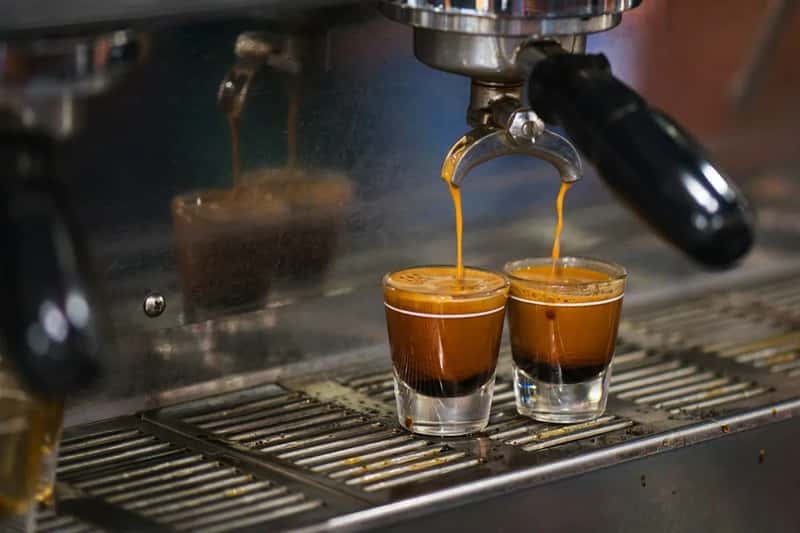
Drinks are a quiet budget leak in any city. In Tokyo, specialty coffee in trendy cafes averages around ¥750, while a can from a vending machine costs only ¥130 to ¥167.[13] That’s a difference of roughly ¥600 per cup.
Vending machines are everywhere, and many sell both hot and cold drinks. Saving your cafe visits for one deliberate treat a day, rather than a habit, keeps the total sensible. These figures come from a travel cost site using converted prices, so expect small differences from block to block.
Carry Cash and Watch for Cover Charges
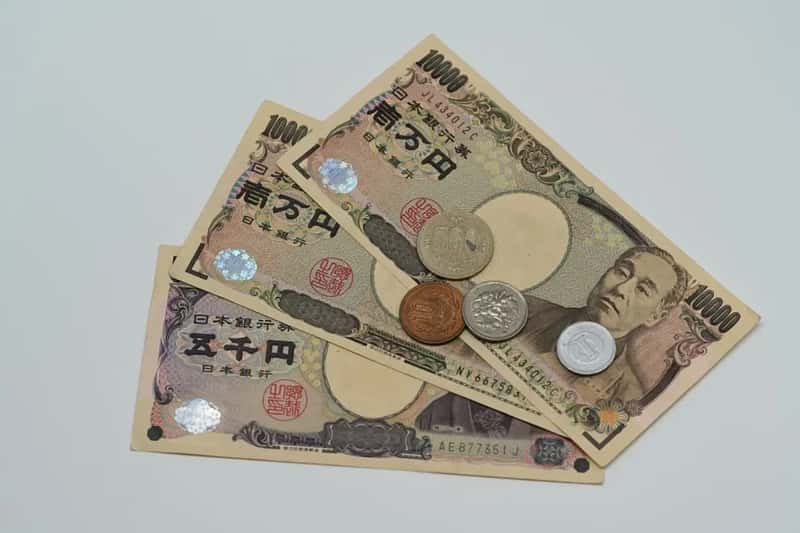
Cards are widely accepted now, but small eateries can be a different matter. Many traditional restaurants and small eateries in Tokyo are still cash only.[5] One guide suggests carrying ¥5,000 to ¥10,000 in cash for dining.[5] On the other hand, IC cards such as Suica and Pasmo work at most depachika counters.[12]
Tiny bars and stalls sometimes add a seating fee. Expect a cover charge of roughly ¥500 to ¥1,000 at many of the smallest places.[13] The upside is simple etiquette, because tipping isn’t practiced in Japan[5], and you pay at the register near the exit, not at the table.[5]
Understand How Takeout and Tax Fit Together
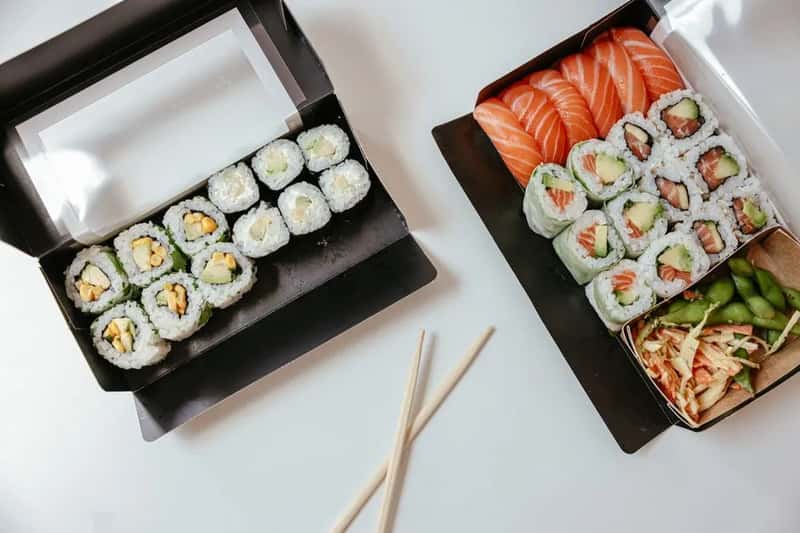
Japan runs two consumption tax rates. A ten percent rate applies to general goods, while a reduced rate of eight percent covers certain items like takeout food and non alcoholic beverages.[14] Your receipt may show both if you buy different things at once. It’s a small difference, but it adds up if you’re buying takeaway meals daily.
Shopping rules for visitors are also changing soon. Instant exemption at the register runs until October 31, 2026, and from November 1 visitors pay the full tax inclusive price and claim the tax back at the airport.[15] The minimum stays at at least ¥5,000 before tax at the same store on the same day.[16] Also, consumables such as food generally have to stay sealed until departure[17], so snack souvenirs aren’t for eating in the hotel.
Set a Realistic Daily Food Budget
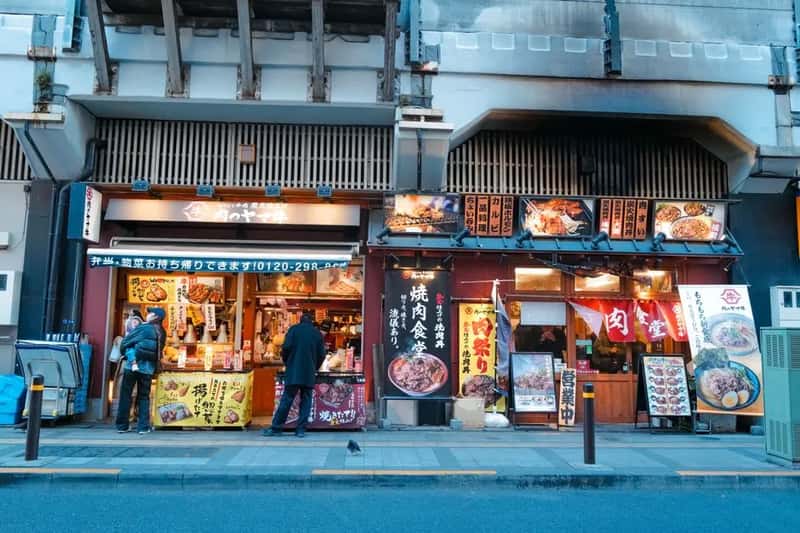
Estimates vary depending on who you ask. One Tokyo guide puts a budget tier at ¥1,500 to ¥3,000 a day[5], while another suggests ¥2,000 to ¥3,500[18] for travelers mixing convenience stores, standing noodle shops and gyudon chains. A third site, using an exchange rate of about ¥150 to the dollar, says budget travelers can eat well for fifteen to twenty five dollars a day.[19]
Splurges sit in a separate category. The MICHELIN Guide Tokyo 2026 lists 160 starred restaurants[6], and flagship omakase counters can charge ¥40,000 to ¥80,000 for a single meal.[6] Treat that as a one time experience if it appeals, not a line in the daily plan.
2