Booking a flight used to feel like a coin flip. You’d click through some ads, land on a price, buy it, then spot the same seat for less a week later and want to throw your laptop across the room. Airfare pricing today runs on a different logic than most people assume, driven by inventory and algorithms rather than luck or timing tricks, and once you understand how it actually works, the whole process gets a lot less stressful.
This guide walks through the habits and tools that genuinely move the needle in 2026, from booking windows to baggage fees that have quietly gotten more expensive this year.
Nail the Right Booking Window

Timing still matters more than almost anything else in flight pricing, but the sweet spot has shifted in recent years. For domestic US trips, the cheapest fares consistently appear one to three months before departure, though some data now points to an even tighter window. Kayak’s 2026 research found that buying flights around 30 days ahead of departure scores the lowest average price, while Expedia’s numbers suggest the most affordable booking window for domestic economy flights is 15 to 30 days before departure, with prices averaging $130 lower than for bookings made more than six months out.
International travel plays by different rules. Most guides agree that the ideal booking window is two to eight months before departure for international flights, though Expedia’s data has thrown in a twist, finding that buying international airline tickets with only 18 to 29 days’ notice can save you 17% compared to booking with at least three months’ advance notice. The honest takeaway is that there’s a range, not a magic date, so start watching prices early and stay ready to pull the trigger once you’re inside that window.
The Day You Fly Matters More Than the Day You Book

For years, travelers were told Tuesday was the golden day to book. That advice has aged badly. A spokesperson for the flight deals newsletter Going put it bluntly, comparing day-of-week booking strategies to “trying to catch a wave by checking the tide charts from last year” since fares now shift constantly rather than on a weekly cycle.
What still holds up is choosing the right day to actually fly. Business and leisure travelers flood flights around the weekends, and that demand drives prices up on those days, while midweek and Saturday departures see less demand and airlines price those seats more competitively. Some analyses put a number on it: Tuesday and Wednesday international flights can run 10 to 20% cheaper than peak-day departures, a gap worth planning around, especially on longer routes.
Let Google Flights Do the Watching for You

Manually refreshing search results is a waste of time when free tools exist to do it for you. Google Flights lets you track flight prices based on specific flights, routes, and dates, and get email updates when the price for a flight or route you’re tracking changes significantly. You can track a fixed itinerary or leave things open, since you can track prices for your searched dates or, if your travel dates are flexible, “Any dates”.
The tool has gotten smarter about giving direct guidance too. Google shows a historical price graph with a prediction that prices are expected to rise, fall, or stay stable, and the general rule is to book within a week if it says rise, wait two to three weeks if it says fall. It’s not a perfect crystal ball, but it beats guessing, and it costs nothing but a Google account and a few clicks.
Skip the Incognito Mode Trick, It Doesn’t Work

This one refuses to die, but the evidence against it keeps piling up. A widely cited comparison found that incognito mode showed cheaper tickets in only about 7% of all searches, more expensive in 5%, and identical in 88% of cases, a difference far too small to build a strategy around. Kiwi.com’s travel researchers describe the underlying reality plainly: flight prices are not increased based on user browsing history, they fluctuate due to real-time demand, seat availability, and complex algorithms, making incognito mode irrelevant for finding deals.
Going’s founder Scott Keyes explained why the myth persists even though it’s false, noting that flight prices are incredibly volatile, and it’s very easy to assume that volatility is happening because of you, not because of market conditions. If you want lower fares, spend the mental energy on flexible dates and price alerts instead of clearing cookies before every search.
Stay Flexible on Airports and Dates

Rigid plans almost always cost more. Flexible date tools are worth the extra few clicks because a three-day shift can save 30 to 50% on some routes, a swing large enough to change your entire budget. It’s also worth checking every nearby airport separately, since major metro areas often have two or three options with genuinely different pricing.
Google’s Explore feature is built exactly for this kind of open-ended search. If you know your travel window but not your destination, clicking the “Explore” button lets you use Google’s open-ended search functionality to find good flight deals within your window of availability. Pair that with tracking multiple nearby airports, since Google treats each one separately and will alert you the moment any of them drops.
Watch for Rising Baggage and Basic Economy Fees

A cheap base fare can turn into an expensive ticket fast once bags and seats get added. Every major US airline hiked checked bag fees in the spring of 2026, and industry reporting notes that airlines point to a sharp spike in jet fuel costs, which averaged nearly $4.88 per gallon in major US markets in early April 2026, up from roughly $2.50 before the conflict began. The result adds up quickly for families, since a family of four checking two bags each on a round-trip domestic flight now pays $320 to $480 more in baggage fees than they would have in February 2026.
Basic economy fares deserve extra scrutiny too. American Airlines, for instance, confirmed changes that mean if you book a Basic Economy fare in 2026, you earn zero SkyMiles and zero Medallion Qualification Dollars on some carriers, and budget airlines can be even less forgiving at the gate. Always add the realistic cost of a bag and a seat assignment before comparing two fares side by side, because the sticker price rarely tells the whole story anymore.
Target Shoulder Season and Off Peak Months

When you travel affects price just as much as when you book. Data from the flight deals platform Going shows a clear seasonal pattern: January and February are the cheapest months to fly because post-holiday demand drops sharply and airlines lower fares to fill planes, while July and December are the most expensive months, as summer vacation and holiday travel push fares to their yearly highs.
Shoulder season sits comfortably in between and often gets overlooked. For destinations like Europe, April through May and September through October offer pleasant weather, fewer crowds, and fares that can run 20 to 40% cheaper than peak season. If your schedule has any give at all, shifting a trip by even a few weeks outside the peak window can meaningfully change what you pay.
Use Points and Miles at the Right Moment

Paying with miles follows a completely different calendar than paying with cash, and mixing the two up is a common and costly mistake. Most airlines release their schedule, including award seats, 330 to 361 days before departure, which is when the widest selection of premium cabin awards tends to appear. Waiting until the typical cash-fare sweet spot backfires for points travelers, since the cheapest cash window is often the worst time to find award availability, because cash fares and award seats follow opposite patterns.
It’s also worth checking the fine print before booking with miles. Some international carriers still tack on extra charges, and British Airways, Lufthansa, and, as of 2026, ANA and JAL all charge fuel surcharges on award bookings, while United and American do not. Comparing the full out-of-pocket cost, not just the number of points required, keeps you from trading a cheap-looking award for a fee-heavy one.
Cross Check Multiple Tools Before You Buy
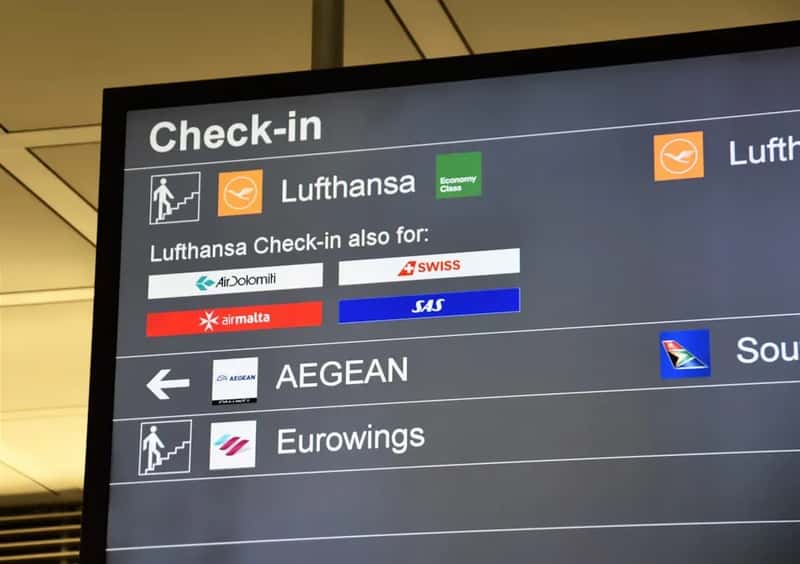
No single search engine sees every fare, so relying on just one leaves money on the table. Beyond Google Flights, competing services like Skyscanner, Kayak, and Hopper also offer flight price trackers with alerts, and while Google Flights is a strong default, the others are worth checking too. Skyscanner in particular offers a tool that lets you keep track of price drops on the routes you’re interested in and analyze flight data to show average monthly prices and the best day to book tickets to certain destinations.
Before you finalize anything, it pays to double check directly with the airline. Going’s guide points out that Google Flights occasionally shows outdated prices, or the airline’s website might have a flash sale not yet reflected in the search results. A five-minute cross-check across two or three platforms, plus a final look at the airline’s own site, is a small habit that consistently protects against overpaying.