
A growing number of Americans are packing their bags not for sightseeing alone, but for something more personal: their health. Frustrated by high deductibles, long waits for specialists, and the sense that preventive care back home feels more like a luxury than a right, thousands of US travelers are landing in Bangkok, Seoul, Chennai, and Bali each year in search of everything from dental implants to full-body cancer screenings. What used to be a niche option for the uninsured has quietly turned into a mainstream health strategy.
The numbers tell part of the story. About 1.4 million Americans spend roughly 8.5 billion dollars abroad each year, led by destinations such as Mexico, Costa Rica, Thailand, India, and Colombia for dental, cosmetic, and select surgical care. Asia in particular has become the center of gravity for this movement, and the reasons go far beyond simple bargain hunting.
The Numbers Behind the Trend

Asia’s dominance in this space isn’t a fluke of marketing. Asia Pacific led the global medical tourism market with revenue of 33.7 billion dollars in 2025, supported by strong cost advantages, specialized treatment hubs, multilingual healthcare professionals, and a high concentration of internationally accredited hospitals. That regional strength is expected to keep building, since the Asia-Pacific medical tourism market size is projected at 70.77 billion dollars in 2026 and is forecast to reach 145.66 billion dollars by 2031.
What’s driving Americans specifically to make the trip? Cost savings remain the primary reason, with procedures often costing 30 to 80 percent less than in the patient’s home country, while about half of medical tourists cite access to high-quality healthcare, a quarter point to procedures not covered by insurance, and a fifth mention shorter wait times. Put simply, it’s rarely just about money. It’s about getting care that feels attentive, modern, and available on a reasonable timeline.
Dental Work That Doesn’t Break the Bank

Dental tourism might be the single biggest gateway into this whole world. Thailand has become something of a poster child for it. Most dental procedures cost 50 to 70 percent less in Thailand than in the USA or Australia, and the country now treats over one million dental tourists annually, with patients arriving from the USA, Australia, UK, and across Asia. That’s not a small niche market anymore; it’s an established pipeline of patients who’ve decided a plane ticket is cheaper than a crown.
The quality argument holds up reasonably well too. Dental work for Americans in Thailand is considered a safe and affordable option because patients can save 60 to 70 percent on major procedures like dental implants or full-mouth restorations, and many recommended clinics carry JCI accreditation. Many of the dentists doing this work aren’t strangers to American standards either. Many dentists in Thailand completed their residencies or fellowships at US universities. That familiarity with Western training pipelines helps ease the nerves of first-time medical travelers.
Surgery, Orthopedics, and the Bigger-Ticket Procedures
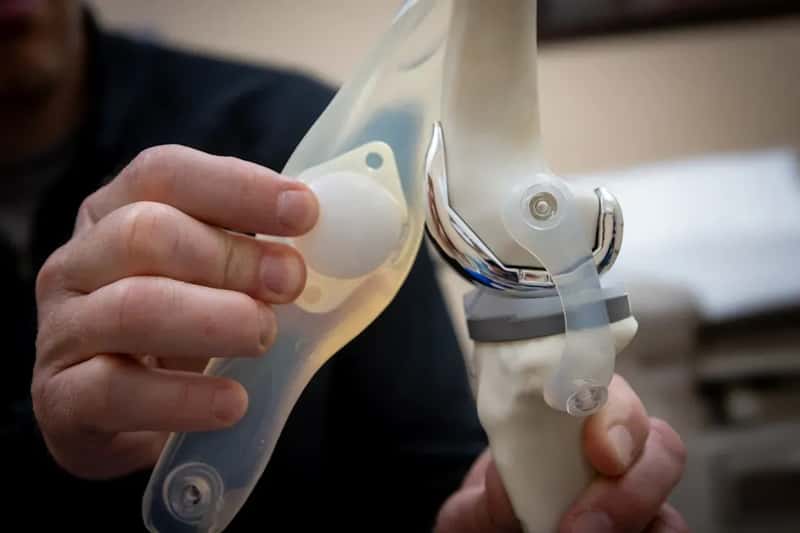
Dental work is the easy entry point, but the savings on major surgery are what really grab attention. A knee replacement in Thailand averages 12,000 dollars against 50,000 dollars in the United States, and cosmetic rhinoplasty in Seoul runs about 3,500 dollars compared with 15,000 dollars in Sydney. Those are not rounding errors. They’re the difference between affording a procedure outright and going into years of debt for it.
Orthopedics in particular is becoming a growth engine for the whole region. Orthopedic surgery leads regional growth with an 18.25 percent compound annual growth rate through 2031, propelled by robotic joint-replacement demand and long public-system wait times. Hospitals across Thailand, India, Singapore, Malaysia, and South Korea have leaned hard into this specialty, betting that aging populations in wealthier countries will keep sending patients their way for hips, knees, and spines.
South Korea’s Surprising Rise as a Checkup Destination

If there’s one country stealing headlines lately, it’s South Korea, and not primarily for cosmetic surgery as many might assume. In 2025, Korea drew a record 2.01 million international medical patients, the first time the country crossed 2 million in a single year, with Americans accounting for 173,363 of those visits, a 70.4 percent jump year over year and the highest US patient count Korea has recorded since tracking began in 2009. That’s an extraordinary pace of growth for a single source country.
What’s striking is what Americans are actually going for. The growth is even more pronounced for U.S. patients, who in 2024 visited Korea for health checkups more than for plastic surgery, a number that grew to 15,695 in 2025, up 33.2 percent year over year. These aren’t people chasing a new nose. They’re chasing a thorough, same-day physical that catches problems early. As one longevity newsletter put it plainly, “the same imaging that costs $5,000 in the United States is available for $800 with shorter wait times and newer equipment” in places like Seoul.
Why the American Healthcare Gap Pushes People Abroad

None of this happens in a vacuum. It reflects real frustration with how preventive care works, or doesn’t, in the US system. Even with insurance, a comprehensive checkup that includes imaging and cancer screening can cost thousands of dollars and require multiple appointments across different providers, sometimes taking several months to complete all required tests. Compare that with a single day in Seoul, and the appeal becomes obvious.
There’s also a structural incentive problem baked into American medicine that experts have pointed to directly. As one preventive medicine specialist explained, “No one wants to pay for prevention,” since physicians are reimbursed thousands of dollars for treating disease, like a heart bypass, but very little for the office visits that might have prevented it in the first place. That mismatch in incentives is exactly the gap that Asian health systems, built more around routine screening, are stepping into for curious American travelers.
Longevity, Life Expectancy, and What Americans Are Chasing

The broader context makes the appeal even clearer. US life expectancy reached 79.0 years in 2024, but the average across comparable wealthy countries was 82.7, a gap of about 3.7 years, with the OECD’s Health at a Glance 2025 report placing the US behind every major peer including Japan, Switzerland, and South Korea. That gap isn’t abstract to the people booking these trips; it’s the reason they’re looking elsewhere for a model of health maintenance that seems to actually work.
South Korea specifically offers a case study in what consistent prevention can do over decades. Healthier school lunches, lifelong activity, and a healthcare system built around prevention helped South Korea add 7.94 years to its life expectancy between 2000 and 2021, while American longevity slid down global rankings over the same stretch. It’s not exotic biotech driving that gain either, it’s largely routine, unglamorous habits paired with a system that makes checkups normal rather than exceptional.
Ayurveda, Yoga, and the Wellness Retreat Boom

Not every health-motivated trip to Asia involves a hospital gown. A huge and fast-growing slice of this travel is about slowing down rather than getting scanned. India is rapidly emerging as a global leader in wellness tourism thanks to its ancient traditions in Ayurveda, yoga, and naturopathy, with resorts in the Himalayas and centers in Kerala and Rishikesh offering immersive retreats that combine Ayurvedic detox, meditation, and therapeutic yoga. These aren’t fringe operations catering to a handful of spiritual seekers anymore; they’ve become polished, medically informed programs marketed directly at burned-out American professionals.
Thailand plays a parallel role for travelers who want structure without quite as much ritual. Thailand is a wellness tourism hub in Asia, renowned for its spa therapies, fitness retreats, and holistic healing programs, with luxury resorts in Phuket, Chiang Mai, and Koh Samui offering Thai massages, detox retreats, and meditation programs. The region’s overall pull is backed by hard numbers too: Asia’s wellness market is poised to grow from 157 billion to 220 billion dollars in the next five years, and the Global Wellness Institute cites Asia as the world’s leading and fastest-growing wellness destination, fueled by the rise in chronic illnesses and aging populations.
Accreditation, Safety, and What Actually Makes This Work

None of this would be sustainable if the quality wasn’t real, and the accreditation numbers back up that the region has done serious work here. Regional JCI accreditations rose from 800 in 2020 to more than 1,100 in 2025, lifting international-patient confidence, with Thailand leading with over 60 certified facilities. That kind of formal oversight matters enormously to patients weighing whether to trust a hospital they’ve never set foot in before booking a flight.
Visa policy has caught up with demand too, removing what used to be a real logistical headache. India’s Medical Visa processed 635,000 entries in 2023, up 40 percent on 2022, offering triple-entry stays of 60 days, while Thailand grants 90-day medical visas with caregiver access. These aren’t small tweaks; they reflect governments actively courting international patients as a strategic economic priority, not treating them as an afterthought.
What This Means Going Forward

This isn’t a passing fad driven by a few viral social media posts. It’s a structural response to two things happening at once: rising frustration with the cost and pace of American healthcare, and a genuine leap in quality and accessibility across Asian medical and wellness infrastructure. Whether it’s a root canal in Bangkok, a full-body MRI in Seoul, or two weeks of yoga and Ayurvedic detox in Kerala, Americans are voting with their travel budgets for systems that seem to take prevention and affordability more seriously.
Of course, this path isn’t without real tradeoffs worth taking seriously, including questions about continuity of care, legal recourse if something goes wrong, and the simple logistics of recovering far from home. Still, for a growing slice of Americans who feel priced out or overlooked by their own system, a flight across the Pacific has started to look less like an indulgence and more like common sense. The trend suggests something worth sitting with: sometimes the shortest path back to good health runs straight through an airport.