Airports from Copenhagen to Fort Lauderdale have spent the better part of 2026 dealing with a problem that has nothing to do with weather or air traffic control. It comes down to something far more basic: the cost of fuel. What started as a geopolitical shock in the Middle East has rippled through balance sheets, schedules, and eventually into the departure boards travelers check every morning.
The scale of the disruption is not something airlines can quietly absorb. Entire fleets have been grounded, one major US carrier has shut down completely, and others are trimming thousands of flights just to stay solvent. Understanding how a fuel price spike turned into a full-blown scheduling crisis requires looking at both the trigger event and the choices airlines have made since.
The Strait of Hormuz closure that started it all

The root of this year’s turmoil traces back to late February, when air strikes on Iran and subsequent retaliation effectively shut the Strait of Hormuz to commercial shipping, triggering the largest supply disruption in the history of the global oil market[1]. That single chokepoint carries an outsized share of the world’s energy trade, and its closure did not just nudge prices upward.
Around a quarter of global crude oil flows through this narrow waterway, together with more than a third of liquefied petroleum gas and smaller shares of liquefied natural gas and chemicals[1]. When that channel closed, the effect on global energy markets was immediate and severe, and airlines were among the first industries to feel it in their operating budgets.
Jet fuel prices climb to historic levels
The numbers behind this crisis are stark. Crude oil supply fell by around 10 million barrels per day, an unprecedented loss equal to roughly 13% of global demand, and physical crude oil prices surged to nearly $150 per barrel while jet fuel prices rose above $200 per barrel by mid-April[1].
Industry forecasters have since settled on a full-year estimate that still looks brutal by historical standards. Jet fuel prices are expected to average $152 per barrel for the year, up almost 70% from $90 in 2025, with the crack spread, the premium airlines pay for jet fuel over Brent crude, expected to average $57 per barrel, a historic high[2]. For an industry that already runs on thin margins, that kind of cost jump changes everything about how a route pencils out.
Spirit Airlines becomes the crisis’s most dramatic casualty
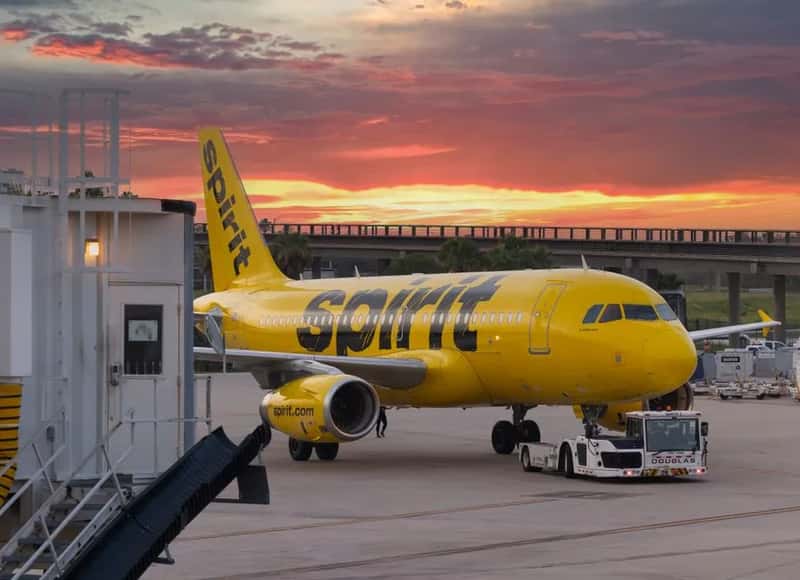
No single story captures the severity of this year’s fuel shock better than Spirit Airlines. Spirit had built its turnaround on fuel costs averaging about $2.24 per gallon in 2026 and $2.14 in 2027, while market prices had moved significantly higher[3].
By early May, the gap between assumption and reality proved fatal. Spirit Aviation Holdings filed a motion on May 4, 2026, asking the bankruptcy court for authorization to wind down operations after Spirit ceased all flight operations on May 2, 2026, with the company stating that a massive and sustained increase in fuel prices had caused a rapid decline in liquidity, incurring nearly $100 million in incremental fuel costs between March 1 and April 30[3]. Thousands of passengers were left stranded, and one of the country’s largest ultra low cost carriers simply vanished from the market.
European carriers slash schedules by the thousands
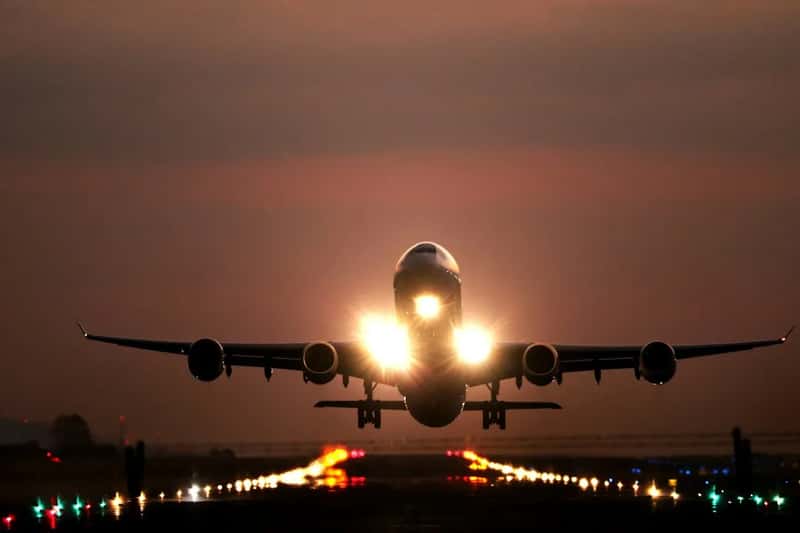
Spirit’s collapse was extreme, but it was far from isolated. Across Europe, several airlines moved quickly to cut flights before losses spiraled further out of control. KLM announced 160 intra-European route cancellations, citing rising kerosene costs, while SAS cut around 1,000 flights in April[4].
Lufthansa took an even bigger swing at its network. Lufthansa is grounding 27 short-haul aircraft and retiring four long-haul A340-600s ahead of schedule[4]. Separately, reporting indicated Lufthansa was removing 20,000 uneconomic short-haul flights from its European summer schedule to save fuel[3], a reduction large enough to reshape regional connectivity for the entire summer season.
SAS and the fastest fuel spike airlines had seen in years

Scandinavian Airlines offered one of the clearest real-time accounts of how quickly the fuel shock hit. The carrier said it would cancel at least a thousand flights in April after the war in the Middle East sent fuel prices surging[5].
SAS chief executive Anko van der Werff described the speed of the increase in blunt terms, noting that the price of jet fuel had doubled in ten days, and even trying to absorb cost increases as much as possible, this represented a shock that directly hit the airline industry[5]. For a mid-sized carrier without the scale of a global network airline, that kind of jump left few options besides cutting capacity.
US giants respond with capacity cuts and fare hikes
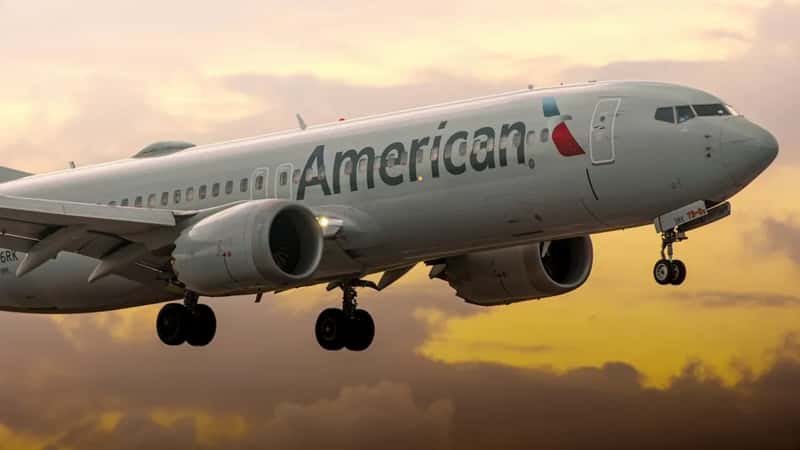
America’s largest airlines were not immune, even with their considerable scale advantages. United Airlines moved early, announcing in its first-quarter earnings report that it had already begun adjusting its 2026 schedule, including a 5% capacity reduction for the year[6].
United’s leadership was direct about what that meant for travelers. CEO Scott Kirby said ticket prices may rise by 15% to 20% to help offset jet fuel costs, describing the capacity reductions as tactically pruning flying that’s temporarily unprofitable in the face of high oil prices[6]. American Airlines, meanwhile, adjusted its internal planning to reflect the new reality, reporting during an April 2026 earnings call that it was planning for an assumed $4 per gallon cost for jet fuel, up from the average price of $2.39 per gallon reported by the Bureau of Transportation Statistics in February 2026[7].
Asia and cargo markets feel the squeeze too
The disruption did not stay confined to transatlantic routes. Carriers across Asia began adjusting operations as fuel costs climbed and supply chains grew less predictable. Cathay Pacific is canceling around 2% of scheduled passenger flights between mid-May and end of June[4], a modest-sounding figure that still translates into thousands of disrupted itineraries across one of the region’s busiest hubs.
Cargo operations, often overlooked in these stories, have taken a hit as well. Cargo markets in the region are also under pressure, as disruptions have reduced effective capacity and triggered a reallocation of transit cargo traffic toward other regions, weighing on financial performance[2]. Freight forwarders and shippers have had to adjust routing plans just as passenger travelers have had to adjust vacation plans.
Fuel surcharges quietly reshape ticket prices

Even airlines that avoided outright cancellations found ways to pass costs on to passengers. Air France-KLM added €50 to long-haul round trips, while SunExpress added €10 to Turkey-Europe tickets from May 2026[4]. Japan Airlines took a similarly direct approach, with the carrier sharply increasing fuel surcharges for international flights, citing abnormally high fuel prices, with the surcharge on flights between North America and Japan reaching $351 for tickets issued between May 1 and June 30[6].
The cumulative effect on fares has been substantial regardless of whether an airline calls it a surcharge or simply a higher base price. The average international airfare from the US across all destinations was $1,101 in the last week of April, up 16 percent from the same period last year, while domestic fares in the US jumped 24 percent year-on-year[8]. Some long-haul markets have moved even further; prices on some routes between Europe and Asia have risen as much as fivefold[8] according to one aviation consultant tracking the shift.
Airline profits are being cut in half industry-wide
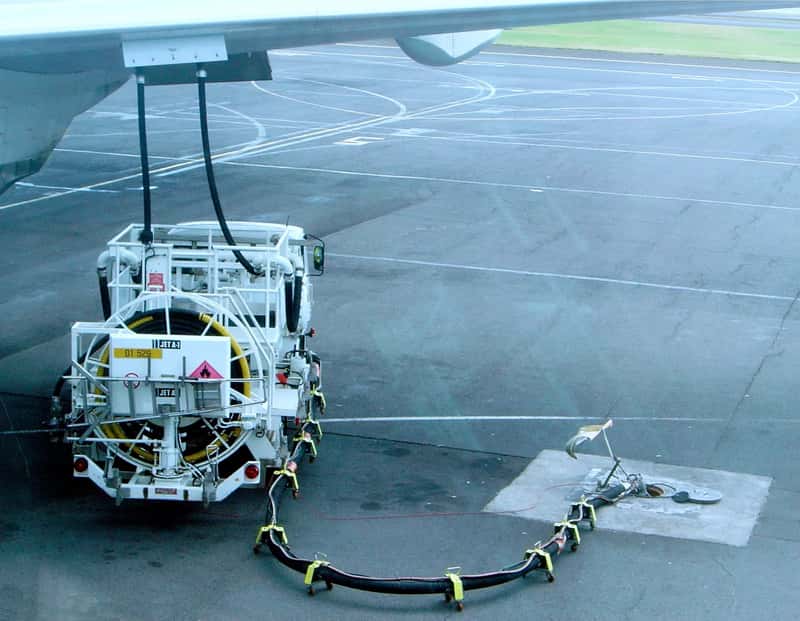
The financial toll on airlines globally has been severe enough to reshape earnings forecasts for the entire industry. Globally, airlines are expected to see profitability halve compared to 2025, with profits shrinking from $45 billion in 2025 to $23 billion in 2026, and margins shrinking from 4.2% to 2.0%[2].
Credit rating agencies have taken notice of the deterioration. Fitch Ratings revised its global airline outlook to deteriorating, specifically citing the fuel environment as a contributing factor in recent airline failures and liquidity problems[9]. Aircraft delivery delays have compounded the pain, since delivery delays from Boeing and Airbus have forced airlines to hang on to older, less fuel-efficient jets, exacerbating maintenance costs as oil prices have ratcheted up, with a backlog of over 18,000 aircraft from the two manufacturers[9].
What travelers can expect as the disruptions continue

For passengers, the practical upshot has been a mix of fewer flight options, higher fares, and unfamiliar surcharge lines on their receipts. Fuel represents up to 30% of an airline’s operational costs according to a 2026 report from the International Air Transport Association, and airlines are passing that expense on to passengers, with airfare up nearly 15% year over year[7].
Not every airline has taken the same path. UK-based budget carrier easyJet announced in April that it would not roll out surcharges on flights for summer 2026 bookings, saying it doesn’t foresee any disruption to fuel supplies[6]. That divergence shows just how unevenly the fuel shock has been absorbed, with some carriers protected by hedging strategies or route networks that dodge the worst of the Middle East disruption, while others have had little choice but to cut deep and charge more.