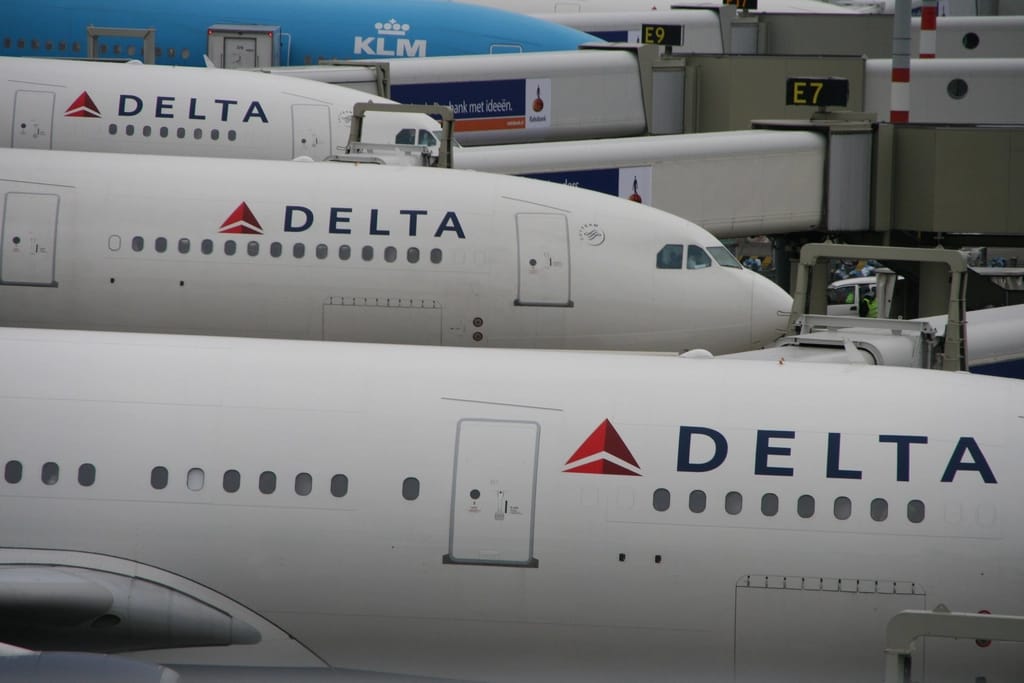
Elon Musk has reopened a monthslong argument with Delta Air Lines. He has stepped up his public attacks on the carrier and mocked its in-flight internet after it chose Amazon’s Leo satellite service over Starlink, the network run by his company SpaceX.[1] The latest round followed a report about comments attributed to Delta’s chief executive.
Several parts of this story are confirmed, and others are not. Delta’s deal with Amazon is public record, while the remarks at the center of the new spat are unverified. This article separates the two.
How the Latest Round Started
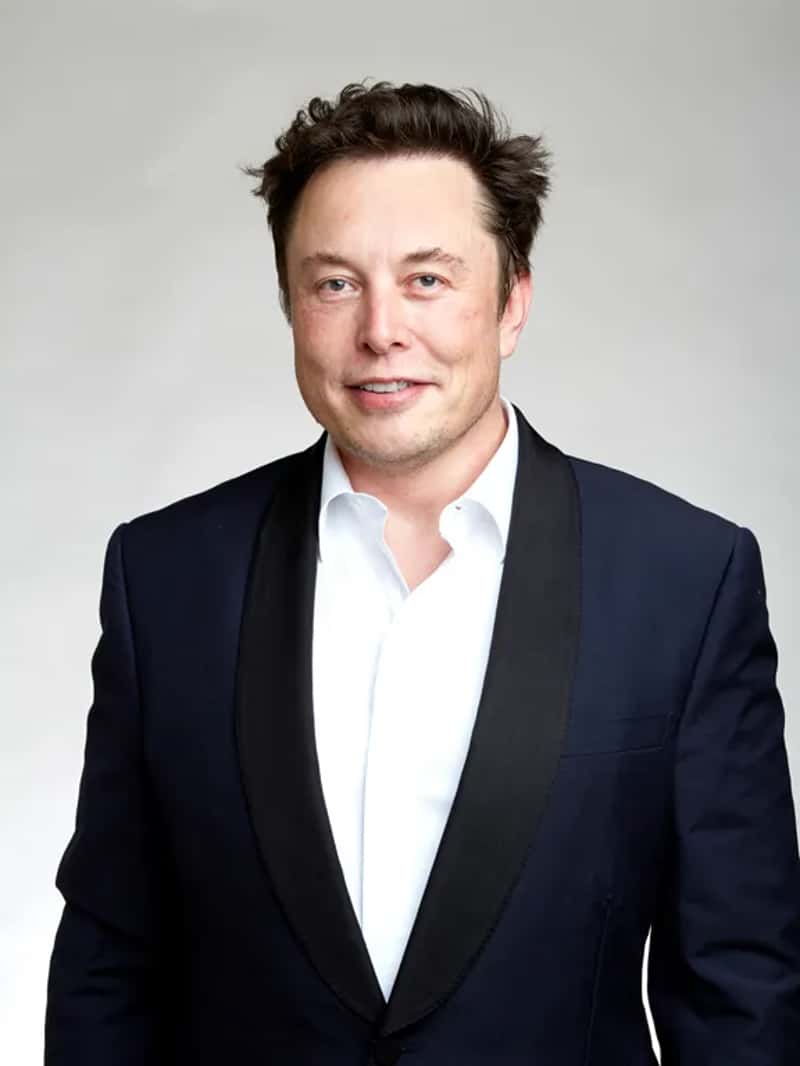
Delta CEO Ed Bastian reportedly addressed the Starlink question at two internal staff events, according to JonNYC, a pseudonymous X account known for leaking airline industry news.[2] The account quoted him as telling employees, “We do not want to be with Elon Musk. Trust me.”[2] A travel blogger then shared the report on X, and Musk replied within hours.
The timing matters. Coverage of the report appeared at the end of September 2026[3], long after Delta had settled on its connectivity partner. The remarks gave an older business decision a personal edge, and that is why the story spread so quickly.
What Delta Has Actually Confirmed
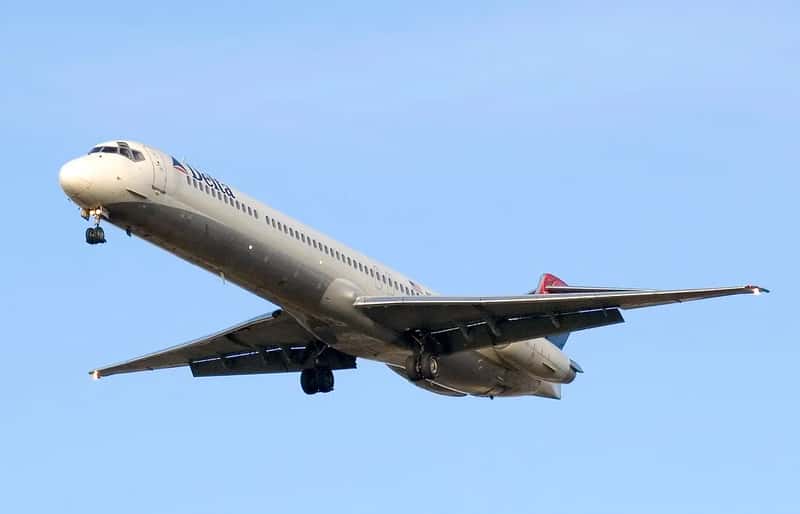
Delta’s side of the record is straightforward. The airline announced a long-term agreement with Amazon on March 31, 2026, saying it would introduce Amazon Leo on hundreds of aircraft, starting with an initial installation on 500 aircraft in 2028.[4] The announcement also said the deal builds on Delta’s existing use of Amazon Web Services.[4]
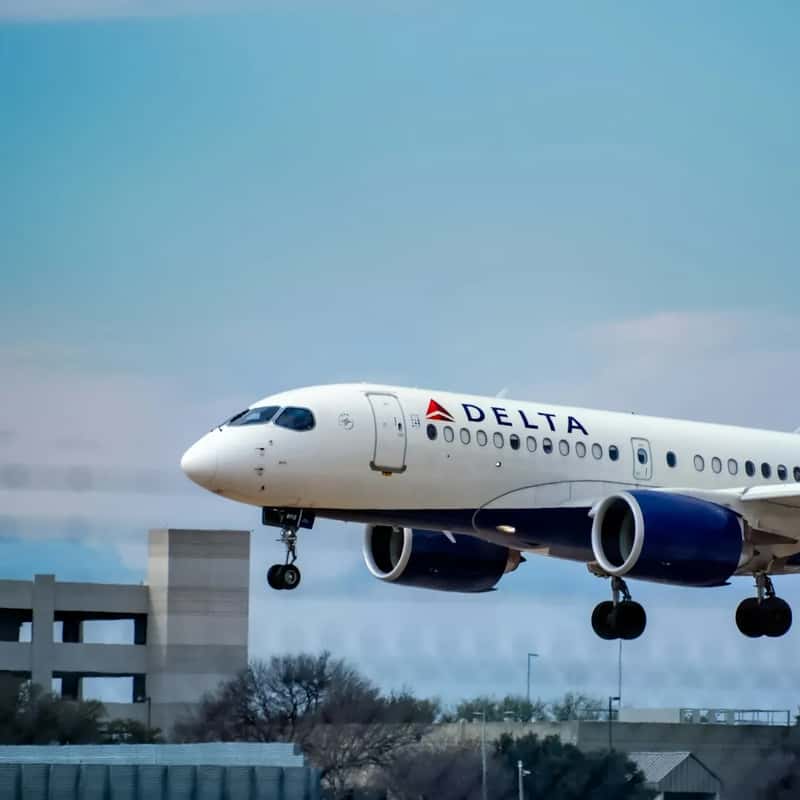
There are limits to what Delta has promised. It has not announced a commitment to equip its entire fleet with Amazon Leo.[4] Some outlets describe the plan differently, and one report says about half of the fleet is targeted[5]. The safest reading is the airline’s own wording, which refers to hundreds of aircraft.
The Reported Comments Remain Unverified
The quote attributed to Bastian is the most inflammatory part of the story, and it is also the least solid. One aviation outlet noted that the remarks have not been publicly confirmed by Delta in the sources it reviewed.[4] Another report said Delta did not answer questions about Musk’s remarks, and Amazon also did not immediately comment.[6]
That leaves readers with a secondhand account from an anonymous source. It could be accurate, but it isn’t established fact. Delta’s stated reasons for choosing Amazon are a separate matter and are on the record.
Musk Escalates on X

Musk didn’t hold back. He said Bastian “will lose his job over this.”[6] He kept up the attack the following Wednesday, joking that a Delta flight is the perfect place to sandbox an AI model because it has no internet.[2] A sandbox is an isolated test environment with no outside connections, a common safety practice in AI development.[1]
He also pushed the commercial angle. A day before the sandbox post, he wrote that “Delta will lose a lot of customers,” replying to a user who compared Delta with United.[1] He also boosted posts from American and United that tried to lure Delta loyalists.[6] The messaging is as much marketing for Starlink as it is a personal feud.
The Portal Dispute From May
This isn’t the first clash. In May, Musk claimed Delta turned down Starlink not because Amazon Leo is better, but because Delta wanted passengers to log in through its own Delta Sync portal.[7] He posted that SpaceX requires that there be no annoying “portal” to use Starlink.[7]
Delta tells a different story. The airline says it chose Amazon Leo because it offers more features at a lower price.[7] In a May Bloomberg interview, Bastian stood by the decision, saying Amazon’s setup promised stronger bandwidth and a meaningfully lower cost than Starlink.[6] Neither side has produced contract details, so the competing explanations can’t be tested.
Why Amazon Leo Appeals to Delta
Delta has framed the deal as more than a Wi-Fi purchase. A spokesperson said the partnership will provide high-bandwidth connectivity while creating opportunities to bring Amazon’s broad ecosystem of entertainment and digital services to the skies.[7] Delta says Leo brings benefits that Starlink doesn’t, such as retail, Amazon Prime, video and gaming, at a much lower price.[7]
The relationship with Amazon also predates this deal. Delta already uses AWS, which makes a wider Amazon partnership a natural step. Still, a strong commercial fit says nothing about whether the satellites will be ready on schedule.
The Timing Gap and the Satellite Count
The weakest point in Delta’s plan is timing. Amazon’s Leo won’t enter beta until next year, so United and Southwest could finish their Starlink rollouts before Delta starts installing Leo connectivity.[8] United already has Starlink on more than one third of its fleet.[5]
The constellations are also very different in size. Starlink has more than 11,000 satellites, while Amazon Leo had about 396 in orbit in late September.[3] Amazon plans a network of more than 7,000 satellites, and Leo’s aviation product hasn’t been tested at Starlink’s scale.[9] Delta isn’t alone in betting on Amazon, since JetBlue is also signed up for Leo and plans to begin offering the service next year.[6]
Rival Airlines Move In
Competitors have seen an opening. United and American are using the dispute to court Delta customers.[7] Both have already signed up with SpaceX for Starlink services.[9] For frequent flyers who care about connectivity, that is an easy pitch to make.
Whether it works is another question. One analysis noted that there isn’t any data proving frequent fliers and business travelers are switching.[8] Delta also isn’t offline today, since it already offers fast, free Wi-Fi across most of its fleet.[4]