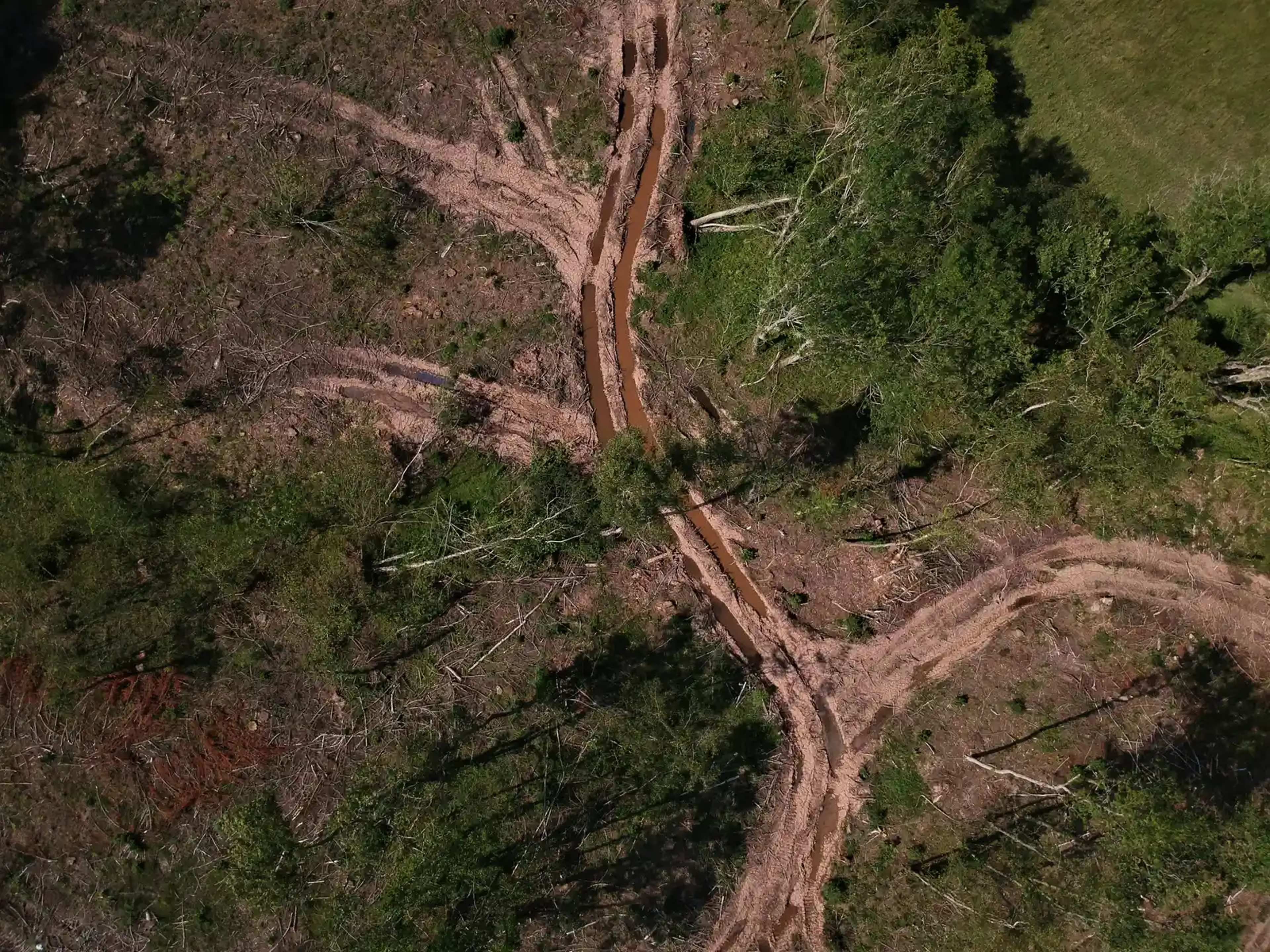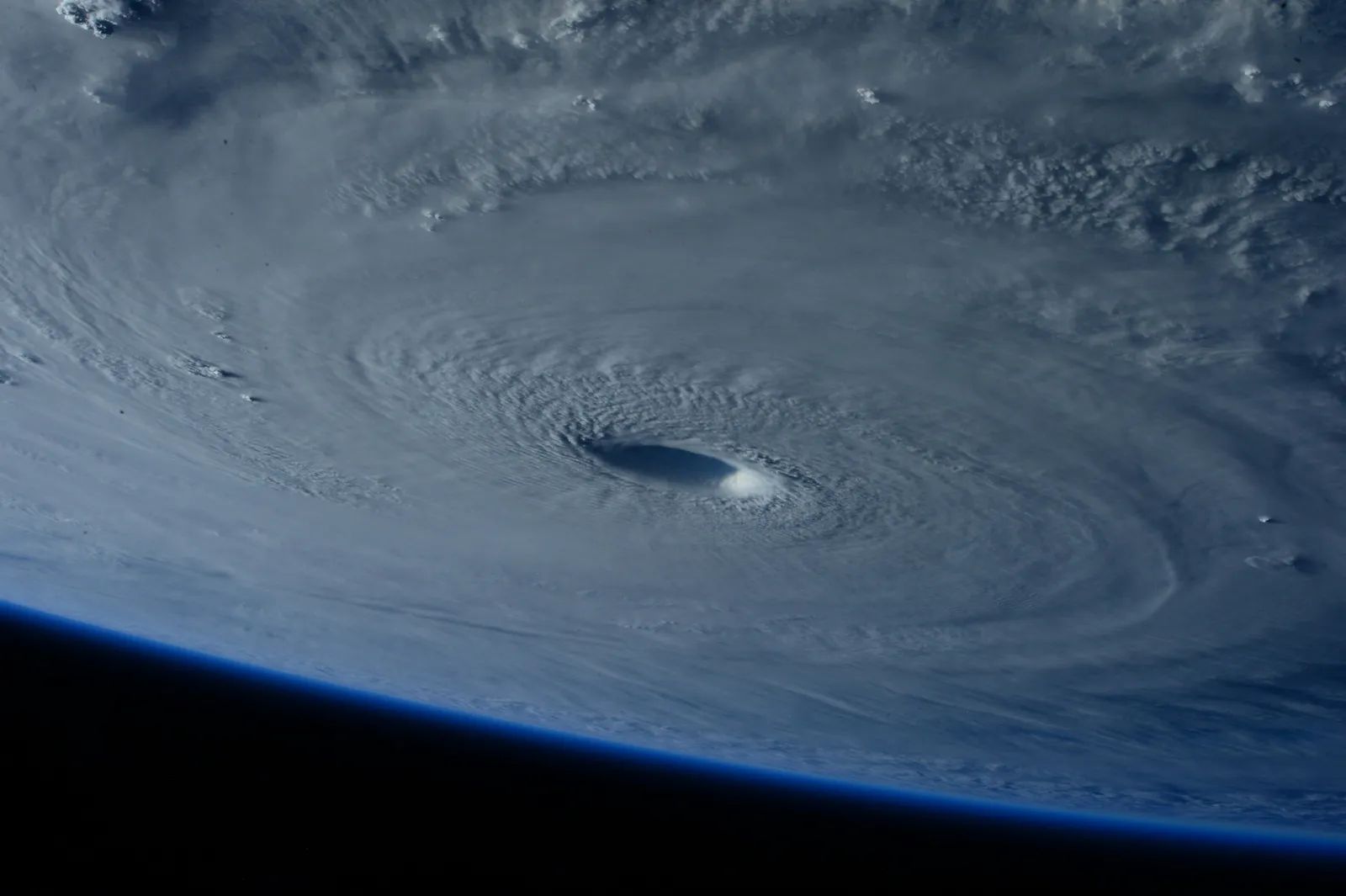
Puerto San Carlos, Mexico – Hurricane Polo reached the Baja California coast early Tuesday as a Category 2 storm, delivering powerful winds and sudden flooding to communities along the shoreline. The system came ashore near Las Barrancas with maximum sustained winds of 110 mph, according to the U.S. National Hurricane Center. ([1])Residents in the region reported trees toppled by the gusts and water quickly rising in low-lying areas.
Landfall and Immediate Effects
The storm crossed the coastline with little warning for some smaller settlements. Winds strong enough to uproot trees and damage lighter structures swept through Puerto San Carlos and nearby towns. Flash flooding followed the heavy rainfall that accompanied the hurricane’s arrival, turning streets into temporary rivers in several spots. Local authorities focused first on clearing roads blocked by fallen vegetation and checking for residents in need of assistance. Power outages affected portions of the impacted zone as crews began assessing damage to utility lines. The timing, just after dawn, limited visibility and complicated initial response efforts in the hardest-hit neighborhoods.
Storm Path and Regional Context
After landfall, Polo continued its movement across the Gulf of California. Forecasters tracked the system as it weakened over land while still carrying significant moisture. The broader Pacific basin has seen elevated storm activity this season, a pattern often linked to El Niño conditions. Tropical Storm Rachel moved in a parallel track farther offshore, adding to the season’s activity without direct interaction with Polo. Farther west, Hurricane Nolo maintained Category 3 strength while drifting away from Hawaii after earlier flooding there. These developments illustrate the active period now underway across the eastern Pacific.
Monitoring and Outlook
The U.S. National Hurricane Center continues to issue updates on Polo’s remnants and any remaining moisture that could reach the U.S. Southwest later in the week. Officials emphasize that conditions remain fluid and that additional rainfall totals will depend on the storm’s exact track and speed of weakening. Communities in Baja California are shifting attention to recovery steps, including debris removal and checks on infrastructure. Travelers planning visits to the region are advised to monitor official updates from Mexican authorities and the hurricane center for the latest guidance on road conditions and services.