
I got curious about how an AI chatbot would size up global travel risk right now, so I asked ChatGPT to walk me through the destinations drawing the most safety concern this year. The answers lined up closely with what the U.S. State Department has been publishing throughout 2026, a year that has seen more advisory upgrades than usual thanks to shifting conflicts, rising crime in a few surprising places, and at least one region nobody expected to see flagged.
What follows isn’t a doom list meant to scare anyone off traveling. It’s a rundown of nine places where official guidance, recent incidents, and on the ground reporting all point in the same direction: pause, do your homework, and go in with eyes open if you go at all.
Haiti
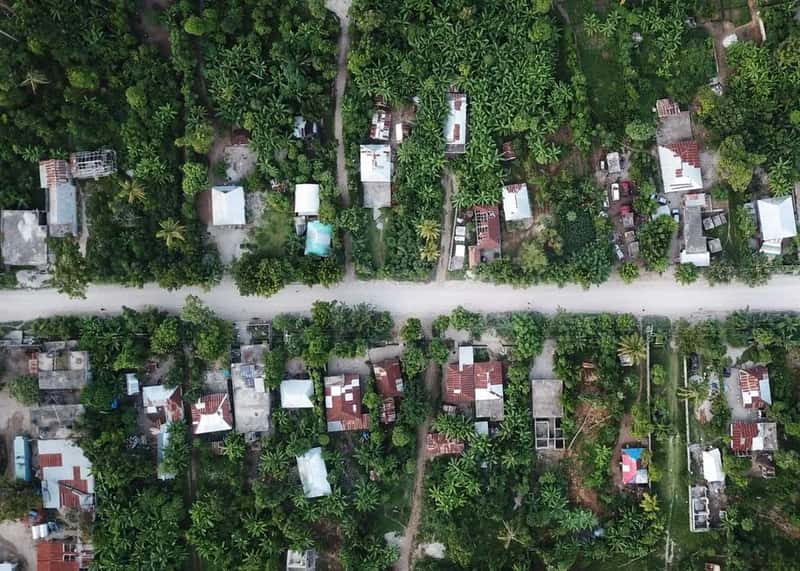
Haiti sits at the very top of almost every risk list circulating in 2026, and for good reason. The U.S. State Department has been updating its Level 4 travel advisory for Haiti, warning of widespread kidnappings, gang violence and rampant violent crime in the country.[1] Reporting this year puts the scale of the problem in stark terms, noting that gang violence controls roughly 80 percent of Port-au-Prince, alongside what amounts to complete state failure.[2]
The situation has not stayed contained to the capital either. Violence has been expanding beyond Port-au-Prince, with incidents rising sharply in the Centre department, Grand Nord, and Artibonite, prompting the UN to authorize a gang suppression force that began deploying in April 2026.[3] Around 26 criminal groups are estimated to operate across the Port-au-Prince metro area, and roughly 1.4 million Haitians remain displaced.[3] Beaches and history aside, this is not a year for casual tourism there.
Mexico’s cartel-controlled states
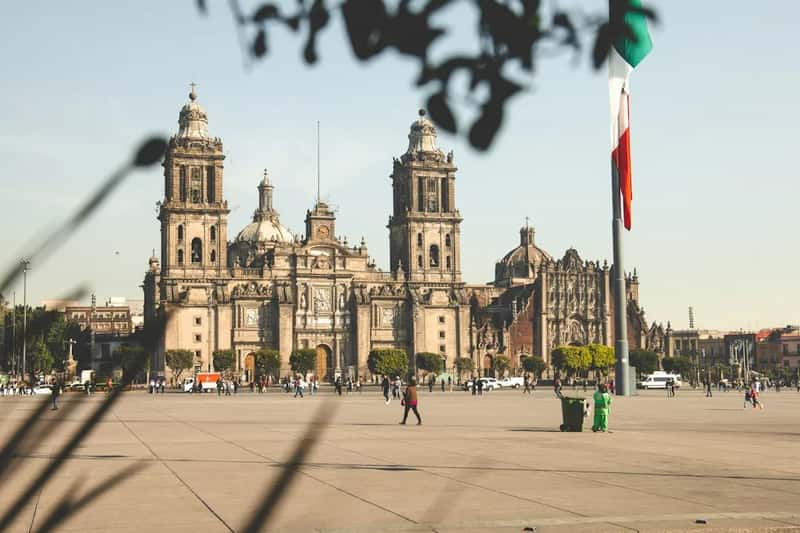
Mexico is a tricky one to summarize because the country isn’t uniformly dangerous. Popular tourist corridors like Cancún, Los Cabos, and Mexico City’s historic center remain at Level 2[4], meaning the usual increased-caution guidance applies rather than anything more severe. The problem is what sits just outside those corridors.
Entire states, including Sinaloa, Colima, Tamaulipas, Guerrero, Michoacán, and Zacatecas, carry Level 4 advisories due to cartel violence.[4] That’s a meaningful distinction for anyone road tripping or exploring beyond resort zones, since crossing from a Level 2 area into one of these states can mean a very different security reality within a few hours’ drive. Checking state-by-state guidance, not just the country overview, matters here more than almost anywhere else on this list.
Venezuela

Venezuela has become something of a cautionary headline in its own right this year. The U.S. government warns citizens against travel to Venezuela for any reason, citing severe risks including wrongful detention, torture in detention, terrorism, kidnapping, arbitrary enforcement of local laws, crime, civil unrest, and poor health infrastructure.[5] The wrongful detention piece is what tends to catch people off guard.
More U.S. nationals are currently wrongfully detained in Venezuela than in any other country, and other foreign nationals there are also frequently unjustly detained.[5] The advisory goes further than most, explicitly telling Americans to avoid Venezuelan borders with Colombia, Brazil, and Guyana[5] rather than just the interior of the country. It’s a rare case where border zones get their own specific warning.
Colombia

Colombia sits at Level 3, a notch below the most severe warnings, but the specific threat drawing attention in 2026 isn’t the one most travelers expect. Reissued on March 31, 2026, Colombia stays at Level 3, and beyond street crime, the State Department has issued a specific warning about the use of sedative drugs to incapacitate tourists in bars or through dating apps.[6] That’s a departure from the usual pickpocket-and-mugging framing most crime advisories use.
The recommendation that follows is fairly blunt. Travelers are advised to stay extra vigilant in nightlife districts[6] rather than avoid the country altogether, since much of Colombia, including Bogotá and Cartagena, still functions as a fairly normal tourist destination outside these specific risk pockets. It’s a narrower warning than a blanket “stay away,” but one worth taking seriously if a night out is on the itinerary.
Trinidad and Tobago

This is one of the more surprising entries on any 2026 risk list, since the twin-island nation doesn’t usually come up in safety conversations. Reissued on April 13, 2026, Trinidad and Tobago remains a Reconsider Travel zone after a nationwide State of Emergency was declared in March due to a spike in violent crime.[6] That’s a fast shift for a destination long associated mostly with Carnival and beach tourism.
The advisory gets specific about where the danger is concentrated. The U.S. has designated specific no-go areas in Port of Spain, including Laventille and Beetham.[6] For travelers with trips already booked, that level of neighborhood-specific guidance is actually useful, since it suggests the risk is localized rather than spread evenly across the islands.
Lebanon
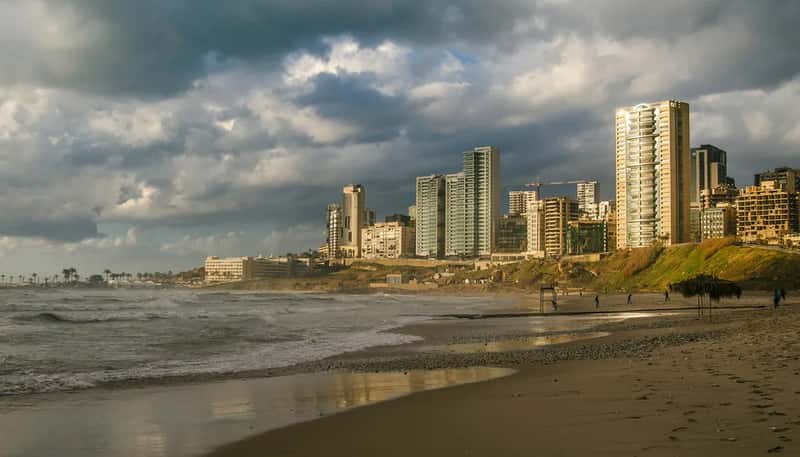
Lebanon’s advisory reflects a country caught between two overlapping crises. The Level 4 designation cites the Hezbollah conflict with Israel alongside economic collapse and infrastructure failure[2], a combination that makes basic services unreliable even setting aside the security picture. That mix of factors is part of why Lebanon has stayed near the top of the Do Not Travel list for an extended stretch.
The broader regional context has only sharpened the warning. The U.S. government entered 2026 with some of its starkest travel messaging in years, widening the list of places where Americans are urged not to go at all and layering urgent alerts on top of long standing warnings in parts of the Middle East.[7] Lebanon sits squarely inside that pattern, with little sign of the advisory easing anytime soon.
Iran
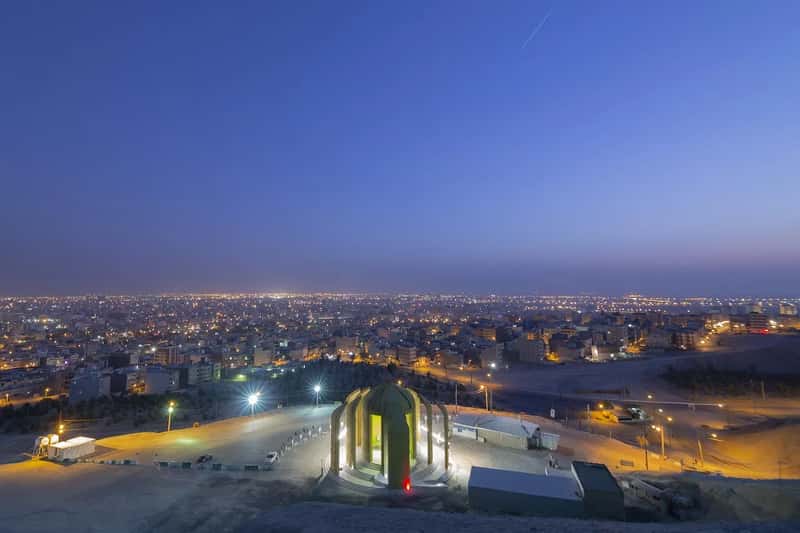
Iran has carried a Level 4 advisory for years, but 2026 added a sharper edge to it. The warning centers on arbitrary detention of foreigners, terrorism, and wrongful imprisonment[2], risks that predate this year’s tensions but have become more acute alongside them. Early 2026 saw active hostilities involving the United States, Israel, and Iran, which reshaped how the whole region gets discussed in travel guidance.
The concern extends beyond Iran’s own borders. The advisory warns that Iran and groups supportive of Iran may target U.S. interests overseas or locations associated with the United States and Americans throughout the world.[8] That kind of language, extending risk beyond a single country’s geography, is unusual and worth noting for anyone with Middle East travel plans this year.
Myanmar (Burma)

Myanmar’s advisory reflects a civil war that has dragged on with no clear resolution in sight. The U.S. State Department warns against travel due to armed conflict, civil unrest, and arbitrary enforcement of local laws, while also flagging weak health infrastructure, land mines, unexploded ordnance, and wrongful detention concerns.[9] Land mines in particular set this advisory apart from many others on the list, since that’s a threat that doesn’t disappear once a conflict quiets down in the news.
Independent risk assessments echo the government’s concern rather than softening it. Myanmar appears on Riskline’s 2026 least safe list, and International SOS also highlighted a security rating increase for the country from High to Extreme on its 2026 map release.[9] When multiple independent trackers and official government guidance point the same direction, that’s usually a sign the risk assessment isn’t just bureaucratic caution.
United Arab Emirates
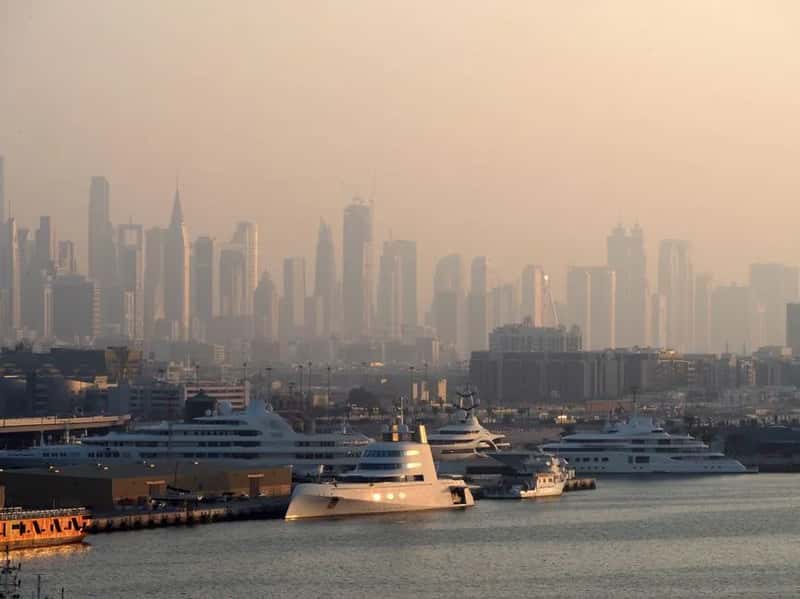
Of everything on this list, the UAE is the entry most likely to surprise people, given its reputation as a glossy, stable hub for business and tourism. The United Arab Emirates, long regarded as a stable hub for Middle East tourism and aviation, was shifted on March 3 from Level 2 to Level 3 after Iranian officials publicly referenced potential US-linked targets in the Gulf.[10] That’s a notable downgrade for a country that spent years building a reputation for safety and predictability.
The shift wasn’t isolated to the UAE alone. Following the February 2026 hostilities between the United States and Iran, the State Department moved the entire Gulf region to Level 3, Reconsider Travel, covering Bahrain, Kuwait, Oman, Qatar, Saudi Arabia, the United Arab Emirates and Jordan.[11] That puts Dubai and Doha, two of the world’s busiest aviation hubs, under a formal US warning[11], which has practical implications for anyone connecting through the region rather than just those visiting it directly.
Checking the specific, current advisory text for any of these places before booking remains the most reliable way to avoid surprises, since conditions in several of them have shifted more than once already in 2026. The State Department’s own guidance updates in real time, and it’s free to check.