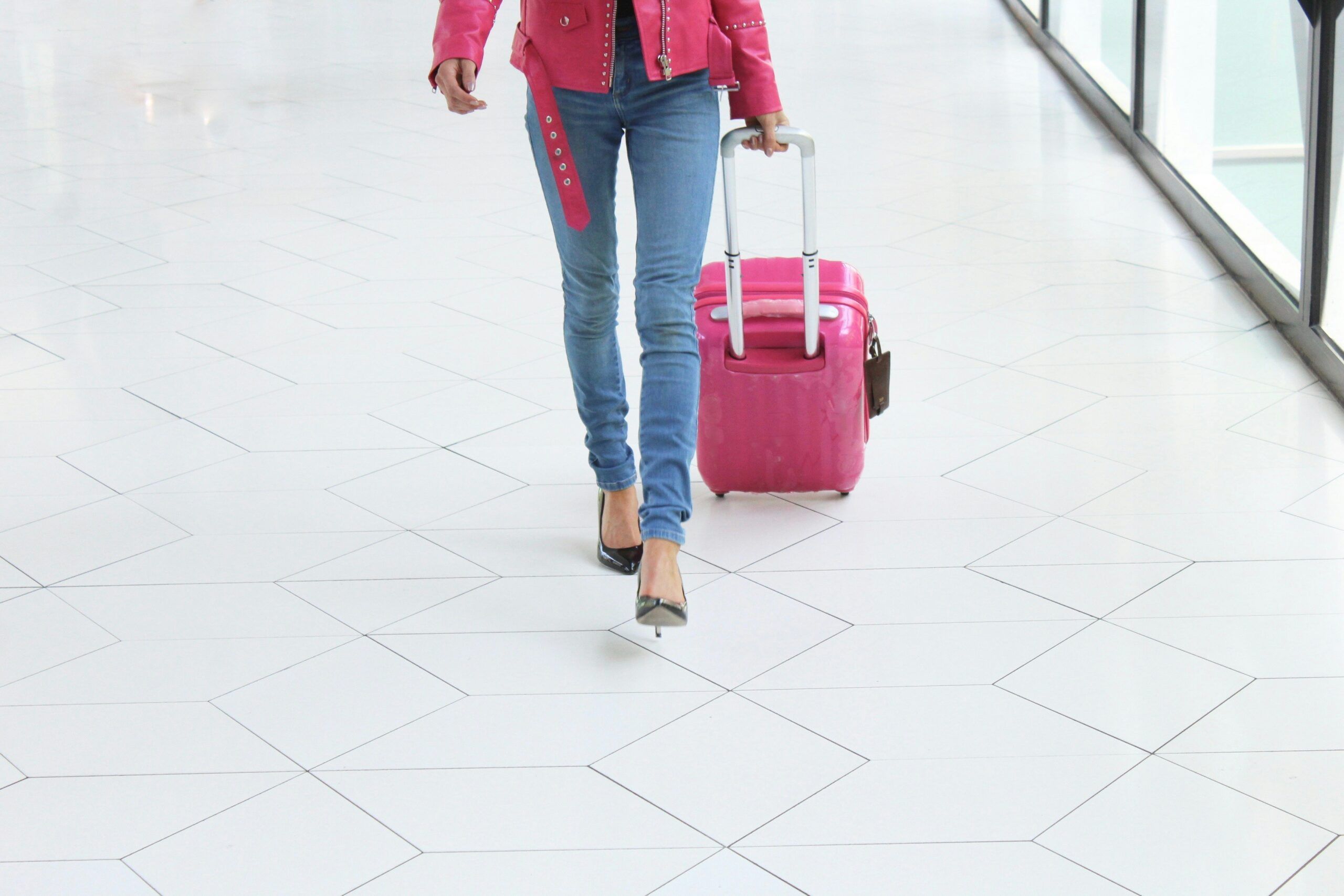
Airports are strange, loud, oddly choreographed places, and if you spend enough time in one, you start noticing who belongs and who’s still figuring it out. Curious whether an AI chatbot could put that instinct into words, I asked ChatGPT to break down the most common tells of a first-time flyer. The answer wasn’t a list of stereotypes so much as a rundown of small, understandable habits, the kind of things anyone might do on their first trip through an airport.
They show up absurdly early and then don’t know what to do with themselves
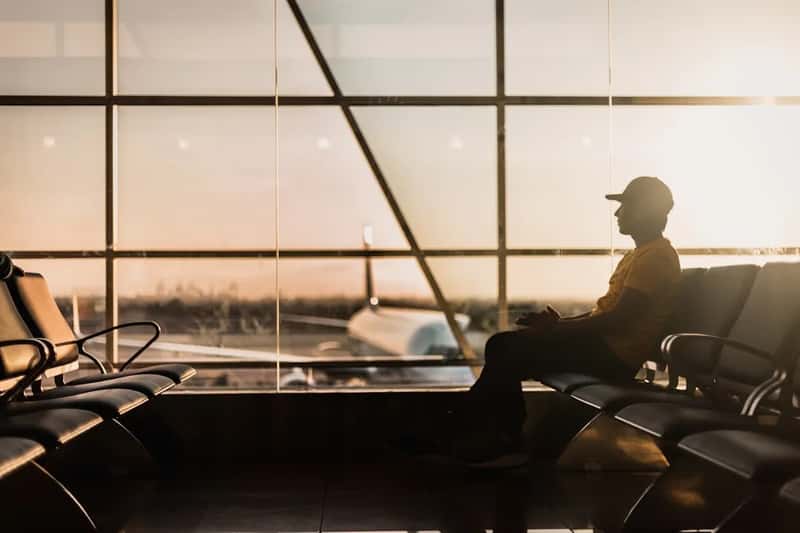
ChatGPT’s first observation was about timing. First-time flyers, it noted, tend to arrive at the airport well before they need to, sometimes hours ahead of a domestic flight that realistically needs ninety minutes. This isn’t irrational. Arriving early at the airport helps first-time flyers deal with airport anxiety, since the last thing a nervous flier wants is to struggle with check-in or worry about missing a flight while stuck in the TSA line.[1]
The giveaway isn’t the early arrival itself, since plenty of seasoned travelers pad their schedules too. It’s what happens after. A first-timer with three unstructured hours often circles the terminal, rereads the departure board repeatedly, and hovers near the gate long before boarding starts, whereas someone who flies often will find a seat, plug in headphones, and disappear into a book or a laptop without a second thought.
They stand still in exactly the wrong places
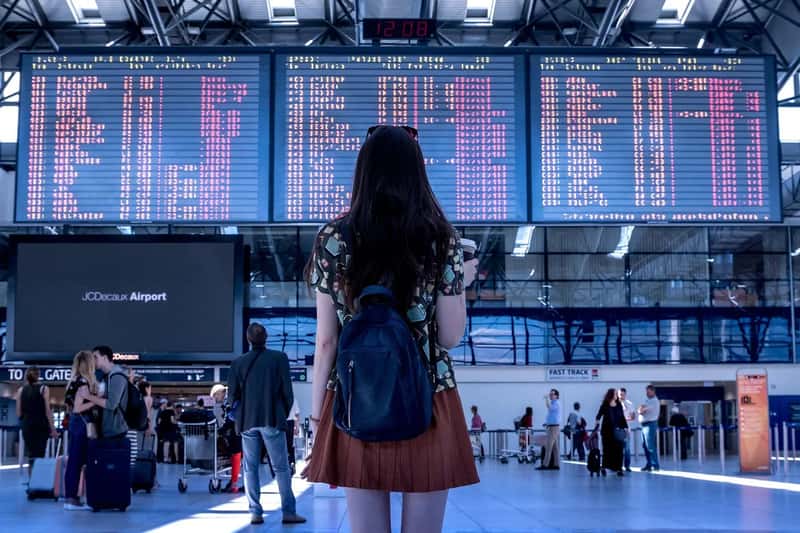
The second sign ChatGPT flagged was about movement, or the lack of it. Airports have unwritten traffic rules, and nobody hands you a manual. One frequent-flyer habit expert has pointed out that standing right in the middle of the escalator steps is one of the biggest signs of an inexperienced traveler.[2] The same goes for stopping abruptly in the middle of a busy concourse to check a phone or stare at a sign.
The advice frequent travelers tend to follow is to treat the escalator, and really the whole terminal, like a highway, standing on the right and walking on the left, since the passing lane matters whether it’s a moving walkway or a wide hallway.[2] A first-time flyer usually hasn’t absorbed that rhythm yet, so they end up blocking a path without realizing it, not out of rudeness but simply because nobody told them the terminal has lanes.
They ask basic questions out loud, and that’s actually fine
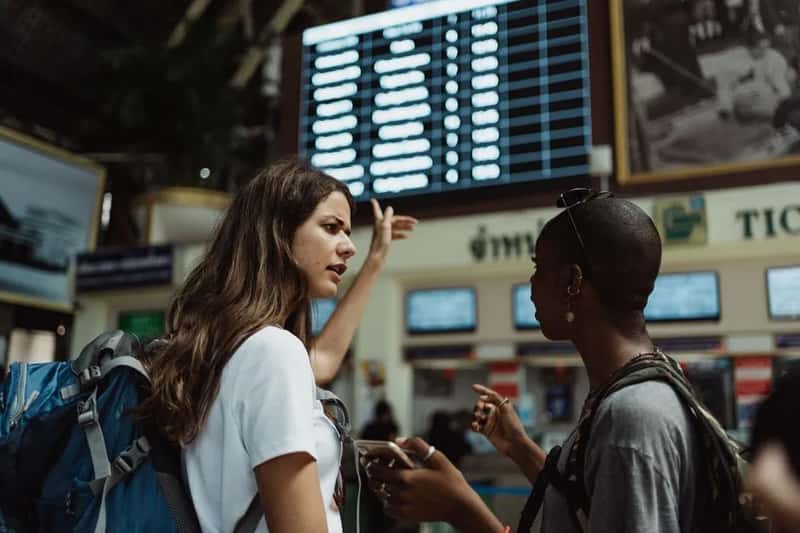
Third on the list was something ChatGPT framed almost sympathetically: first-time flyers ask questions that experienced travelers have long since stopped needing answered. Where does the ticket counter line start. Do I need to take my liquids out again after this checkpoint. Does this gate change mean I walk somewhere else entirely.
The honest answer, according to guidance aimed at newcomers, is that asking an employee nearby when unsure is completely normal and doesn’t slow anything down.[3] ChatGPT’s point wasn’t that asking questions is a flaw. It’s simply a reliable signal, since someone who’s flown fifty times rarely needs to ask where the bag drop is.
They crowd the baggage claim carousel like it’s about to disappear
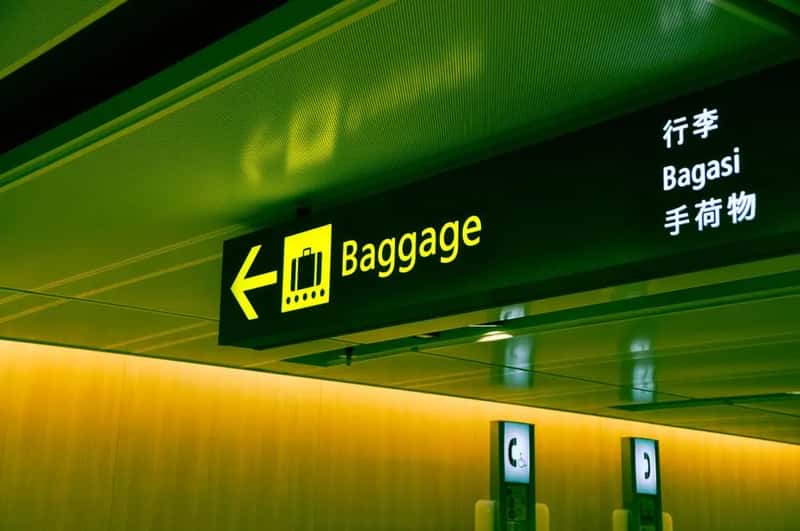
The fourth sign was one of the more visual ones: standing directly against the baggage carousel, elbow to elbow with strangers, watching every bag go by as if the flight’s final challenge is grabbing luggage on the first pass. It’s a small moment, but it’s a consistent one. At baggage claim, instead of standing a few feet back and moving forward once their suitcase appears, novice flyers tend to crowd directly against the carousel.[4]
The irony is that this actually makes baggage collection harder for everyone, including the people doing the crowding, since stepping back gives passengers room to spot their bag and pull it clear without a scrum.[4] Experienced travelers tend to hang back, scan the belt from a short distance, and step forward only when their bag is within reach, which looks almost lazy by comparison but works better.
They treat minor turbulence or a seatbelt sign like a five-alarm event
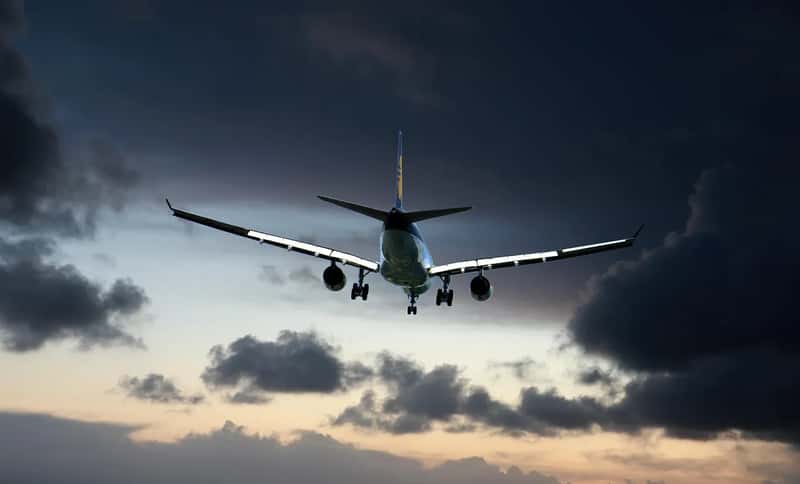
The last sign ChatGPT offered had to do with in-flight reactions rather than airport behavior. A first-time flyer, it explained, is more likely to grip the armrest, glance around at other passengers’ faces for reassurance, or ask a flight attendant a nervous question the moment the plane hits a rough patch of air. That reaction lines up with how common flight-related nerves actually are. Flight anxiety affects between 15 and 40 percent of adults in the United States, with an estimated 25 million Americans experiencing some degree of aerophobia.[5]
There’s also a smaller, more practical tell tied to timing. Someone who hasn’t planned a lavatory break at a sensible point in the flight can end up facing a very uncomfortable descent once the fasten-seatbelt sign goes on for the rest of the flight.[6] It’s a minor detail, but it’s exactly the kind of thing nobody thinks to mention until they’ve lived through it once.
None of these signs are meant as judgment, and ChatGPT was careful to frame them that way. Every frequent flyer alive was once the person circling the gate three hours early or hesitating at the top of an escalator. The habits fade with repetition, not talent, which is probably the most reassuring part of the whole answer.