Flying is one of those things that reveals a person instantly. Seasoned travelers move through airports like they built the place. They know which security lane is fastest, they never fumble for their boarding pass, and they barely look up from their phones during takeoff. New flyers? Completely different story. And honestly, there is something genuinely wonderful about watching someone experience the magic of flight for the very first time.
I decided to ask ChatGPT to lay it all out – what are the telltale signs that someone is a total newcomer to air travel? The answers were surprisingly sharp, grounded, and in many cases backed up by real behavioral patterns and research. Let’s dive into what it told me, and whether it actually makes sense.
Sign #1: They Arrive Way Too Early – Or Way Too Late
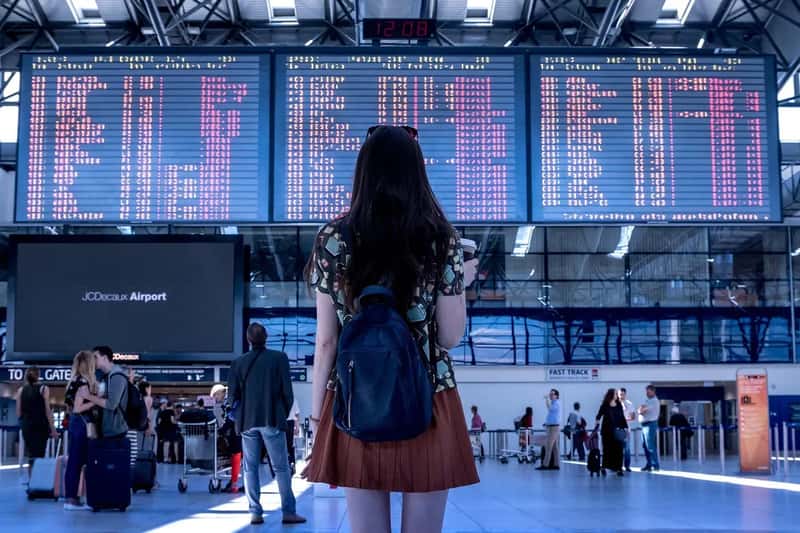
Here is the thing: new flyers almost always get the timing completely wrong. Either they show up at the airport four hours before a domestic flight in a sweaty panic, or they underestimate the whole process entirely and arrive dangerously close to boarding time. Both are dead giveaways. According to travel experts, arriving at least two hours before a domestic flight or three hours for an international flight is the single biggest stress reducer.
Veterans know this almost instinctively. They’ve timed it, optimized it, and made peace with it. A traveler’s first time at the airport is filled with excitement, and you’re only a few hours away from embarking on a trip with lots of reasons to feel giddy – but that eagerness can make someone irresponsible about time. Watch for the person sprinting with a giant suitcase or, conversely, the one sitting at the gate for what feels like an eternity before anyone else arrives.
Sign #2: Confusion at Security Is Instant Confirmation
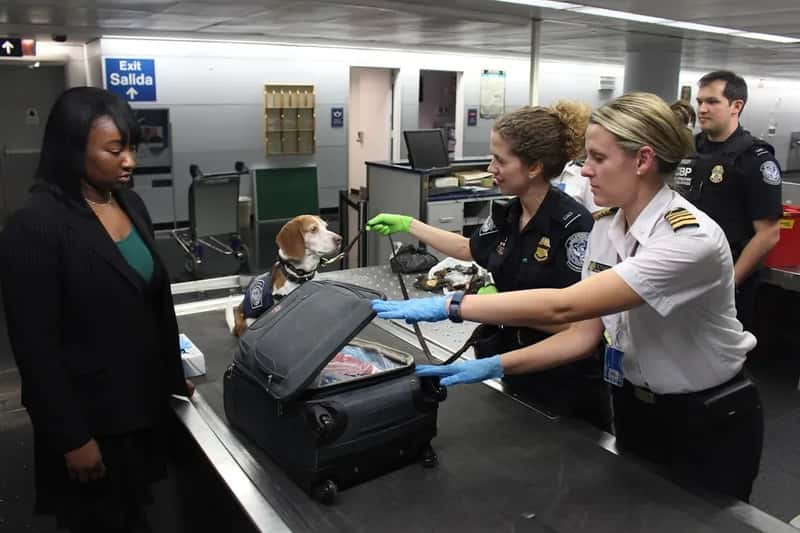
Going through the security checkpoint at an airport for the first time can be truly intimidating. New flyers freeze. They don’t know to remove their shoes, they leave metal belts on, they haven’t separated their liquids. It’s like watching someone discover a language they’ve never spoken. There is no shame in it, but it is extremely easy to spot.
Security at airports looks scarier than it is – have your boarding pass and identification ready as you approach the kiosk, pay attention to the signage, and take everything out of your pockets before going through the metal detector or scanner. The new flyer almost never does all of this smoothly on the first attempt. TSA agents actually have dozens of behaviors they look out for that could seem suspicious, like yawning too much or staring at the ground – and if you’re stressed because it’s your first time at an airport, you may actually get selected for additional screening.
Sign #3: They Grip the Armrest Like Their Life Depends on It
Turbulence is where the mask comes off completely. The majority of nervous flyers panic in moments of turbulence. The new flyer grips the armrest, stiffens their entire body, and stares wide-eyed at the ceiling during even the mildest bumps. Experienced flyers barely register it – some actually sleep right through it. The contrast is almost comical.
Turbulence can happen in both cloudy and clear skies, and while it might feel unsettling, modern planes are designed to handle it safely. New flyers don’t know this yet, though. Flight anxiety can manifest in various ways, encompassing both physical and mental responses – physical manifestations may include excessive sweating, increased heart rate, and restlessness, while cognitive responses may involve catastrophizing. Honestly, seeing someone silently recite what appears to be a prayer during mild clear-air turbulence is the clearest new-flyer signal there is.
Sign #4: The Numbers Behind It Are Staggering

Before you judge the new flyer, consider how many of them there actually are. The fear of flying is far more widespread than most people realize. A 2025 YouGov survey found that nearly half of American air travelers reported some degree of nervousness about flying, with roughly one in five describing themselves as outright “afraid.” That’s not a fringe group. That’s basically every other person on the plane.
About 25 million people in the U.S. experience some form of anxiety when it comes to flying, and this can significantly impact travel plans and life opportunities. The scale is massive. According to the International Air Transport Association’s annual safety report for 2024, released in February 2025, five billion passengers traveled on over 40 million flights that year – with the fatality risk so low that on average, a person would need to fly daily for 16,000 years to experience a fatal accident. The irony writes itself. Flying has never been safer, yet the fear has never been more widespread.
Sign #5: They Over-Read Every Safety Card and Watch Every Demo
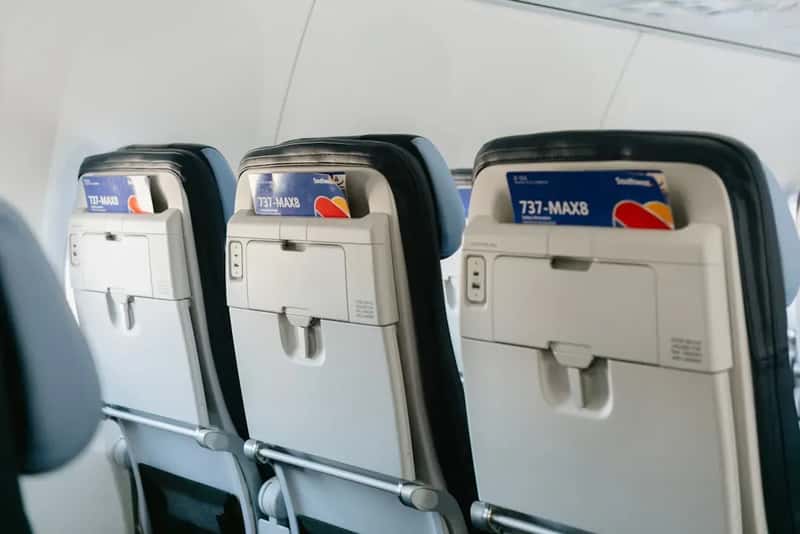
I’ll be honest – this is actually kind of endearing. The new flyer is the one who pulls out the laminated safety card before anyone else, reads it front to back, and watches the flight attendant’s safety demonstration with the focus of a student cramming for a final exam. One of the most effective ways to combat flight anxiety is through education – familiarizing yourself with the basics of aviation, how airplanes work, and the stringent safety measures in place.
Stepping into an airport for the first time can feel like walking into a whole new world filled with bustling crowds, complex signage, and the hum of countless journeys starting and ending – and it’s perfectly normal to feel a mix of excitement and nervousness. The hyper-attentiveness to safety information is a direct result of that feeling of unfamiliarity. A fear of flying can often stem from a fear of the unknown. Reading every single word on that safety card is just the brain’s way of trying to take back a little control in an unfamiliar environment.
Sign #6: They Misread Totally Normal Sounds and Sensations
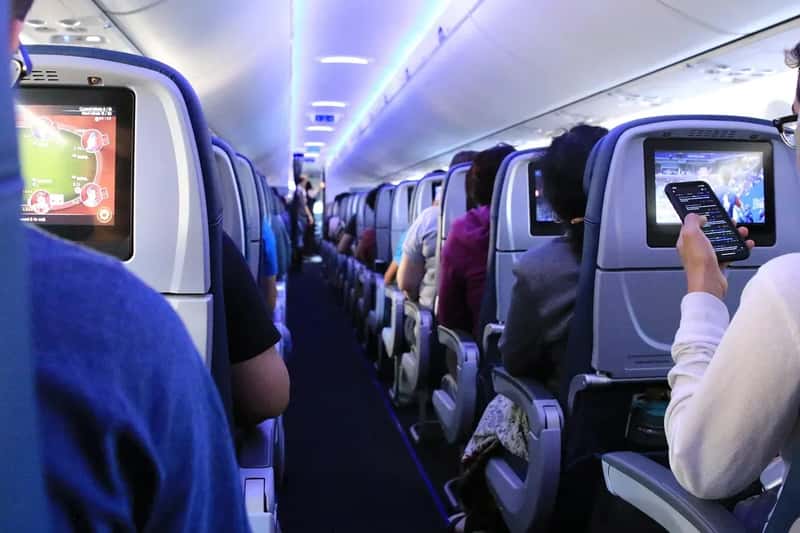
This is perhaps the most reliable sign of all. Every aircraft makes sounds. The landing gear retracting, the flaps adjusting, the engine pitch changing during descent. Experienced flyers don’t even register these noises anymore. Unexpected and unexplained noises can easily set you on edge while up in the air – but being able to identify routine aircraft noises, like cargo doors closing or engine noises changing, can put your mind at ease. The new flyer has none of that context yet, so every clunk and whir is treated like a potential catastrophe.
New flyers may notice the engines become quieter during descent because they are idling or running at low power – and this almost always causes visible alarm. The face goes pale, the eyes go to the window, the knuckles go white. Research confirms that turbulence, unknown sounds, and fear of terror attacks cause the most anxiety among nervous passengers. It’s a deeply human response to novelty. Over time, with more flights, it fades. The first few times, though, it is absolutely unmistakable to anyone watching.
Conclusion
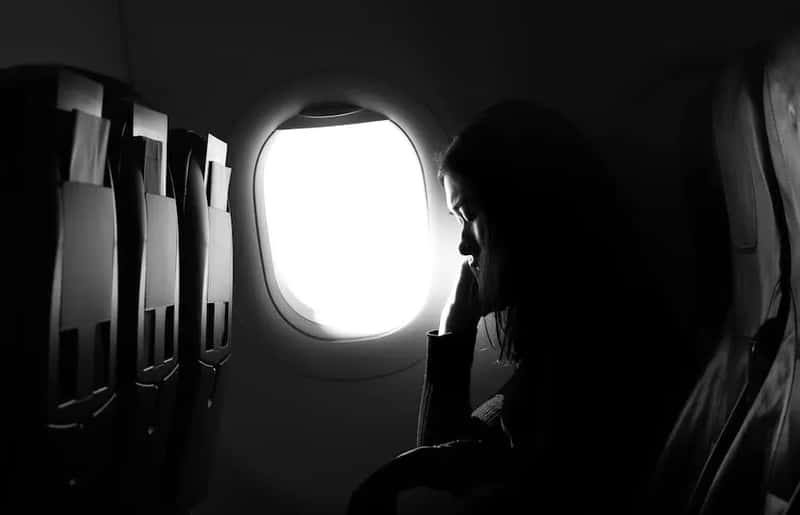
New flyers are not hard to spot – and honestly, there is something refreshing about their honesty. They haven’t learned yet to hide the anxiety behind earbuds and practiced indifference. The fear of flying has been extensively studied for more than 30 years, yet as of 2025, comprehensive research into why it persists remains surprisingly rare. That tells you something. This is not a simple problem with a simple fix.
What ChatGPT got right is that the signs are behavioral, not judgmental. Arriving too early, fumbling at security, gripping the armrest, flinching at sounds – these are just the natural responses of a human brain encountering something new and outside its control. With IATA 2024 data recording just 1.13 accidents per million flights, the objective risk is essentially negligible – yet the emotional response persists regardless. If you spot a new flyer on your next trip, maybe offer a smile instead of a smirk. Everyone was one once.
What sign do you think is the most obvious? Have you ever been spotted as a new flyer yourself? Tell us in the comments.