Picture this: you’ve finally reached the golden years, ready to trade alarm clocks for leisurely mornings. Where will you spend them? With so many states to choose from, it’s hard to know where to even start. I decided to turn to technology for answers, asking ChatGPT to recommend the top 10 states for retirement. The results were intriguing, mixing popular favorites with a few unexpected contenders. Let’s dive in and see what the AI suggested.
1. Florida: The Classic Sunshine State Choice

Honestly, it’d be surprising if Florida didn’t make the list. ChatGPT noted Florida ranks as the second-best state to retire due to its relatively low taxes for retired people, including no estate, inheritance or income taxes. Florida has no state income tax, which means Social Security retirement benefits, pension income and income from an IRA or a 401(k) are all untaxed.
The warm weather and endless beaches have long attracted retirees seeking year-round outdoor activities. Florida has the second-most shoreline miles of any state and also has the second-most adult volunteer activities, fifth-most theater companies, and eighth-most golf courses and country clubs. Still, I have to say, that high cost of living might give some folks pause when crunching the retirement budget.
2. Wyoming: The Surprising Tax Haven
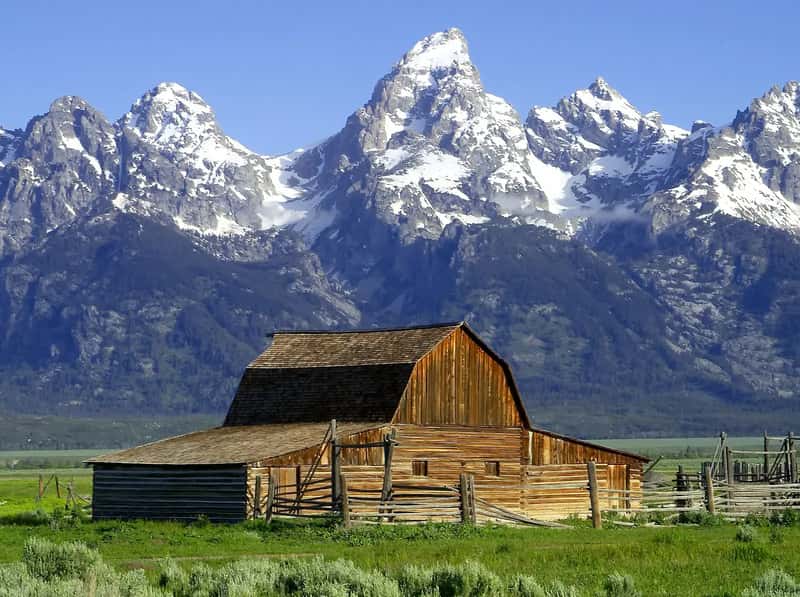
Wyoming is the best state for retirement, in large part due to affordability reasons. The state is considered highly friendly to retired taxpayers, offering the added benefit of no estate or inheritance tax, and has the fifth-lowest annual cost of homemaker services in the nation. For those who’ve never considered Wyoming, this might come as a shock.
The state’s natural beauty is truly breathtaking, from Yellowstone to the Grand Tetons. Wyoming has the 10th-best elder abuse protections in the country, the fifth-lowest violent crime rate, and the 14th-highest percentage of people who do favors for their neighbors. Let’s be real though, those winters aren’t for everyone, especially when you’re trying to escape snow for good.
3. Delaware: The Hidden Gem on the East Coast

Delaware often gets overlooked in retirement conversations, which is a shame. Delaware has no sales tax, no inheritance tax, no estate tax, low property taxes, and offers exemptions on Social Security benefits and pension income. Retirees age 60 or older can exclude up to $12,500 of pension or retirement income from a qualified retirement plan.
Delaware’s coastal towns like Rehoboth, Bethany, Dewey, and Lewes offer seaside living for retirees to enjoy beachcombing, fishing, boating, and more. Plus, the proximity to major cities like Philadelphia and Baltimore means you’re never too far from culture and entertainment. The state consistently ranks as one of the safest states in the nation, giving retirees that important peace of mind.
4. South Dakota: Low Taxes, Big Savings

Here’s one that surprised me a bit. South Dakota made the cut primarily because of its financial advantages. The state has zero personal income tax, which immediately appeals to those living on fixed retirement income. There’s also no tax on Social Security benefits or retirement account withdrawals.
The cost of living is notably lower than the national average, and healthcare is generally accessible and affordable. Think scenic Badlands, Mount Rushmore, and charming small towns where neighbors still wave. The downside? Those brutal winters can be genuinely punishing, especially as you get older and mobility becomes a concern.
5. Colorado: For the Active Retiree

ChatGPT noted Colorado’s pros include its stunning scenery, outdoor recreation, good healthcare and low property taxes. The state is ideal for retirees who want to stay physically active, with hiking, skiing, and countless trails practically in your backyard. Colorado ranks exceptionally high for the proportion of seniors who are in good health and have a physically active lifestyle, and has one of the lowest rates of social isolation among seniors.
Still, there’s a catch: the cost of living. The cost of living is 20.5% more expensive in the state compared with the average in the U.S. That mountain paradise comes with a hefty price tag, especially in popular cities like Denver and Boulder. You might love the scenery, but your retirement savings might not.
6. New Hampshire: Tax-Friendly New England
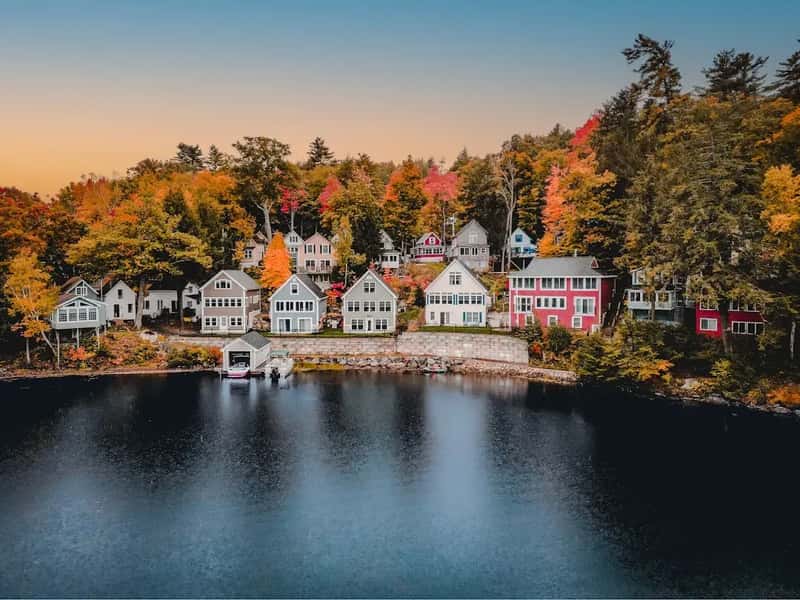
New Hampshire offers something rare: a New England retirement without crushing state taxes. The state has no income tax and no sales tax, which is practically unheard of in the Northeast. New Hampshire scored well across measures of affordability, tax policy and quality of life, and benefited from having no personal income tax and one of the highest average Social Security incomes in the country.
The fall foliage is spectacular, the communities are tight-knit, and crime rates are low. Access to quality healthcare is another major plus. The winters can be harsh, and frankly, if you hate shoveling snow, you might want to reconsider this otherwise charming state.
7. Pennsylvania: Affordability Meets History

Pennsylvania isn’t typically at the top of retirement lists, which makes ChatGPT’s suggestion interesting. The state doesn’t tax retirement income from pensions, 401(k)s, or IRAs, which is a significant financial benefit. Rural areas offer genuinely affordable living, especially compared to coastal states.
Cities like Pittsburgh and Philadelphia provide culture, museums, and excellent healthcare facilities. Small towns throughout the state offer a slower pace with lower housing costs. However, property taxes can be high in certain counties, and those Pennsylvania winters are no joke either.
8. Iowa: Small Town Charm and Low Costs

ChatGPT said Iowa may appeal to retirees because of its low cost of living, great healthcare and safe communities. The Hawkeye State isn’t glamorous, but it’s practical. Housing is incredibly affordable, even in larger cities like Des Moines and Cedar Rapids.
Healthcare is accessible and community-focused, with hospitals that genuinely care about patients. The slower pace of life appeals to many retirees who’ve spent decades in the hustle of big cities. Yet those long, freezing winters are genuinely challenging, especially when ice-covered driveways become a daily battle.
9. Maine: Coastal Beauty with a Price

ChatGPT noted Maine’s pros for retirees were the beautiful coastal and forest areas, along with a low crime rate and good healthcare, though cons include high property taxes and cold winters. Maine offers stunning natural beauty, from rocky coastlines to dense forests perfect for hiking.
The average home value in Maine is $401,109, more than 10% higher than the national average home price of $360,727. That picturesque Portland waterfront or Bar Harbor cottage doesn’t come cheap. If you can afford it, though, the quality of life is exceptional.
10. Arizona: Desert Living and Warmth

Arizona rounds out the list with its dry, sunny climate that attracts retirees year-round. Social Security income is not taxed, there are year-round outdoor activities, a dry climate for those who don’t do well with humidity, and established retirement communities. The state has built an entire infrastructure around retirement, with countless active adult communities.
Healthcare is readily available, especially in Phoenix and Tucson. The desert landscape offers unique beauty, from saguaro cacti to stunning sunsets. Summer temperatures can be extreme, reaching well over 110 degrees in some areas, which forces many retirees to flee north during peak heat months.
Making the Right Choice for Your Retirement

Choosing where to spend your third act has never been more important, as location can determine whether retirement becomes a stable, comfortable chapter or a period of uncertainty. The number of Americans entering their golden years reached a record 61.2 million in 2024, and roughly 18% of the U.S. population is age 65 or older.
ChatGPT’s recommendations blend tax benefits, affordability, healthcare access, and quality of life factors that matter most in retirement. Every state has trade-offs, whether it’s weather, cost, or distance from family. What works for one retiree might be completely wrong for another. The key is understanding your priorities and finding the place that matches them best.
So, which of these states caught your attention? Did ChatGPT’s picks surprise you as much as they surprised me? What matters most to you when thinking about your retirement destination?