For years, Mexico sat at the top of nearly every retirement wish list I made. It had the weather, the flights, the familiar grocery store brands, and a price tag that seemed impossible to beat. Then the numbers started moving, the paperwork got heavier, and the whole calculation quietly stopped adding up.
When Mexico Stopped Feeling Like a Bargain
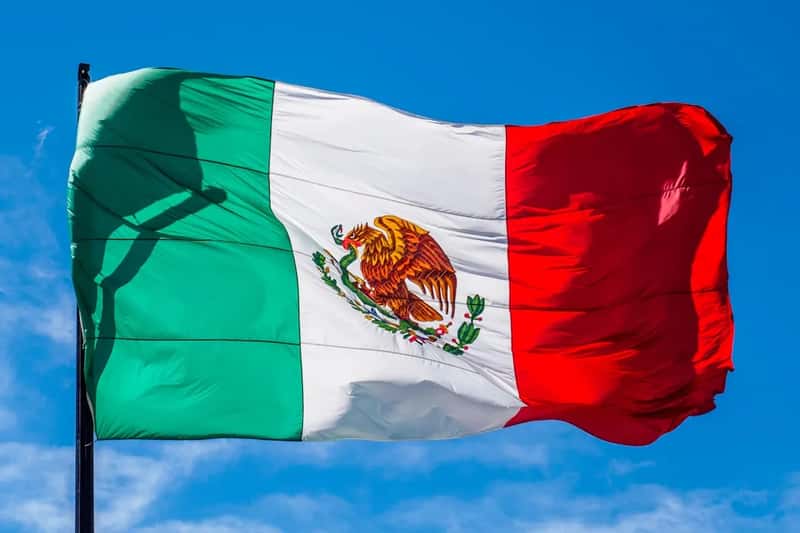
The shift did not happen overnight, but it added up fast. Mexico raised income requirements for residency visas effective January 1, 2026, and temporary residency now requires roughly $4,400 USD per month, up from about $2,800 in 2025. On top of that, Mexico’s Congress passed a law doubling government processing fees for foreign residency cards, with the revised 2026 schedule confirming a one hundred percent increase.
It was not only the money. New rules changed who could even apply from abroad, since under the July 2025 guidelines, only retirees and pensioners can apply for permanent residency directly from abroad on financial grounds. Meanwhile, tension over foreign residents had become impossible to ignore in cities like Mexico City, where rising prices and housing demand in neighborhoods like Condesa and Roma followed a 2022 agreement to attract digital nomads and tourism. None of that made Mexico unlivable, but it made the math a lot less generous than it used to be.
A Second Look at Panama
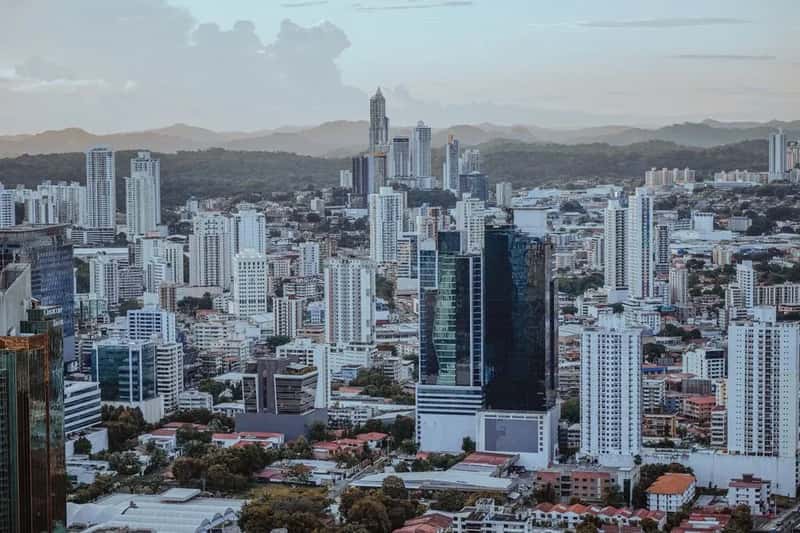
I had dismissed Panama early on, mostly out of habit. It seemed like a country for shipping executives and banking types, not retirees counting Social Security dollars. That assumption did not survive much research.
Panama has spent decades building a system specifically designed to pull in foreign retirees, and it shows in the details. The program has attracted thousands of retirees annually, driven by the country’s dollarized economy and affordable cost of living. What eventually won me over was not one single feature but how many pieces fit together without requiring a lawyer to decode them.
The Pensionado Visa: Residency Without the Renewal Treadmill
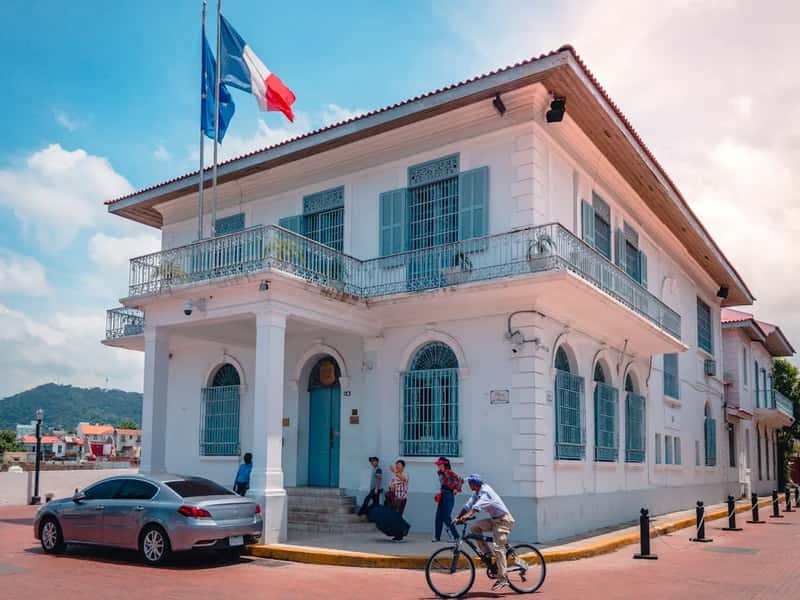
The centerpiece of Panama’s pitch is the Pensionado visa, and it is genuinely different from most retirement residency programs. It requires a lifetime pension or annuity of at least $1,000 USD per month, and the only residency requirement is spending at least one day in Panama each calendar year. There is no age floor either, since there is no maximum age, no minimum age, and no requirement to give up your existing citizenship.
What really stood out was the permanence. Residency is permanent from the day of approval, with no temporary status, no annual renewals, and no conversion process. After comparing that to the multi-year residency ladders required elsewhere, it felt almost too straightforward, though the approval numbers back it up, since the visa reportedly has a 97% approval rate, and almost 2,000 were granted in 2024.
Living in Dollars, Not Guesswork
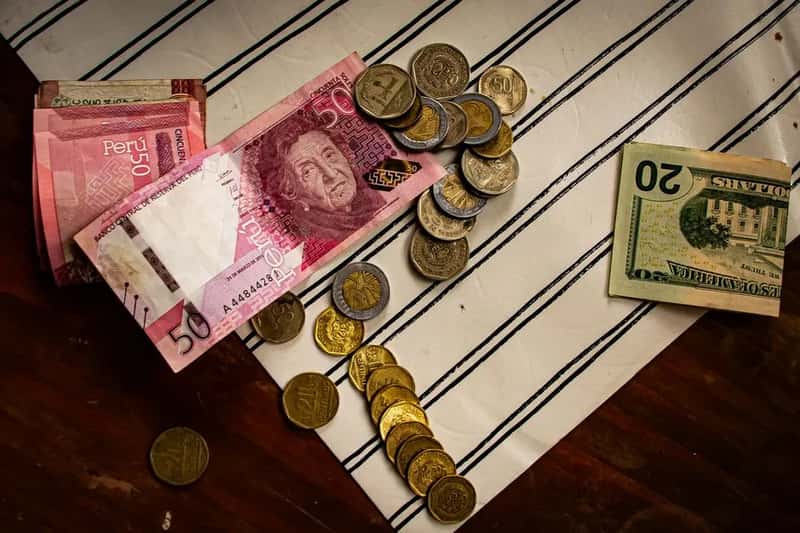
One detail I underestimated at first was currency. Panama does not just accept dollars informally, it is built around them, and the US dollar is Panama’s official currency, pegged 1:1 to the Balboa, meaning American retirees face zero currency conversion risk since Social Security and pension payments arrive and are spent in the same dollars.
That single fact removes a layer of stress that a lot of retirement guides gloss over. Budgeting against a peso, a baht, or a euro means watching exchange rates the way some people watch the weather. In Panama, a dollar from a pension check is worth exactly one dollar at the grocery store, this month and next year alike.
The Discount Law That Actually Works

Panama backs its pitch with legislation, not marketing copy. Under Law 6 of 1987, Pensionados and retirees get some of the world’s strongest legally mandated discounts, including reduced prices on medicines, restaurants, utilities, airline tickets, hotels, and entertainment.
The specifics are more generous than I expected walking in. Discounts include fifty percent off entertainment and Monday through Thursday hotel stays, thirty percent off weekend hotels and public transport, twenty five percent off airline tickets and restaurants, twenty percent off medical consultations, fifteen percent off hospital bills and dental or eye care, and ten percent off prescriptions. These are not coupons that businesses can choose to skip either, since presenting a Pensionado card and resident ID entitles the holder to the discount before the bill is issued, and almost none will apply it retroactively.
Healthcare That Doesn’t Drain a Pension

Healthcare costs were a real worry going in, and Panama addressed that more directly than most countries do. Private insurance for retirees runs between $150 and $350 per month, and Pensionado holders receive a fifteen percent discount on hospital bills and twenty percent on medical consultations.
There is a tradeoff worth naming honestly. Outside Panama City, healthcare options are more limited, with serious conditions requiring a trip to the capital. For anyone settling in a smaller town like Boquete, that means factoring travel time into any long-term health plan rather than assuming a nearby clinic covers every scenario.
Boquete, Coronado, or the City: Picking a Base
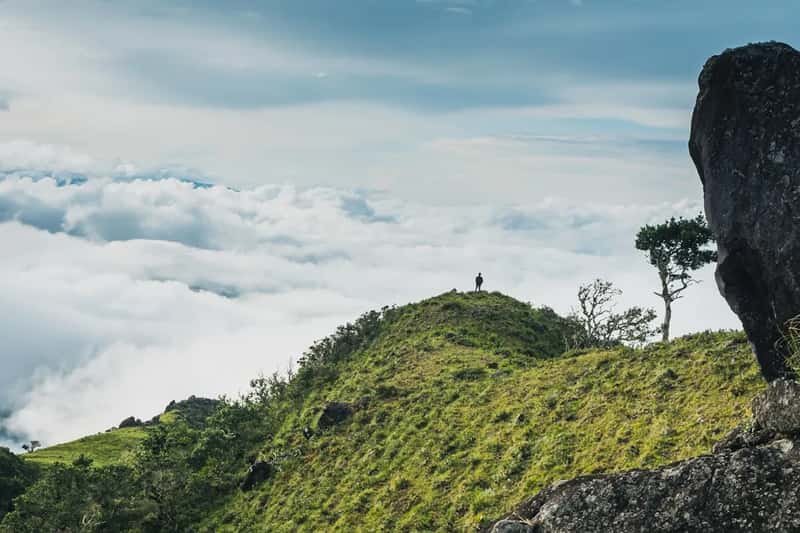
Panama is not one retirement destination, it is several, and each has a distinct personality. Boquete sits in Panama’s highlands at roughly 3,900 feet, which gives it a spring-like climate year-round while the coast bakes, making it popular with retirees who never liked tropical humidity in the first place.
Coastal and urban options exist too, and the community is sizable enough that nobody has to start from zero. Over 25,000 American retirees live in Panama, with top communities in Boquete, Panama City, and Coronado. Safety patterns follow the expat map closely, since retiree areas in Panama are generally safe, with Boquete having a very low crime rate and Coronado and El Valle similarly secure.
What a Month Actually Costs

Numbers matter more than adjectives here, so it helps to look at real budgets. In Boquete specifically, monthly costs average $2,400 per household, covering rent, groceries, and utilities, while more broadly across the country a couple can live comfortably on $2,000 to $3,000 per month.
That range sits comfortably below what most retirees were budgeting for Mexico even before the 2026 changes. It is not the rock-bottom cost of Southeast Asia, where retirees can live comfortably abroad on budgets ranging from $1,500 a month in Thailand or Colombia, but it comes without the currency risk or visa uncertainty attached to those destinations.
Safety, Stability, and the Long View
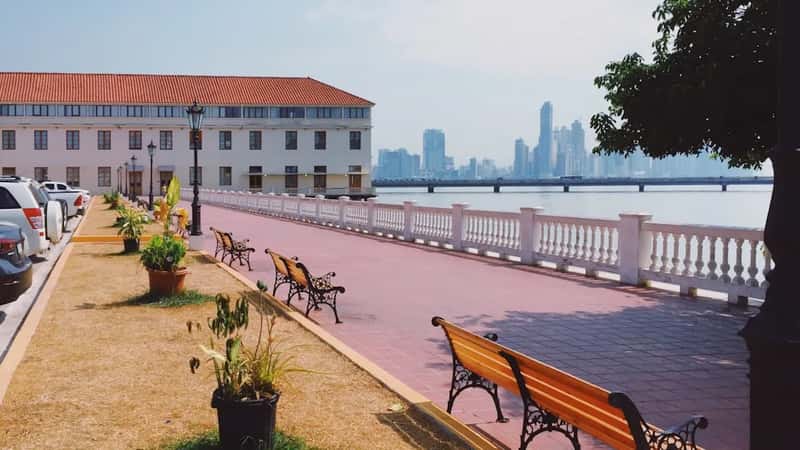
Long-term planning depends on predictability, and Panama has quietly built a reputation for it. The US dollar economy and strong international business presence contribute to political stability, which matters more the further out someone is planning their retirement years.
The path to citizenship is clear as well, rather than vague or subject to shifting rules. Citizenship becomes possible after roughly five years of residence, giving retirees a defined timeline instead of an open-ended waiting game. For anyone who watched Mexico’s rules shift mid-plan, that kind of clarity carries real weight.
Getting Started the Right Way
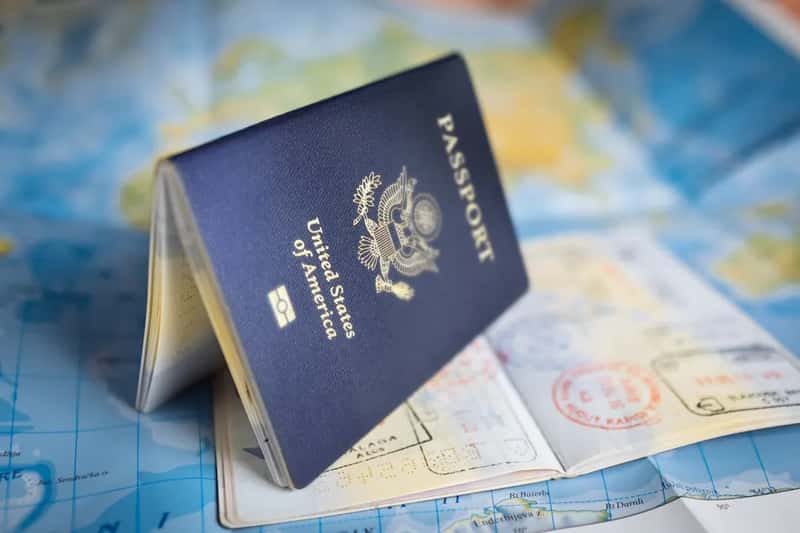
The application process is more structured than casual, and that is by design. All applications must be submitted through a licensed Panamanian immigration lawyer, and the applicant must be physically present, which rules out the do-it-yourself approach some retirees try elsewhere.
Dependents fit into the plan without complicating it too much either. A spouse and unmarried children under 25 who study full time can be included, with each dependent adding $250 per month to the required income and needing apostilled documents. It is not instant, but it is predictable, and predictability turned out to be exactly what I was looking for after watching Mexico’s rules move under my feet.
Final Thoughts

Mexico is still a fine choice for plenty of retirees, especially those already settled in with residency secured before the recent changes. For someone starting fresh in 2026, though, the math looks different than it did even two years ago.
Panama offered something Mexico could not right now: a residency path that does not shift under new applicants every budget cycle, a currency that removes guesswork, and a set of discounts written into law rather than left to a business owner’s mood. That combination is what turned a backup option into the actual plan.