Plenty of travelers treat the boarding time on their pass like a starting gun. They figure that if they reach the gate just as the agent picks up the microphone, they’ve done everything right. On paper that sounds efficient, but it leaves almost no room for the things that go wrong in airports every day.
The “15-minute rule” is the real deadline hiding behind that casual plan. For many airlines, the gate effectively closes about a quarter of an hour before departure, and the time between “boarding starts” and “boarding ends” is shorter than it feels. Here’s what the numbers say, and why a bit of margin matters.
What the 15-Minute Rule Actually Means
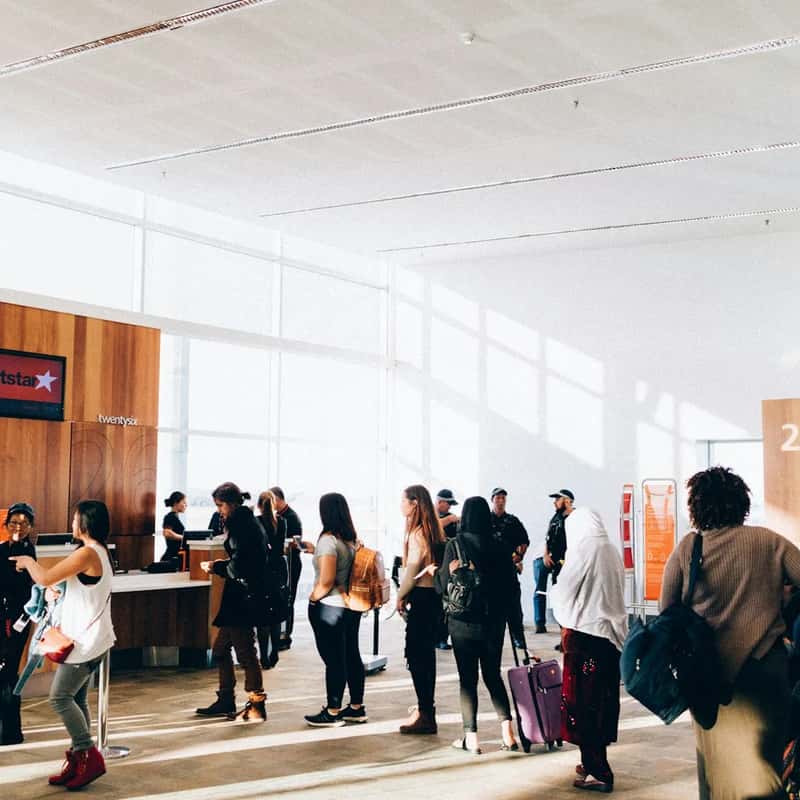
The rule isn’t a law. It’s a common airline policy about when boarding ends. American Airlines states plainly that boarding ends 15 minutes before departure, and a seat may be reassigned if you’re not on board[1]. It also says you won’t be allowed to board once the doors close[1].
Other carriers are in the same neighborhood. One roundup of airline rules notes that Delta has a similar rule, and so does United[2]. Southwest is a bit more generous, since it allows boarding up to 10 minutes before departure but still encourages passengers to be in the gate area 30 minutes ahead[3]. The exact cutoff varies, so always check your own airline’s rules.
Boarding Starts Earlier Than You Think, but Ends Sooner Than You Hope
American says most of its flights start boarding 30 to 50 minutes before scheduled departure[1], depending on destination and aircraft. KLM gives a wider range, saying boarding starts 60 to 25 minutes before departure[4]. Aer Lingus describes roughly 30 to 40 minutes for flights within Europe and 40 to 50 minutes for transatlantic ones[5].
Do the math and the window is tighter than it looks. If boarding opens 35 minutes out and closes at 15, you have about 20 minutes for hundreds of people to walk down the jet bridge. Showing up at the very start puts you right at the front of that window, with nothing in reserve if you hit a snag. Your boarding pass and the airline app list the actual time, so use those instead of guessing.
Why Airlines Close the Door Before Departure Time
It can feel arbitrary when the aircraft is still sitting there. Airlines see it differently. An American spokesperson explained the 15-minute final boarding as giving agents time to unseat misconnects and no-shows and to accommodate standby customers[6]. In other words, your empty seat becomes someone else’s seat.
There’s also an operational reason. One aviation explainer says airlines don’t reopen boarding doors after closing, to keep departures on time, safe and cheaper[7]. After the door shuts, gate agents report passenger counts and ramp agents report baggage counts[7]. That paperwork is part of getting the plane pushed back on schedule, which is why a late arrival gets turned away even when the aircraft hasn’t moved.
The Security Line Is the Real Wild Card
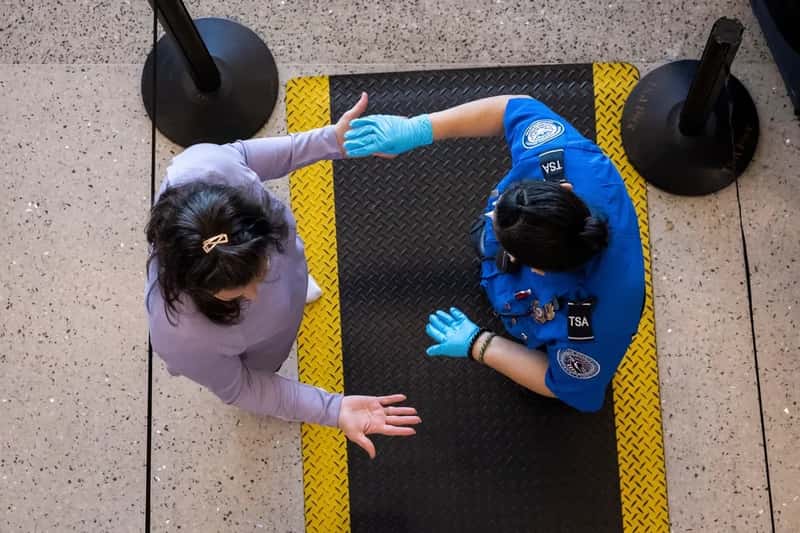
The gate is only the last stop. Getting there means clearing security first, and that’s where plans often fall apart. In March 2026, NPR reported that wait times at major hubs in Houston and Atlanta reached two hours, and New Orleans advised arriving at least three hours ahead[8], all during a Department of Homeland Security shutdown.
Things did improve. One report said Atlanta waits that stretched toward three hours at the height of the March funding lapse fell to just a few minutes at many checkpoints by early April[9]. That swing is exactly the point. Lines can change quickly, and a plan built around arriving at the gate at the last sensible moment assumes everything goes smoothly. Even in calmer times, many travelers clear TSA in 15 to 30 minutes off-peak, while others face much longer queues at big hubs or on holiday and Monday morning rushes[9].
Bin Space and Boarding Groups Reward the Prepared
Here’s a nuance worth admitting. Showing up when boarding begins won’t change which group gets called first. Your group still decides when you walk on. However, the gate area is where the crowd forms, and gate agents start managing bags well before you reach the door.
Overhead space is limited. One guide estimates a typical narrow-body has room for roughly 120 to 150 standard carry-on bags[10], which may not cover a full flight. Another travel writer says that by about Group 8 on some airlines, agents start forcing gate checks because the bins are usually full[11]. Being near the gate and paying attention gives you time to react if an agent announces that bins are filling up. Another guide says agents often start tagging carry-ons for gate check when they expect a full flight[12].
Gate Agents Have Discretion, but It’s Not a Plan
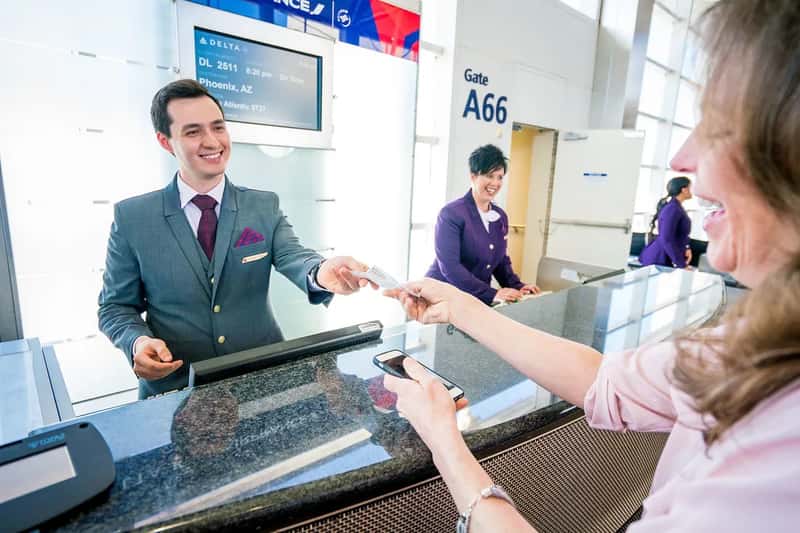
Sometimes a late passenger gets lucky. A Delta spokesperson told The Washington Post that gate agents use their discretion[2] and that the 10-minute window is tied to closing out the flight. That’s the honest truth, and it cuts both ways.
Discretion isn’t a right. An agent who’s busy with standby passengers, a full flight and a tight departure slot has little reason to bend. Another explainer notes that busy airports can’t risk losing a departure slot by lingering at the gate, so airlines build in a buffer of 10, 15 or even 20 minutes[13]. Counting on a friendly agent is a gamble, and the downside is a missed flight.
International Flights Raise the Stakes
Long-haul and international departures tend to have earlier boarding and more paperwork. A travel-gear guide says boarding on international routes often calls for arriving three or four hours ahead, to allow for passport checks, visa issues and customs inspections[14]. KLM advises 2 hours before departure for flights within Europe and 3 hours for intercontinental ones[4] at Schiphol.
Some airlines put the gate deadline in writing. Emirates once told passengers to be at the gate no later than 35 minutes before departure, with gates closing 15 minutes before[15]. That announcement is older, so treat it as an example of how carriers frame it and check current rules. The takeaway holds either way: the gate time and the boarding time aren’t the same thing, and airlines often ask you to arrive earlier than the moment boarding opens.
Don’t Overcorrect: Arriving Absurdly Early Has Costs Too
None of this means you should camp at the airport for five hours. During the 2026 security disruption, the Associated Press reported that Columbus’s John Glenn International Airport warned passengers off arriving hours in advance, saying 90 minutes before departure is all you need[16]. The airport said arriving too early can create longer lines right when checkpoints open[16].
That’s a good reminder that the goal is a sensible buffer, not maximum paranoia. The standard guidance from airports is still fairly consistent. Atlanta’s airport site recommends at least two hours before scheduled departure for domestic travel and three hours for international[17]. Local conditions matter, so check your own airport’s advice, especially during holidays or news-making disruptions.
A Practical Buffer That Actually Works
Start from the gate and work backward. Pick your target as being at the gate at least 30 minutes before departure, which is what several carriers recommend. Alaska, for instance, says passengers should be at the gate, ready to board, no later than 30 minutes before the flight[3]. Then add your security wait, bag drop if you’re checking luggage, and the walk to the gate.
That walk can be longer than people assume. Denver’s airport publishes average walking times from its security checkpoints to gate areas, and they range from about 5 minutes up to around 15 minutes[18] depending on the concourse. Check live wait data where your airport offers it, and keep your phone charged for gate changes. A few extra minutes in your pocket is cheap insurance.
Conclusion
Arriving at the gate when boarding starts isn’t a guaranteed disaster. Plenty of people do it and board without any drama. The issue is that the plan has zero slack, and airports are full of small delays that eat slack for breakfast.
Boarding often opens roughly 30 to 50 minutes before departure, while many airlines stop boarding around 15 minutes out. Treat the time on your boarding pass as the latest sensible moment, not the target. Give yourself the cushion, and the gate stops being a sprint.