
Most Americans picture India as a trip: a couple of weeks, a long flight, a packed itinerary. Living there is a different arrangement. The visas, the budget and the daily routines all work differently.
This article looks at what the move involves in 2026, using current figures where they exist. It covers the real advantages and the parts that take some planning.
Your Money Goes Much Further

Numbeo’s October 2026 estimate for a single person in India is about $290 a month, excluding rent.[1] For a family of four, the estimate is about $1,041 a month, again before rent.[1] Numbeo relies on prices submitted by users, so it works better as a guide than as a quote.
By that same source, overall costs in India run roughly three quarters lower than in the United States, and rent runs about nine tenths lower.[1] Averages hide a lot, though. The big metros cost more than mid sized cities, and imported groceries will cost you more anywhere in the country.
Housing and Monthly Bills Look Very Different

Housing is where the gap is widest. A one bedroom apartment in an Indian city center averages about $147, compared with $1,653 in the US, according to Western Union’s use of Numbeo data.[2] Outside the center, the averages are roughly $92 against $1,349.[2]
Utilities and connectivity are cheap too. Numbeo lists a mobile plan with calls and 10GB or more of data at around ₹338 a month, and unlimited broadband at 60 Mbps or faster at around ₹674.[1] A relocation site’s early 2026 estimate says a furnished three bedroom in a good gated community in Bangalore, Hyderabad or Pune can run ₹35,000 to ₹55,000 a month.[3]
Getting Legally Through the Door

Americans can’t just show up and stay. There’s no visa on arrival and no visa free entry for American passport holders.[4] The usual starting point is the electronic tourist visa, which is applied for online through the government portal.
Fees depend on the season and the length of validity. The 30 day visa costs $10 to $25 depending on the time of year, and the one year version costs $40, plus a bank charge on card payments.[5] Published sources disagree on per visit stay limits and on the five year fee, so confirm both on the official site before you pay. A tourist visa is meant for visiting, so a real move generally means a different category, such as employment, business or student, and long stays may require registering with the foreigners’ registration office.
Taxes Follow You, but There Is a Relief Valve

Moving abroad doesn’t end your U.S. filing duties. For remote workers and freelancers, though, the foreign earned income exclusion can help. For 2026, it lets a qualifying individual exclude up to $132,900.[6] You claim it on Form 2555 after meeting either the bona fide residence test or the physical presence test.[6]
The physical presence test requires 330 full days abroad in any 12 consecutive months.[6] The exclusion has limits. It covers pay for personal services only, so pensions, annuities and Social Security benefits don’t qualify.[7] Few states allow the exclusion at the state level,[8] so check your old state’s rules. A tax adviser who knows both countries is worth the fee.
Paying for Almost Everything With a Phone
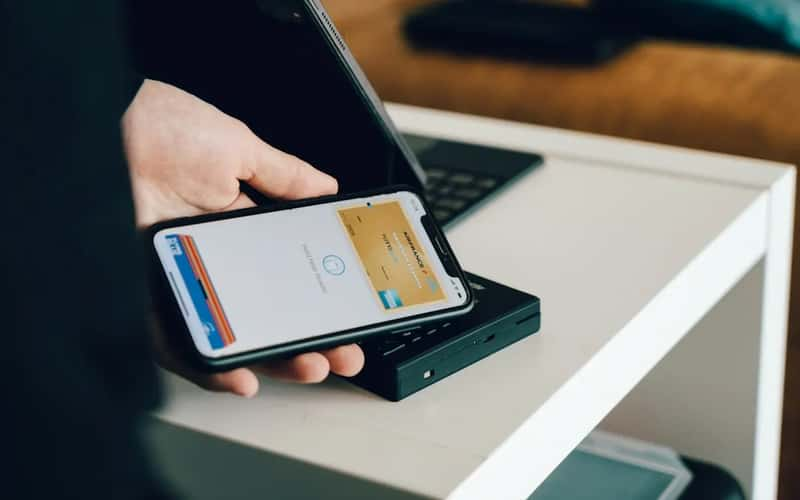
India’s Unified Payments Interface, known as UPI, has changed daily life. It posted its highest ever monthly volume in August 2026, with 24.51 billion transactions.[9] That works out to an average of about 791 million transactions a day.[10]
The system reaches well beyond big stores. The vast majority of payments to merchants are small ticket purchases under ₹500.[11] As of July 2026, 741 banks were live on UPI, up from 21 at launch in 2016.[11] Foreign residents usually need local documents and a suitable visa to open a bank account, so ask your bank what it requires before you count on UPI.
Eating Well and Getting Around for Less

Food is a big part of the appeal. A mid range three course dinner for two costs around $12, compared with $76 in the US.[2] Street food and neighborhood eateries are everywhere, and international restaurants in major cities still cost less than they do in the US.[2]
Local transport is cheap as well. A monthly local transport pass averages about $8, compared with $65 in the US, and taxis run about $0.26 per kilometer.[2] Fuel is the exception, though. Gasoline is listed at about $1.07 a liter in India against $0.93 in the US,[2] so owning a car doesn’t share the same savings.
Healthcare Takes Homework

India has large private hospitals in its major cities, and the country has a dedicated visa category for people traveling for treatment. The medical visa is a 60 day, triple entry visa that costs $80 for U.S. citizens.[12] Quality and pricing vary a lot by city and by hospital, so reputation and accreditation matter.
Insurance deserves early attention. Original Medicare generally doesn’t cover routine care outside the United States, so retirees should look at private international coverage. It’s also sensible to find a trusted doctor, and to understand how emergency care and medical evacuation would work, before you need them.
The Challenges Worth Weighing
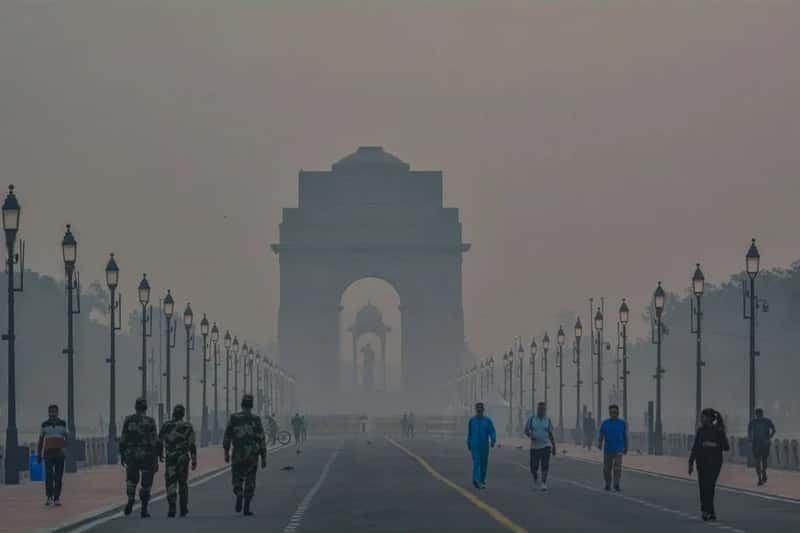
Air quality is the most commonly cited downside, especially in northern cities such as Delhi, where winter smog can be severe. Summer heat and the monsoon season also shape daily life, and a good apartment with reliable power backup and air filtration can matter more than the neighborhood. Researching a city’s seasons helps more than reading general country advice.
Bureaucracy can test your patience, and paperwork often takes longer than you’d expect. Distance matters as well. India is roughly ten hours ahead of the U.S. East Coast, which complicates calls with family and with U.S. employers, and flights home are long.
A Sensible First Step

Many newcomers start with a scouting trip. Bangalore, Hyderabad and Pune are popular with returning NRIs,[3] and each offers a different climate and pace. Spending a few weeks in two or three cities before committing shows you the neighborhoods, the commute and the actual rent.
For that trip, the electronic tourist visa costs $10 to $25 for 30 days or $40 for a year.[5] Confirm the current fee on the official government portal before paying, and keep a six month buffer on your passport. If you plan to work or stay longer, check which visa category fits your situation before you sell or give up anything at home.