Two years ago I sold most of what I owned, packed four suitcases, and boarded a flight to a country I had visited only twice before. Friends back home assumed it was a temporary adventure, something to write about for a year and then quietly reverse. It wasn’t. What started as a curious experiment turned into a permanent move, and along the way I picked up a long list of reasons why more Americans might want to look at India the same way I eventually did.
None of this is a sales pitch. India has real friction points, and I’ll get to those honestly later on. But the case for at least considering the move is stronger than most people realize, and it rests on facts you can check rather than vague enthusiasm about spirituality or spice markets.
The cost of living gap is bigger than you’d guess

Most Americans assume India is cheaper. Few realize by how much. Comparative cost of living data puts the cost of living in India at 72% cheaper than in the United States[1], based on tens of thousands of price points collected from residents in both countries.
Other independent trackers land in a similar range, with one detailed comparison finding that the average cost of living in India, at $409, is 84% less expensive than in the United States, at $2522[2]. Rent tends to drive most of that gap, since a comfortable apartment in a major Indian city often costs a fraction of the equivalent in an American metro. Even accounting for lower average local salaries, the math frequently works out favorably for anyone earning U.S. dollars, remote income, or a pension.
Health care that doesn’t require a crowdfunding page

The American healthcare conversation follows you everywhere, and it was one of the first things I stopped worrying about after the move. Private hospital treatment in India runs dramatically lower than in the U.S., with industry data showing that the cost of medical procedures in India is about 60 to 90% lower than in the United States, without compromising on quality[3]. A widely cited example makes the point sharply: a heart bypass surgery that costs upwards of $100,000 in the U.S. could cost as low as $5,000 in India[3].
The quality question comes up often, and it’s fair. According to KPMG figures reported by one industry outlet, a knee replacement that costs between $14,000 and $16,000 in destinations like Thailand or Singapore, and upwards of $50,000 in the U.S., runs approximately $6,600 in India[4]. Several Indian institutions, including facilities in New Delhi and Chandigarh, have appeared on recent global rankings of top hospitals, which tells you the quality isn’t an afterthought bolted onto low prices.
The OCI card makes staying long term genuinely simple

If you have Indian heritage anywhere in your family tree, the Overseas Citizen of India card changes the entire calculus. It does not grant Indian citizenship, but it removes almost every practical headache that comes with living abroad long term. Applicants keep their American passport entirely, since the most appealing aspect of OCI is that it allows individuals to maintain their foreign citizenship, including U.S. citizenship, while enjoying many of the rights granted to Indian citizens[5].
On the ground, that translates into real freedom of movement and commerce. OCI holders can enter India multiple times without applying for a visa, with no restrictions on the number of visits or length of stay[6], and they are treated similarly to Non-Resident Indians when it comes to economic activities like business ownership, investment, and opening bank accounts[5]. For anyone without Indian ancestry, standard employment or business visas still work, just with more paperwork and renewal cycles to track.
A fast growing economy with real opportunity attached
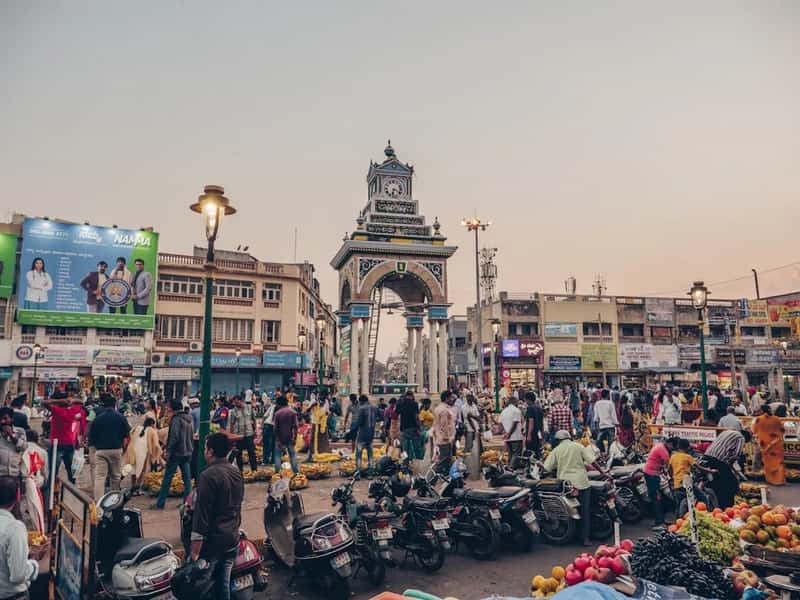
India isn’t just cheap, it’s building something. Recent projections put the country’s economic expansion at GDP growth projected at 7% in 2025, with opportunities in tech, fintech, and manufacturing abounding[7]. That kind of growth rate, sustained over several years now, has pulled global companies into cities that barely had a tech presence a decade ago.
Americans have noticed. One industry survey found that expat numbers rose 15% in 2024[7], a signal that the appeal isn’t limited to retirees or people chasing lower rent. Startups, consulting firms, and multinational back offices are actively hiring foreign talent with specialized skills, particularly in software, design, and finance, which means a move doesn’t have to mean stepping away from a career.
Taxes are more manageable than most people assume

The word “taxes” scares off a lot of would be movers before they even look at the details, and I understand why. The reality is more workable than the fear suggests. American citizens abroad still file annually, since anyone whose worldwide gross income exceeds $16,100 for single filers, or $32,200 for married couples filing jointly, must file a U.S. return[8].
What softens the blow is the overlap between the two systems. Filers can claim a Foreign Tax Credit for income taxes paid to India, which provides a dollar for dollar reduction in U.S. tax liability for foreign taxes paid[8]. Combined with the Foreign Earned Income Exclusion, most working expats end up owing little or nothing extra to the IRS, though a qualified cross border accountant is worth the fee to get the filing right.
Every city offers a completely different version of India
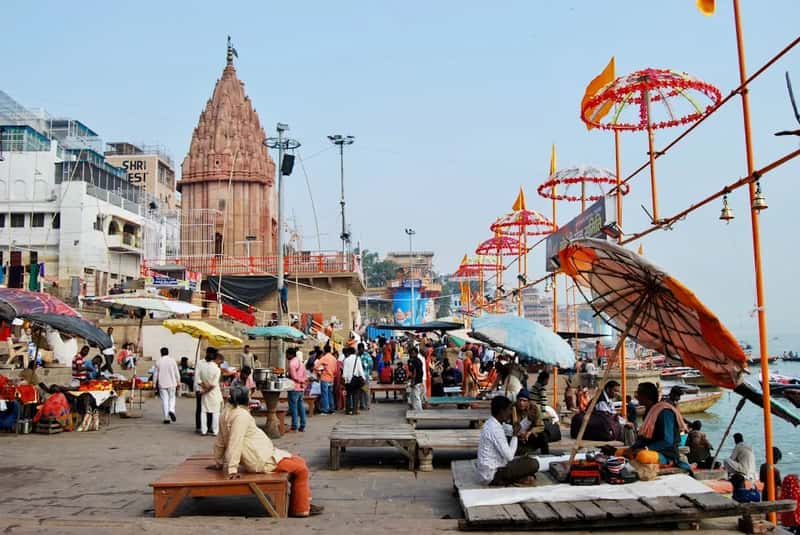
One of the most disorienting things about researching this move is realizing that “living in India” means almost nothing on its own. The country’s regional variety runs deep, and expat guides tend to describe it in almost contradictory terms depending on the city. As one detailed guide puts it, one person’s India is daily traffic in Bengaluru, another’s is evenings by the sea in Chennai, while someone else experiences a completely different pace of life in Hyderabad or New Delhi[9].
Bengaluru tends to draw the tech crowd for practical reasons, since English is widely used in professional settings, the climate is generally milder than many other major Indian cities, and established expat communities can make the transition easier[9]. Mumbai pulls a different type of person entirely, one drawn to fast paced city life and careers in finance, consulting, media, and business, in a lifestyle that rarely slows down[9]. Choosing the right city before you choose to move at all is arguably the single most important decision in the whole process.
Household help changes the daily rhythm of life

This one surprised me more than almost anything else. In the U.S., hiring regular help for cooking, cleaning, or childcare is a luxury reserved for a narrow slice of households. In India, it’s ordinary, woven into middle class life in a way that reshapes how much free time a working person actually has.
The affordability comes directly from the same cost gap that shapes rent and groceries. A full time cook, a part time cleaner, and occasional driver support are all financially realistic on a salary that would barely cover rent alone back home. It doesn’t make anyone lazy so much as it frees up hours that used to disappear into errands, hours that can go toward work, family, or simply resting.
Food, festivals, and a culture that never runs out of layers

India’s food alone could justify a move for some people, and I say that as someone who arrived thinking I already understood Indian cooking from restaurant menus back home. Regional cuisine varies so sharply from state to state that a meal in Kerala and a meal in Punjab can feel like they come from two different countries entirely. Street food, home cooking, and fine dining all exist at price points that make regular exploration painless.
Festivals add another dimension that’s hard to explain until you’ve lived through one. Diwali, Holi, Onam, Durga Puja, and dozens of regional celebrations turn entire cities into shared public experiences rather than private holidays observed behind closed doors. Living there means these events stop being things you read about and start being things that reroute your weekend plans, sometimes with very little warning.
A large, established expat and diaspora community already exists

Moving somewhere entirely new is easier when you’re not actually the first person to try it. India’s foreign resident population, particularly in tech and business hubs, has grown steadily enough that support networks, social groups, and practical advice channels already exist before you land. Comparative country data even measures this directly, with one source scoring India’s expat friendliness in terms of community size, ease of integration, and infrastructure[10] relative to other relocation destinations.
Beyond the expat circuit, there’s the much larger and older Indian American connection running in the opposite direction. Millions of Indian Americans maintain family ties, property, and business interests in India, which means most newcomers can find at least one person, even a distant acquaintance, who already knows the ropes. That kind of informal safety net matters more during the first few months than almost any amount of online research.
What nobody warns you about until you’ve lived it

None of this works as an honest article if it skips the friction. Bureaucracy in India can move at its own pace, and cultural guides for newcomers consistently flag it. One relocation resource notes plainly that one significant cultural difference is the approach to time, since in many parts of India the concept of time can be more fluid than what expats might be used to[11]. Deadlines, appointments, and paperwork timelines that feel firm in the U.S. often turn out to be more like suggestions.
Traffic, air quality in the largest cities, and the learning curve of navigating a new tax system on top of an old one are real costs, not minor inconveniences. Anyone weighing the move should treat these as planning problems to solve rather than reasons to dismiss the idea outright. The people who adjust well tend to be the ones who research their target city carefully, budget extra time for anything involving government offices, and stay flexible about how a “normal day” is supposed to look.
Weighing the decision honestly
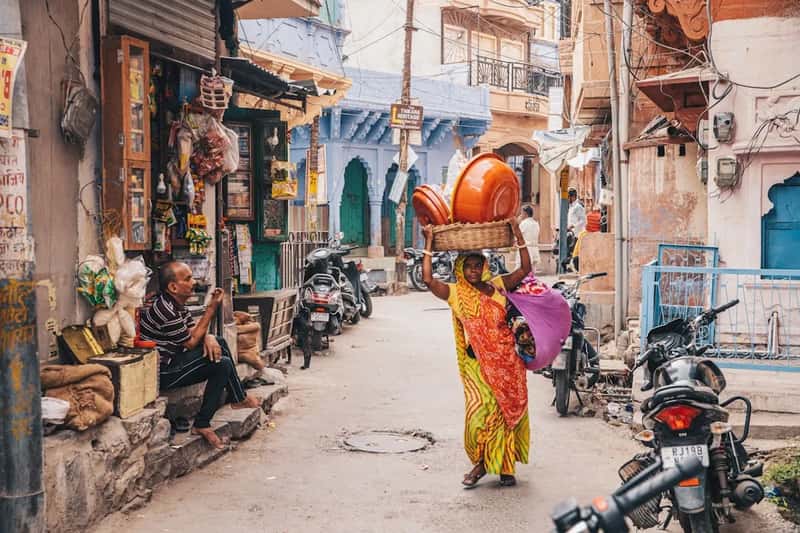
Moving to India isn’t a universal answer, and it was never meant to be one. It fits people with remote income, flexible careers, family ties, or simply a strong appetite for a different pace of life more than it fits everyone equally. The financial case is measurable and well documented, the healthcare savings are real, and the day to day texture of life changes in ways that are hard to fully explain until you’ve lived through a few seasons there yourself.
What I’d tell anyone seriously considering it is the same thing I wish someone had told me earlier. Visit first, pick a city that matches your actual lifestyle rather than a romantic idea of the country, and go in with eyes open about the parts that will test your patience. The reasons to consider it are solid. Whether they add up to a full move is a question only you can answer, city by city, budget by budget.