The answer took about four seconds. The doubt has lasted a lot longer. A flat no feels decisive in the moment, then it sits there, and you start wondering whether you reacted to facts or to headlines.
Mexico is a hard country to judge from a distance, and 2026 gave people plenty to read. I went back through the official advisories and the tourism figures to see what they say.
Why a Simple No Rarely Stays Simple
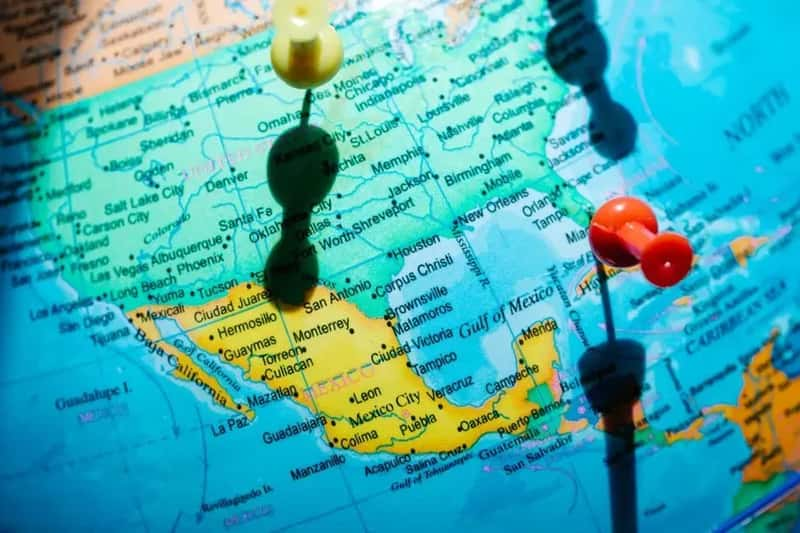
Most of us decide about Mexico the way we decide about any big, famous place. We rely on a few images, a few news alerts, and the opinion of whoever spoke last. That’s a thin basis for a decision about a country with 32 states.
Looking at the paperwork changed the question for me. It stopped being “Is Mexico safe?” and became “Which part of Mexico, and when?” That’s less dramatic and more useful.
What the Official Advisory Actually Says
The U.S. State Department reissued its Mexico travel advisory on May 29, 2026, and the country overall remains at Level 2: Exercise Increased Caution.[1] The advisory cites terrorism, crime and kidnapping.[2]
The country level is only the cover page, though. The department issues a separate advisory for each of Mexico’s 32 states, on a scale of one to four.[1] One summary of the update argues that the state level rating matters more than the country headline.[1]
The Six States Nobody Should Be Debating
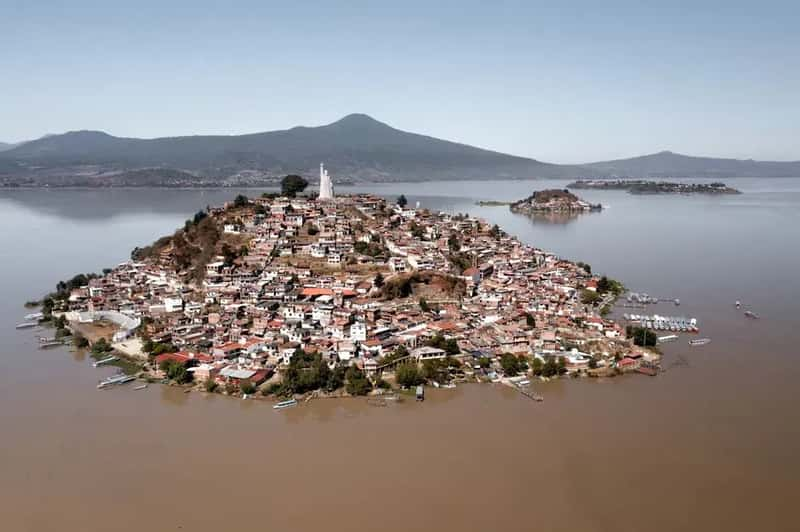
Some places aren’t a judgment call. As of the May 29, 2026 advisory, the six Level 4 Do Not Travel states are Colima, Guerrero, Michoacán, Sinaloa, Tamaulipas, and Zacatecas.[1] These should be avoided for leisure travel.[1]
It matters that some well known beach names sit inside those states. One state by state guide notes that Acapulco, Manzanillo and Mazatlán are all in Level 4 states because of cartel activity.[3] A trip described only as “the Pacific coast” could land in very different territory depending on the town.
Where the Popular Destinations Land
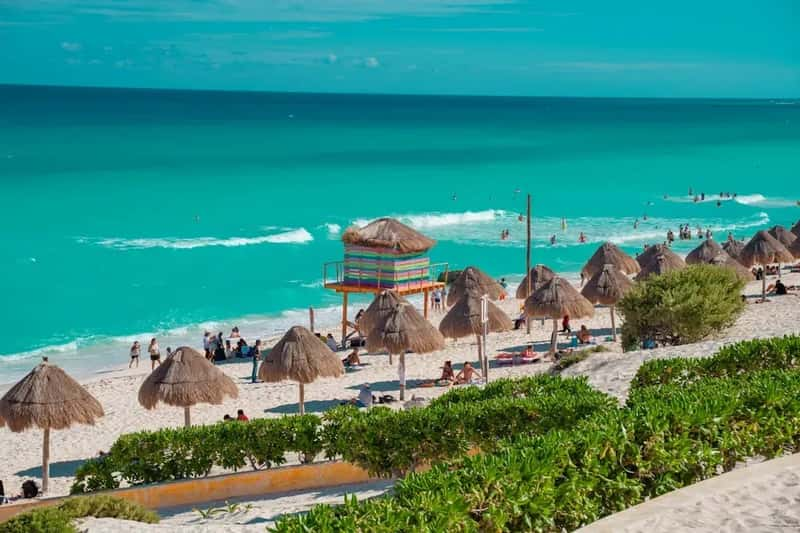
The places most visitors picture are rated more mildly. The State Department keeps Quintana Roo, home to Cancún, Playa del Carmen and Tulum, at Level 2.[4] Mexico City is also Level 2, while Yucatán and Campeche are Level 1.[5]
Level 2 isn’t a free pass, though. One travel guide points out that the advisory notes shootings between rival gangs have injured bystanders, and that crime happens in tourist and non tourist areas alike.[6] The rating says “be careful,” and it means it.
The Jalisco Wrinkle and the World Cup Factor
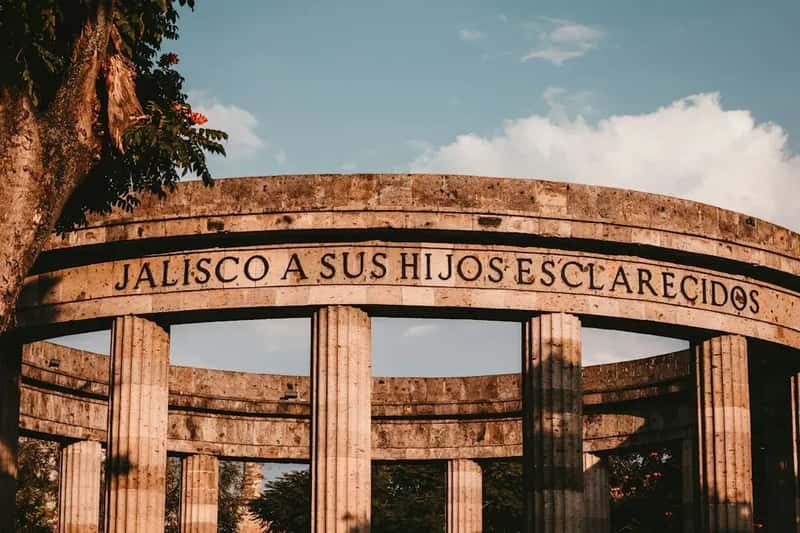
Jalisco is where my hesitation got more specific. The state, home to Guadalajara, was designated Level 3, Reconsider Travel.[2] The advisory says battles between criminal groups have happened in tourist areas of Guadalajara, and that shootings have injured or killed innocent bystanders.[7]
The picture isn’t one sided, either. The same advisory adds that there are no restrictions on travel in the Guadalajara Metropolitan area.[7] Context matters too. More than 70 people, including 25 members of Mexico’s National Guard, were killed in Jalisco after an operation that led to the death of cartel leader El Mencho in February 2026.[8] Mexico then hosted thirteen World Cup matches across three cities between June 11 and July 5.[4]
Why Record Crowds Don’t Settle It
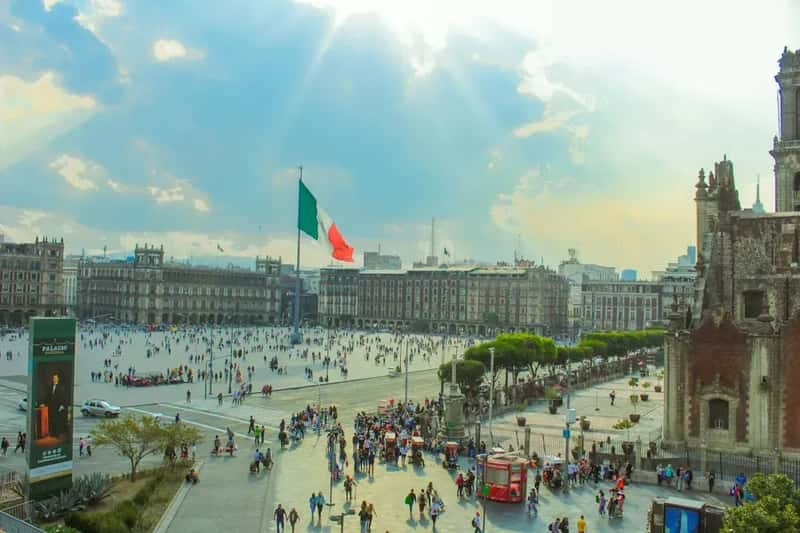
Millions of people clearly said yes. Mexico’s international tourism reached 98.2 million visitors in 2025, a 13.6 percent increase over the year before.[9] About 47.8 million of them spent at least one night in the country.[9]
The momentum carried into this year. One statistics roundup reports that Mexico received 59.71 million international visitors in the first seven months of 2026, about seven percent more than a year earlier.[10] Those numbers show demand and, indirectly, that most trips go fine. They can’t tell me whether my particular trip would have.
What Other Governments Say
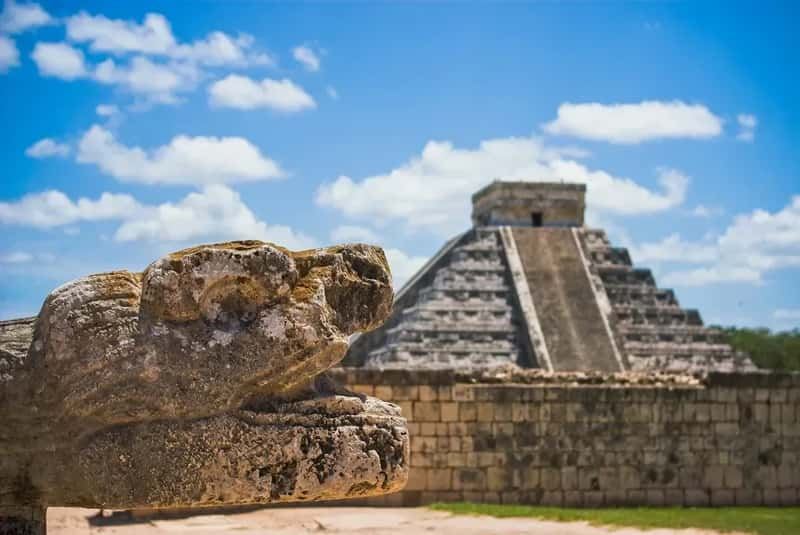
It helps to read a second opinion. Australia’s Smartraveller service, still current as of November 8, 2026, continues to advise a high degree of caution in Mexico overall because of the threat of violent crime.[11] It also advises reconsidering travel to Chihuahua, Sinaloa, Guanajuato, Sonora, Colima and Chiapas.[11]
That list doesn’t match the American one exactly, which tells you these ratings involve judgment. Australia’s advice also says violent crimes occur in many popular tourist areas, including Cancun, Playa del Carmen, Tulum, Tijuana and Puerto Vallarta.[11] It adds that crime on intercity buses and highways is common, and violent carjackings have increased.[11]
The Practical Precautions That Might Have Changed My Answer
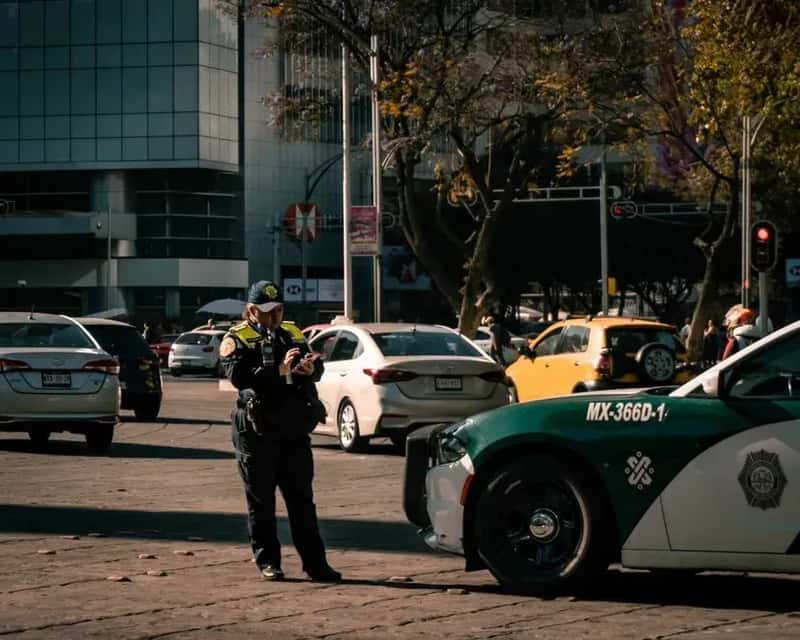
Much of the official advice is oddly mundane. The State Department tells travelers to avoid traveling between cities after dark, to use dispatched taxis or app based ride services, and to avoid traveling alone in remote areas.[2] Australia adds a warning that criminals posing as police officers have committed sexual assault, extortion and robbery.[11]
Smaller things count too. Petty crime such as pickpocketing is common in tourist areas.[12] Hurricane season runs through November 30,[5] so timing a trip matters. One guide also reports that Mexico added metal detectors at Teotihuacan and four other major archaeological sites after an April 2026 shooting there.[5] And Mexico changed visitor permits in 2026, so officials now generally set the length of stay based on a traveler’s stated plans instead of automatically granting 180 days.[4]
Final Thoughts
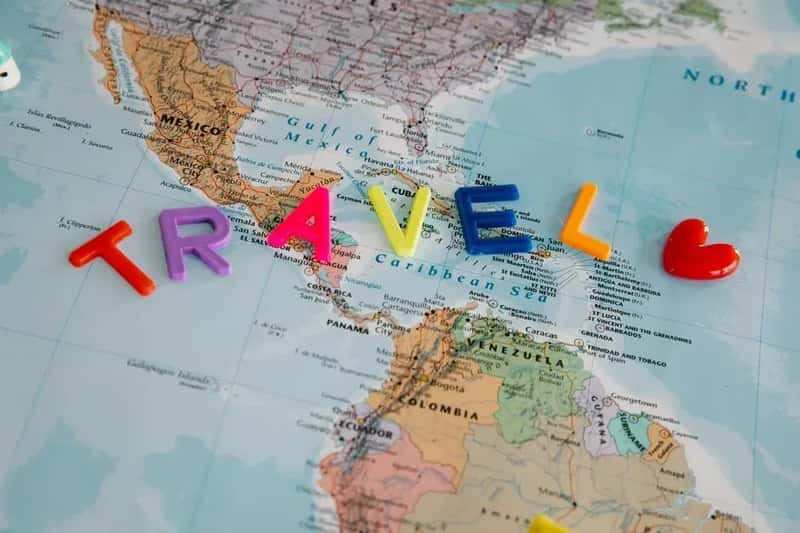
The record doesn’t describe one Mexico. Most popular destinations sit at Level 2 or lower, Jalisco is Level 3, and six states are Level 4. The national rating of Level 2 hides all of that.
My no was about a trip I hadn’t defined yet, which is probably why it’s still bothering me. A specific place, a specific season, and a plan that avoids the highways after dark would be a different question. Whether the answer changes is up to me, but at least now I know what I’d be answering.