Ten years. Thousands of bookings. Hundreds of clients staring at their final travel bills in absolute disbelief. Working as a travel agent for a decade taught me one thing above all else: the travel industry is masterfully designed to separate you from your money, often before you even realize what’s happening.
Honestly, most travelers don’t read the fine print. They see a low advertised price, get excited, and click book. By the time they arrive at the airport or check into their hotel, they’ve already lost. The good news? Every single one of these fees is avoidable, if you know what to look for. Let’s dive in.
Fee #1: Airline Baggage Fees That Sneak Up on You
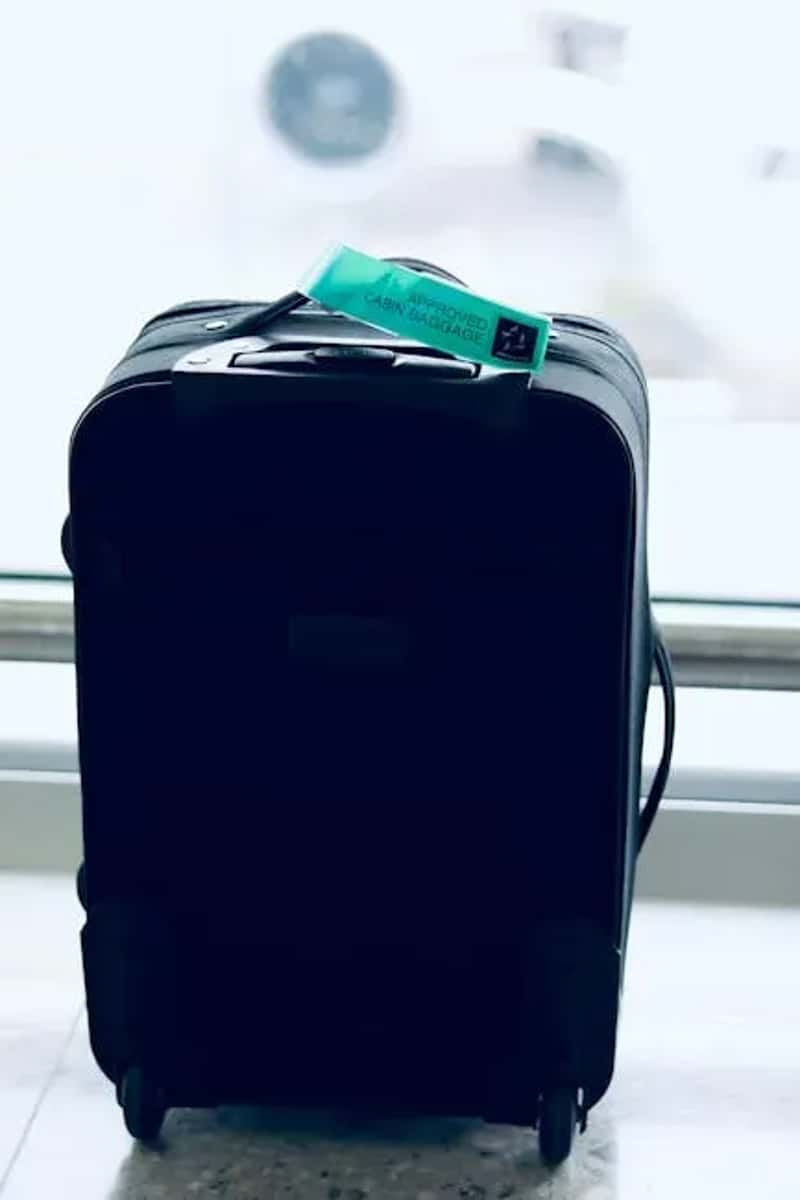
Let’s be real, baggage fees are no longer a minor inconvenience. They are a multi-billion dollar industry within an industry. In 2024, airline passengers in the United States paid a record $7.27 billion in checked baggage fees, according to the Bureau of Transportation Statistics. That number should stop you in your tracks.
Some of the most aggressive baggage fee collectors relative to passenger volume are ultra-low-cost carriers. Frontier Airlines brought in $861.6 million, while Spirit Airlines generated $774.7 million. These airlines often offer low base fares and charge for nearly every add-on, deriving a significant portion of their revenue from checked and carry-on bag fees. So that $49 base fare you’re celebrating? It rarely stays that way.
In 2024, American Airlines raised its fee for a first checked bag from $30 to $35. JetBlue introduced dynamic, surge-style pricing for baggage fees, similar to ride-share pricing models, which adjust costs based on travel demand and peak periods. Think about that for a second. Variable baggage fees. Like Uber surge pricing, but for your suitcase.
The fix is simple. Pack a carry-on that fits the size limits, check whether your credit card covers free checked bags, or fly on routes and carriers where bag inclusion is part of the base fare. Doing just a bit of research before booking can save you $35 to $70 each way, easily.
Fee #2: Hotel Resort Fees Disguised as Amenities

I can’t tell you how many times a client called me furious after their “affordable” Vegas hotel room ended up costing nearly double the rate they saw online. Resort fees are the sneakiest trick in the hospitality playbook. Resort fees are mandatory daily charges that hotels add on top of your base room rate, supposedly to cover amenities like pool access, Wi-Fi, gym usage and other facilities. These fees can range from $15 to $50 per day.
The hotel and resort industry faces widespread criticism for the variety of junk fees it imposes on consumers, costing Americans an estimated $3.4 billion a year. Hotels that charge resort fees add an average of nearly $40 a night to consumers’ stays for often basic amenities like parking, Wi-Fi, and local phone calls. That is not pocket change over a five-night trip.
Two hotels in Florida have resort fees of over $100 per day. Many hotels in Las Vegas advertise room rates that are lower than the resort fee, causing the total price to be more than double the advertised price. It’s basically a second room rate hiding in plain sight.
The U.S. Federal Trade Commission passed a rule requiring ticket sellers, hotels and vacation rental sites to disclose total prices, including fees upfront, prohibiting them from concealing add-on charges until the last minute. Pressure is building, but for now: always search the total nightly cost, not the headline rate. A $99 room that actually costs $145 after resort fees is no bargain.
Fee #3: Airport Currency Exchange Fees
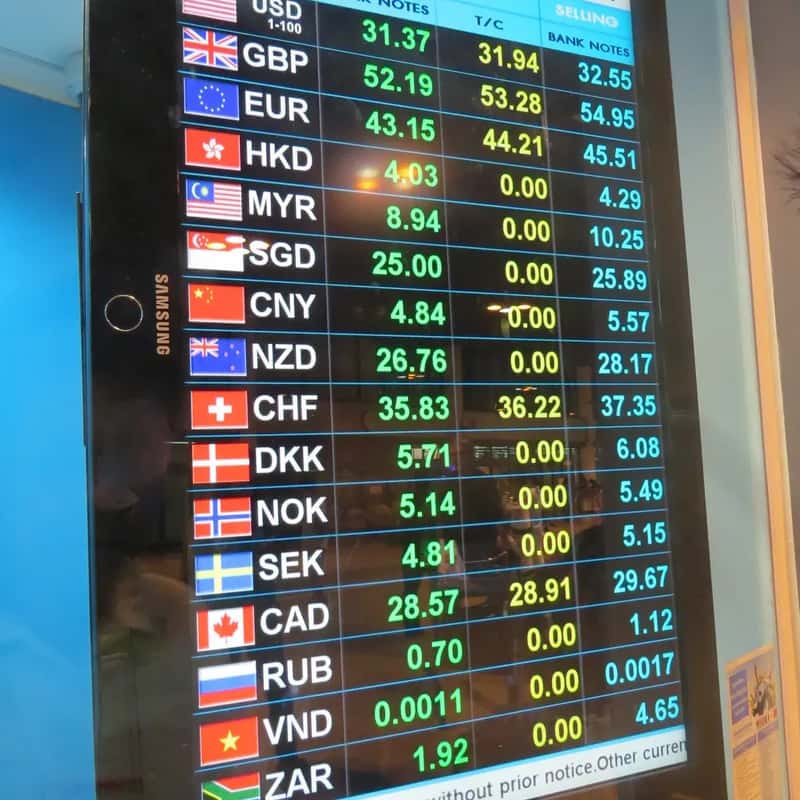
Here’s the thing about airport currency exchange kiosks: they count on travelers being stressed, rushed, and just desperate enough to hand over their money without asking questions. I’ve watched clients lose hundreds of dollars this way on international trips. It’s painful to see.
It’s not uncommon to see airport exchanges charging 14% more than the current International Monetary Fund (IMF) exchange rate. NerdWallet even found some premiums exceeding 17%. Some also charge additional fees on top of the poor exchange rate. Imagine exchanging $1,000 and immediately losing $170. That’s a meal, a museum, a whole day of your trip, gone.
Airport kiosks and tourist-area exchanges often mark up 8 to 10 percent or more. This difference may mean getting significantly less foreign currency for your dollar compared to what a bank offers. Some booths even advertise “no fees” while quietly building the cost into an unfavorable exchange rate. Even if an exchange booth advertises “no fee,” the cost is often built into a weaker exchange rate, which means you’re still paying a commission.
The smarter move is to order foreign currency through your bank before you leave home, or simply use an ATM abroad with a low-fee debit card. Most banks offer currency exchange services that beat airport rates by 5 percent or more. Working with your bank before departure not only saves money but provides peace of mind. You’ll know exactly how much foreign currency you’re getting, without surprises from hidden fees or unfavorable exchange rates.
Fee #4: Third-Party Booking and OTA Service Fees

Online Travel Agencies can be incredibly useful tools, especially for comparing prices across dozens of airlines and hotels at once. I used them constantly in my work. The catch is that many of them quietly layer in their own service charges, and most travelers never notice until it’s too late.
Some online travel agencies add service or booking fees ranging from $5 to $50 per ticket, especially for flights or last-minute bookings. That doesn’t sound like much on a single booking, but multiply it across a family of four on a round trip and you’re staring at a very real extra cost. It also matters when things go wrong. Refunds and cancellations handled through third-party platforms can turn into a nightmare of back-and-forth between the OTA and the airline, with your money stuck in limbo for weeks.
A final rule from the U.S. Department of Transportation was designed to save consumers over half a billion dollars each year in expensive, unexpected fees by requiring airlines to make costs clear upfront. The rule requires airlines and ticket agents to tell consumers what fees they charge for a first or second checked bag, a carry-on bag, and for canceling or changing a reservation. This helps consumers avoid unneeded or unexpected fees that can increase quickly and add significant cost to what may, at first, look like a less expensive ticket.
My honest advice: use the OTA to research and compare, then book directly through the airline or hotel website. Direct bookings often come with better refund flexibility, clearer fee disclosures, and access to loyalty program benefits that third-party bookings don’t honor. It’s a small step that can save you real money and a massive headache.
Fee #5: Unnecessary Travel Insurance Upsells

Travel insurance is not a scam. Let me be clear about that. I’ve seen it save clients from catastrophic losses. The problem is that many travelers are sold overpriced, poorly tailored policies at the point of booking, often without fully understanding what they’re actually paying for or what the policy actually covers.
Travel insurance can cost roughly between five and ten percent of a trip’s total cost, and some policies offer limited coverage unless carefully reviewed. That’s a meaningful chunk of your travel budget. It’s hard to say for sure how many travelers actually end up using their policies, but the premiums add up fast across the industry. More troubling is that many basic economy fares sold through OTAs come bundled with expensive insurance options set to “opt in” by default. Many buyers don’t even realize they’ve purchased it.
DOT’s Bureau of Transportation Statistics data shows that airline revenue from baggage fees increased by more than 30 percent between 2018 and 2022, while their operating revenue grew at less than half that pace in the same period. As part of the rulemaking process, DOT determined that extra fees have become more complex over time and continue to confuse passengers, requiring additional action by the Department. Travel insurance upsells are very much part of that complexity.
Before you add any insurance at checkout, pause. Check whether your credit card already includes trip cancellation or delay protection. Review what your existing health insurance covers abroad. Then, if you truly need a policy, compare options independently through dedicated insurance comparison sites rather than accepting the pre-loaded option from your booking platform. A little research can cut that cost significantly while actually getting you coverage that fits your real needs.
The Bottom Line: Your Wallet, Your Rules
After a decade in the travel industry, I can tell you that these fees are not inevitable. They feel that way because the system is designed to make them feel that way. Rushed, excited travelers are exactly who these charges are built for.
The FTC estimates that its Junk Fees Rule will save consumers up to 53 million hours per year of wasted time spent searching for the total price for live-event tickets and short-term lodging. Regulation is slowly catching up, but it won’t protect you completely, at least not yet.
The real power is still in your hands. Slow down before you book. Read the total price, not just the headline number. Check your credit card benefits. Order your currency before you fly. Skip the airport kiosk. Verify what your travel insurance actually covers. These are not complicated moves. They’re just the habits that informed travelers build over time.
The global travel industry is enormous, and fees fuel a massive portion of its profits. Every time you pay one you don’t have to, you’re simply leaving your money on the table. So the real question is: how many of these fees have you already paid without knowing you didn’t have to?