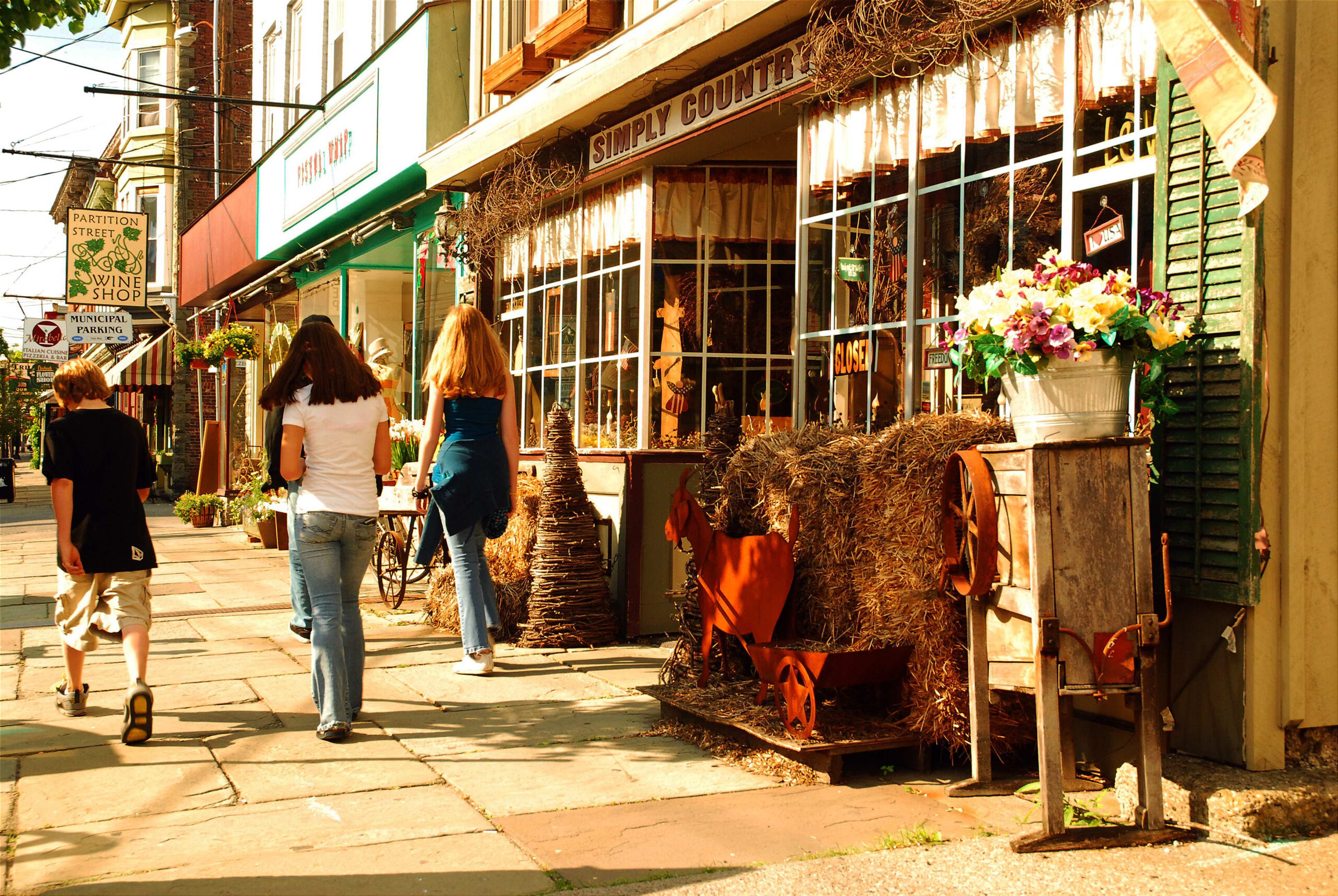
The tour guide is talking.
You are not listening.
You are editing.
You are cross-referencing every syllable against some internal archive you didn’t know you’d built.
Your jaw is slightly tight. Your arms are crossed. You are standing in a foreign city, surrounded by the smell of old stone and diesel and street food, and somehow – somehow – you are arguing with a stranger inside your own skull.
This is not intellectual curiosity. This is not a love of history. This is something older. Something that learned to distrust the person holding the microphone long before you ever boarded a plane.
The Identity Gap here is razor-thin and brutally specific: you came on this trip to surrender yourself to somewhere new, to be briefly nobody, to let geography dissolve the script. But the moment someone stands in front of you with authority – a lanyard, a clicker, a rehearsed anecdote – your nervous system pulls a familiar alarm. You cannot be led. You cannot trust the guide. You must know more. You must be right before they finish the sentence.
The traveler you pretend to be is open. Curious. Effortlessly present in the piazza.
The traveler you actually are is still standing in a hallway from twenty years ago, waiting to find out if the adult in the room is safe.
1. The Blueprint Problem
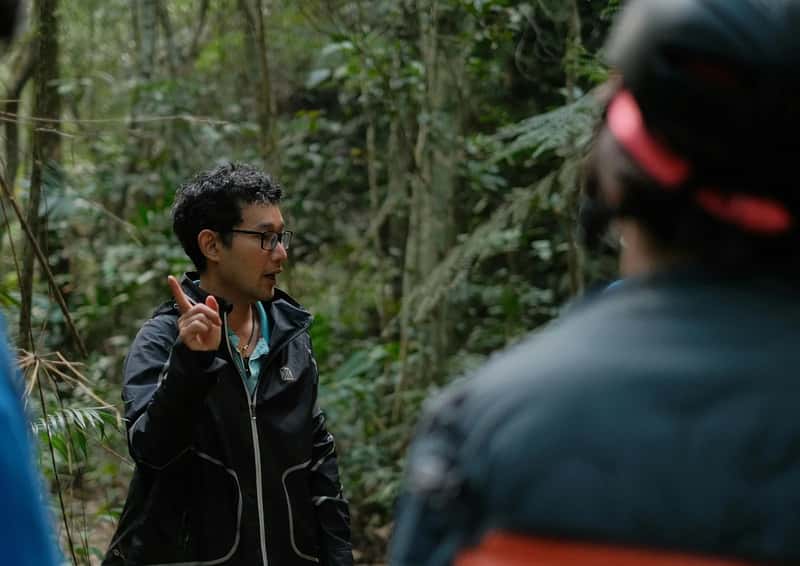
Before you were a traveler, you were a child in a room with adults who were supposed to know things.
Supposed to.
One of the primary mechanisms through which childhood trauma shapes us is trust. For children, authority figures – parents, teachers, adult caregivers – serve as the primary sources of support, guidance, and safety. But when these adults are abusive, neglectful, or otherwise traumatic, our very foundation of trust is shattered.
That shattering doesn’t announce itself.
It doesn’t arrive with a label.
It just quietly rewires the architecture of how you receive information from people who claim to know better than you.
In many ways, our childhood experiences provide a blueprint for our lives. Growing up in a predictable environment with loving caregivers teaches us that the world is a safe place. At the same time, negative childhood experiences, like trauma, can impact us into adulthood.
The tour guide didn’t write the blueprint.
They’re just standing on it.
2. The Alarm That Won’t Disarm
Here is what no one tells you about hypervigilance: it is not dramatic.
It doesn’t look like panic. It looks like paying attention.
It looks like being thorough. Prepared. Intellectually engaged.
For many people, that heightened state doesn’t fade. The threat may be long gone, yet the alarm system keeps ringing. Hypervigilance is a core symptom that keeps people trapped in a state of constant alertness, scanning for danger that isn’t there.
You know, logically, that the tour guide is harmless.
You know they are just a person with a script and sensible shoes.
But your amygdala – that ancient, exhausted watchman – becomes hyperactive, constantly scanning for threats, while the prefrontal cortex, responsible for reasoning and impulse control, becomes underactive. These neurological shifts reinforce hypervigilant behavior and reduce the ability to self-regulate.
The alarm isn’t broken.
It’s just pointed at the wrong decade.
3. The Corrector’s Mask
Let’s be honest about what correcting the tour guide actually feels like from the inside.
It feels like intelligence.
It feels like due diligence.
It feels like you are simply a person who did their research.
But there is a specific quality to the irritation – a heat beneath it that has nothing to do with the date of the cathedral’s construction. It helps to identify the inadvertent thoughts and feelings that come up when around authority: those split-second beliefs that someone is judging, controlling, or dismissing us before we’ve had time to assess what’s actually happening.
The mask is smart. The mask reads guidebooks before the trip.
The mask is always three facts ahead.
But underneath the mask is a child who learned very early that the people in charge of the narrative could not be trusted with it.
Even subtle things, like growing up in a household where you weren’t allowed to question decisions, can teach you that authority is something to endure rather than trust.
So now you question everything. Quietly. Furiously. Alone.
4. The Architecture of Distrust
Distrust of authority doesn’t build itself overnight.
It is constructed, carefully, from the wreckage of specific moments.
A teacher who humiliated. A parent who punished without logic. A coach who needed to win more than he needed to protect.
Mistreatment in childhood – whether it’s a coach who humiliated you, a spiritual leader who manipulated you, or someone meant to protect you causing you pain – can create issues with trust. This trauma-related mistrust happens because, when a person in a position of power causes harm, your nervous system remembers the mismatch between their role and their behavior.
The nervous system is a meticulous archivist.
It files the mismatch. It catalogs the betrayal.
And then, decades later, in a cobblestone square in a city you’ve never visited, it pulls the file the moment someone raises their voice to be heard above the crowd.
Survivors may develop an inherent distrust or fear of authority figures, viewing them as potential threats rather than sources of protection.
The tour guide is not a threat.
But the file says otherwise.
5. The Control That Travels With You
I remember standing in a crowded market in Marrakech, watching a local guide gesture toward an archway, explaining the history of the medina with easy confidence. I had read three books about this city. I had a highlighted map in my pocket. I knew, before he said it, where the sentence was going.
I said nothing out loud.
But inside, I was correcting him before he finished. And I had a sudden, quiet recognition that this had nothing to do with Marrakech. It had everything to do with being eight years old in a kitchen, listening to an adult explain something that was factually wrong, and knowing – absolutely knowing – I could not say so.
The correcting voice in my head is not smarter than the guide. It is just safer than silence ever was.
One of the most crucial effects of experiencing chronic powerlessness is an overwhelming urge to exert control at every turn. In some ways, this is a self-protective measure – burn the bridge yourself so at least you can see it coming. For victims of ongoing trauma, control becomes a safety benchmark. By exerting control over even the smallest details, they effectively create a space where outcomes become more predictable.
6. The Temporary Identity and Why Travel Feels Like Relief
There is a reason people with this wound love to travel.
A foreign city asks nothing of your history.
No one here knows who raised you. No one here has a version of you they need you to perform.
The relief is real. But it is also partial.
Because the wound doesn’t check a bag. It boards with you. It clears customs. It is standing right next to you at the tour group meeting point, scanning the guide’s face for the first sign that they cannot be trusted.
Unresolved childhood trauma doesn’t just vanish. It matures. It follows you into boardrooms, bedrooms, friendships, and families – shapeshifting into habits that look like leadership or care, but are often fear in disguise.
Travel creates the illusion of escape.
What it actually creates is distance – from context, not from wound.
The temporary identity is real. It just has a very short lease.
7. The Ambiguity Allergy
One hallmark of this specific trauma is a profound intolerance of ambiguity.
Not knowing is dangerous. Not knowing means someone else is in control of the information.
And someone else in control of the information is the original trauma, dressed up in sightseeing clothes.
A person navigating this wound is extremely uncomfortable, often to the point of panic, in ambiguous situations. They set rigid boundaries with no wiggle room allowed. Rigid boundaries leave no space for guessing, which makes outcomes more predictable in the long run.
This is why the tour guide’s casual “historians debate this point” lands like a small emergency.
Debate? Between authorities? Which one do I believe?
The nervous system, trained to read authority for signs of danger, encounters two competing authorities and short-circuits.
It needs one truth. It needs to know who to trust.
And when it cannot decide, it promotes itself.
It becomes the authority. The only one it knows it can rely on.
8. The Power Dynamic Beneath the Cobblestones
There is a power dynamic humming beneath every tour group interaction, and most people don’t feel it.
But you do.
The power dynamics inherent in relationships with authority figures can exacerbate feelings of vulnerability and helplessness. Authority figures often wield significant influence and control over various aspects of a person’s life – whether in family, school, or community settings.
On a walking tour, the guide controls pace, narrative, and attention.
They decide what matters. What gets mentioned and what gets skipped.
They hold the microphone. They face the group. The group faces them.
For someone whose childhood taught them that the microphone is dangerous – that the person holding it has their own agenda, their own unreliability, their own capacity for harm – this is not a neutral arrangement.
Complex PTSD, which can develop from prolonged or repeated trauma, frequently includes hypervigilance that centers on interpersonal dynamics and self-protection in relationships. Survivors of childhood trauma may experience heightened sensitivity around authority figures, anticipating criticism or punishment even in neutral situations.
The cobblestones are beautiful.
The power dynamic is ancient.
And you are standing inside both of them simultaneously.
9. The Exit Strategy That Isn’t Geography
Here is the seductive lie this wound tells: if you just go far enough, you can outrun the dynamic.
New continent. New language. New authority figures who don’t know your family.
But when you come out of a controlling environment, you are free – paradoxically, a lot of people don’t know how to be free. They may even feel uncomfortable when free. If you have spent years constantly being told what to do, it can be confusing, even scary, when all of a sudden you’re supposed to be in charge.
The exit strategy that looks like travel is actually avoidance in hiking boots.
And avoidance, however stamped with beautiful visas, is still the same closed door.
Survivors of trauma – especially those that have suffered complex developmental relational trauma – often believe they have to control any and all situations enough to avoid the danger.
The real exit strategy is not a flight number.
It is the terrifying, unglamorous act of sitting still long enough to hear what the wound is actually asking for.
10. The Quiet Work of Learning to Be Led
Here is what healing from this specific wound actually looks like.
It does not look like becoming naive. It does not look like abandoning discernment.
It looks like being able to stand in a crowd, listening to a person you don’t fully know, and tolerating the possibility – just the possibility – that they might be reliable.
Trauma-focused work, including EMDR, is often effective in treating this kind of wound. It helps process moments when authority was misused or unsafe – not by reliving the past, but by revisiting the emotional imprint it left behind, like the fear, confusion, and sense of being small or powerless, and updating it with the safety of the present.
The amygdala can be retrained. Slowly. Painstakingly. With enormous amounts of patience for the part of you that is still scanning for exits.
Recognizing hypervigilance for what it is – a response rather than a character trait – is the first step toward meaningful recovery.
You are not difficult. You are not arrogant.
You are not the person who ruins the tour.
You are someone whose nervous system learned its job in a room where that job was necessary – and has simply never been told it can retire.
The tour guide is still talking.
The city is still here.
And somewhere between the correcting voice and the cobblestones, there is a version of you that is learning, with great difficulty and great courage, to simply listen.
The strange thing about this wound is how elegant it looks from the outside. You seem engaged. You seem informed. You seem like exactly the kind of traveler who gets more out of a trip than everyone else. And maybe you do. But you also never quite land. You arrive in a place and immediately begin managing your relationship to it – curating, fact-checking, maintaining the upper hand over your own experience.
What would it mean to put down the internal red pen? Not permanently. Not carelessly. Just for one afternoon in one foreign city, to let someone else hold the narrative and feel – not the threat of that, but the relief of it. The bone-deep relief of not having to know everything before anyone else does. The relief of being, briefly, just a person standing in a square, letting a stranger’s voice carry you somewhere you didn’t plan to go.
The wound was real. The child who built the correcting voice was doing something necessary and brave. But the city outside the window is not that kitchen, and the guide with the lanyard is not that adult, and somewhere in the marrow of this whole long journey is the quiet, radical possibility that you are finally, actually safe enough to not know.