There’s a particular smell that hits you out of nowhere sometimes, standing in a supermarket aisle or walking past someone’s open kitchen window, and suddenly you’re seven years old again at a scratched wooden table. Food has that effect, especially the plain, unglamorous stuff nobody ever wrote a cookbook about. Across Europe, whether you grew up in a tower block in Warsaw or a terraced house in Manchester, there’s a good chance a handful of dishes shaped your childhood in ways you didn’t fully appreciate until much later.
These weren’t fancy meals. They were cheap, filling, and often made from whatever was in the pantry that week. Yet decades on, they still show up in conversations that start with “do you remember when…” and end in a wave of nostalgia nobody expected.
Semolina pudding, the breakfast bowl nobody could escape
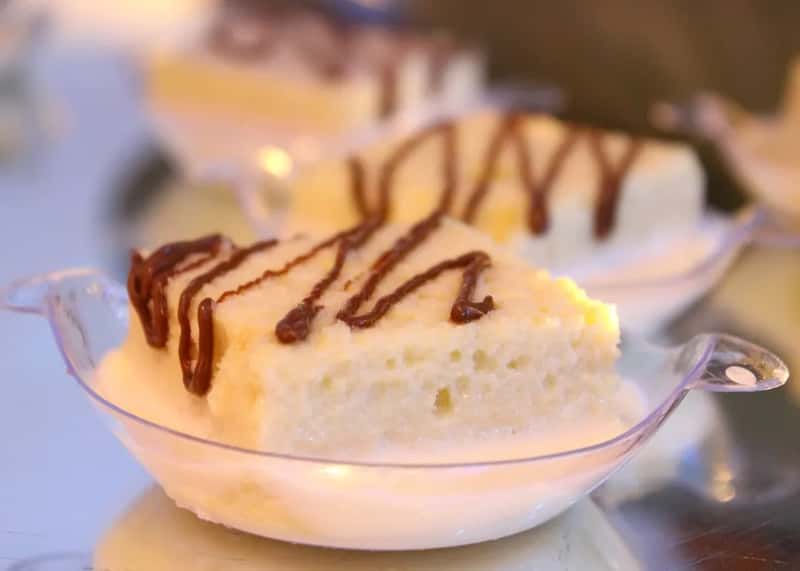
Long before it became a school-lunch staple across Central and Eastern Europe, semolina pudding had already been around for a very long time. Semolina pudding has been eaten in Europe since Roman times, and the recipe book of Apicius describes a semolina porridge made from farina mixed with almonds, raisins and raisin wine. That ancient pedigree didn’t stop it from becoming the humble milky breakfast that kids from Berlin to Bucharest either loved or quietly dreaded.
The dish traveled well and picked up different names wherever it landed. Semolina pudding is widely enjoyed in European countries like Hungary (tejbegríz), Romania (griș cu lapte), Lithuania (manų košė), the Czech Republic (krupičná kaše), and Slovakia (krupicová kaša). A spoonful of jam stirred through the middle was usually the only thing that made it bearable on a rushed weekday morning.
Hungarian goulash soup, the pot that never seemed to empty
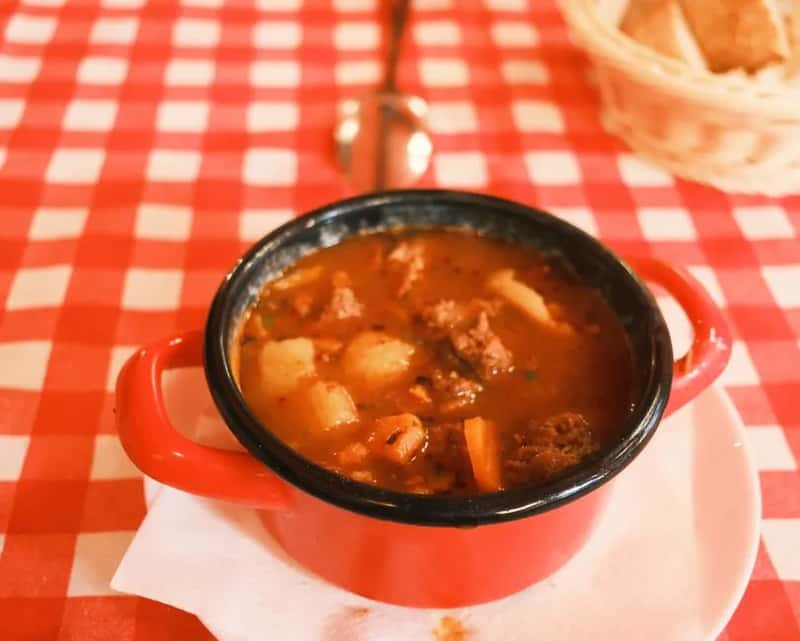
Goulash has a history that stretches back much further than most people assume. Its origins have been traced to the 9th century, to stews eaten by Magyar shepherds, who prepared a portable stock of food by slowly cooking cut-up meats with onions and other flavorings before setting out with their flocks. What started as trail food for herdsmen eventually simmered its way into family kitchens across the continent.
The paprika that gives modern goulash its deep red color wasn’t part of the original recipe at all. The paprika that is indispensable for flavouring the modern goulash was added to the formulation in the 18th century. By the time it reached Central European households in the twentieth century, it had become one of those dishes a grandmother could stretch across several days, and it is a common meal predominantly eaten in Central Europe but also in other parts of Europe, one of the national dishes of Hungary and a symbol of the country.
Kissel, the wobbly dessert that split every household down the middle
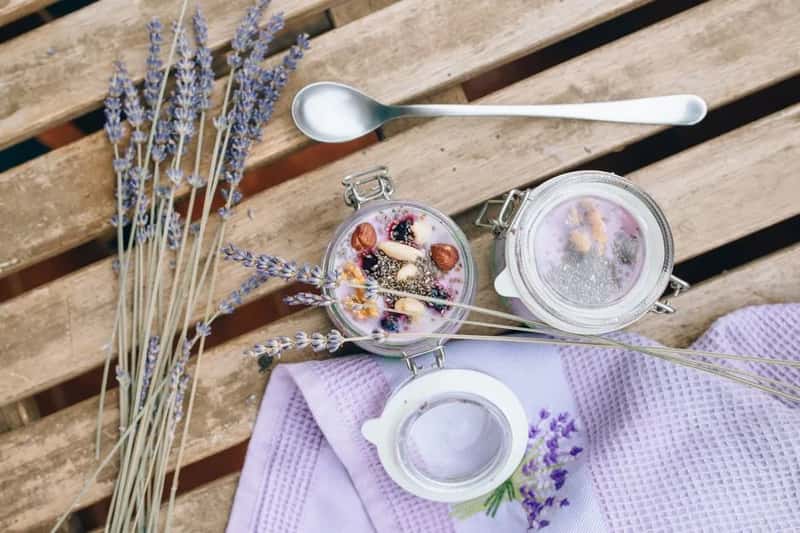
If you grew up anywhere from Poland through the Baltics and into Russia, kissel was probably a fixture at the dinner table, even if opinions on it varied wildly. It is a dish with the consistency of a thick gel, made of sweet fruits such as berries, grains, peas, or milk, and it is commonly thickened with potato starch or corn starch, served either as a drinkable dessert or as a thicker, jelly-like dish. Some kids loved the fruity, jelly-like versions, while others still shudder at the memory of the more porridge-like grain kissels served in canteens.
Its reach across Eastern and Northern Europe is part of what made it so universally recognizable to an entire generation. Kisel, Kissel or Kisiel is popular in Slavic countries like Poland, Ukraine, Russia, Estonia, Latvia, Lithuania, Belarus and even in Finland, with their own versions of the recipe. Whether it showed up in a school cafeteria or was made fresh from summer berries at a grandmother’s cottage, it tended to leave a lasting impression, good or bad.
Kartoffelpuffer, the crispy potato snack sold from a paper bag
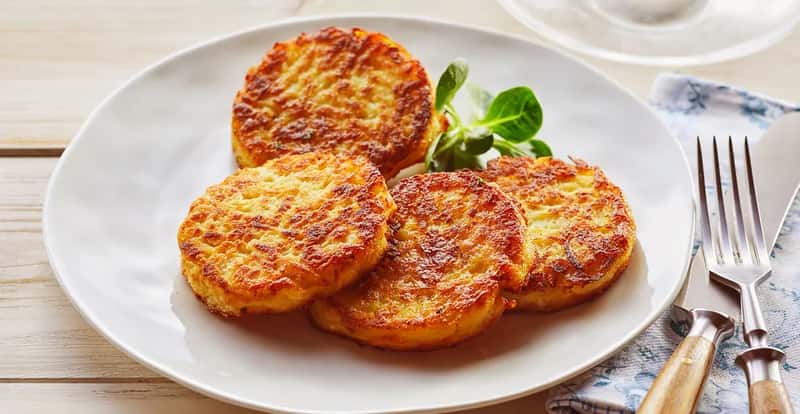
Potato pancakes are so deeply woven into German food culture that it’s easy to forget potatoes themselves weren’t always around. Potato pancakes have been a part of German cooking since the 18th century, when the potato gained popularity as a reliable and nutritious crop. For generations of kids growing up in Germany, Austria, and neighboring countries, a hot Kartoffelpuffer handed over at a Christmas market or fair was as much a part of winter as the cold air itself.
The dish never really had one fixed identity, which is part of its charm. In Bavaria you eat Reiberdatschi, Täschli or Backes, in parts of Lower Saxony, Thuringia and Saxony you order Puffer, and in the Rhineland one knows Reibekuchen. Neighboring countries developed their own versions too, since Ireland has Boxty, Russia has Draniki, and Poland has Placki Ziemniaczane, for example.
British school dinners, love them or loathe them

For anyone educated in the UK during much of the twentieth century, school dinners weren’t optional, they were the law. In 1944, the provision of a school meal that was “suitable in all respects as the main meal of the day” and milk became a statutory duty for local authorities under the new Education Act. That legal push shaped what an entire generation ate at lunchtime, whether they wanted it or not.
The menu itself was shaped heavily by postwar shortages and thrift. A typical school meal was Spam fritters, peas and potatoes followed by rice pudding, since these ingredients were both cheap and available. Free milk became part of the ritual too, at least until it famously ended, since Margaret Thatcher, the UK’s prime minister in the 1970s, was nicknamed the “milk snatcher” when she was education secretary because she stopped free milk for children in schools.
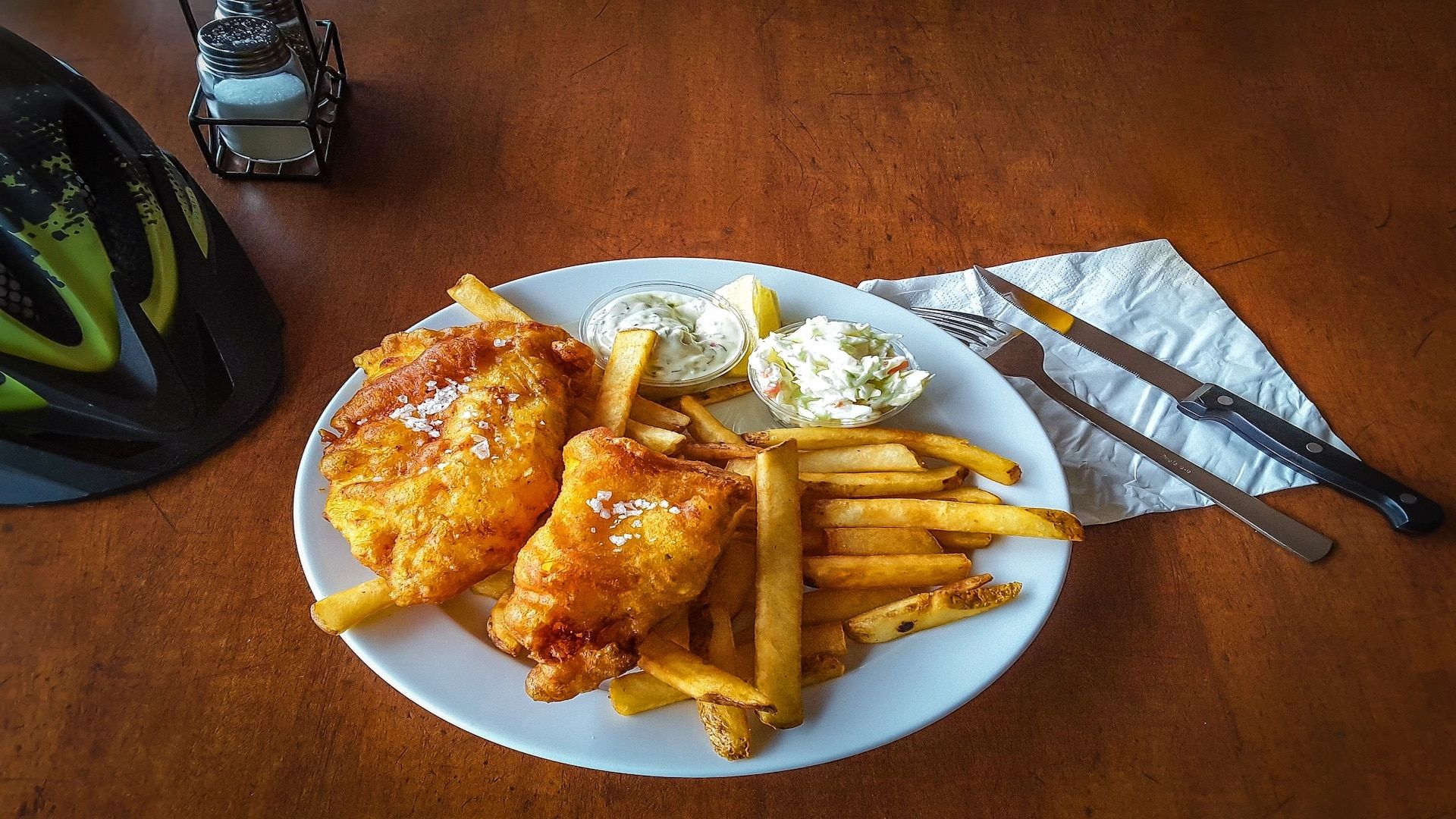
Fish fingers and chips, the Friday night ritual
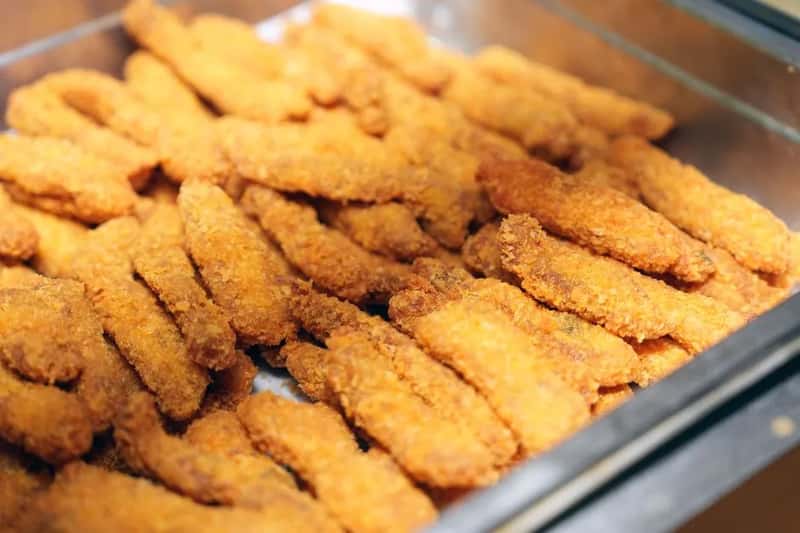
For British kids, and eventually for children across much of Northern Europe once frozen food became widespread, fish fingers were a genuine kitchen revolution. They arrived as a way to make fish appealing to picky eaters, breaded and pre-cut so there was no wrestling with bones or skin. Paired with oven chips and a squeeze of ketchup, it became the meal parents could get on the table with almost no effort after a long day.
What made it stick in memory wasn’t the sophistication, it was the reliability. You knew exactly what you were getting every single time, and that predictability was oddly comforting for a child. Decades later, the golden crumb coating and the particular crunch of a proper fish finger still triggers a very specific kind of nostalgia for anyone who grew up with it as a weekly fixture.
Rice pudding, the dessert that split classrooms into two camps
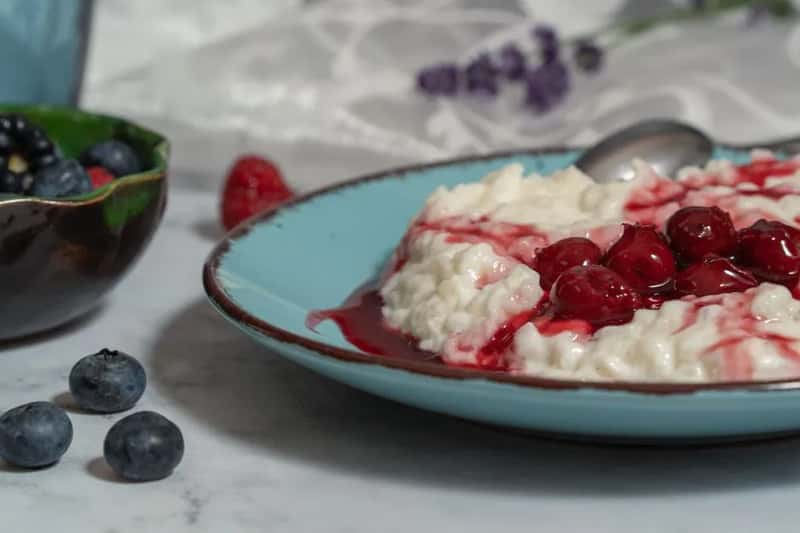
Few dishes provoke as strong a divide as rice pudding, which turned up in kitchens and canteens across the continent under different names and guises. Made simply from rice, milk, and sugar, sometimes with a sprinkle of cinnamon or a dollop of jam on top, it was cheap to make in bulk and kept children full through long afternoons. It appeared everywhere from British school trays to Nordic Christmas tables, where a version studded with almonds was often served as part of holiday tradition.
The texture was always the sticking point. Some remember it fondly as warm, sweet comfort food eaten by the fire, while others recall the thick skin that formed on top with something closer to horror. Either way, it’s one of those dishes almost nobody who grew up in Europe managed to avoid entirely.
Bread and dripping, the taste of postwar frugality
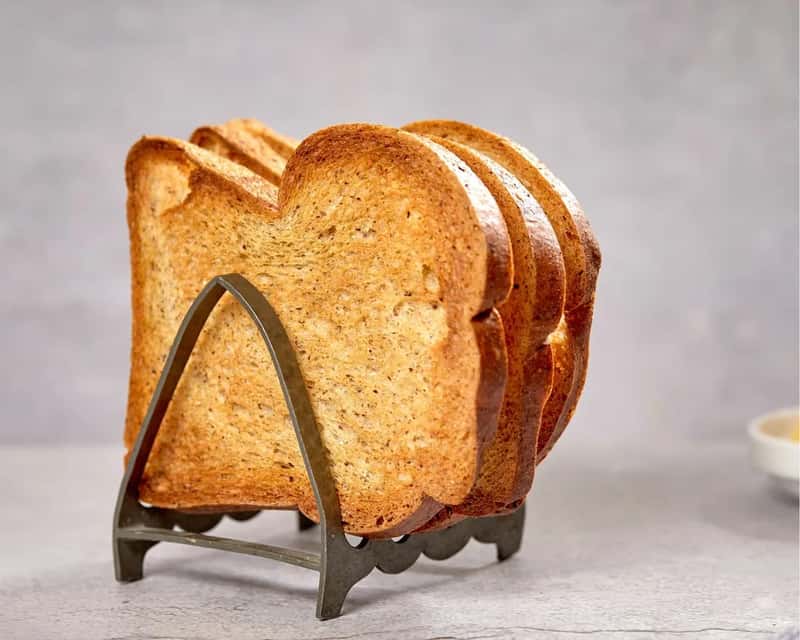
Long after wartime rationing officially ended, bread and dripping lingered on in kitchens across Britain and parts of Northern Europe as an everyday snack. It was about as simple as food gets, a thick slice of bread spread with the leftover fat from a roast, sometimes with a pinch of salt on top. Nothing about it sounds appetizing on paper, yet for the generation raised on it, the combination of crisp bread and rich, savory fat became genuinely comforting.
It survived for so long mainly because it made sense economically. Nothing from the Sunday roast went to waste, and a family could stretch a single joint of meat across several more meals just by saving the fat. Kids who grew up with dripping on toast for breakfast or as an after-school snack often describe it now with a strange mix of nostalgia and mild embarrassment.
Liver and onions, the dinner nobody asked for twice
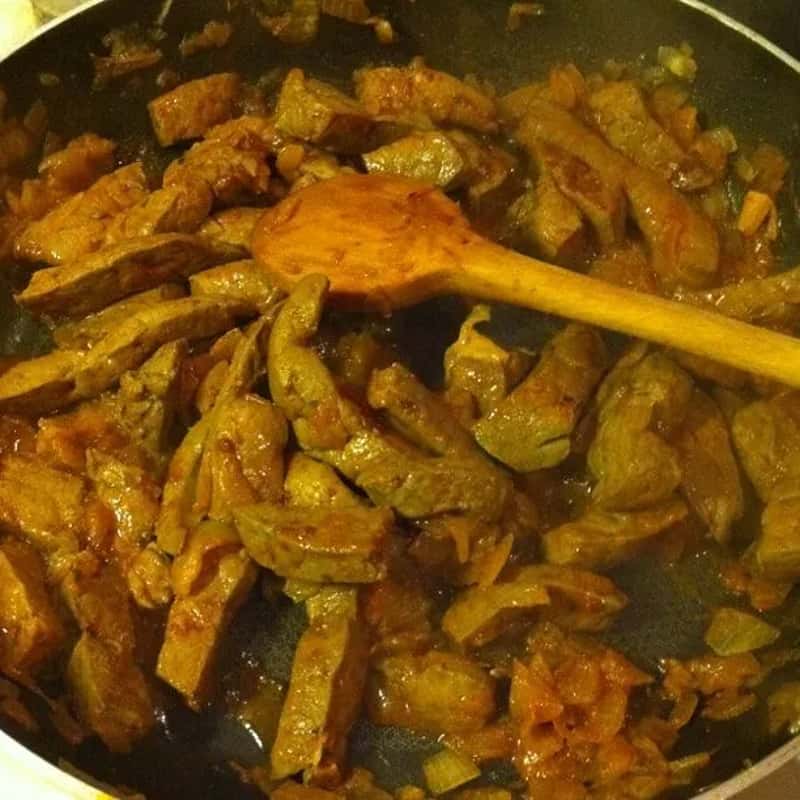
There was a stretch of the twentieth century when liver and onions showed up on dinner tables and school menus across much of Europe with almost predictable regularity. It was cheap, it was packed with iron, and parents of the time were told repeatedly how good it was for growing children. The smell alone, as it fried in the pan with onions, is something an entire generation can recognize instantly, even decades later.
Few dishes divide childhood memories quite as sharply. Some remember it as a genuinely tasty family dinner, especially when done well with a rich onion gravy, while others recall gagging their way through it under strict parental supervision. Either way, it remains one of those meals that instantly transports people back to a specific kitchen, a specific table, and usually a specific argument about finishing your plate.
Milk soup, the quiet staple of early mornings
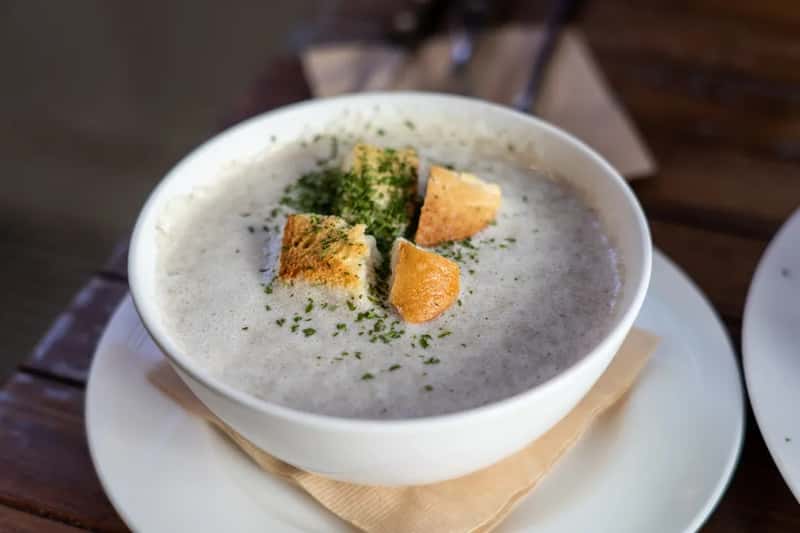
Before cereal boxes took over breakfast tables across Europe, milk soup was a common way to start the day in households from the Nordic countries down through Central Europe. It was little more than warm milk with bread, oats, or leftover porridge stirred in, sometimes sweetened lightly with sugar or honey. It required almost no ingredients and even less effort, which made it a practical choice for families feeding several children before school.
What it lacked in excitement, it made up for in reliability. Nobody remembers milk soup as thrilling, but almost everyone who grew up eating it associates it with a specific kind of quiet, early morning routine, the kind involving sleepy siblings, a warm bowl, and a rush to catch the school bus. It’s rarely made at home anymore, yet the memory of that particular warmth still lingers for those who grew up with it.