There was a version of South America that existed before Instagram geotags, before bucket-list checklists, and before budget airlines turned remote corners of the continent into weekend getaways. If your family vacations took you to dusty Andean towns, half-empty ruins, or salt flats reachable only by battered jeep, you saw something that most travelers today never will. That version of the continent is largely gone now, replaced by timed entry tickets, crowd-control fencing, and record-breaking visitor numbers.
This isn’t nostalgia for the sake of nostalgia. The numbers back it up. Several of South America’s most iconic destinations have seen visitor counts multiply many times over in just a few decades, transforming quiet villages into tourism economies and turning once-obscure landmarks into some of the most photographed places on Earth. Here’s a look at seven countries where the shift from hidden gem to global hotspot happened within a single lifetime.
Peru
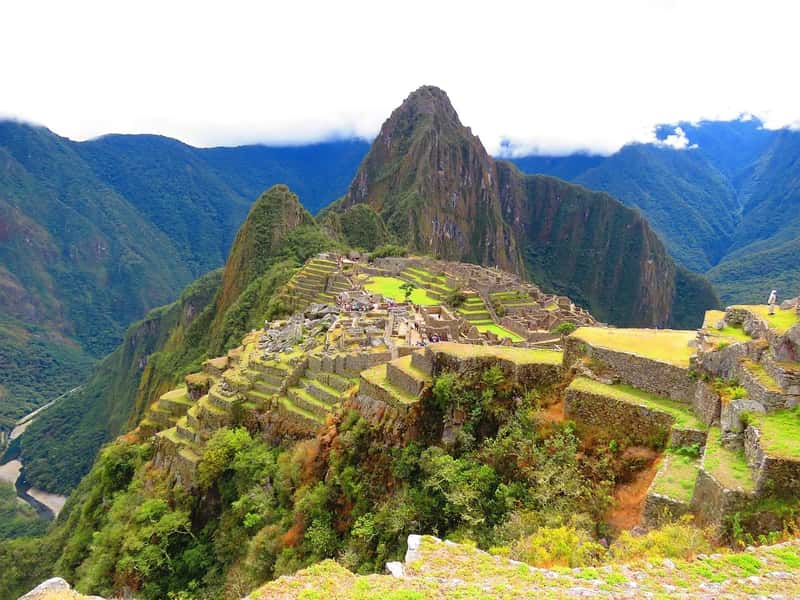
Anyone who visited Machu Picchu before the 2000s remembers a site that felt almost eerily quiet. From 145,566 in 1983, it reached 1,585,262 in 2019.[1] That’s more than a tenfold increase in less than four decades, and it happened gradually enough that many longtime visitors barely noticed the shift until the crowds became impossible to ignore. By the early 2000s, annual visitor numbers had reached approximately 400,000, and by 2019, before the COVID-19 pandemic, this had surged to over 1.5 million.[2]
Today the experience is a completely different animal. In 2025, Machu Picchu welcomed approximately 1.6 million visitors, with peak daily arrivals reaching 5,600 during the high season.[3] Getting in now means booking timed tickets months ahead, following one of several pre-set circuits, and sticking with a guide the entire time. Peru’s tourism ministry is even finalizing a new capacity study, since the visitor capacity for Machu Picchu, set in 2019, remains unchanged to allow continuity of operations[3] despite the numbers climbing well past what that plan ever anticipated.
Ecuador
The Galápagos Islands used to be one of the hardest places in South America to actually reach, which kept the numbers naturally low for decades. Figures from the year 2000 show a little fewer than 70,000 visitors.[4] It wasn’t until the mid-2000s that the islands crossed a milestone that seems almost quaint by today’s standards, since tourist arrivals surpassed 100,000 for the first time in 2004[5], back when the archipelago still felt like a genuine expedition rather than a well-trodden circuit.
That slow trickle has turned into a steady flood. In 2023, official figures show that closer to 330,000 people visited the archipelago.[4] Much of that growth came from land-based tourism rather than the classic ship cruises older travelers remember, and conservationists have taken notice. Last year, an astonishing 329,475 people visited Galapagos, a new record, and some projections suggest that we are on track for a million visitors a year by 2041.[5] UNESCO has flagged the islands’ tourism growth as a concern more than once, and the pressure on this fragile ecosystem is only intensifying.
Colombia
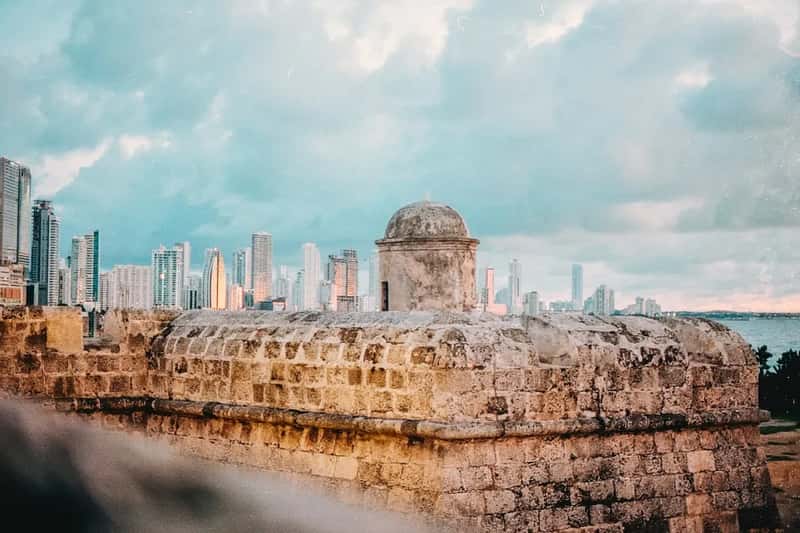
For anyone whose family actually visited Colombia in the 1990s or early 2000s, that trip probably felt like an outlier rather than a typical vacation choice. The country’s reputation kept most travelers away, and for good reason: at the turn of the millennium, Colombia’s homicide rate was the highest in Latin America at 66.5 per 100,000 people.[6] Cartagena’s colonial walls and the coffee region’s green hills existed then too, but almost nobody outside Colombia was talking about them as travel destinations.
The 2016 peace accord with FARC changed the trajectory almost overnight. Foreign visitors to Colombia grew 300% between 2006 and 2019.[7] That momentum never really stopped. The sector has experienced robust growth since the 2016 peace accords with FARC, which diminished widespread guerrilla violence and opened formerly inaccessible regions, leading to record international arrivals of 5.86 million non-resident visitors in 2023, a 24.3% rise from 2022.[8] By late 2024, that figure had climbed even higher, with arrivals exceeding 6.2 million and the industry contributing billions to the national economy.
Chile
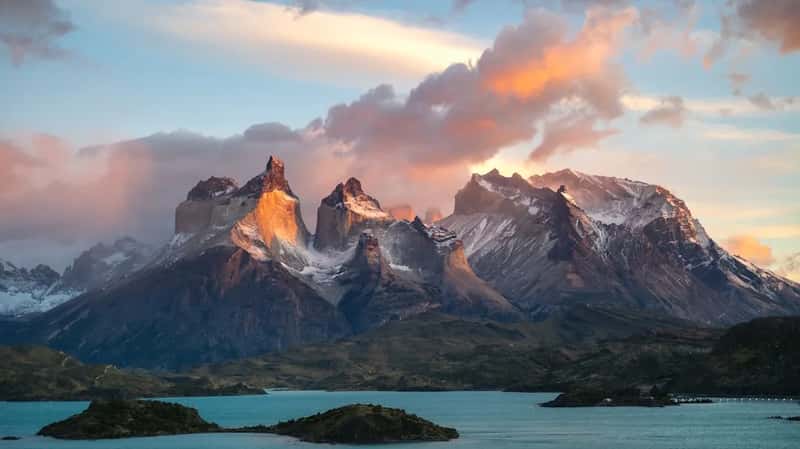
Chilean Patagonia, and Torres del Paine National Park in particular, was once so remote that it barely registered as a mainstream destination. Annual visitor numbers have fluctuated from around 6,000 in the middle of the 1980s, to more than 250,000 in 2017.[9] Families who trekked there decades ago often shared the trails with a handful of gauchos and a few hardy backpackers, not the organized tour groups that dominate the park today.
That quiet corner of the world is now firmly on the global adventure-travel map. Torres del Paine National Park is one of South America’s most visited destinations, with over 300,000 tourists exploring its spectacular landscapes each year.[10] International arrivals in particular have surged, since the number of foreign tourists entering through border crossings alone doubled in the last 10 years, while the growth rate of visits to the NPWA increased by 9% annually for the same period.[11] Gateway towns like Puerto Natales have grown right alongside it, adding hotels, restaurants, and even airport upgrades to keep pace with demand.
Bolivia
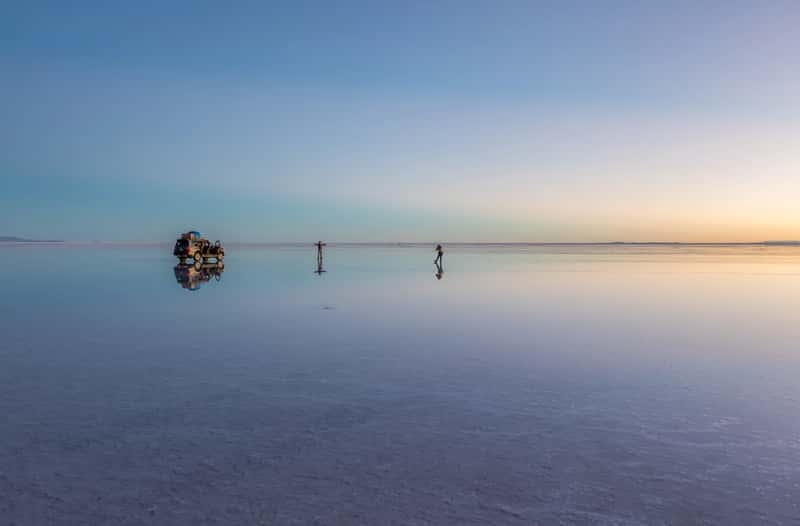
Bolivia has long been one of South America’s least visited countries, and the Salar de Uyuni salt flats were a genuine off-the-map experience for most of the twentieth century. Reaching them meant hours on rough, unpaved roads in a 4×4, with minimal lodging and almost no tourist infrastructure waiting at the other end. Families who made the trip in decades past often describe an almost otherworldly silence, since there simply weren’t many other visitors to share the horizon with.
The salt flats’ transformation into a bucket-list destination happened relatively recently, largely driven by the rise of smartphone photography and social media, which turned the mirror-like reflections and surreal perspective shots into some of the most shared travel images on the internet. Infrastructure has slowly followed the demand, with more organized tours, basic salt-brick hotels, and improved roads connecting Uyuni to the rest of the country. Even so, Bolivia’s tourism numbers still lag well behind neighbors like Peru and Chile, which means a trip there today still feels closer to that older, quieter South America than almost anywhere else on this list.
Argentina
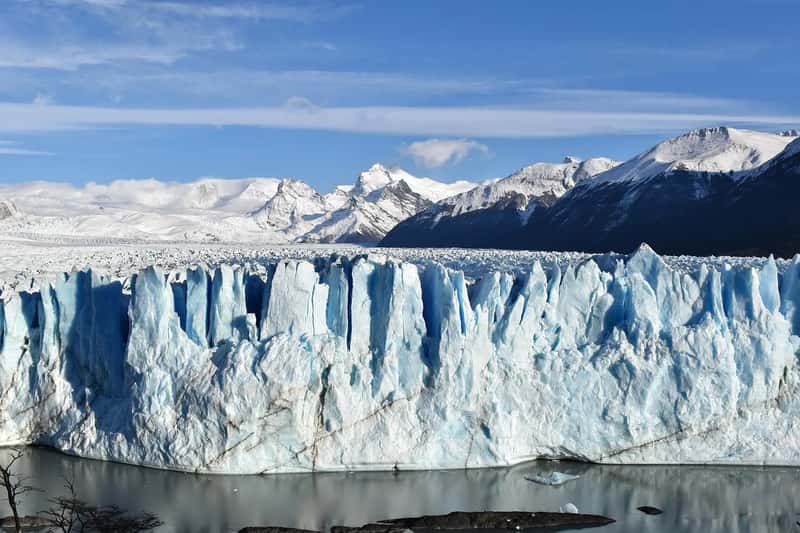
The Argentine side of Patagonia, centered on towns like El Calafate and the Perito Moreno Glacier, spent decades as a destination reserved for the most determined travelers. Before regular flights connected Buenos Aires to the deep south, getting there involved long overland journeys or infrequent connections, which naturally limited who bothered to make the trip. Older travelers who visited in that era often remember glacier viewpoints with only a few dozen other people, a stark contrast to the packed boardwalks common there now.
The expansion of domestic air routes and international marketing around Patagonia as a singular, must-see region changed all of that. El Calafate’s airport, which opened commercial service in the early 2000s, played a major role in turning a multi-day overland trek into a short flight from the capital. Combined with Chile’s parallel boom just across the border, Argentine Patagonia has become one of the busiest adventure-travel corridors on the continent, with glacier trekking and boat tours now operating on a scale that would have seemed unimaginable to the small groups who once had these landscapes largely to themselves.
Brazil
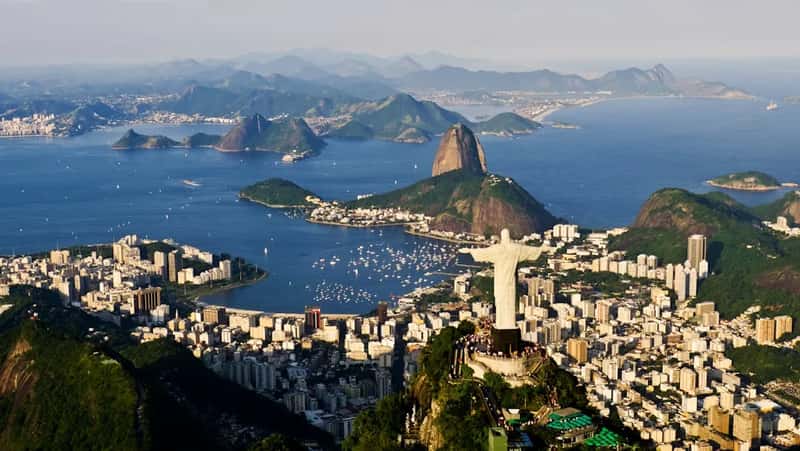
Rio de Janeiro’s postcard sights, Christ the Redeemer, Copacabana Beach, Sugarloaf Mountain, have always drawn visitors, but for much of the late twentieth century safety concerns and limited global marketing kept international numbers well below the country’s potential. Older travelers who visited Rio decades ago often recall a city that felt more like a local secret than a global icon, with far fewer organized tours and a much smaller footprint of foreign visitors along the coastline.
Hosting the 2014 FIFA World Cup and the 2016 Summer Olympics changed that almost overnight, thrusting Brazil into a spotlight it had never quite occupied before on the world tourism stage. Those events triggered massive infrastructure investment, from transit upgrades to new hotel capacity, much of which remains in place today. The Amazon has followed a similar, if slower, path, as eco-lodges and river cruises have expanded access to a rainforest that was once reachable only through arduous, multi-day journeys reserved for the most committed travelers.
Taken together, these seven stories tell a bigger tale about how quickly the world can change once word gets out. What was once reached by dirt road, patience, and a bit of luck is now reached by app, itinerary, and timed ticket. There’s nothing wrong with more people getting to experience these places, tourism dollars have funded conservation, created jobs, and opened doors for local communities that conflict or isolation once kept closed. Still, anyone who remembers standing in these spots without a crowd, a fence, or a QR code got to see something that genuinely doesn’t exist anymore. That’s not a small thing to have witnessed.