There’s a certain type of traveler who seems to glide through departures while everyone else is patting their pockets for a missing passport. It’s not luck. It’s a handful of small, almost invisible habits done in the days before takeoff. Most people never mention these steps out loud because they feel too minor to brag about, yet they’re exactly what separates a smooth trip from a stressful one.
If any of the following sound familiar, you’re likely further ahead than you realize. These aren’t flashy travel hacks. They’re quiet, practical routines that seasoned travelers repeat almost without thinking.
1. You photograph your important documents before leaving home
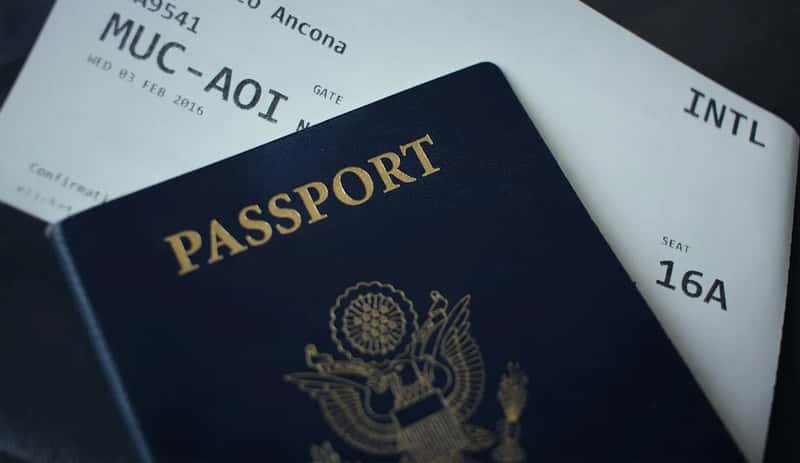
Taking a quick photo of your passport, ID, boarding pass, and travel insurance card feels like a small step, but it solves a real problem. Lost or stolen documents are one of the most common travel disruptions, and having a digital backup stored in the cloud or emailed to yourself can shave hours off the replacement process. Embassies and consulates routinely ask for a copy of the original passport page when issuing emergency travel documents.
This habit also covers you if your phone dies or your wallet goes missing separately from your bag. People who do this tend to also screenshot hotel confirmations and emergency contact numbers, just in case Wi-Fi isn’t reliable. It’s a two-minute task that quietly prevents a full afternoon of panic later.
2. You check the specific baggage and carry-on rules for that airline
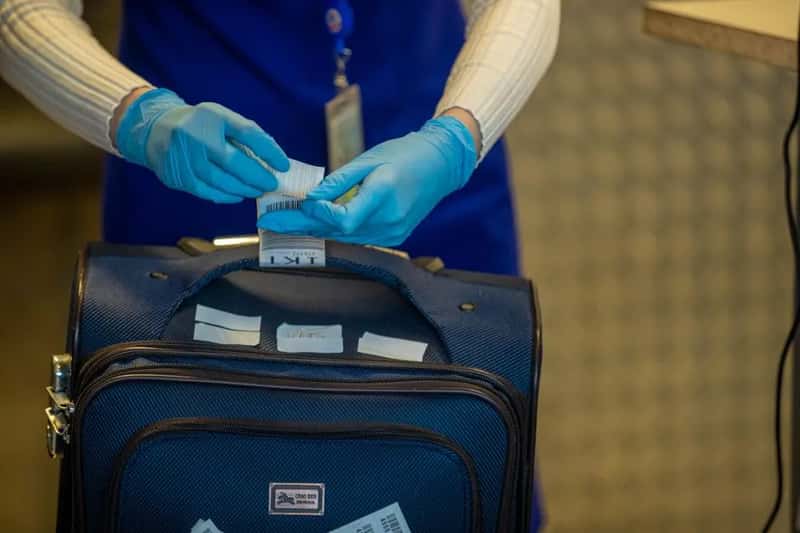
Baggage policies aren’t universal, and airlines change them more often than travelers expect. Budget carriers in particular have tightened personal item sizing and weight limits over the past couple of years, with several European low-cost airlines now enforcing stricter gate checks than they did before 2023. Someone who quietly checks the airline’s actual policy, rather than relying on general assumptions, avoids the surprise fee at the gate.
This isn’t about being anxious over rules. It’s about not being the person holding up the boarding line while a stranger cinches their bag into a metal sizer. A five-minute check on the airline’s website usually confirms exact carry-on dimensions, weight caps, and whether a personal item is even included in the base fare.
3. You notify your bank about international travel, or check if you even need to
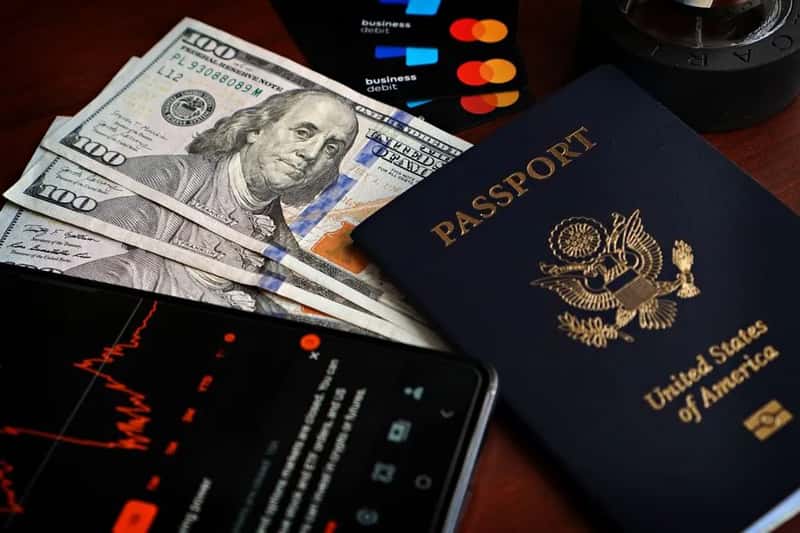
Fraud detection systems flag unusual spending patterns, and a sudden charge from a foreign country can trigger a temporary card freeze at the worst possible moment. Many banks have modernized this process, and some no longer require formal travel notifications since their fraud algorithms recognize travel patterns automatically. Still, people who quietly confirm this ahead of time, rather than assuming it’s fine, avoid standing at a rental car counter with a declined card.
This also includes checking foreign transaction fees, since some cards charge an extra percentage on every purchase abroad while others charge none. Knowing this in advance lets a traveler choose which card to actually use once they land. It’s a small administrative task, but it prevents financial friction during a trip that should otherwise feel simple.
4. You research local customs, tipping norms, and basic etiquette

Every destination carries its own quiet rulebook, and tipping culture alone varies dramatically between countries. In parts of Asia, tipping can be seen as unnecessary or even slightly awkward, while it’s expected and calculated into service in much of the United States. Travelers who look this up beforehand avoid the mild embarrassment of guessing wrong in front of locals.
This extends to dress codes at religious sites, greeting customs, and even how loudly conversations typically happen in public spaces. None of this requires deep research, just a quick search or two. It’s a habit that signals respect for the destination rather than treating it purely as a backdrop for a vacation.
5. You pack a small bag of essentials separately from your main luggage

Checked luggage occasionally goes missing or gets delayed, and airlines mishandle a measurable share of bags every year according to aviation industry tracking reports. Travelers who keep a spare change of clothes, a toothbrush, and any essential medication in their carry-on aren’t being paranoid. They’re accounting for a real, if uncommon, possibility.
This habit becomes especially important on connecting flights with tight layovers, where the odds of a bag not making the transfer increase. It also matters for anyone traveling with prescription medication, since running out isn’t something that can be solved quickly in an unfamiliar city. A compact essentials pouch takes up almost no space but removes a significant source of potential stress.
6. You download offline maps and translation tools before landing

Relying on constant mobile data abroad isn’t always realistic, especially in rural areas or countries where local SIM options take time to set up. Google Maps and several other apps allow users to download specific regions for offline use, which becomes invaluable the moment a phone loses signal in an unfamiliar neighborhood. The same goes for translation apps, many of which now support offline language packs for real-time conversations without wifi.
People who set this up in advance aren’t necessarily more tech-savvy. They’ve simply learned, often the hard way, that searching for directions with zero signal is one of the more disorienting travel experiences. It takes a few minutes at home and removes one of the more common sources of minor travel chaos.
7. You research the neighborhood, not just the hotel
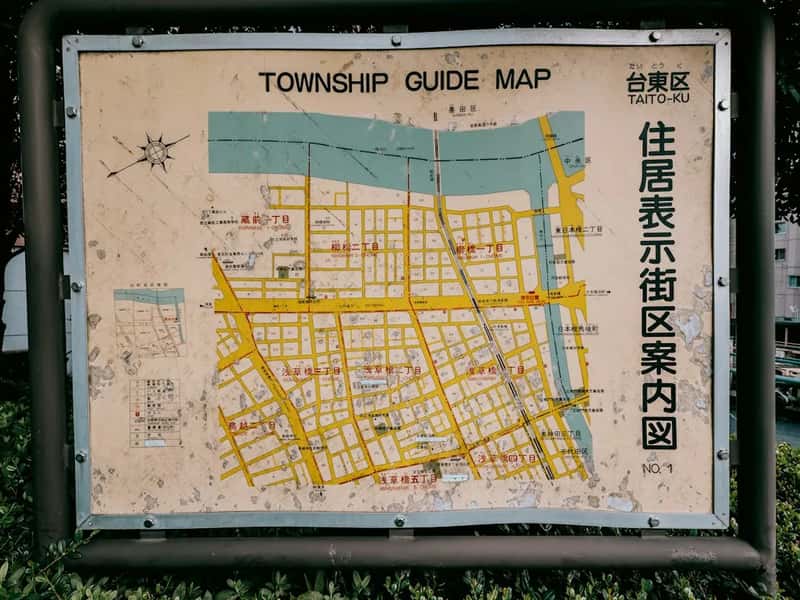
A hotel’s star rating says very little about what’s actually outside its front door. Travelers who look into the surrounding neighborhood, checking walkability, nearby transit access, and general safety patterns, tend to avoid unpleasant surprises after check-in. This is especially relevant in larger cities where safety and atmosphere can shift dramatically within just a few blocks.
This habit also helps with realistic expectations around noise, restaurant options, and how far the accommodation actually sits from major attractions despite what listing photos suggest. A quick look at recent reviews mentioning the surrounding area, rather than just the room itself, tends to reveal far more than the property’s own description. It’s a habit that turns “good enough” hotel picks into genuinely convenient ones.
8. You leave a copy of your itinerary with someone at home
This one sounds almost old-fashioned, yet it remains one of the most practical safety habits a traveler can maintain. Sharing flight numbers, accommodation addresses, and a rough day-by-day plan with a trusted person means someone knows where to start looking if communication suddenly goes quiet. It’s a habit embassies and travel safety organizations consistently recommend, particularly for solo travelers or trips to remote areas.
It doesn’t need to be a detailed spreadsheet. A simple shared document or even a text message with key dates and locations is usually enough. People who do this aren’t expecting anything to go wrong. They’re simply removing one layer of risk in case it does.
9. You check entry requirements well before the departure date

Visa rules, health documentation, and entry permits have shifted noticeably over the past few years, with several countries introducing new electronic travel authorization systems since 2023. The United Kingdom’s ETA system and the European Union’s upcoming ETIAS requirement are recent examples of entry processes that didn’t exist just a few years ago. Travelers who confirm these requirements early avoid the stress of scrambling for paperwork days before a flight.
This also includes checking passport validity rules, since many countries require at least six months of remaining validity beyond the travel dates. It’s a detail that’s easy to overlook and genuininely costly to discover at the airport counter. A calendar reminder set weeks in advance is usually all it takes to avoid this entirely.
10. You build in buffer time instead of scheduling everything back to back
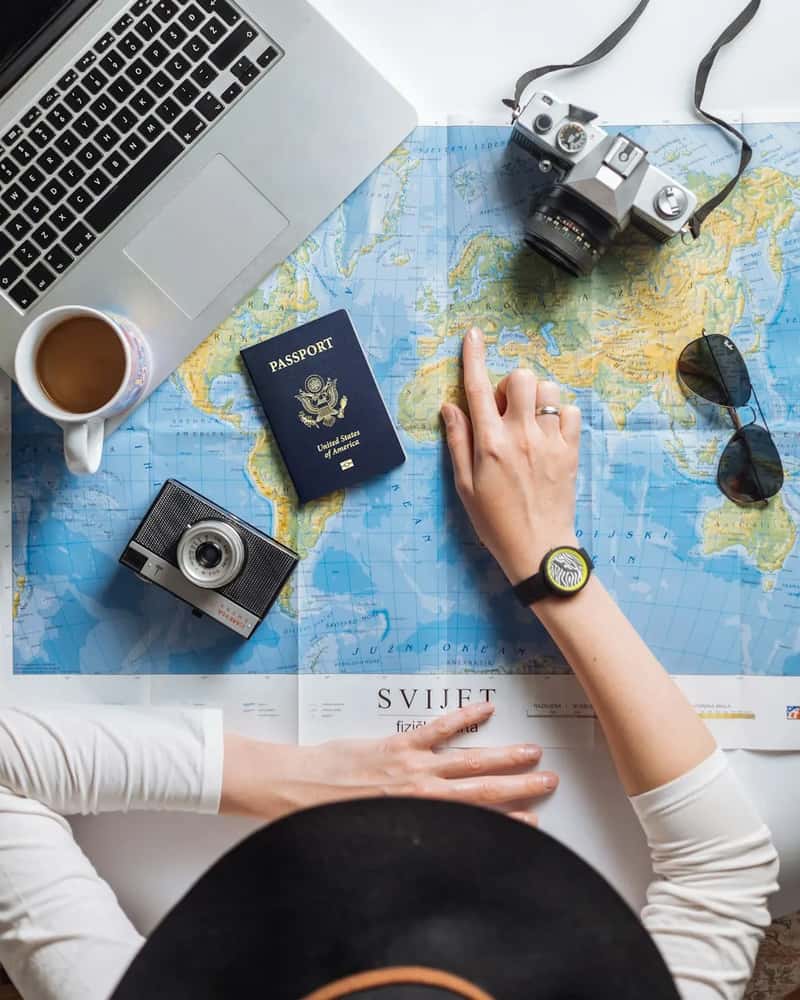
Overpacking an itinerary is one of the most common travel mistakes, and it often comes from excitement rather than poor planning. Experienced travelers tend to build gaps between activities, flights, and check-ins, recognizing that delays, traffic, and simple fatigue are part of nearly every trip. This buffer isn’t wasted time. It’s what keeps a missed connection or a longer-than-expected line from derailing the entire day.
This habit also applies to layovers, where cutting connection times too close increases the risk of a missed flight if the first leg runs even slightly late. Building in extra time, even just an hour, dramatically reduces travel-day stress. It’s a quiet form of planning that rarely gets noticed until it saves the trip.
None of these habits require expensive gear or elaborate planning systems. They’re small, repeatable actions that most disorganized travelers simply never think to do until something goes wrong once and teaches them the hard way. If several of these already sound like your normal routine, that’s a reliable sign you’re handling trip prep better than you might give yourself credit for.