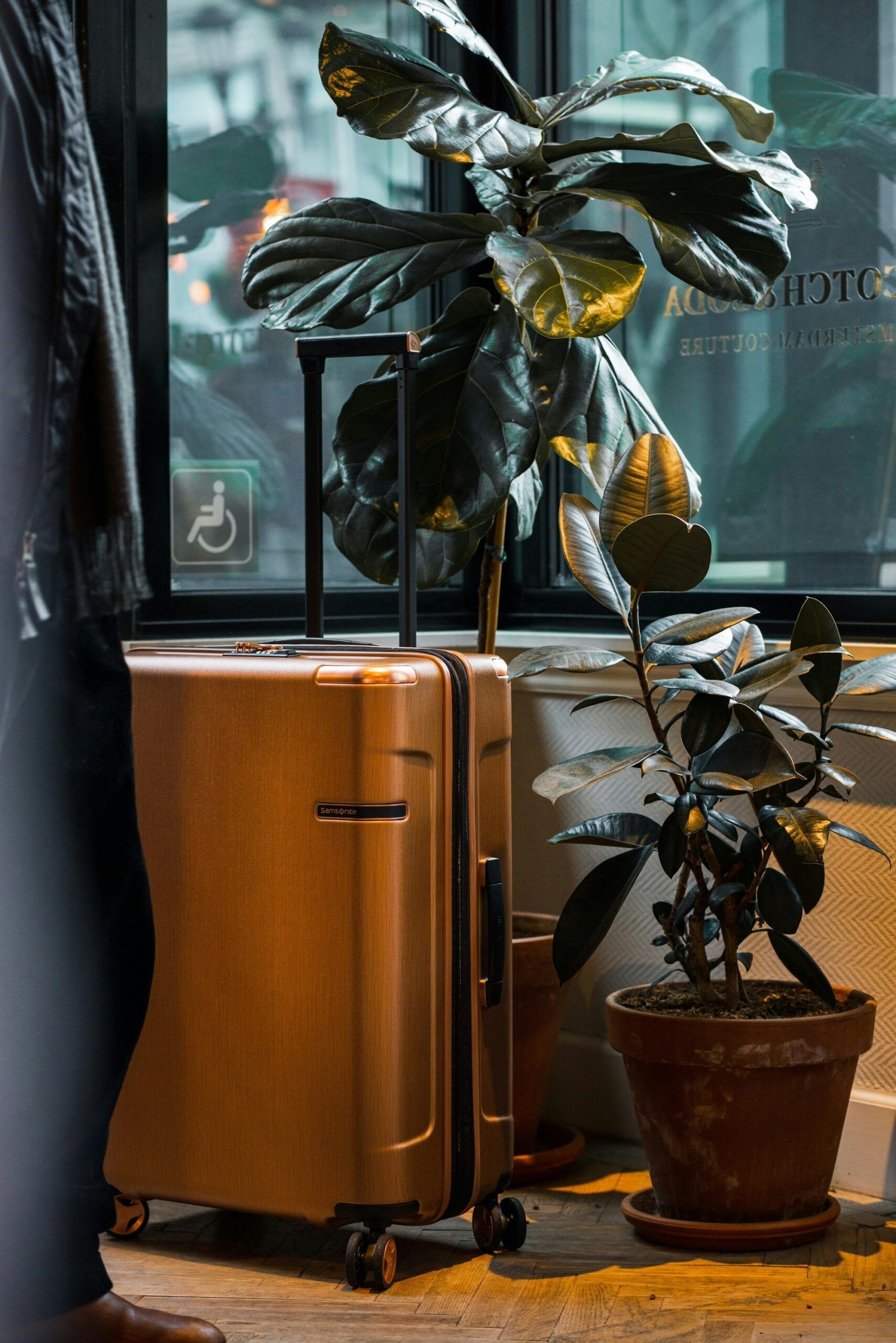
Most people judge a suitcase by its color, its price tag, or how many compartments it has. The real signs of quality rarely show up in a store display or a five second glance online. They hide in the stitching, the hinges, the wheel housings, and the little metal parts nobody photographs for a listing.
Luggage engineers know that durability isn’t about flash. It’s about dozens of small, almost invisible choices that decide whether a bag survives ten years of baggage handlers or falls apart after two flights. Here are eighteen of those quiet details worth checking before you buy.
1. Branded zippers like YKK or RiRi
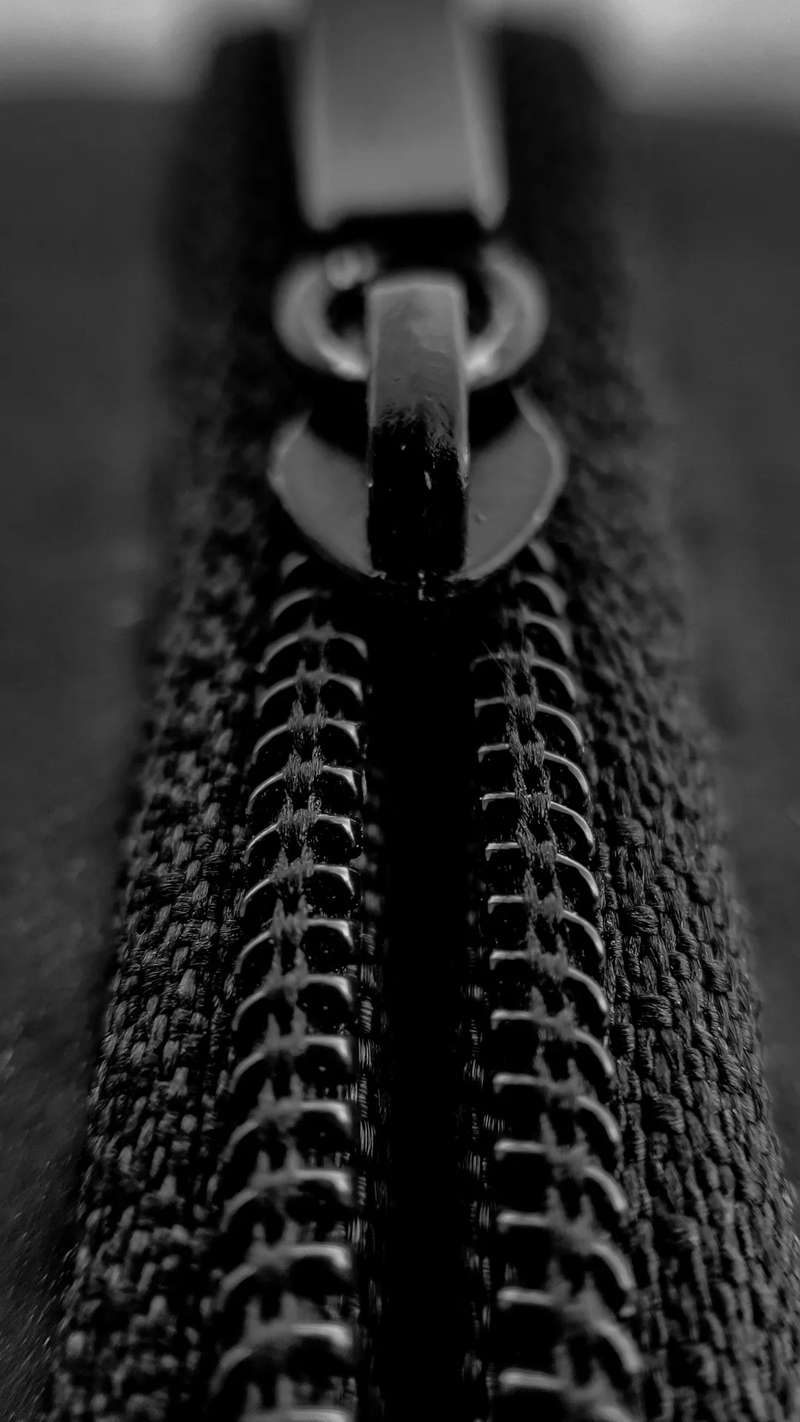
Zippers fail more often than any other part of a suitcase, which is why the brand stamped on the pull tab actually matters. YKK and RiRi are the two names most trusted in the industry, known for consistent tooth alignment and sliders that don’t jam after repeated use. Cheaper, unbranded zippers tend to warp or separate under pressure, especially when a bag is overstuffed.
If you unzip a suitcase and see one of these names etched into the metal pull, that’s a small but reliable signal the manufacturer spent money where it counts. It won’t guarantee perfection, but it removes one of the most common points of failure.
2. Aluminum core telescoping handles
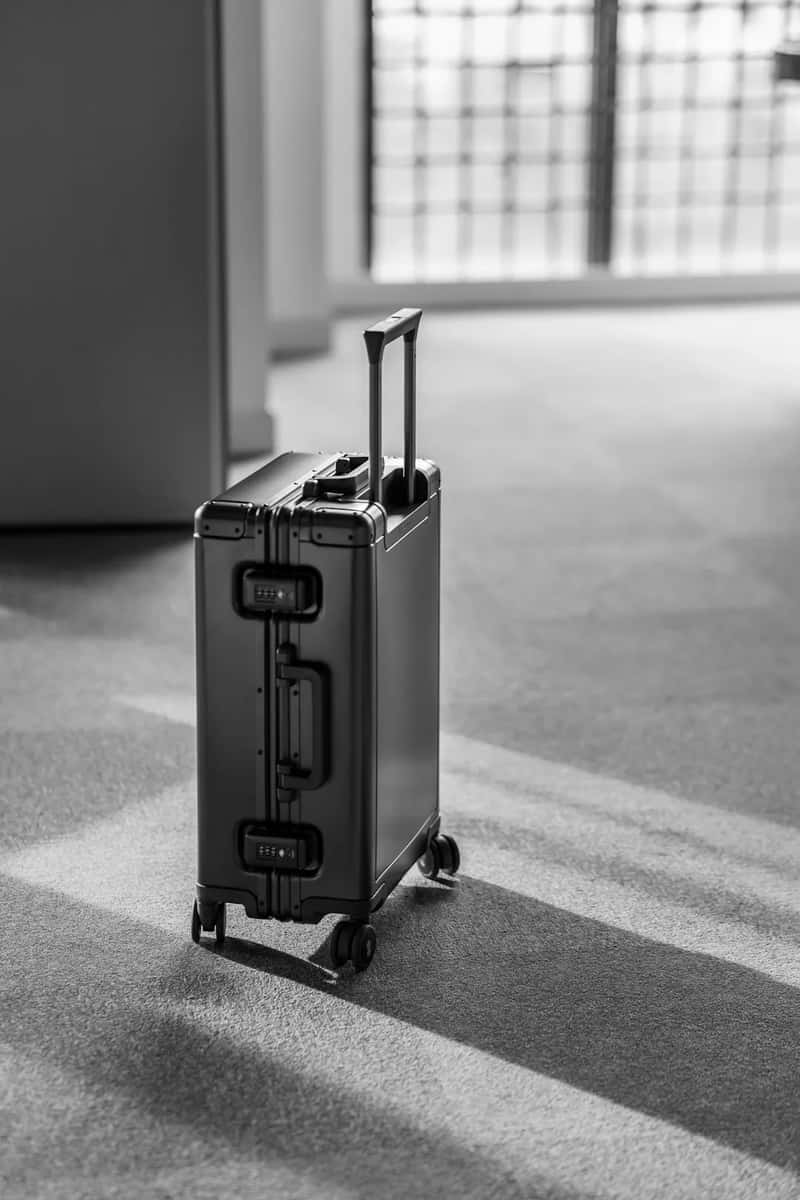
The pull up handle takes a surprising amount of abuse, from being yanked out of overhead bins to bearing the full weight of a bag dragged across cobblestones. Suitcases built with an aluminum core inside the handle tubes flex less and resist bending compared to bags relying purely on plastic supports. This is one detail you can test in a store simply by extending the handle and gently pushing it sideways.
A handle with real metal reinforcement barely moves. A weaker one wobbles noticeably, which is often the first part of a suitcase to break during travel.
3. Sealed, replaceable spinner wheels

Wheels are constantly grinding against pavement, escalators, and airport floors, so their construction says a lot about long term durability. Higher end suitcases use sealed ball bearings that keep debris out and allow smoother, quieter rolling for years. Just as important, quality brands design wheels to be replaceable, meaning a worn wheel doesn’t have to end the life of the whole bag.
Spin the wheels by hand before buying. If they rotate freely and silently, that’s a good sign the internal bearings were built to last rather than cut for cost.
4. Reinforced corner guards
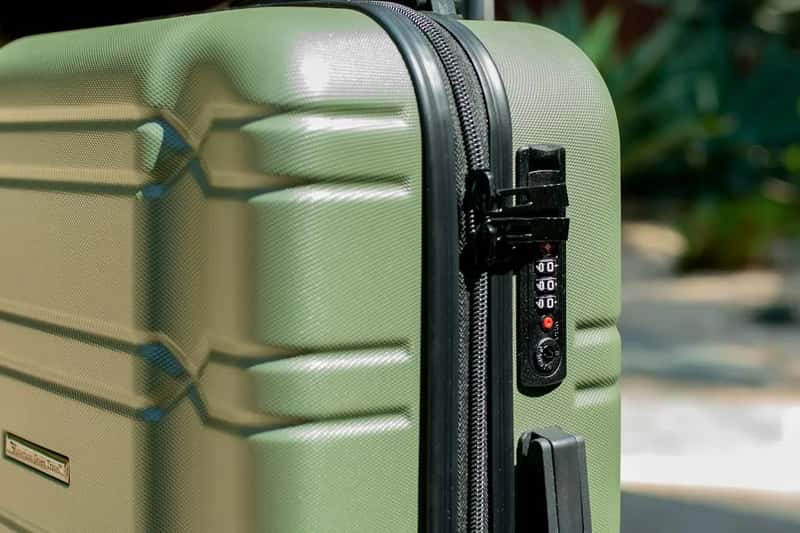
Corners take the brunt of drops, curb bumps, and rough handling, which is why many well made suitcases add rubber or reinforced plastic guards at each edge. These guards absorb impact that would otherwise crack a bare shell corner. It’s a detail easy to miss because it blends into the design, but it’s doing real structural work.
Look closely at where the shell edges meet. If there’s a slightly raised, textured bumper rather than a sharp, exposed corner, the suitcase was designed with real world abuse in mind.
5. Interlocking shell seams
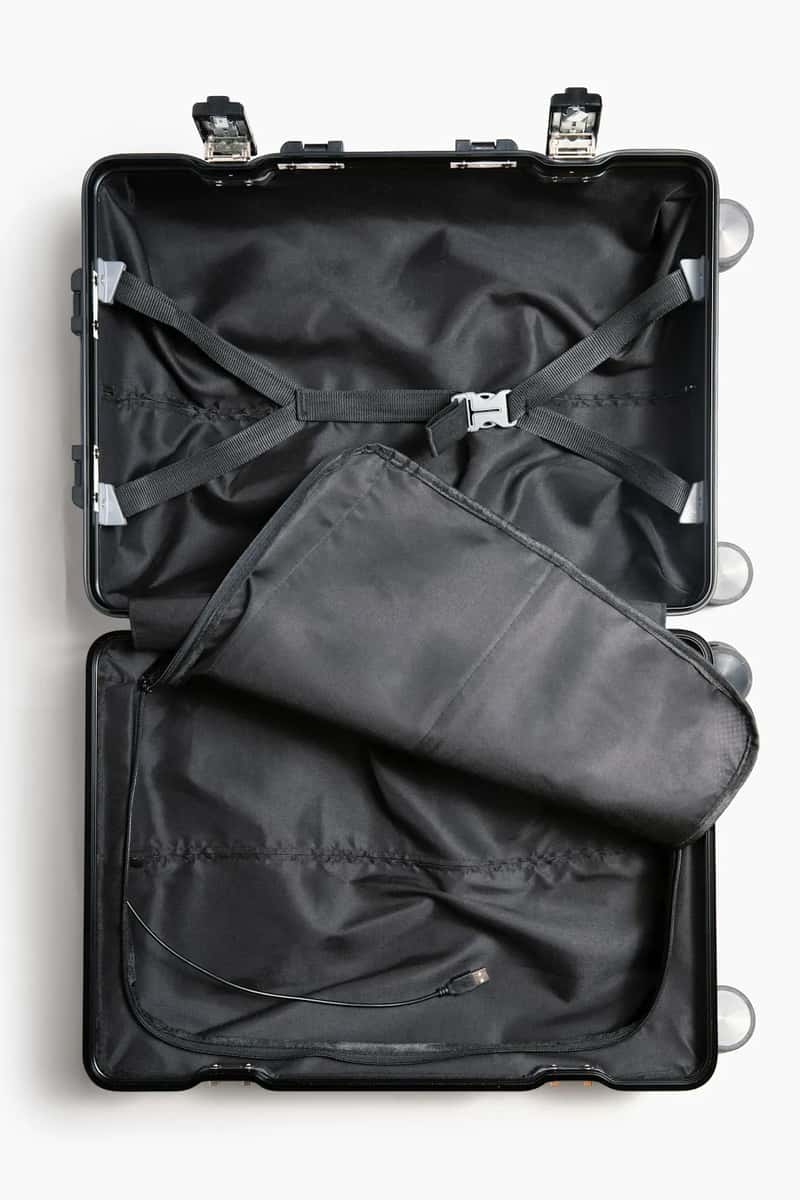
Cheaper hardside luggage often has two shell halves that meet in a simple straight line, which becomes a weak point over time. Better built suitcases use an interlocking or stepped seam where the top and bottom shells overlap slightly. This design spreads stress across a wider surface instead of concentrating it along one thin seam.
You can usually see this by examining where the shell splits open. A seam that zigzags or overlaps rather than running in one flat line usually points to more thoughtful engineering.
6. True polycarbonate construction
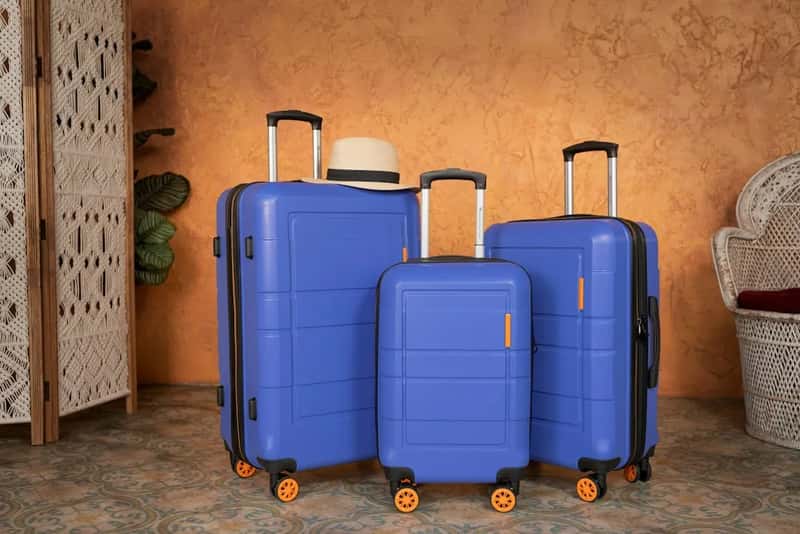
Not all hardside luggage is created equal, even when it looks similar from a distance. Genuine polycarbonate shells resist cracking and flex back into shape after impact, while ABS blends or ABS-polycarbonate mixes tend to be stiffer and more prone to shattering under stress. Manufacturers don’t always advertise this clearly, so checking the product specifications matters.
Pure polycarbonate costs more to produce, and that cost usually shows up in the price. A suitcase that seems unusually cheap for a “polycarbonate” label is worth a second look.
7. Bar-tacked stress points on soft luggage
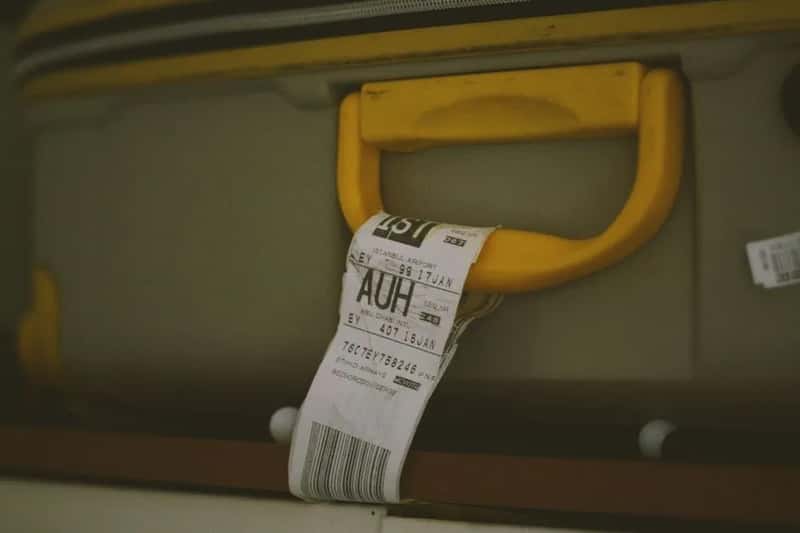
For soft-sided bags, the strongest indicator of durability isn’t the fabric itself but how the seams are reinforced. Bar tacking, which is a dense, concentrated line of stitching, is typically added at handle attachment points, zipper corners, and strap junctions. These are the exact spots where fabric luggage most commonly rips apart.
A quick inspection of these stress zones can reveal a lot. Loose, single-line stitching in high pressure areas is a warning sign, while dense, reinforced tacking suggests the maker anticipated years of hard use.
8. Metal zipper sliders and hardware
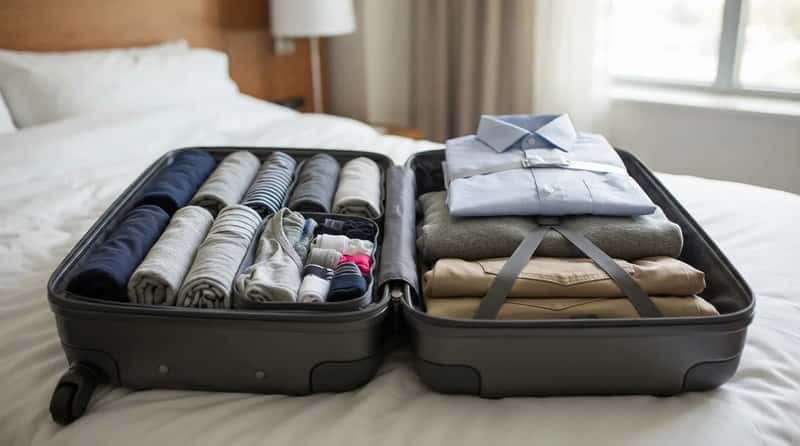
Plastic sliders and buckles might look fine on day one, but they tend to crack or snap after repeated bending and cold weather exposure. Suitcases built for longevity generally use metal sliders, metal zipper pulls, and metal feet rather than plastic substitutes. Metal parts also tend to age more gracefully, developing a worn look rather than breaking outright.
This is easy to check by simply touching the hardware. If it feels solid and slightly heavy rather than light and hollow, it’s more likely to survive years of travel.
9. Recessed wheel housings
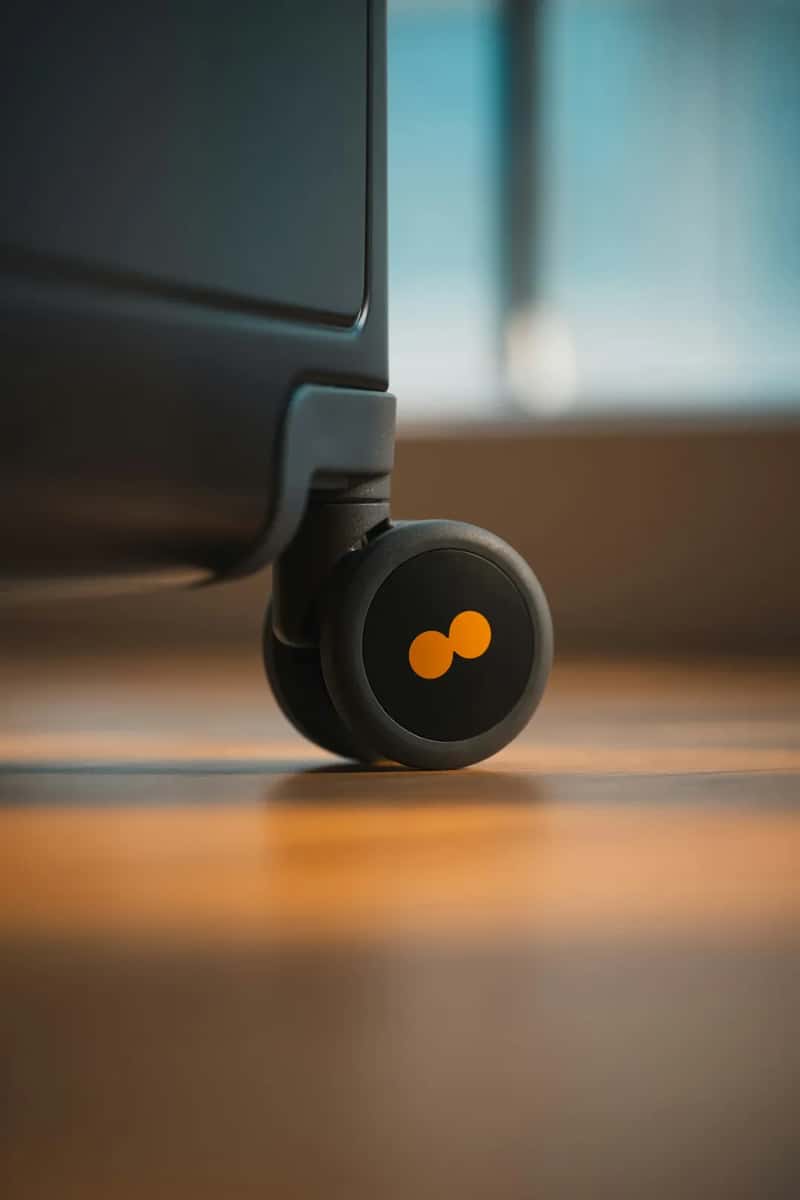
Exposed wheels that stick straight out from the bottom of a suitcase are more vulnerable to snapping off during rough handling. Better designed bags recess the wheels slightly into the shell, offering some natural protection from side impacts. This detail is subtle, but it reduces one of the most common repair issues reported by frequent flyers.
Airports are not gentle with luggage, and baggage handling systems routinely toss bags around corners and onto conveyor belts. A recessed wheel design absorbs some of that shock instead of transferring it directly to the axle.
10. Built-in combination locks integrated into the shell

A lock that’s bolted on as an afterthought is far more likely to break off than one engineered directly into the suitcase’s structure. TSA-approved combination locks that are molded into the shell itself tend to hold up better over years of use, since they’re supported by the surrounding material rather than a few screws. This integration also tends to correlate with more careful overall design.
When a lock feels flush and stable rather than like a loose add-on, it’s usually a sign the entire suitcase was planned with security and durability considered together rather than tacked on separately.
11. High-denier ballistic nylon or ripstop fabric
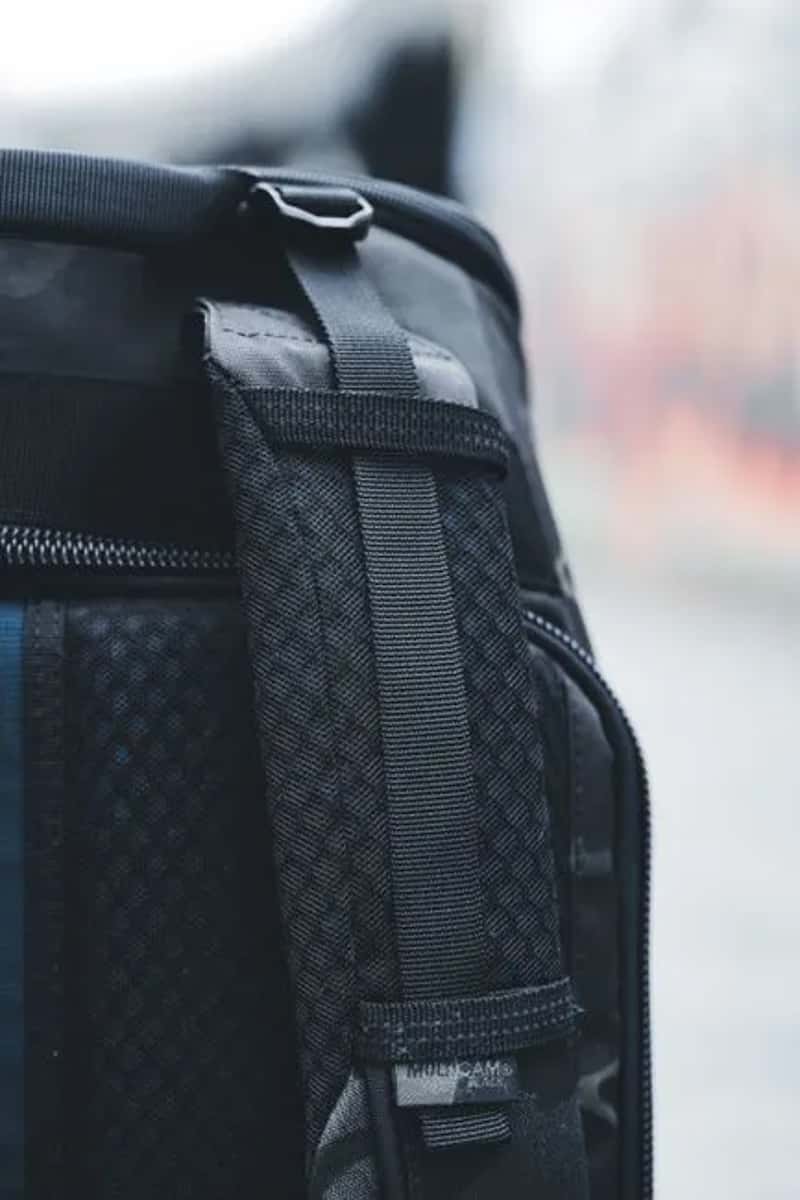
For soft luggage, the fabric’s denier count is a rough measure of thread thickness and resulting toughness. Ballistic nylon, originally developed for military use, resists abrasion and tearing far better than lighter weight synthetic blends. Ripstop weaves, which use reinforced grid patterns, stop small tears from spreading into larger rips.
Higher denier fabric is heavier and more expensive, so its presence often signals a manufacturer prioritizing longevity over minimizing shipping weight. It’s a detail rarely mentioned in marketing but easily felt by hand.
12. Reinforced interior compression straps
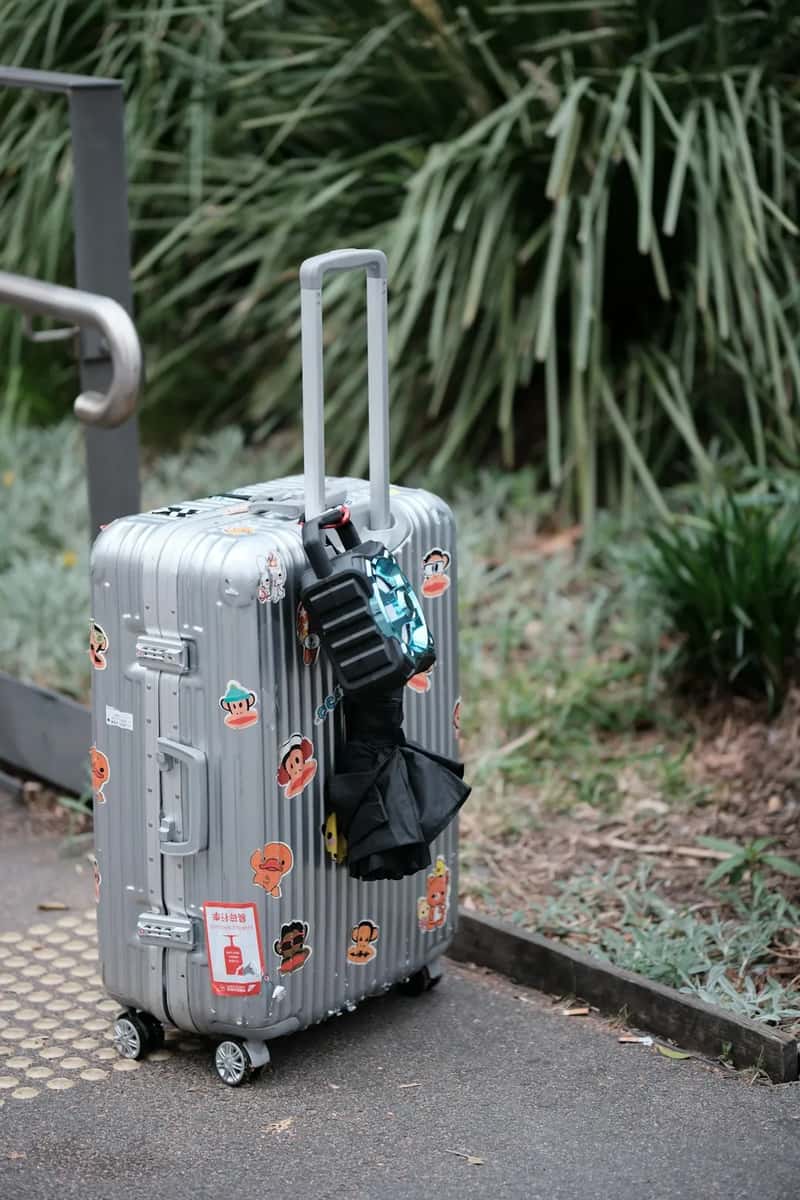
Interior straps do more than just organize packing. They help distribute the weight of clothing and items evenly, which reduces strain on the shell and zippers during transit. Suitcases with wider, sturdier straps and reinforced anchor points tend to keep their structural shape better over repeated trips.
Thin, flimsy straps that pull loose from their stitching after a few uses are a common complaint with budget luggage. Solid anchoring at the strap attachment points is a small detail that prevents a lot of long term wear.
13. Raised, replaceable rubber feet
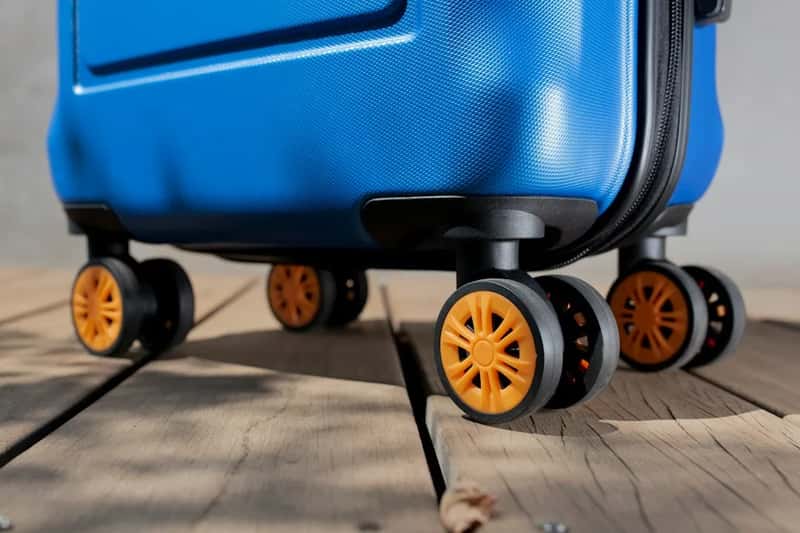
The feet on the bottom of a suitcase protect the shell from scraping against rough surfaces and absorb some shock when the bag is set down. Quality luggage uses raised rubber feet that are screwed or bolted in place rather than glued, which allows them to be replaced when worn. This small design choice extends the usable life of the entire bag significantly.
Glued feet tend to fall off within a couple of years, especially with regular use. Screwed in feet are a small mechanical detail that hints at a more repair friendly design overall.
14. Extended manufacturer warranties
Warranty length is one of the more practical signals of confidence a brand has in its own product. Suitcases with warranties of five years or longer, and in some cases limited lifetime warranties, generally correlate with brands that expect their bags to hold up over time. Companies rarely offer generous warranties on products they know are likely to fail early.
It’s worth reading the fine print, since some warranties only cover manufacturing defects rather than wear and tear. Still, the length and clarity of the warranty terms often reflect how seriously a brand stands behind its construction.
15. Scratch-resistant textured exterior finish
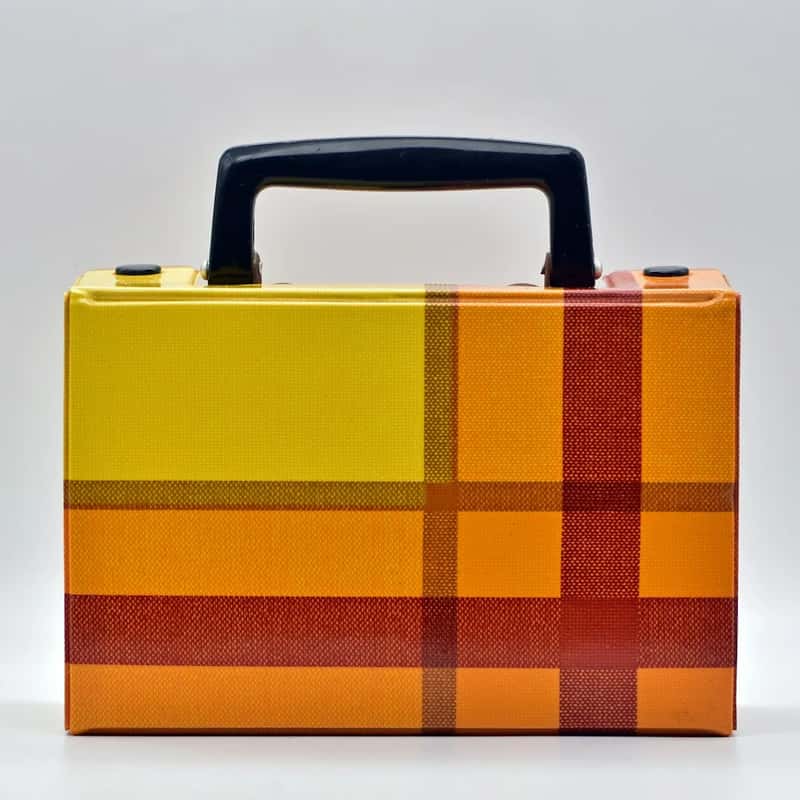
A glossy, smooth hardside surface might look sleek on a shelf, but it tends to show every scuff and scratch almost immediately. Many well engineered suitcases use a slightly textured or matte finish specifically designed to hide surface wear and resist visible scratching. This isn’t just cosmetic. It reflects a design choice made with years of use in mind rather than a single unboxing photo.
Running a fingernail lightly across the surface can reveal a lot. A textured finish that doesn’t mark easily suggests the manufacturer anticipated real wear patterns rather than optimizing purely for showroom shine.
16. Rubberized, ergonomic handle grips
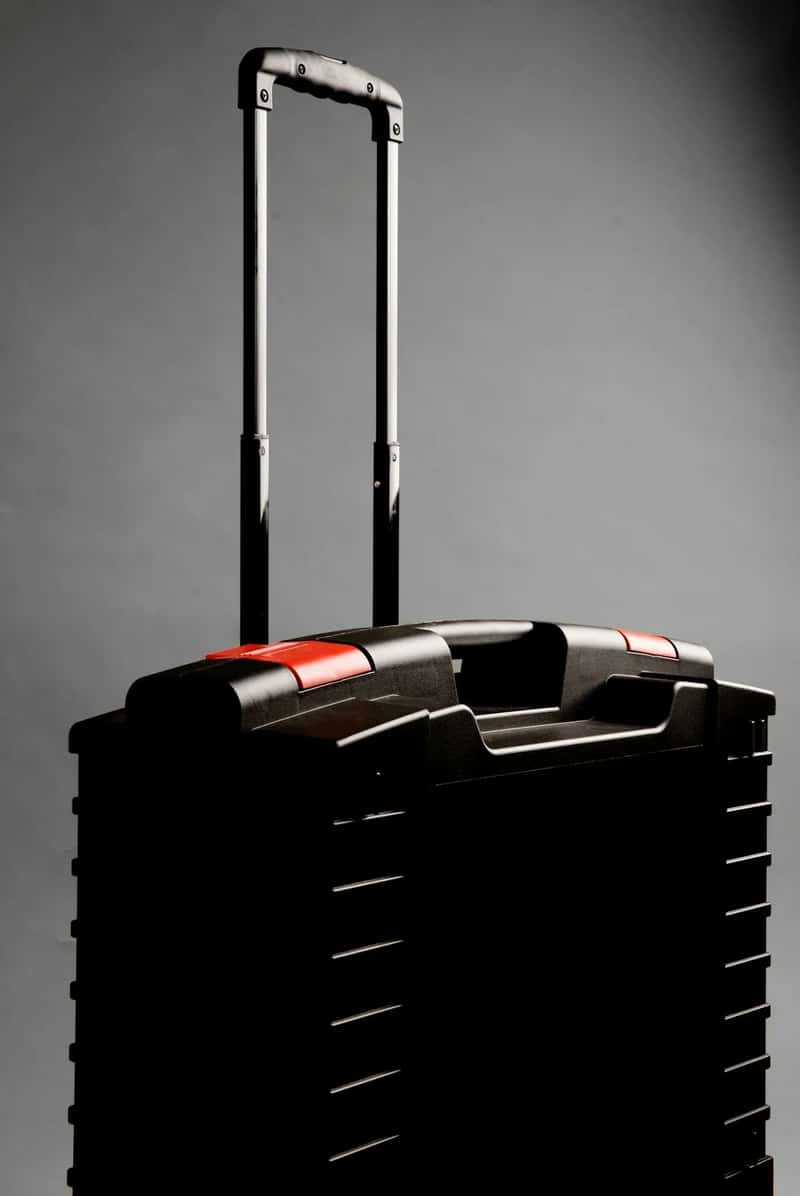
The handle grip is one of the most frequently touched parts of a suitcase, and cheap plastic versions tend to crack or become slippery over time. Rubberized or soft touch grips not only feel more comfortable but also resist temperature extremes and repeated flexing better than hard plastic alternatives. This detail matters most on longer trips through airports where the handle is gripped for extended periods.
A grip that stays firm and doesn’t feel brittle even in cold weather is a small indicator of thoughtful material selection. It’s the kind of detail travelers only notice once it fails.
17. Stitched, not glued, interior lining
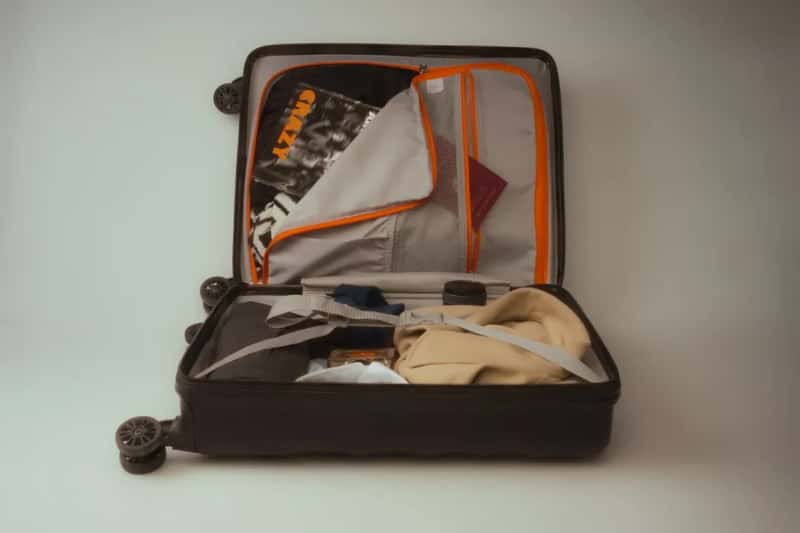
Interior lining that’s glued to the shell tends to peel and bubble after a few years, especially in humid climates or with temperature changes during air travel. Suitcases with lining that’s stitched into place hold up considerably longer, since stitching doesn’t degrade the way adhesive bonds do over time. This is a detail almost impossible to see in photos and only becomes obvious once you’re inspecting a bag in person.
Checking the edges of the interior lining for visible stitching versus a smooth glued seam takes only a few seconds. It’s a small check that can save years of frustration with a peeling interior.