Few environmental changes arrive as quietly as a rising shoreline. Over the coming decades, the ocean could slowly claim ground that land animals depend on, and the effects may reach well beyond the coast. According to a report by Mongabay ([1]), a global study published in Science estimates that sea level rise driven by climate change could cause more than 42% of terrestrial land vertebrates to lose parts of their habitat by the end of the century.
Tens of thousands of species in the path
The study covered 34,120 land vertebrates, roughly 90% of all known amphibian, reptile, bird and mammal species. Researchers paired habitat data for each species with sea level projections tied to five scenarios from the Intergovernmental Panel on Climate Change. Those scenarios range from low to high emissions, so the results reflect how different futures could play out.
Depending on the scenario, between 14,325 and 15,324 of the species examined would be exposed to habitat loss from coastal inundation by 2100. The spread between those two figures shows how much the outcome depends on emissions choices made in the decades ahead.
Reptiles and birds face the steepest exposure
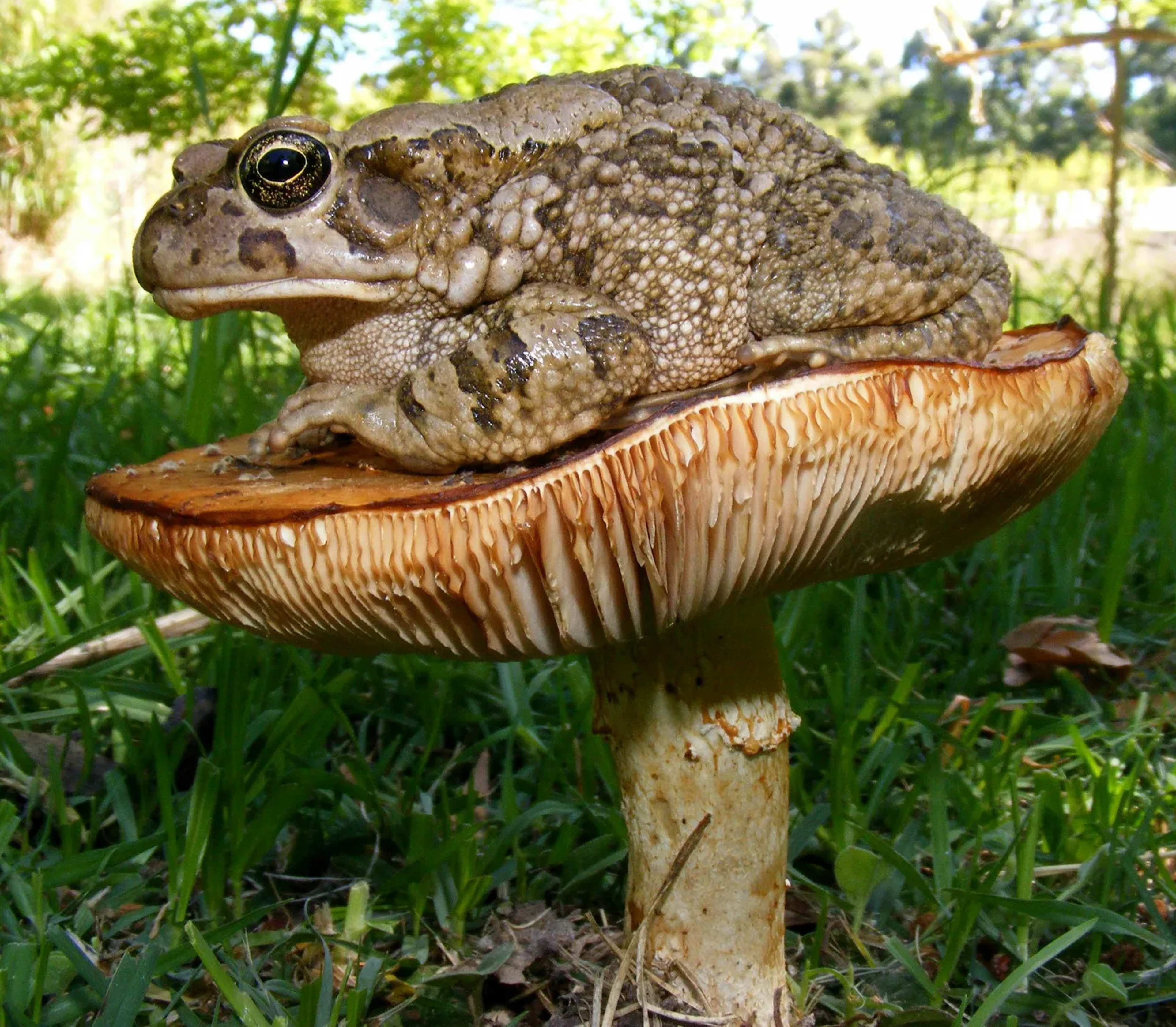
The losses are not spread evenly across animal groups. The study found that up to 63% of birds, 52% of mammals, 36% of reptiles and 24% of amphibians will likely be affected. Reptiles stand out in particular, with habitat loss expected to be nearly double that of birds or mammals.
Certain traits appear to raise the risk. Species with narrow geographic ranges have less room to shift when their habitat disappears under water. Species that are already threatened also face greater vulnerability, which means sea level rise could add pressure to populations that are already struggling. The study’s findings point to reptiles, narrow-ranging species and threatened species as the groups most in need of attention.
A gap in current risk assessments
One of the study’s most striking contrasts involves existing conservation status. Only 5.9% of the species examined are considered at risk from climate change according to their IUCN Red List assessments. That figure sits far below the share expected to lose habitat to the sea, which suggests that current evaluations may not fully reflect how rising water could affect wildlife.
The research also has clear limits. It focuses on habitat exposure, meaning the share of a species’ range that could be lost to coastal flooding. It does not project extinctions, and a species that loses part of its range may still persist in the areas that remain above water.
Key points from the study: more than 42% of land vertebrates studied could lose parts of their habitat by 2100, reptiles face the greatest projected loss, and the outcome depends heavily on the emissions path.
Planning for a shifting coastline
Zhong-Wen Jiang, a postdoctoral researcher at Sun Yat-sen University in China and a co-author of the study, told Mongabay that conservation planning must look beyond current species ranges. Planners, Jiang said, also need to know “which parts of their habitat are projected to remain above water in the future.”
That shift in perspective may prove as important as the figures themselves. Protecting a species where it lives today may not be enough if its future habitat lies beneath the sea. For conservation groups and policymakers, the study offers a clear reason to factor coastal change into long-term planning, while the emissions choices made now will help determine how much of that habitat is lost.