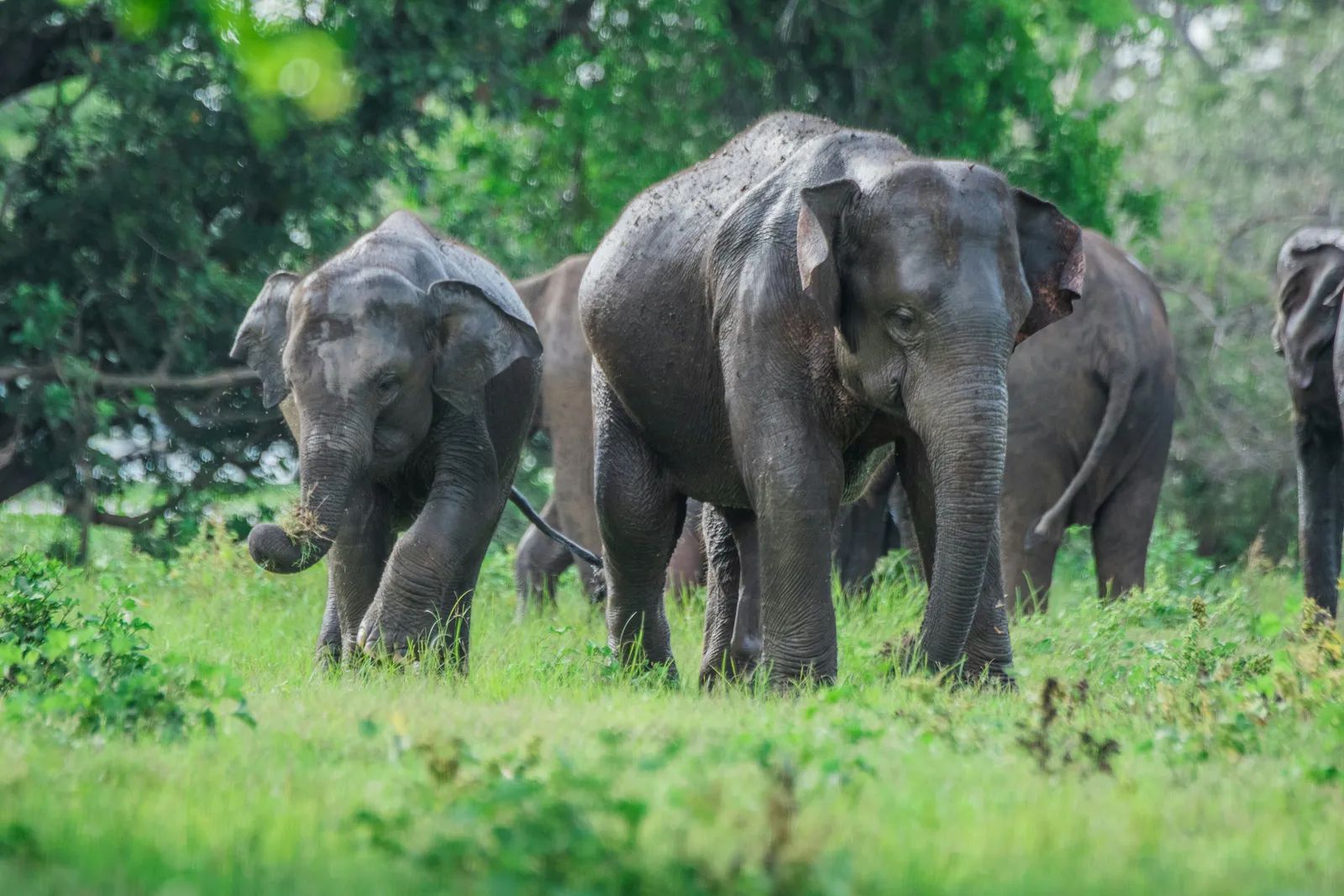
Sri Lanka – A male elephant that many villagers knew well has died from a gunshot injury, and the government has responded with a military-backed task force aimed at protecting the island’s rarest elephants. The sequence of events has drawn public anger, sharp criticism from conservation groups, and questions from specialists about whether the new approach will work. The account below draws on a report by Malaka Rodrigo for Mongabay ([1]).
A village favorite becomes a rallying point
The elephant, named Kavantissa, was a familiar presence in a rural village and was widely regarded with affection. His death from a gunshot wound quickly became a public issue. Environmentalists accused authorities of a “lack of care” toward the animal, and local animal rights groups called for an independent investigation into how he died.
The outcry reached beyond the village. Many people saw the case as a sign that the country’s wildlife protections were failing at the places where humans and elephants meet most often. That frustration shaped the government’s next move.
What the ‘elephant army’ actually is
The government’s response is a program called Hasthi Sena, a Sinhala name that translates to “elephant army.” The label refers to a human task force, not to the animals themselves. It brings together roughly 100 personnel from the armed forces and from the departments of wildlife and civil defence.
The task force has three stated goals:
- Prevent further elephant killings
- Curb wildlife crime
- Strengthen surveillance in areas where humans and elephants frequently come into contact
By early November, the task force had arrested people accused of illegal activities, including setting wire snares and using trap guns. Those arrests reflect the immediate enforcement focus of the operation.
Why tuskers matter
Tuskers are rare among Asian elephants, and a 1999 study estimated that only about 7.5 percent of male elephants in Sri Lanka carry tusks. Over the past decade, the advocacy group Wild Tuskers Srilanka has documented 300 such elephants.
Tuskers at the center of the debate
Tuskers are the main concern of the new effort. Since Kavantissa’s death, public support has grown for placing armed personnel with elephants that have large tusks, according to the report. The reasoning is straightforward. These animals are scarce, and their value makes them a target for poachers.
Related Stories From Travelbinger
Wild Tuskers Srilanka recently identified 17 tuskers at high risk and in need of urgent monitoring. Part of the concern stems from their ranges overlapping with human settlements. Chandika Lakshan, a member of the group, said the organization has handed detailed profiles of the 17 animals to government and military officials. Those profiles could help the task force decide where to focus its patrols.
Experts raise caution about the plan
Support for the operation has not been universal. Wildlife experts have urged caution about the approach, warning that the response needs careful planning to avoid unintended consequences. The excerpt available from the report cuts off before the full range of their objections is laid out, so readers who want the complete reasoning will need to consult the original article.
Still, the broader picture is clear. A single death has pushed Sri Lanka to reconsider how it protects a small and vulnerable population of elephants. Whether the task force can reduce killings without creating new risks for elephants and people will likely determine how the program is judged in the months ahead.