Most of us pack a travel wallet the way we pack a suitcase, which is to say quickly and with a few “just in case” items that never get unpacked. Over time, the habits harden. The wallet that worked for a long weekend ten years ago somehow ends up on a plane to another country, carrying the same clutter.
The stakes aren’t abstract. The Federal Trade Commission’s Consumer Sentinel Network logged roughly 1.4 million identity theft reports in 2025, about a quarter more than the 2024 total.[1] A lost or stolen wallet is one of the simplest ways for that kind of trouble to begin, and a trip makes it harder to respond quickly.
A Social Security Card
This is the classic offender, and it’s still riding around in plenty of wallets. You don’t need it for daily use, and criminals could use it to open credit lines in your name or sell it to another criminal.[2] Travel adds nothing that changes that math, since no hotel, airline, or rental counter needs it.
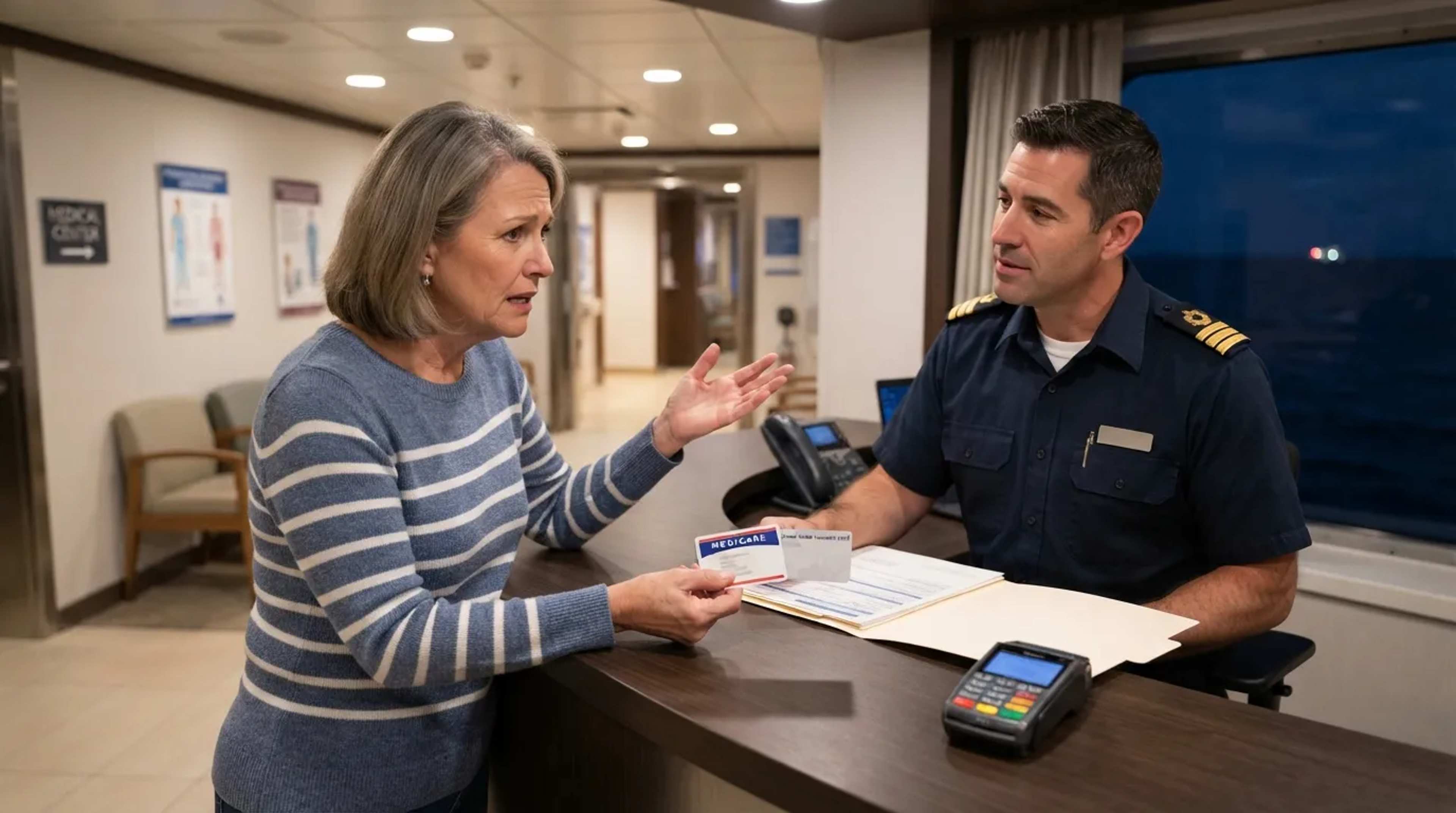
Government guidance is consistent here. USA.gov advises storing your Social Security card in a safe place and not carrying it in your wallet.[3] Wisconsin’s consumer protection agency notes there are only a few moments when you must have it, such as the first day of a new job, and says to leave it at home in a secure spot otherwise.[4] If it’s in your travel wallet today, take it out before your next trip.
A Card That Charges Foreign Transaction Fees

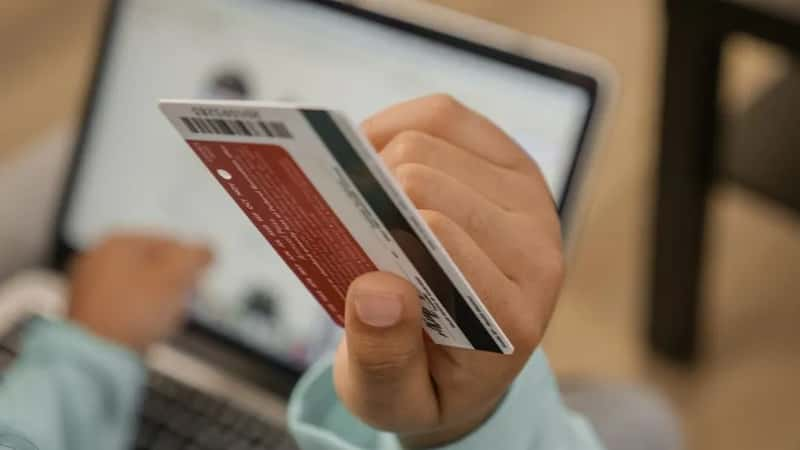
Some cards look perfectly fine until you use them abroad. WalletHub puts the average foreign transaction fee at about one and a half percent in 2026, with fees generally running from one to three percent per transaction.[5] Bankrate notes they can reach as high as five percent and can wipe out a card’s rewards.[6]
The fix is usually just a different card. Capital One lists a zero fee, while issuers such as Chase, Citibank, and Wells Fargo range from nothing up to three percent depending on the card.[5] Also watch the checkout screen. When a merchant offers to bill you in dollars, that’s dynamic currency conversion, and it typically means a worse rate than your card network would give you.[7] Foreign ATMs often push the same offer, with markups that can run from roughly seven to thirteen percent.[8]
An RFID Blocking Sleeve You’re Counting On
These sleeves are easy to buy and easy to feel good about. The problem is how much weight people put on them. Experts say RFID scams are largely unheard of and that protective accessories aren’t necessary.[9] Reports also indicate that contactless related fraud almost always happens because a card was physically stolen.[10]
That doesn’t make a sleeve harmful, only a poor place to put your sense of security. Tap to pay transactions are protected by tokenization, where your card details are swapped for one time identifiers issued by the card network.[11] Most credit card fraud comes from online transactions and stolen card details rather than wireless theft.[12] Spend that attention on fraud alerts and keeping your card in sight at checkout.
Old IDs That Still Show Your Social Security Number
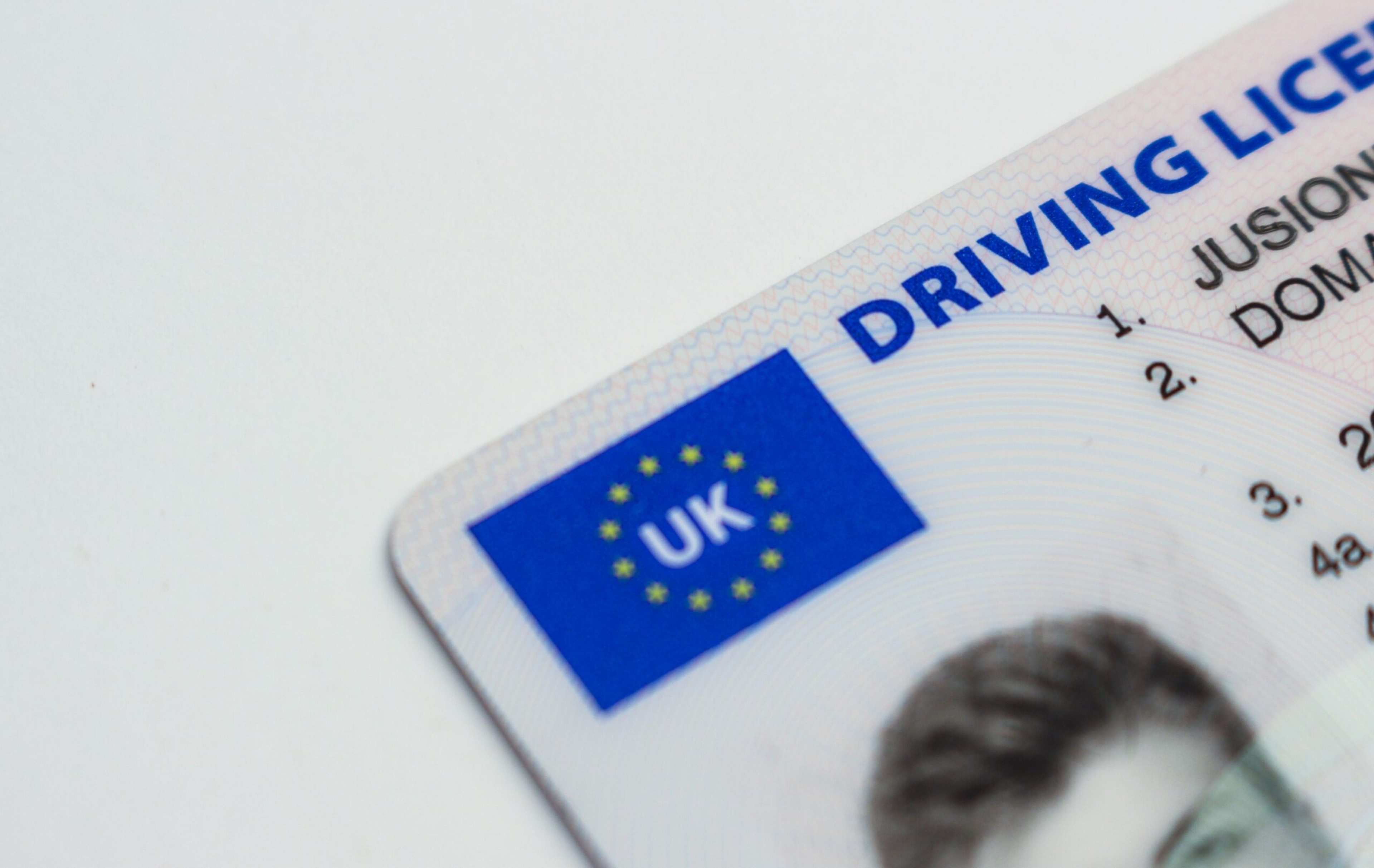
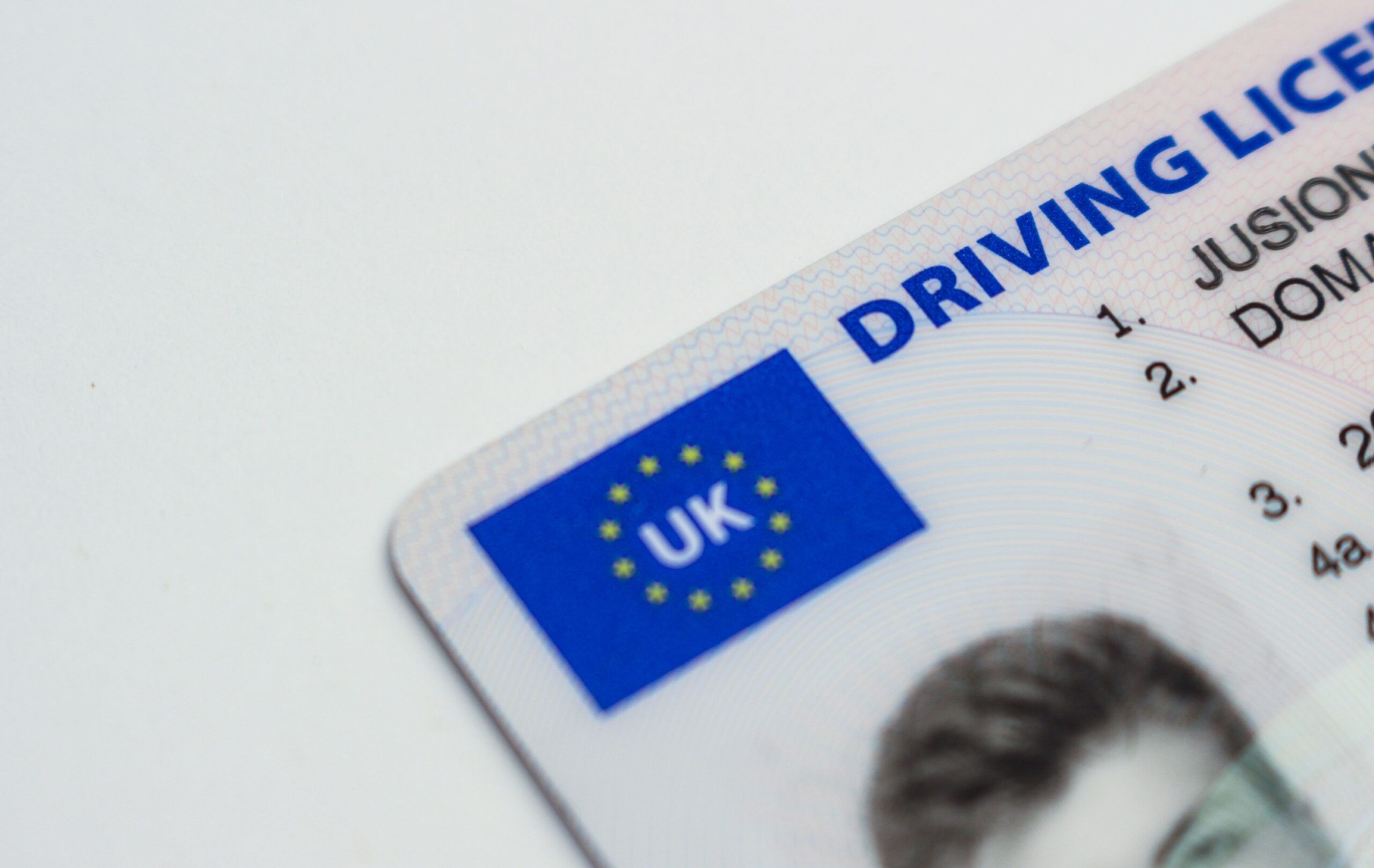
This one catches people off guard, especially anyone who hasn’t replaced a license in years. States can no longer display your Social Security number on newly issued driver’s licenses, state ID cards, and motor vehicle registrations.[13] Older documents may predate that change.
Kiplinger’s advice is direct. If any old photo ID still lists your number, request a new one right away, because even an extra fee is worth it to protect your identity.[13] It’s a small errand that’s best done before you leave, not from a hotel room.
A Thick Stack of Extra Cards
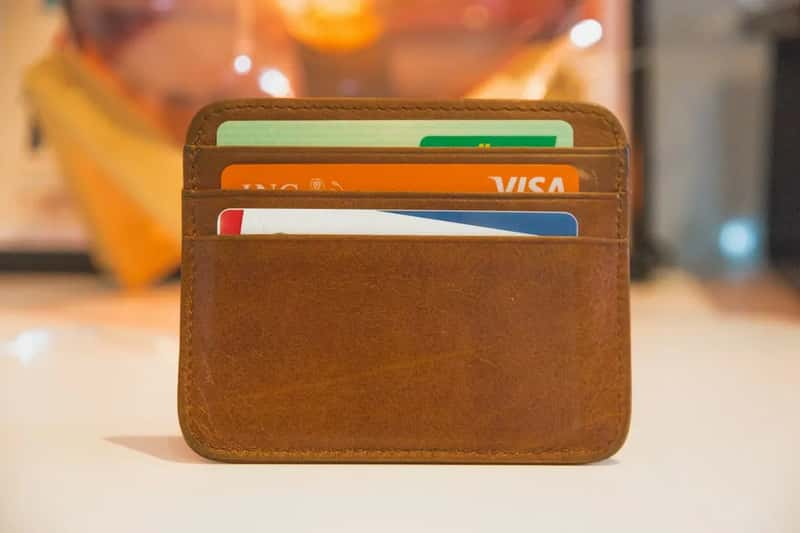
A fat wallet feels prepared. In practice, it’s a bigger list of things to cancel if the wallet disappears. A Department of Justice identity safeguarding guide says to never carry more than two credit or debit cards.[14] AARP also lists multiple credit cards among the things to remove from your wallet.[2]
Pair that with a simple habit. Wisconsin’s consumer agency suggests photocopying everything you carry and keeping the copies in a secure place, since they show the phone numbers you’d need to call if the cards are stolen.[4] Leave the store loyalty cards and the spare backup cards at home. One main card and one backup are plenty.
Blank Checks and Written Passwords
Checkbooks have mostly left travel wallets, though a stray one still turns up. A recent SavingAdvice piece warns that personal checks and written passwords can expose sensitive financial information if a wallet is lost or stolen.[15] AARP likewise says blank checks are gold to thieves and should rarely be carried.[2]
The same goes for any scrap of paper with a PIN or login on it. Certain items tucked inside an ordinary wallet can give criminals what they need to open fraudulent accounts or reach your money.[15] A password manager on your phone does the job better, and it doesn’t fall out of a pocket on a train platform.