Some travelers collect passport stamps the way others collect coffee mugs, without much of a system, just a steady accumulation over the years. Others plan their entire lives around ticking off a very specific list of places that seem to define what it means to have truly seen the world. Either way, there’s a certain unofficial club of destinations that keeps coming up when travelers compare notes, and if you’ve set foot in a handful of them, you’ve earned some real bragging rights.
This isn’t about counting airport layovers or beach resorts you barely left. It’s about the places that ask something of you, whether that’s a long flight, a physical climb, or simply the patience to plan around crowds and permits. Below are seven categories of bucket-list-worthy destinations. Hit five or more, and you can comfortably call yourself well-traveled.
1. Ancient Wonders That Still Take Your Breath Away
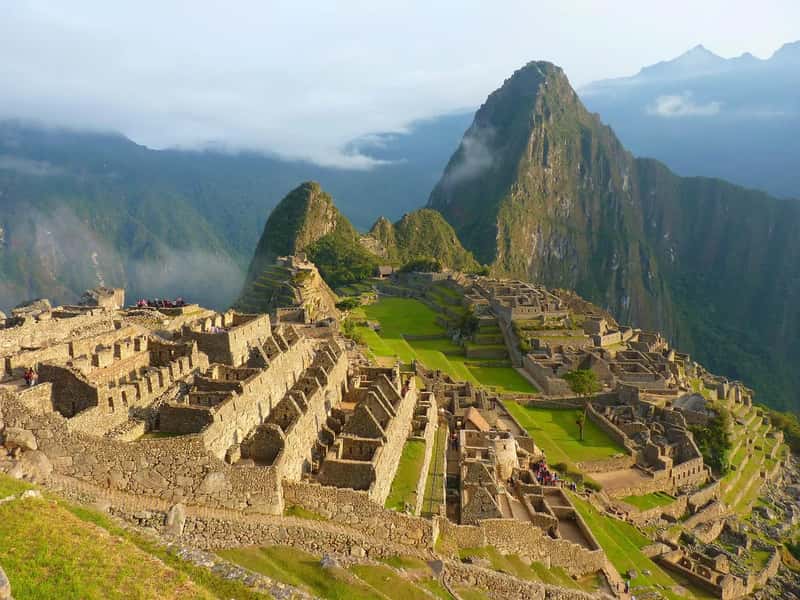
Machu Picchu remains the gold standard for this category, and it’s busier than ever. As of 2025, the site receives over 1.5 million visitors annually, making it Peru’s most visited international tourist destination.[1] Getting there still requires effort, whether it’s a multi-day trek along the Inca Trail or a scenic train ride through the Andes, and that effort is part of what makes reaching the citadel feel earned rather than just checked off a list.
Petra tells a similar story of a hard-to-reach place rewarding those who make the trip. Visitor numbers peaked in 2019, before the COVID-19 pandemic, with over 1.14 million tourists[2], and the site has been working through a slower recovery since due to regional instability, though numbers picked back up meaningfully through 2025. Walking through the narrow Siq canyon and having the rose-colored Treasury reveal itself at the end is one of those moments that photographs simply can’t replicate.
2. The Great Wall and China’s Layered History

Few structures on Earth communicate scale the way the Great Wall does. The Great Wall was continuously built from the 3rd century BC to the 17th century AD on the northern border of the country as the great military defence project of successive Chinese Empires, with a total length of more than 20,000 kilometers.[3] That figure includes branches and secondary walls added across dynasties, which is why estimates of its length vary so widely depending on the source.
Most visitors experience the wall through its restored sections near Beijing, and the crowds there can be significant. Over 10 million tourists visit the wall annually[4], with the Badaling section absorbing much of that traffic. Travelers who venture to the wilder, unrestored stretches further from the capital tend to come away with a very different impression, one involving crumbling stone and far fewer selfie sticks.
3. Iconic City Landmarks Everyone Recognizes

Paris anchors this category almost by default, largely because of one particular tower. In 2024, the Eiffel Tower maintained a high volume of visitors, with approximately 6.30 million tourists.[5] That’s remarkably consistent with pre-pandemic numbers, and it says something about the tower’s staying power that it draws crowds year after year regardless of trends elsewhere in global tourism.
What’s easy to forget is how international the crowd at these landmarks really is. The largest contingent of Eiffel Tower visitors, at 18.9 percent of the total, came from France, followed by North Americans at 18 percent[6], showing just how global the pull of a single iron structure can be. Similar dynamics play out at other instantly recognizable landmarks, from the Statue of Liberty to the Sydney Opera House, where locals and long-haul travelers cross paths in equal measure.
4. Sprawling Global Megacities

There’s a different kind of travel achievement in navigating a massive foreign city on your own, whether it’s Tokyo’s train system, Cairo’s traffic, or New York’s subway at rush hour. These places don’t require a permit or a booked time slot the way archaeological sites often do, but they demand a different kind of adaptability. Getting comfortable in a city where you don’t speak the language or know the customs builds a kind of travel confidence that’s hard to replicate anywhere else.
What makes megacities count toward well-traveled status isn’t the skyline photo, it’s the layers underneath. Spending real time in neighborhoods away from the obvious tourist circuit, whether that’s a local market in Istanbul or a side street in Bangkok, tends to leave a stronger impression than the landmarks themselves. Anyone who’s spent a week genuinely exploring one of these cities, rather than passing through for a weekend, has checked a meaningful box.
5. Natural Wonders on a Massive Scale
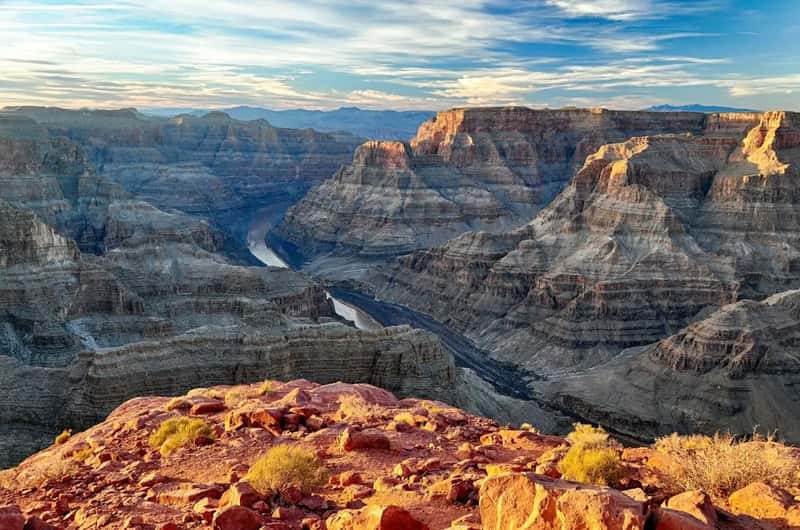
Some places remind you how small you are, and that’s usually the point. The Grand Canyon, Iguazu Falls, and the Serengeti during the Great Migration all fall into this bucket, offering scenery so large that photographs consistently fail to do them justice. These destinations often require more logistical planning than a typical city break, from timing a safari around animal migration patterns to arranging permits for certain canyon trails.
What ties these places together is the sense that nature is still running the show, not a hotel chain or a tour operator. Weather can shut down a planned hike, wildlife sightings are never guaranteed, and the best moments often happen when least expected. Travelers who’ve experienced at least one of these unpredictable, humbling landscapes tend to talk about them differently than they talk about any city trip.
6. Island Escapes With More Than Just a Beach
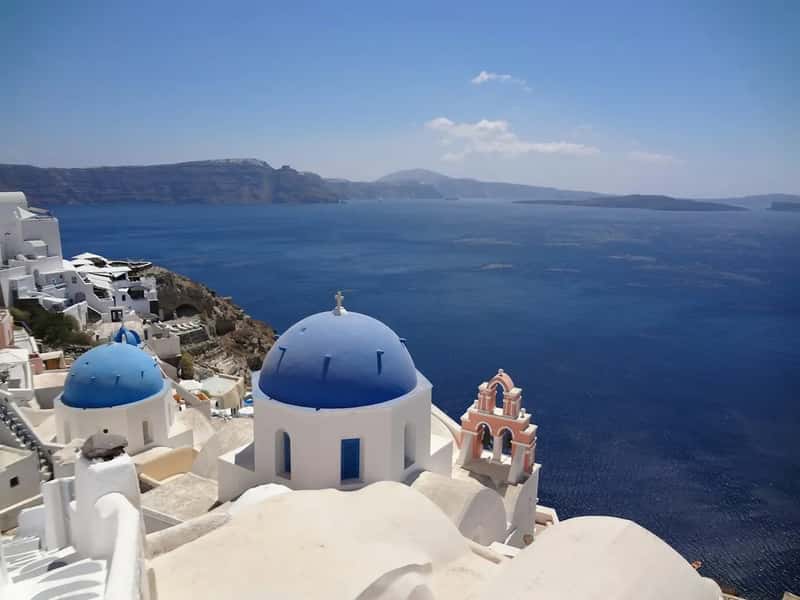
Bali, Santorini, and the Maldives get lumped into “vacation” territory more than “travel” territory, but that undersells them. Each of these islands carries distinct cultural and geological history, from Bali’s Hindu temple complexes to Santorini’s volcanic caldera that literally shaped the island’s dramatic cliffside towns. Visiting one properly, beyond the infinity pool, usually means engaging with local traditions, food, and geography that go well beyond a postcard.
These destinations have also become case studies in overtourism debates, with several island governments introducing visitor caps or tourist taxes in recent years to manage crowding. Santorini, for instance, has periodically discussed cruise ship visitor limits as daily arrivals during peak season can overwhelm its narrow cliffside paths. Travelers who’ve experienced these islands during shoulder season, avoiding the worst of the crowds, often say it changes the entire character of the trip.
7. Remote and Hard-to-Reach Frontiers
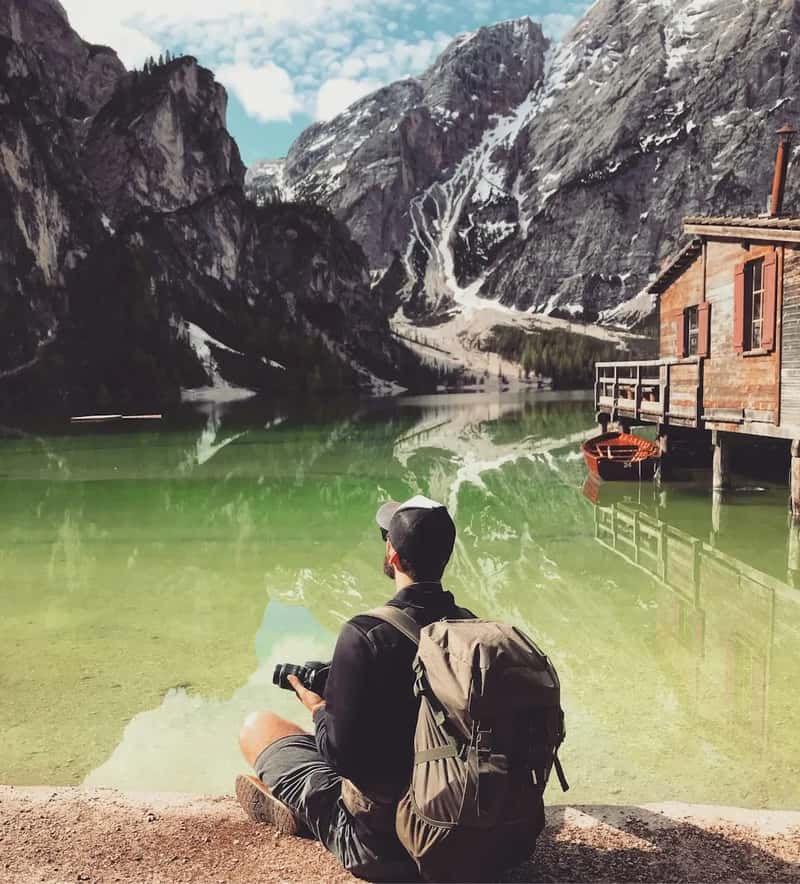
This is the category that separates casual travelers from the truly committed. Places like Antarctica, Patagonia’s southern reaches, or the more remote corners of Mongolia require significant time, money, and often a tolerance for discomfort that a beach resort never demands. Getting to these places usually involves multiple flights, long overland journeys, or a berth on an expedition ship.
The payoff tends to match the difficulty. Travelers who make it to these frontiers often describe them as the trips that reset their sense of what’s possible, both in terms of landscape and in terms of their own limits. If you’ve been to even one destination in this category, it likely counts double toward any informal well-traveled tally.
Nobody needs a stamped passport covering every continent to have lived a full travel life, and there’s no official scorekeeper handing out well-traveled certificates. Still, if you can check off five or more categories here, from an ancient citadel in the Andes to a remote frontier most people only see in documentaries, you’ve clearly done more than pack a carry-on for a long weekend. The real measure isn’t the count anyway. It’s whether those places changed how you see everything else.